What an Alaska Native Corporation Permit Costs
Planning a hunt in Alaska is already a complex puzzle, and figuring out land access can feel like adding another layer of intricate challenges. Many hunters are caught off guard when they discover that not all public-looking land is actually public, especially when it comes to the vast tracts owned by Alaska Native Corporations. This guide is here to unravel the mystery of hunting permit costs on these lands, helping you understand why these fees exist, what influences their varying amounts, and how to navigate the process so you can budget accurately and avoid unexpected surprises.
Understanding Alaska Native Corporation Lands
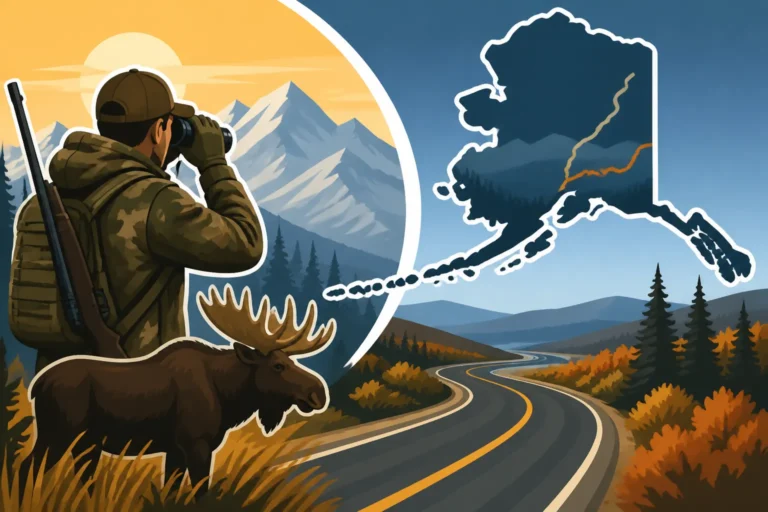
When you look at a map of Alaska, you see an enormous expanse, and it's easy to assume much of it is federal or state land, open to general hunting with the right licenses and tags. However, a significant portion of Alaska's land base, totaling millions of acres, is actually owned by Alaska Native Corporations. These lands are private property, and accessing them for hunting requires specific permission, usually in the form of a permit, which often comes with a fee. This isn't just a minor detail; it's a fundamental aspect of hunting in many productive areas of the state.
The Landscape of Native Ownership in Alaska
The creation of these private lands stems from the Alaska Native Claims Settlement Act (ANCSA) of 1971. This landmark legislation extinguished aboriginal claims to land in Alaska by granting Native Alaskans title to 44 million acres of land and nearly one billion dollars. These lands were then distributed to over 200 village corporations and 12 regional corporations, with a 13th regional corporation for Alaska Natives living outside the state. So, while these lands are part of the Alaskan landscape, they are managed differently than national parks, state forests, or even national wildlife refuges. Knowing this distinction is crucial before you ever set foot in a potential hunting area. It's not uncommon for a hunter to find prime habitat only to realize it's managed by a Native Corporation, requiring a permit beyond their state hunting license.
Why Permits are Essential for Access
Since these are private lands, Native Corporations have the legal right to control access and manage resources, including wildlife. Just like any private landowner, they can permit, restrict, or deny entry. For hunters, this means your state hunting license and species-specific tags, while necessary, are often not sufficient to hunt on Native Corporation lands. You need an additional layer of permission: a permit from the specific corporation that owns the land you intend to hunt. These permits serve several purposes for the corporations: they help fund land management and conservation efforts, generate revenue for their shareholders, and allow them to regulate the impact of hunting on their traditional lands and resources. Without a valid permit, you're trespassing, and that can lead to serious legal consequences, not to mention a ruined hunt. It's a key part of understanding Land Status in Alaska: State, Federal and Native Corporation and respecting the diverse ownership landscape.
The Cost Structure of Native Corporation Hunting Permits
One of the most common questions hunters ask is, "What does an Alaska Native Corporation permit cost?" The short answer is: it varies widely. There isn't a single, statewide fee schedule. Each of the dozens of Native Corporations sets its own policies and prices, reflecting their specific goals, the value of the resources on their land, and the demand for hunting access in their region. What might cost one amount for a caribou permit in one region could be vastly different for a moose permit in another, even for the same duration. These costs are a separate consideration from your standard state hunting license and game tags, adding another line item to your overall budget for an Alaska hunt.
Factors Influencing Permit Prices
Several key factors typically influence the price you might encounter for a Native Corporation hunting permit. Firstly, the species you intend to hunt plays a huge role. High-demand big game species like moose, caribou, or brown bear often command higher permit fees than smaller game or waterfowl. The duration of your hunt is another major factor; a permit for a single day of hunting will naturally cost less than one for a multi-day trip or an entire season. Your residency status also heavily impacts the price. Like state hunting licenses, Native Corporations often have different fee structures for Alaska residents, non-residents of Alaska, and non-resident aliens, with non-residents generally paying a higher premium. Lastly, the specific Native Corporation itself determines its unique pricing. Corporations like Doyon, Ahtna, or Bering Straits Native Corporation all have their own permit systems and fee schedules, which can change year to year. It's essential to research the specific corporation whose lands you plan to visit, as their prices will directly affect your overall hunt expense.
Types of Permits and Their Associated Costs
Native Corporations offer a range of permit types tailored to different hunting needs and land access requirements. At the simpler end, you might find day-use permits for small game or general access, which might be a nominal fee or even free in some instances for residents. These are typically for shorter excursions and often for less sought-after species. For big game, most corporations will offer species-specific permits. For example, a corporation with prime moose habitat might offer a permit specifically for moose hunting, often tied to a particular hunt unit or season. These permits usually come at a higher cost.
Some corporations also offer seasonal permits, granting access for an entire hunting season, which can be beneficial if you plan multiple trips or a longer stay. The cost of these permits will reflect the extended access and the potential for multiple opportunities. It's also common for corporations to distinguish between guided and unguided hunts on their lands. While a non-resident hunting some species in Alaska (like brown bear, Dall sheep, or mountain goat) already requires a guide or a close relative, even for species that don't require a guide by state law, a Native Corporation might stipulate that hunting on their land requires a permitted guide. This arrangement would add the guide's substantial fee to your overall hunting cost, on top of the land access permit. Always verify these details with the specific corporation when planning your trip.
| Factor | Description | Impact on Cost (General) |
|---|---|---|
| Species Targeted | High-demand species (e.g., moose, caribou, bear) versus small game or birds. | Higher for big game, lower for small game. |
| Duration of Hunt | Day-use permit, multi-day, or full season access. | Longer duration typically means higher cost. |
| Residency Status | Alaska Resident, Non-Resident, or Non-Resident Alien. | Non-residents usually pay significantly more. |
| Specific Corporation | Each Native Corporation sets its own fees and policies. | Varies greatly from one corporation to another. |
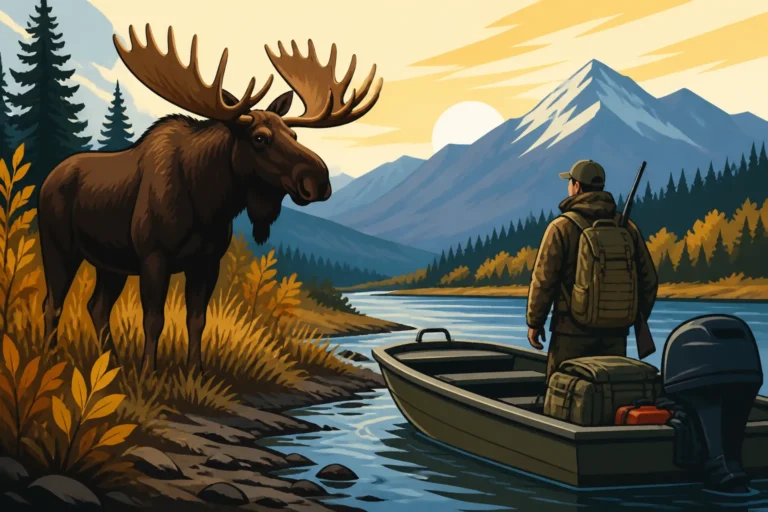
| Type of Access | Walk-in, ATV, boat, or air taxi access. | Some access methods might have additional fees or limits. |
| Guided vs. Unguided | Whether you are hunting independently or with a permitted guide. | Guided hunts, even on permit land, incur guide fees. |
Navigating the Permit Application Process
The thought of dealing with multiple permits can feel daunting, but with a bit of foresight and the right tools, it's a manageable part of planning your Alaskan adventure. The key is to start early and be thorough in your research. Don't wait until the last minute, because application processes can take time, and permits can sell out, especially for prime hunting areas or popular species. Thinking ahead will save you a lot of headache and potentially a wasted trip.
Finding Which Corporation Manages Your Hunt Area
The first and most critical step is to accurately identify which Native Corporation owns the land you wish to hunt. This is where modern mapping technology becomes an invaluable asset. While traditional paper maps might show land ownership, digital mapping tools are far more efficient. Platforms like onX Hunt are incredibly useful for this, as they layer land ownership data directly onto detailed topographical maps, making it easy to discern state, federal, and private (including Native Corporation) boundaries. You can drop a pin in your desired hunting spot and instantly see who the landowner is. Similarly, resources from wildlife departments or land status maps from the Bureau of Land Management can help, but a dedicated hunting app like onX Hunt makes it much more intuitive. Once you know the specific corporation, you can then direct your inquiries to the right place. This step is fundamental to understanding your access options and identifying whether you're dealing with Doyon Lands and Hunter Access or perhaps Ahtna Lands in the Copper Basin, each with its own permit system.
Steps to Obtain a Native Corporation Permit
Once you've identified the correct Native Corporation, your next step is to visit their official website or contact their lands department directly. Most corporations have dedicated sections on their websites for recreation and hunting permits, detailing available permits, application procedures, rules, and current fee schedules. Some might even offer online application portals. Be prepared to provide specific information about your hunt, including dates, species, and the general area you intend to access. You'll likely need to agree to their terms and conditions, which often include specific rules about camping, fire use, vehicle access, and carcass salvage.
In some cases, especially for more remote or tightly controlled areas, you might need to apply well in advance, and permits could be limited. Some corporations also require hunters to submit harvest reports, similar to state harvest tickets, to help them manage wildlife populations on their lands. Remember, these permits are separate from your standard Alaska state hunting license and any required draw or registration permits for the game animal itself. It's a layer on top of the state requirements, so ensure you have all your state paperwork in order before applying for the Native Corporation permit. For comparison, it's a completely different system than managing Alaska Harvest Tickets, Registration Permits and Draw Permits through the state.
Important Considerations Beyond the Permit Fee
Securing a Native Corporation permit is a big step, but it's important to understand that the permit fee itself might not be the only cost or restriction associated with hunting on these lands. Alaska hunting is always an adventure into the unknown, and planning for every eventuality, including the subtle nuances of land access, is part of a successful trip. Overlooking these additional considerations can lead to unexpected expenses or even legal issues.
Additional Costs and Restrictions
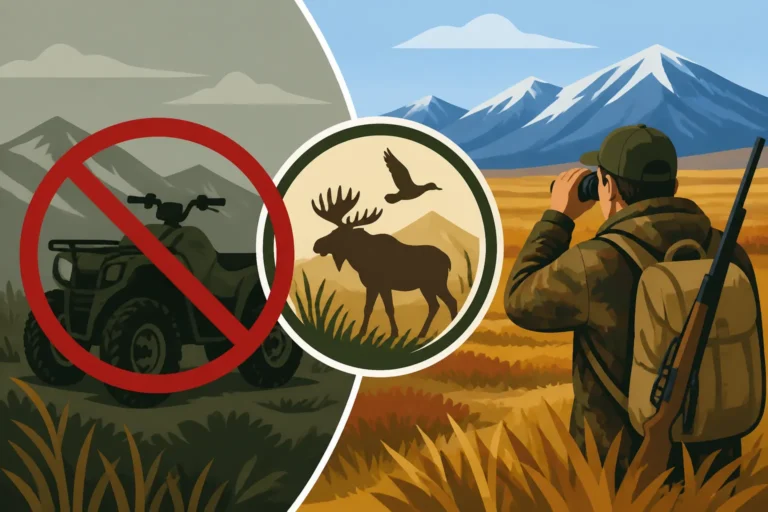
Beyond the direct permit cost, several other factors might influence your overall budget or hunt plan when accessing Native Corporation lands. Some corporations may impose additional access fees if you plan to use specific modes of transportation, such as ATVs or aircraft. While they might allow general hunting, certain areas could be restricted from motorized access, meaning you'll be hoofing it in, even if the state permits ATV use on adjacent public lands. In areas with particularly sensitive resources or high demand, the corporation might require hunters to utilize approved transporters or guides, even for species that typically allow unguided hunting by non-residents elsewhere. This adds the cost of an air taxi or guide service to your trip, which can be substantial. For example, if you're comparing costs, consider What an Alaska Guided Brown Bear Hunt Costs versus an unguided hunt, and factor in that a Native Corporation might mandate a guide. Always inquire about these potential hidden costs or requirements when you contact the corporation. Remember, the rules for Alaska Transporters and What They Legally Provide apply here, but the corporation might have additional internal regulations.
Respecting Landowner Rules and Cultural Sensitivities
Hunting on Native Corporation lands isn't just about paying a fee; it's about respecting the landowners, their culture, and their stewardship of the land. Each corporation will have its own specific rules and regulations, which might go beyond what's stipulated in the state hunting regulations. These rules are put in place for specific reasons, often tied to conservation, public safety, or the traditional uses of the land by their shareholders. Always read the permit conditions thoroughly and adhere to them without exception. This includes understanding their rules on Camping Limits on Alaska State Land versus their private land, which might be more restrictive.
Be mindful of the cultural significance of these lands. Many Native Corporations represent communities with deep historical and spiritual connections to the land and its resources. By hunting on their property, you are a guest, and demonstrating respect for their land, their rules, and their way of life is paramount. Leave no trace, pack out all your garbage, and be considerate of any local residents you encounter. Showing courtesy and adherence to their regulations not only ensures a smoother hunt for you but also helps preserve access for future hunters. Being a good guest goes a long way in fostering positive relationships and maintaining hunting opportunities in these unique and vital parts of Alaska.
Disclaimer
This article is for general informational purposes only and does not constitute professional advice. Laws, prices and regulations vary by location and change over time. Consult a qualified professional for guidance on your specific situation.