Matanuska Valley Hunting Close to Palmer
Hunting close to home in Alaska, especially around a community like Palmer, comes with its own unique set of challenges and immense rewards. Many of us dream of far-flung wilderness adventures, but the reality is that sometimes, a successful hunt means finding those overlooked pockets of opportunity just a short drive from the paved road. This guide is here to help you unravel the complexities of hunting the Matanuska Valley, ensuring you understand the lay of the land, the species you can pursue, and the critical regulations that make all the difference between a successful outing and a frustrating one.
The Mat-Su Valley Hunting Puzzle: Balancing Access and Opportunity
The Matanuska-Susitna Valley, often affectionately called the "Mat-Su," is a vast and diverse region, encompassing everything from glacier-carved mountains to sprawling wetlands and agricultural fields. For hunters, this means a patchwork of habitats and a mix of publicly accessible land intertwined with private property. It’s not always the wide-open, unpressured wilderness you might imagine when you think of Alaska, but it absolutely holds incredible hunting potential if you know where to look and how to navigate it.
Geographic Overview and Game Management Units
The Palmer area falls primarily within Game Management Unit (GMU) 14, which itself is broken down into several subunits like 14A, 14B, and 14C. Each subunit can have its own specific regulations, season dates, and even bag limits, so paying close attention to these distinctions is paramount. For instance, Unit 14A, which includes much of the area immediately surrounding Palmer, is quite accessible by road and thus experiences considerable hunter pressure. Further north or east, into 14B or 14C, you might find more remote terrain, though still often reachable via logging roads, trails, or shorter ATV runs. It’s a dynamic landscape, where thick timber gives way to open willow flats, and alpine tundra isn't far from the valley floor. Understanding these subtle shifts in habitat is key to locating game.
When you're planning your hunt, don't just look at "Unit 14" as one big block. Dig into the specific subunit regulations in the current hunting synopsis. A moose season in 14A might be completely different from one in 14B, both in terms of dates and antler restrictions. This is where your pre-hunt research really pays off.
Understanding Land Ownership Close to Town
One of the biggest hurdles for any hunter operating close to population centers in Alaska, and particularly in the Mat-Su Valley, is the complex mosaic of land ownership. You'll encounter state land, which is generally open to hunting, but also private property, Native Corporation lands, and sometimes even federal parcels. Trespassing, even accidentally, is a serious offense and can quickly sour an otherwise great hunt.
Many popular hunting spots near Palmer are state-owned, managed by the Department of Natural Resources (DNR). These areas often have established trails, old logging roads, or gravel pits that offer entry points. However, private land, especially around farms and residential areas, is common. Always carry detailed maps that clearly show property boundaries. Tools like onX Hunt are absolutely invaluable here. You can literally see property lines and landowner names right on your phone, helping you avoid accidental trespass and ensuring you're always on legal ground. Before you even set foot in the field, use these resources to identify areas you can legally access and plan your routes accordingly. Checking land status is a non-negotiable step for ethical and legal hunting in the Mat-Su. How to Check Alaska Land Status Before a Hunt is a great resource if you're feeling overwhelmed by the map work.
Prime Species for Palmer-Area Hunters
While the Mat-Su Valley might not boast the same trophy potential or wilderness feel as a remote fly-in hunt, it offers fantastic opportunities for several key species that are highly valued by Alaskan hunters.
Moose: The Valley's Crown Jewel
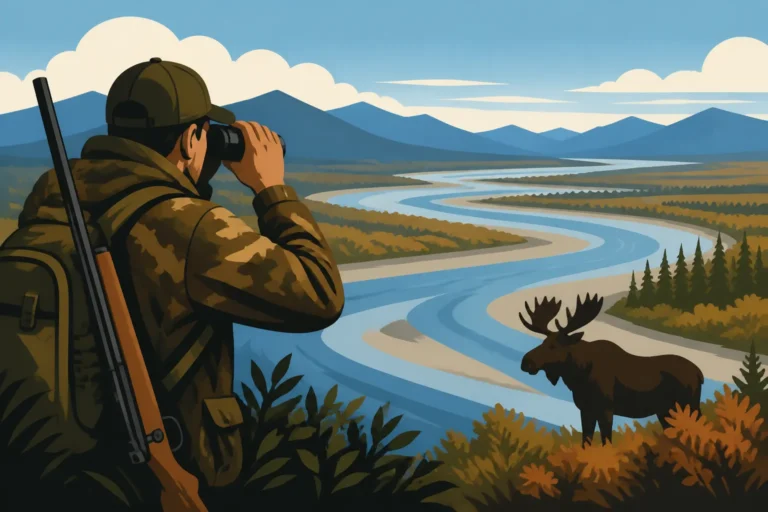
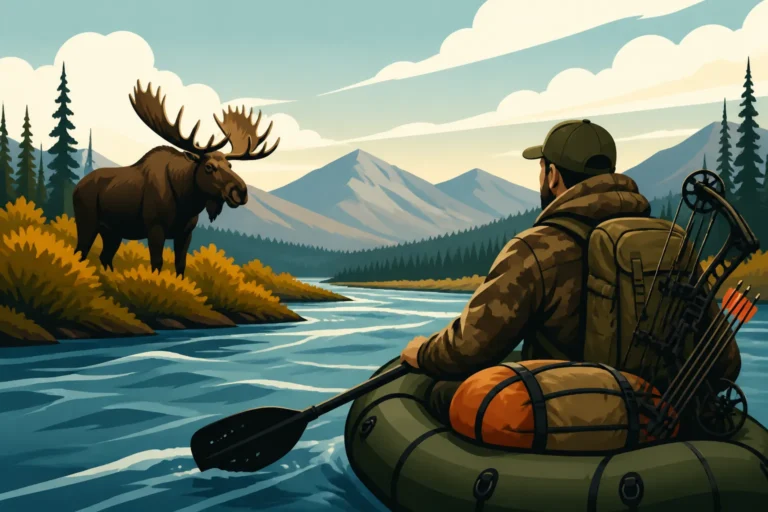
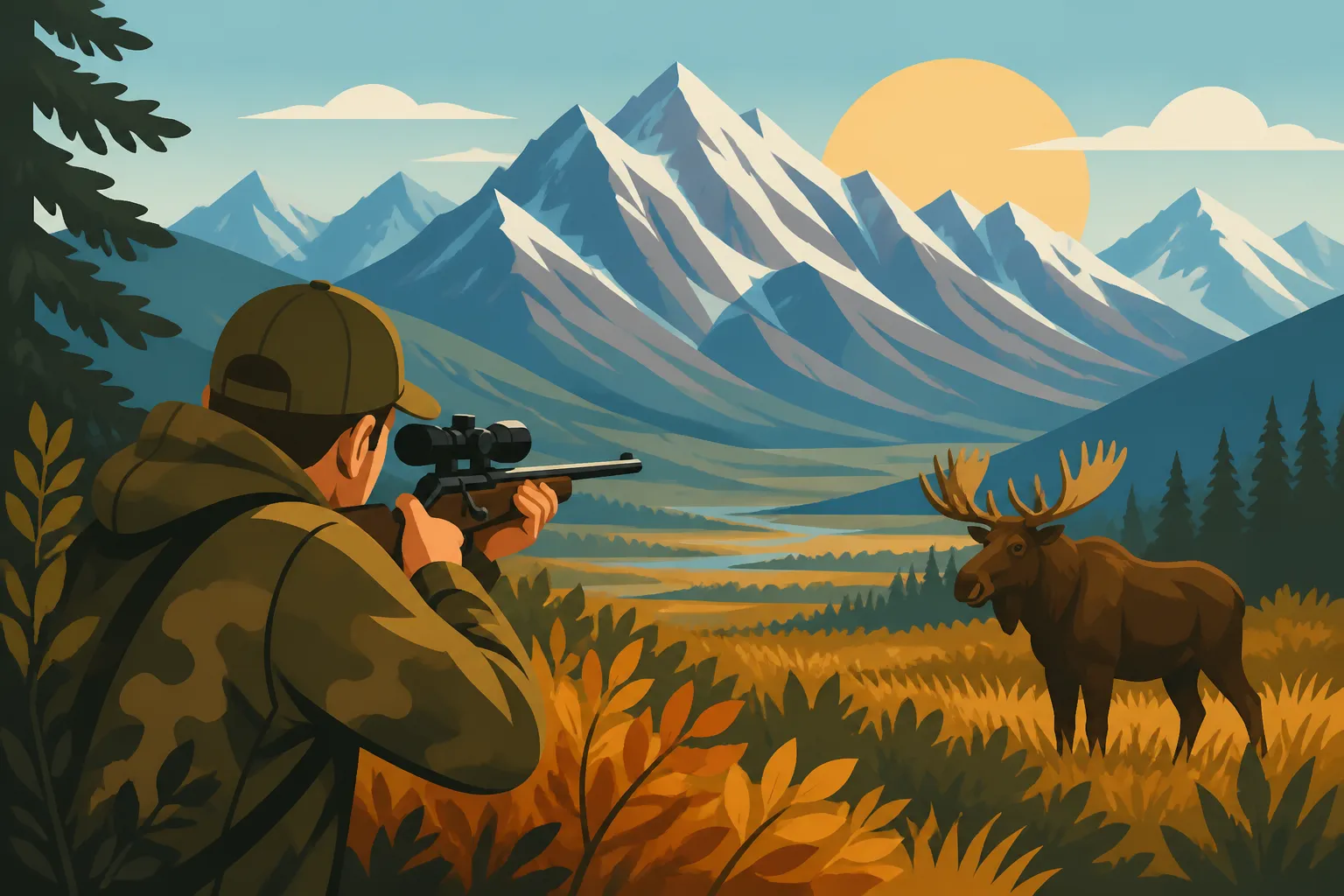
Moose are arguably the most sought-after big game animal in the Mat-Su Valley. These majestic creatures thrive in the mix of willow thickets, regenerating burns, and swampy lowlands that characterize much of the region. Hunting moose near Palmer often involves a different strategy than chasing them in vast, unpressured wilderness. You'll likely be dealing with moose that are more accustomed to human presence, and you'll certainly be sharing the woods with other hunters.
Many areas around Palmer, particularly in GMU 14A and 14B, have antler restrictions. This isn't just a suggestion; it's a legal requirement that demands careful field judging. You might be looking for a bull with a minimum 50-inch spread, or at least three brow tines on one side, or perhaps spike-fork antlers. These rules are in place to manage moose populations effectively, but they add a layer of complexity to the hunt. Mistaking a sublegal bull for a legal one can lead to a citation and the loss of your animal. Practice judging moose before you go, either with photos or by observing bulls in non-hunting areas. Understanding Alaska Moose Antler Restriction Areas is vital for a legal hunt in this region. Look for areas with a good mix of feed and cover, such as the edge of willow flats next to denser spruce forests, where bulls might be looking for refuge. Willow Flats Versus Spruce for Bull Moose offers excellent insights into preferred habitats.
Black Bear: Spring and Fall Opportunities
Black bears are common throughout the Mat-Su Valley and offer both spring and fall hunting opportunities. They are highly adaptable and can be found in a variety of habitats, from dense timber to open hillsides and berry patches. Spring bear hunting often focuses on south-facing slopes where the snow has melted first, allowing early green-up to attract bears. Spring Bear Over Avalanche Chutes can provide tactical information, even if specific avalanche chutes aren't your primary target around Palmer.
Fall hunting often involves glassing open hillsides for bears feeding on berries or seeking out timbered areas. Baiting for black bear is also a popular and effective method in Alaska, but it comes with a strict set of regulations regarding site registration, bait materials, and distance from roads or trails. If you're considering baiting, make sure you understand all the local rules and secure your bait site legally. Always check the current Alaska Black Bear Seasons and Bag Limits for your specific subunit, as these can vary significantly. Keep in mind that while brown bears (grizzlies) do exist in GMU 14, they are far less common around Palmer, and hunting them has different requirements, including a nonresident guide requirement.
Small Game: Ptarmigan and Grouse
For a more relaxed hunt, or as a way to introduce new hunters to the field, the Mat-Su Valley offers excellent small game opportunities. Spruce grouse, ruffed grouse, and willow ptarmigan are all found here. These birds provide delicious camp meat and a fun challenge. Grouse are often found along old logging roads, trails, and timber edges, while ptarmigan prefer the higher, open alpine tundra.
Small game hunting doesn't require the same intense physical exertion or specialized gear as big game, making it accessible for many. A simple shotgun or a .22 rifle can suffice. It's a great way to scout new areas, get some fresh air, and put some meat in the pot. Remember that even for small game, you need a valid Alaska hunting license. Waterfowl and Ptarmigan as Camp Meat delves deeper into the practicalities of harvesting these birds.
Navigating the Landscape: Access Points and Regulations
Hunting in the Mat-Su Valley means you'll be dealing with more human infrastructure and a higher density of people than in truly remote Alaska. This requires extra diligence in understanding access, safety, and local rules.
Road System Access and Hunter Pressure
The Glenn Highway and the Parks Highway are your main arteries into and through the Mat-Su Valley. Numerous side roads, often gravel or dirt, branch off these main routes, leading to trailheads, public lands, and potential hunting grounds. While convenient, this road system access also means higher hunter pressure. Don't expect to be the only one in the woods, especially during prime seasons like the moose rut.
Finding solitude often requires walking further from the road, utilizing an ATV on designated trails, or even floating smaller rivers if you're equipped for it. Road-System Hunting in Alaska Off the Glenn and Richardson provides a broader context for how to approach these types of hunts. Parking areas can fill up quickly, and you might encounter other vehicles, campers, and even hikers or dog walkers. Being courteous and aware of others is crucial. Always park responsibly and avoid blocking access points or private driveways.
Controlled Use Areas and Buffer Zones
The Mat-Su Valley has several "Controlled Use Areas" (CUAs) and buffer zones, often put in place to manage hunter access, reduce conflicts, or protect specific wildlife populations. For example, some areas might restrict the use of motorized vehicles, including ATVs, during certain seasons, or within a specific distance of roads. There might also be firearms restrictions in effect near certain populated areas or along highway corridors.
These regulations are designed to enhance safety and provide a quality hunting experience, but they demand careful attention. Ignoring them, even unintentionally, can lead to fines and loss of privileges. Always consult the Alaska Department of Fish and Game (ADF&G) regulations for the specific GMU and subunit you plan to hunt. A perfect example of this is the area along the Dalton Highway, which has its own strict rules about where and how you can hunt. While the Dalton is far north of Palmer, it serves as a good example of how specific road corridor rules can be. Understanding Alaska Controlled Use Areas and What They Restrict is critical for any Alaska hunter, especially those using road systems.
The Importance of Scouting and Map Tools
Effective scouting is paramount when hunting near Palmer. Pre-season trips to identify promising habitats, scout for game sign, and check trail conditions will dramatically increase your chances of success. Since many areas are road-accessible, you can do this relatively easily. Look for fresh tracks, rub lines, and feeding areas. Pay attention to water sources and potential bedding areas.
Modern mapping tools have revolutionized this process. Services like onX Hunt or GoHunt allow you to meticulously plan your approach, mark potential game trails, identify water sources, and, most importantly, confirm land ownership. You can download these maps for offline use, which is essential because cell service is often spotty or nonexistent once you leave the main highway. Using these tools to plan your ingress and egress, pinpoint glassing knobs, and understand the terrain is just as important as knowing your rifle's ballistics. Don't just rely on what looks good from the road; truly dig into the topography and satellite imagery.
Strategies for Success in the Mat-Su
Hunting close to Palmer requires a slightly different mindset and set of tactics than hunting deep in the bush. It's about maximizing opportunities in more accessible, potentially pressured areas, while always prioritizing safety and ethics.
Adapting Tactics to Road-System Hunting
With more hunters accessing the same general areas, simply driving around hoping to spot game is often less effective. Instead, consider these adaptations:
- Still Hunting: This involves moving slowly and deliberately through the woods, stopping frequently to scan and listen. It's a quiet, patient approach that allows you to cover ground effectively without making a lot of noise. Focus on areas where game might seek refuge from direct road pressure, like thicker timber blocks or secluded drainages a short distance from major trails.
- Calling: For moose, calling can be incredibly effective, especially during the peak of the rut in late September and early October. Even in pressured areas, a well-executed cow call or rake can sometimes pull a curious bull out of cover. Be mindful of other hunters, however, as calling can attract more than just moose. Calling Bull Moose During the Alaska Rut offers excellent strategies.
- Early Bird Gets the Worm: Get out before first light. Game animals, especially big game, are often most active during dawn and dusk. Being in your spot and settled before the sun rises gives you a significant advantage, often allowing you to encounter animals before they've been disturbed by other human activity.
- Utilize Terrain: Don't be afraid to put some distance between yourself and the road. Even a mile or two can put you into less pressured country. Look for natural funnels, benches, or saddles that might concentrate game movement.
Essential Gear for Valley Hunts
While you might not be packing for a multi-week backpack hunt, being properly equipped for Mat-Su hunting is crucial. The weather can change in an instant, and you'll still need to be self-sufficient.
- Layered Clothing: Alaska weather is notoriously unpredictable. Pack layers that allow you to adapt to changing temperatures, from chilly mornings to warm afternoons, and sudden rain showers. A good waterproof outer shell is non-negotiable.
- Quality Boots: You'll be doing a lot of walking, potentially through mud, muskeg, and uneven terrain. Waterproof, comfortable, and supportive boots are a must.
- Navigation Tools: As mentioned, a GPS unit with pre-loaded maps or a smartphone with an offline mapping app like onX Hunt is essential. Don't forget a compass and paper map as a backup.
- Game Bags: If you're successful, you'll need to protect your meat. Breathable, durable game bags are critical, especially if you plan to pack out quarters. Meat Care in 50-Degree September Weather is a good article to review, as early fall can still be warm in the valley.
- Bear Protection: Even close to towns, you're in bear country. Carry bear spray, know how to use it, and consider carrying a firearm suitable for bear defense, especially when working a kill site. Bear Safety While Butchering a Kill in Alaska highlights important precautions.
- First-Aid Kit: Always carry a well-stocked first-aid kit for minor injuries.
- Communication Device: A satellite messenger like an InReach or Zoleo can be a lifesaver, especially if you venture off main roads into areas without cell service. Signal Devices and Check-In Plans for Solo Alaska Hunts emphasizes the importance of these tools.
Respecting Property and Fellow Hunters
This cannot be stressed enough when hunting the Mat-Su Valley. Because you're often hunting in close proximity to private land, homes, and other recreational users, upholding ethical standards is more important than ever.
- Know Your Boundaries: Always know exactly where public land ends and private property begins. If there's any doubt, don't cross the line. Seek permission from landowners if you want to hunt private ground; you might be surprised at the positive responses you get.
- Leave No Trace: Pack out everything you pack in. This includes spent shell casings, food wrappers, and any other trash. Preserve the natural beauty of the area for others.
- Safety First: Be acutely aware of your surroundings, especially your backstop, when shooting. Never shoot towards roads, homes, or other hunters. Hunter Orange is highly recommended, and in some areas, legally required, during big game seasons.
- Be Courteous: Share the land. If you encounter another hunter, give them space. A friendly nod or wave goes a long way. The Mat-Su Valley is for everyone, and mutual respect ensures that hunting opportunities remain available for years to come. Remember your Alaska Hunter Education Card Requirements and keep safe hunting practices at the forefront.
Hunting the Matanuska Valley near Palmer offers a convenient and rewarding experience for those who are willing to do their homework and adapt their approach. By understanding the land, focusing on accessible species, navigating regulations, and embracing ethical hunting practices, you can enjoy fantastic hunts just a stone's throw from home.
Disclaimer
This article is for general informational purposes only and does not constitute professional advice. Laws, prices and regulations vary by location and change over time. Consult a qualified professional for guidance on your specific situation.