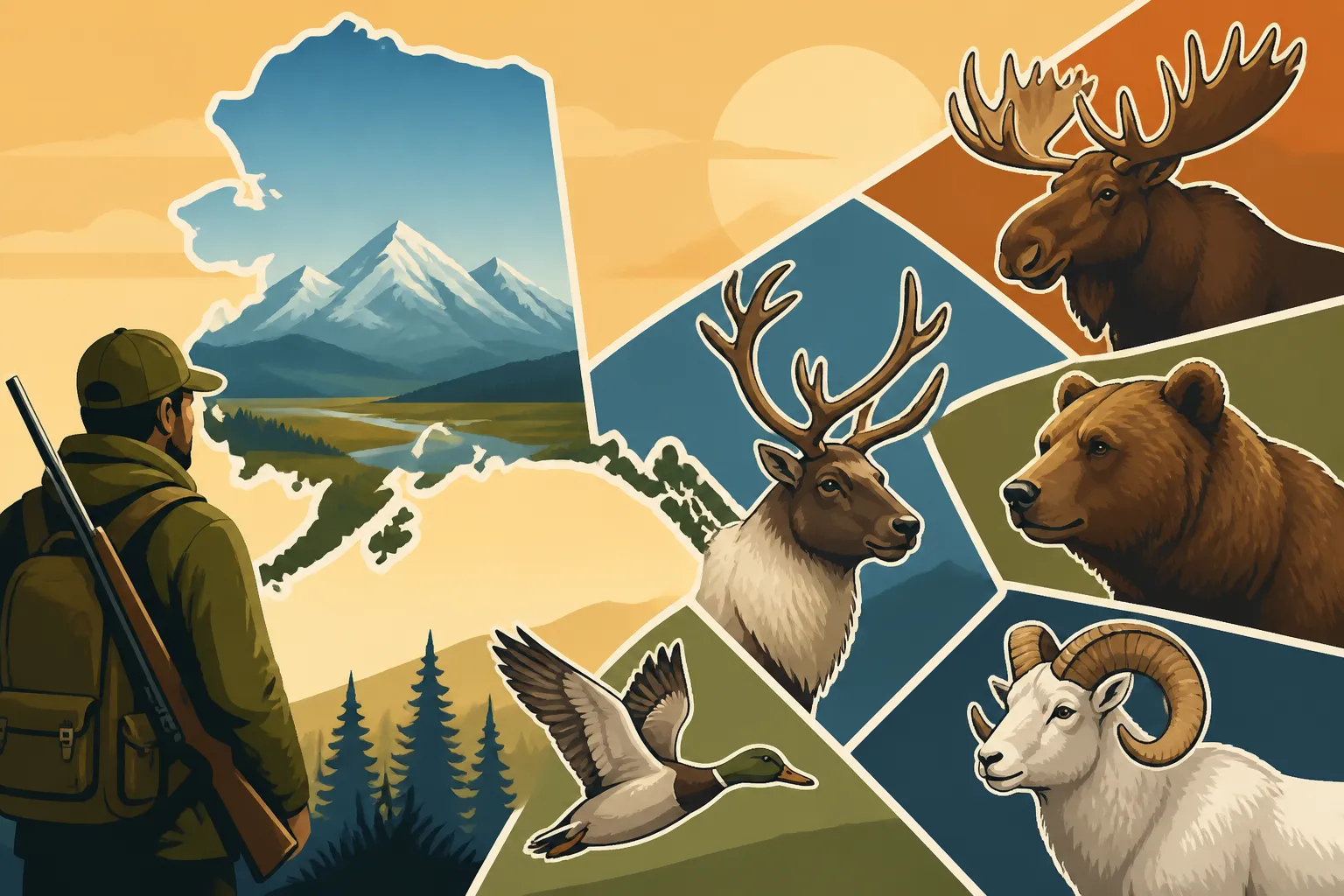
What You Can Hunt on Tetlin Refuge
The allure of hunting in Alaska is undeniable, a call to wild places that few other states can match. But let's be honest, navigating the patchwork of land designations—state, federal, Native corporation, and private—can feel like a full-time job. It's enough to make you throw your hands up, especially when you start looking at a federal area like a National Wildlife Refuge. This guide will cut through the confusion and explain exactly what you can hunt on Tetlin National Wildlife Refuge and how to plan a successful, legal, and truly Alaskan adventure there.
Understanding Tetlin National Wildlife Refuge
The very name "refuge" can sometimes mislead hunters, making them think it's off-limits. But in Alaska, many of these federal lands are actually prime hunting grounds, provided you understand the specific rules. Tetlin is a fantastic example of a place that offers incredible opportunities if you do your homework.
Location and Landscape
Tetlin National Wildlife Refuge sprawls across a significant portion of Interior Alaska, hugging the Canadian border just south of the Yukon-Charley Rivers National Preserve. Think vast expanses of boreal forest, interwoven with countless lakes, meandering rivers, and wetlands that stretch as far as the eye can see. This isn't your typical alpine sheep country; it's a lowland, water-rich environment that creates a mosaic of habitats crucial for a wide array of wildlife. The mighty Tanana River borders much of the refuge to the south, acting as a major corridor for both wildlife and human access.
Getting there usually means driving the Alaska Highway, a legendary route in itself. The refuge headquarters is near Tok, making it one of the more accessible large federal land units in Alaska, at least by road. However, don't let the highway access fool you into thinking it's easy country. Venture just a few miles from the road system, and you'll quickly find yourself in truly remote, untamed wilderness where self-sufficiency isn't just a good idea—it's absolutely essential. The landscape can be dense with spruce and willow, interspersed with open muskeg, making travel challenging whether on foot or by boat.
Purpose of the Refuge and General Rules
Like all National Wildlife Refuges, Tetlin operates under a dual mandate: to conserve fish, wildlife, and plant resources, and to provide opportunities for public use, including hunting, fishing, and wildlife observation, when compatible with conservation goals. This means that hunting is a legitimate and often encouraged activity within the refuge, but it’s always balanced against the needs of the wildlife populations it protects.
What often confuses hunters is that refuge regulations don't replace state regulations; they layer on top of them. You'll still need your standard Alaska hunting license, species-specific locking tags, and harvest tickets as required by the Alaska Department of Fish and Game (ADF&G). But then, the refuge might have its own set of rules regarding methods of take, specific hunt units, access restrictions (like prohibiting ATVs or certain motorized boats in designated areas), or even reporting requirements unique to the refuge. It’s critical to understand that just because something is legal under state law doesn't automatically mean it's legal on the refuge. Always check both the state regulations for the Game Management Unit (GMU) that Tetlin falls within (primarily GMU 12) and the specific Tetlin National Wildlife Refuge hunting regulations, often found on the refuge's official website or by contacting their office directly. It's a bit of a bureaucratic puzzle, but figuring it out is part of being a responsible Alaskan hunter.
Species You Can Pursue on Tetlin
Tetlin's diverse landscape means a diverse range of hunting opportunities. From towering big game to smaller birds, there's a lot to consider if you're planning a hunt in this unique corner of Alaska.
Big Game Opportunities
The big game hunting on Tetlin is primarily focused on a few key species that thrive in its interior lowland habitat.
Moose
Tetlin is classic moose country. The extensive wetlands, willow flats, and spruce forests provide ideal habitat for Alaska Moose: Where the Biggest Bulls Live. While the trophy potential might not consistently match some of the renowned units closer to the road system, Tetlin offers a robust population and excellent opportunities for resident and nonresident hunters alike. Moose seasons typically run in late summer and fall, coinciding with the rut, making for exciting calling opportunities. Hunters often access areas along the Tanana River by boat, or penetrate deeper into the refuge from the Alaska Highway by foot or packraft. You'll need to be prepared for potentially thick cover and wet conditions, which can make packing out a bull a real challenge. Think long days, heavy loads, and plenty of patience. Knowing how to quarter a bull alone in the field is a crucial skill here, as help is rarely just around the corner.
Caribou
While Tetlin isn't primarily known as a caribou hunting destination, migratory herds, particularly the Fortymile herd, do occasionally pass through parts of the refuge. Caribou Herds of Alaska and How They Move across vast ranges, and their presence on Tetlin is often seasonal and dependent on herd movements. This isn't a guaranteed hunt, but if you're keeping an eye on herd movements and news from ADF&G, you might catch them during a migration. These hunts are opportunistic and require a lot of flexibility and the ability to cover ground quickly if a herd shows up. Hunters pursuing caribou here often combine it with a moose hunt, keeping an eye out for both species.
Black Bear
Black bears are abundant throughout Tetlin National Wildlife Refuge. These intelligent omnivores thrive in the varied forest and wetland environments, feeding on berries, roots, and whatever else they can forage. Alaska Black Bears in Spring and Fall can be hunted in both spring and fall, offering opportunities when other big game seasons might be closed. While baiting for black bear is a popular method in some parts of Alaska, it is generally not permitted on National Wildlife Refuges. This means spot-and-stalk or still hunting are your primary methods. Look for them in early spring on south-facing slopes as they emerge from dens, or in the fall, gorging on berry patches before winter. Always be vigilant for bears, especially when handling meat. Bear Safety While Butchering a Kill in Alaska is not just a suggestion, it's a necessity in these areas.
Wolf and Wolverine
For those looking for a true wilderness challenge, Tetlin can offer opportunities for predators like wolves and wolverine. Wolves and Wolverine as Alaska Game Animals are notoriously elusive and require a significant amount of skill and luck. Wolf seasons are typically long, often running through much of the fall and winter, and success usually comes from covering vast amounts of ground or calling. Wolverine are even harder to come by, often a lucky encounter rather than a planned pursuit. These hunts require specialized knowledge and extreme patience, but a successful harvest is among the most rewarding in Alaska.
Small Game and Waterfowl
Beyond the big game, Tetlin offers excellent small game and waterfowl hunting, which can be fantastic additions to a larger trip or primary targets in their own right.
Ptarmigan
The open areas, sparse timber, and tundra-like patches within Tetlin are ideal habitat for ptarmigan. These hardy birds, including willow, rock, and white-tailed varieties, are often overlooked but provide excellent camp meat and a fun hunting challenge. Ptarmigan Species Found in Alaska change their plumage with the seasons, making them incredibly camouflaged. They're often found in family groups, and flushing a covey can provide some fast-paced action. A dedicated small game license or your big game license covers them, and they are a delicious addition to any wilderness meal, especially on a longer hunt where fresh meat is a morale booster.
Waterfowl
Given Tetlin's extensive wetlands, lakes, and river systems, it's no surprise that it's a prime destination for waterfowl hunting. The refuge is a vital migratory bird stopover and breeding ground. You'll find a variety of ducks and geese, especially during the fall migration. Early season hunts can be very productive, with birds moving into staging areas. Hunters often use small boats or canoes to access remote sloughs and potholes. Be sure to check federal and state regulations for waterfowl, including bag limits, season dates, and any specific requirements like federal duck stamps. Accessing productive waterfowl spots often means getting away from the main river channels and finding those tucked-away ponds and marshes.
Navigating Regulations and Access
Hunting Tetlin isn't just about knowing what animals are there; it's about understanding the complex tapestry of rules and how to actually get to where the animals are.
State vs. Federal Regulations and Permits
This is where many hunters get tripped up. As mentioned, you're operating under two sets of rules. First, you have the Alaska Department of Fish and Game (ADF&G) regulations for Game Management Unit 12. This covers your hunting license, locking tags for species like moose and bear, Alaska Harvest Tickets, Registration Permits and Draw Permits for caribou (if applicable and the season is open), and general season dates and bag limits.
Then, you have the Tetlin National Wildlife Refuge-specific regulations. These are typically published annually and can be found on the U.S. Fish and Wildlife Service website or by calling the refuge office. These regulations might detail specific areas closed to hunting, restrictions on motorized vehicles, special reporting requirements, or additional permits for certain activities. For example, some refuges might restrict certain weapon types or establish buffer zones near public use facilities. It's rare for Tetlin to require a special hunting permit on top of state licenses, but it's crucial to verify every single year.
This is where digital tools really shine. Many hunters find apps like onX Hunt invaluable. You can download offline maps of the area and see the land ownership clearly marked, distinguishing between state land, federal refuge land, Native corporation land, and even private parcels. This can save you a ton of headaches, preventing accidental trespass or hunting in an area with different rules. It's like having a local guide in your pocket, showing you exactly where those invisible lines lie.
Access Challenges and Considerations
While parts of Tetlin are accessible by the Alaska Highway, getting into the hunting country can still be a challenge.
Road Access
The Alaska Highway runs right through the southern portion of the refuge, offering perhaps the easiest access point. You can pull off at various points and hike in, but remember, the further you get from the road, the harder the country becomes. Expect thick brush, muskeg, and limited visibility. Some old trails might exist, but don't count on them being well-maintained or leading exactly where you want to go.
River Access
The Tanana River forms a significant boundary and access corridor. Hunters often launch boats (jet boats are popular here due to shallow, braided channels) and navigate up tributaries or sloughs that flow into the Tanana. This allows for deeper penetration into the refuge by water. Floating smaller rivers within the refuge by raft or canoe is also an option, providing a unique way to cover ground. However, you'll need to be proficient in river navigation and prepared for potential log jams and shallow water. Choosing a float hunt river by water level and length is critical to success and safety.
Aircraft Access
Like many remote areas in Alaska, aircraft can be a game-changer for accessing Tetlin. However, some areas within the refuge might be designated as Controlled Use Areas (CUAs), which restrict the use of aircraft for hunting purposes during certain seasons. This typically means you can fly into the area and land, but you cannot hunt on the same day you've been airborne. Alaska's Same-Day-Airborne Rule and What It Bans is a major regulation to understand in Alaska, and CUAs often amplify these restrictions. Always clarify specific aircraft restrictions with the refuge office. Air taxis can drop you off on suitable gravel bars or lakes, but be prepared for the realities of bush flying, including weight limits and weather delays.
Camping and Gear
Camping on Tetlin generally falls under standard federal land regulations. You can typically camp freely, but always practice Leave No Trace principles. Leaving Gear Cached on Public Land can be a convenient strategy, but you'll need to know the regulations. Some refuges have specific rules about how long gear can be left unattended or if "permanent" camps are allowed. These rules are put in place to prevent abandonment and to ensure equitable use of public resources. Also, remember that you're in bear country, so proper food storage and bear safety protocols are paramount.
Important Regulations and Restrictions
Beyond the general state and federal rules, a few specific considerations often come up for Tetlin:
- Motorized Vehicle Use: Refuges often have specific restrictions on ATVs, UTVs, or even electric bicycles off designated trails. Always check the refuge's public use regulations to understand where and when you can use motorized transport.
- Baiting: As a general rule, baiting for bears (or any other animal) is usually prohibited on National Wildlife Refuges. This is a common point of confusion for hunters accustomed to baiting black bears in other areas of Alaska.
- Antler Restrictions: GMU 12, where Tetlin sits, can have antler restrictions for moose. These might specify a minimum spread, a certain number of brow tines, or spike-fork only. You need to know these rules intimately and be able to field judge a bull accurately. Alaska Moose Antler Restriction Areas are common, and misunderstandings can lead to citations.
- Harvest Reporting: In addition to state harvest reports, some refuges might have their own voluntary or mandatory reporting requirements to help them manage local populations. It's a small task that contributes to the larger conservation effort.
- Closed Areas: Even within a refuge, certain areas might be temporarily or permanently closed to hunting for wildlife management, safety, or administrative purposes. Always consult current maps and regulations to avoid accidentally hunting in a closed area.
- Commercial Use: If you plan on guiding or charging for services within the refuge, specific commercial use permits are almost always required.
A helpful resource for researching state and federal regulations, and even scouting out potential hunting areas, is a service like GoHunt. They provide detailed information that can assist in planning your hunt, including harvest data and regulatory summaries for various units.
| Species | Typical Season Timing | Primary Access Method | General Hunting Method | Special Considerations |
|---|---|---|---|---|
| Moose | Late Summer/Fall | River (boat), Hiking | Spot-and-stalk, Calling | Thick cover, wet terrain, packing out meat, antler rules |
| Caribou | Fall (migration) | River (boat), Hiking | Spot-and-stalk | Opportunistic, herd movements, highly mobile |
| Black Bear | Spring/Fall | Road (hike in), River | Spot-and-stalk, Still hunt | No baiting allowed, bear safety, identifying legal bears |
| Wolf | Fall/Winter | Hiking, Snowmobile (winter) | Calling, Trapping (check rules) | Highly elusive, wide range, requires patience |
| Wolverine | Fall/Winter | Hiking, Snowmobile (winter) | Opportunistic | Extremely rare, often incidental |
| Ptarmigan | Fall | Hiking | Walk-up, opportunistic | Excellent camp meat, small game license required |
| Waterfowl | Fall | Boat, Hiking | Pass shooting, decoying | Federal/state stamps, specific bag limits, wetland access |
Planning Your Tetlin Hunt
A successful hunt on Tetlin National Wildlife Refuge requires meticulous planning and a realistic understanding of the environment you'll be entering. This isn't a casual roadside hunt, even if the road is nearby.
Essential Gear and Preparation
Alaska's Interior can be incredibly diverse in weather and terrain. For any hunt on Tetlin, whether it's for a moose or ptarmigan, you need to be prepared for the unexpected. Your gear list should reflect the remote and potentially wet conditions.
Backpacking Gear
If you plan to venture off the road or river, reliable backpacking gear is non-negotiable. This means a sturdy pack capable of hauling heavy loads—because if you get a moose, you'll be packing out hundreds of pounds of meat. Backpack Hunting in Alaska: Gear Weight and Meat Loads is a topic to obsess over, as every ounce counts. Good quality rain gear is essential; it's not a matter of if it rains, but when. Invest in waterproof boots, durable layers, and a reliable tent that can withstand strong winds and heavy precipitation. A good sleep system is also crucial for recovering from long days in the field.
Meat Care
Given the Interior's varying temperatures, especially in September, proper meat care is paramount. Meat Care in 50-Degree September Weather requires careful planning. You'll need plenty of breathable game bags, a way to cool the meat quickly, and a strategy for hanging it out of reach of bears and other scavengers. A kill in thick cover far from a trail can quickly become a race against time, flies, and predators. Don't underestimate the effort and gear needed to protect your hard-earned harvest.
Bear Safety
You are in bear country, primarily black bears, but grizzlies can certainly pass through. Carrying a sidearm for close-range defense or having bear spray readily accessible is crucial. More importantly, understanding bear behavior and taking preventative measures—like making noise while traveling and properly storing food away from camp—will go a long way. Bear Safety While Butchering a Kill in Alaska isn't just about carrying protection; it's about situational awareness and having a plan.
Navigation Tools
Cell service in Tetlin is virtually nonexistent once you leave the main highway. Reliable navigation is critical. A robust GPS unit with preloaded topo maps is a must-have, along with a compass and physical maps as a backup. Knowing how to use them proficiently could save your life. Downloading offline maps to your phone (using apps like onX Hunt) is also highly recommended. Alpine Navigation Without Cell Service emphasizes the importance of these tools, even though Tetlin isn't strictly alpine. The vast, monotonous wetlands and timber can be just as disorienting in low light or fog. A satellite communication device, like an inReach, is also a wise investment for check-ins and emergencies.
Timing Your Hunt
The timing of your Tetlin hunt will largely depend on the species you're pursuing.
- Moose: The peak of the moose rut in September is a popular time, offering exciting opportunities for calling. Earlier in September, bulls are still in velvet and less responsive to calls but can be found by spotting. Later in the season, after the rut, bulls might be harder to locate as they disperse.
- Caribou: If you're hoping for caribou, you'll need to monitor herd movements closely, often in late summer or fall. This requires flexibility and readiness to respond to reports.
- Black Bear: Spring bear season (May-June) can be productive as bears emerge and graze on green-up. Fall bear hunting (August-October) coincides with berry crops and often with other big game seasons.
- Waterfowl and Small Game: Fall is generally the best time for waterfowl as birds migrate through, and ptarmigan are present throughout the fall.
Interior Alaska weather can be unpredictable. Early fall can bring warm, sunny days, but it can just as easily drop below freezing and deliver snow or persistent rain. Plan for all contingencies.
Local Resources and Information
Before heading out, always tap into the best local knowledge:
- Tetlin National Wildlife Refuge Office: Contacting the refuge headquarters directly in Tok is your best bet for the most current and accurate refuge-specific regulations, access points, and conditions. Their staff are a treasure trove of information.
- Alaska Department of Fish and Game (ADF&G): Check the Fairbanks or Tok area ADF&G offices for state regulations, harvest data for GMU 12, and any emergency orders that might affect seasons or bag limits. Their website is also a primary source for this information.
- Local Businesses: Outfitters, air taxis, and general stores in Tok or nearby communities can offer valuable insights into current conditions, what gear is working, and even local wildlife patterns. They live and work there, so they know the ground truth.
Hunting on Tetlin National Wildlife Refuge offers a truly wild Alaska experience. It demands respect for the land, meticulous planning, and a deep understanding of its unique regulations. With proper preparation, you can unlock incredible hunting opportunities in this expansive and vital landscape.
Disclaimer
This article is for general informational purposes only and does not constitute professional advice. Laws, prices and regulations vary by location and change over time. Consult a qualified professional for guidance on your specific situation.