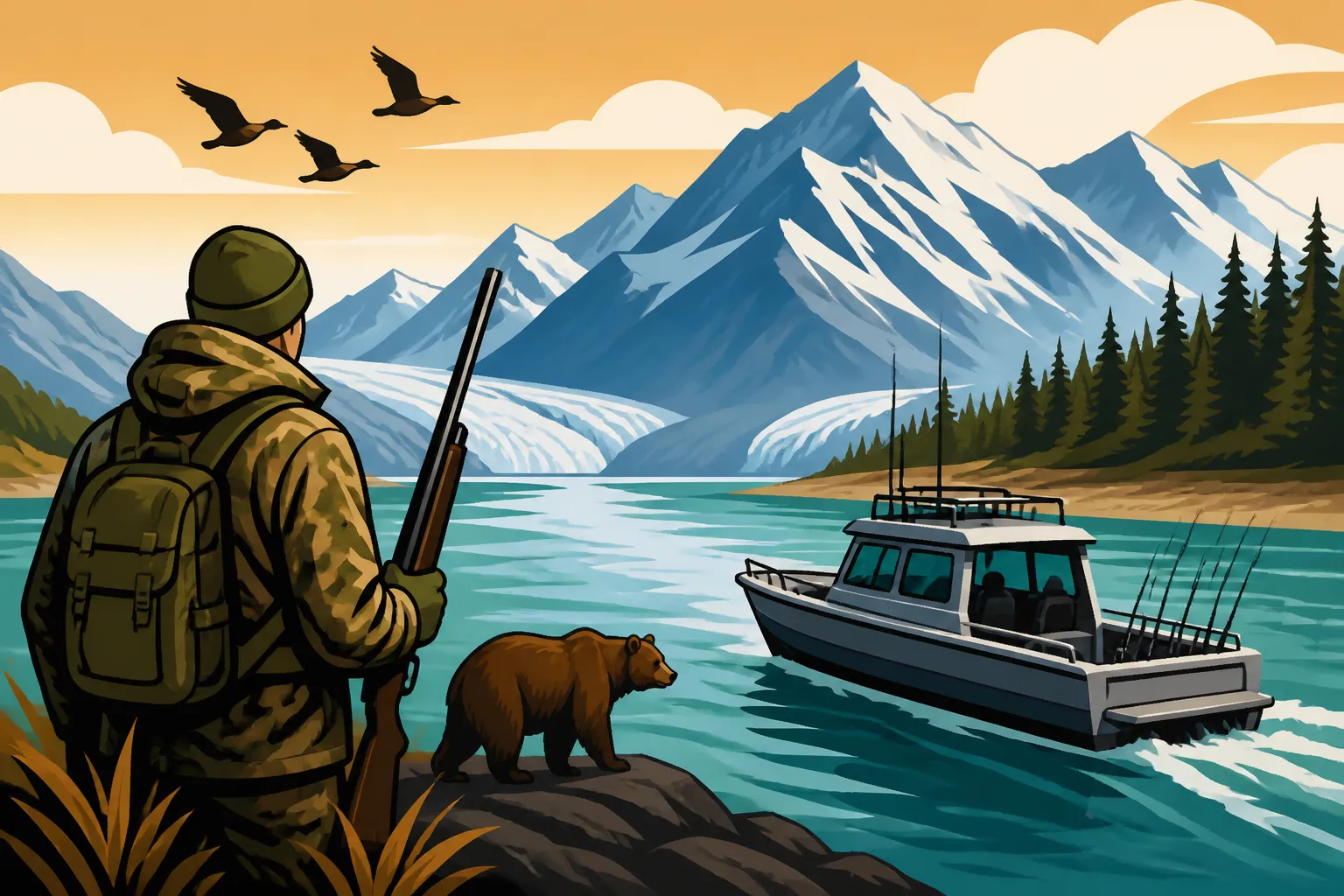
Copper River Access and Charter Boats
The sheer scale of Alaska's wild places can feel overwhelming, especially when you're dreaming of a hunt in an area as vast and rugged as the Copper River drainage. Many hunters, particularly those coming from out of state or new to the region, quickly realize that simply getting to prime hunting grounds is half the battle. This guide will walk you through the unique challenges and incredible opportunities the Copper River offers, focusing specifically on how charter boats can be your key to unlocking its remote hunting potential.
Understanding the Copper River's Unique Challenges for Hunters
The Copper River isn't just a river; it's a monumental force of nature that shapes an enormous watershed, encompassing diverse landscapes from coastal rainforest fringes to high alpine tundra and vast interior forests. For hunters, this translates into both incredible opportunity and significant logistical hurdles. It's not a place you just show up to with a pickup truck and expect to find easy access.
The Scale and Wildness of the Copper River Drainage
Imagine a river so powerful it literally pushes icebergs out into the Gulf of Alaska. That's the Copper. Its drainage is immense, sprawling across a significant portion of Southcentral Alaska, bordering Wrangell-St. Elias National Park and Preserve. This vastness means incredible opportunities for moose, caribou, bears, and even mountain goats in the higher reaches, but it also means very limited road access. Beyond the few main highways that cross its periphery, the region quickly becomes a roadless wilderness. This scale isn't just about distance; it's about the sheer absence of infrastructure, making self-sufficient, remote operations the norm. You're not just hunting; you're embarking on an expedition into one of North America's last true wild frontiers. Planning for such a trip requires careful consideration of what resources are available and how to bridge the gap between civilization and the remote hunting grounds.
Navigating Water Levels and River Conditions
The Copper River is a dynamic system, heavily influenced by glacial melt and seasonal rainfall. This means its water levels can fluctuate dramatically, sometimes within hours, posing a significant challenge for anyone attempting to navigate its waters. What might be a navigable channel one day could be a shallow gravel bar the next. Hunters often underestimate the power and unpredictability of these large glacial rivers. Sandbars constantly shift, new log jams appear, and the sheer volume of water can create dangerous currents and rapids. These conditions directly impact the type of boat that can be used, the feasibility of certain routes, and, most importantly, the safety of your hunting party. Choosing a landing spot for a drop-off needs to consider not just the current conditions, but also what the water might look like a week later for your pick-up. Choosing a Float Hunt River by Water Level and Length is paramount here, as picking the wrong section or time of year can strand you.
Regulatory Maze: State, Federal, and Native Corporation Lands
One of the biggest headaches for any hunter in Alaska, and especially in a sprawling area like the Copper River basin, is understanding land ownership. The region is a patchwork of state lands, federal lands (including national parks and preserves, national forests, and wildlife refuges), and extensive Native Corporation lands. Each land manager has its own set of rules and regulations regarding access, camping, and hunting. What might be legal on state land could be prohibited on federal land, and Native Corporation lands almost always require a permit or fee for access, even if you're just transiting. Ignoring these boundaries isn't just bad etiquette; it can lead to fines, confiscation of game, or even criminal charges. Before you even think about a charter boat, you absolutely must spend time researching land status. Tools like onX Hunt are invaluable for overlaying land ownership maps directly onto your GPS device, giving you real-time information in the field. This also ties into knowing your Alaska Game Management Units and How They Are Numbered and understanding how different regulations apply within those units.
How Charter Boats Solve Access Problems on the Copper River
Given the Copper River's vastness and challenging terrain, simply driving to your hunting spot is often impossible. This is where charter boats become an indispensable tool, acting as the vehicular backbone for hunters seeking to access the river's rich hunting grounds. They bridge the gap between accessible road systems and the deep wilderness, transforming logistical nightmares into achievable adventures.
Types of Charter Boats and Their Capabilities
When you're talking about charter boats on the Copper River, you're primarily looking at sturdy, powerful vessels designed for river conditions. The most common are jet boats, renowned for their ability to operate in extremely shallow water, thanks to their propulsion system that draws water from beneath the hull and expels it through a nozzle, rather than using a propeller. This design allows them to skim over gravel bars and navigate braided channels that would ground conventional propeller-driven boats. Larger jet boats can carry substantial loads of gear, multiple hunters, and, crucially, a fully quartered moose or several caribou.
| Boat Type | Typical Capacity (Hunters + Gear) | Ideal River Conditions | Key Advantages | Limitations |
|---|---|---|---|---|
| Small Jet Boat | 2-3 hunters, moderate gear | Moderate to shallow, less turbulent | Highly maneuverable, good for scouting | Limited load capacity, less stable in heavy chop |
| Large Jet Boat | 4-6 hunters, heavy gear, game | Shallow to deep, can handle some chop | High load capacity, faster travel, robust | Less maneuverable in tight spots, higher cost |
| Propeller Outboard (select areas) | 2-4 hunters, moderate gear | Deeper, calmer channels, slower current | More fuel efficient, quieter | Requires deeper water, propeller vulnerable |
Each boat type has its pros and cons, and your choice will often depend on the size of your hunting party, the amount of gear you're bringing, and the specific section of the river you plan to hunt. A discussion with your chosen charter operator about your objectives and gear list will help determine the best fit.
What a Charter Service Can Legally Provide
It's crucial to understand the distinction between a charter boat operator acting as a transporter and a licensed hunting guide. In Alaska, these roles are strictly defined by law. A charter boat operator, functioning as a transporter, can deliver you and your gear to a pre-arranged drop-off point, pick you up at a specified time and location, and even assist in packing out game from the river's edge after you have completed the kill and initial field dressing yourself. They can offer advice on general areas but cannot actively assist you in the pursuit, taking, or killing of game. They cannot provide hunting expertise in the field, track game, or interpret game signs for you. This distinction is paramount for non-resident hunters, as certain species like brown bear, Dall sheep, and mountain goat require a Hiring an Alaska Registered Guide-Outfitter for non-residents. For other species, like moose or caribou, a transporter service is perfectly legal and often the most practical solution for accessing remote areas. Be sure to clarify what services are explicitly included in your charter contract to avoid any misunderstandings or legal issues in the field. For more detail on what these services entail, consult Alaska Transporters and What They Legally Provide.
Planning Your Drop-Off and Pick-Up Logistics
The success of a Copper River hunt often hinges on meticulous logistical planning with your charter service. This isn't like catching a bus; it's a finely choreographed operation that requires clear communication and contingency plans. You'll need to discuss exact drop-off points – typically a large gravel bar or a quiet slough – considering factors like cover, access to potential hunting grounds, and suitability for a comfortable camp. The pick-up location and time are equally vital. Weather in Alaska is notoriously unpredictable, and what starts as a sunny day can quickly turn into a torrential downpour or a dense fog, making river travel hazardous or impossible. Therefore, building in extra "weather days" to your schedule is not a luxury, it's a necessity. Your charter operator should have clear protocols for communication during your hunt (often via satellite phone or an InReach device) and for handling delays. This ensures that if you're delayed by weather, a successful hunt, or an unexpected mechanical issue, they know to check in on you and reschedule your pick-up safely. Having a flexible attitude and realistic expectations about timelines is key. Remember, you're on Alaska time, which often means waiting for conditions to be right. A clear agreement with your pilot about Setting a Take-Out Date With Your Pilot is critical.
Essential Planning for a Copper River Boat Hunt
Successfully executing a Copper River hunting trip via charter boat requires significantly more forethought than a road-accessible hunt. You are essentially creating a self-sufficient expedition in a remote, dynamic environment. Every detail, from understanding regulations to packing the right gear and having robust safety plans, needs to be considered.
Researching Permitted Land Status and Hunting Zones
As mentioned earlier, the land status along the Copper River is a mosaic. Before you even contact a charter, you need to have a clear understanding of where you intend to hunt. This involves consulting Alaska Department of Fish and Game (ADF&G) regulations for the specific Game Management Unit (GMU) you're interested in, identifying potential hunting areas, and then cross-referencing those areas with detailed land ownership maps. This is where modern mapping applications become indispensable. I highly recommend using a resource like onX Hunt. You can download detailed maps for offline use, showing property boundaries, GMU lines, and even private land tracts, right on your phone or GPS device. This allows you to identify areas open to public hunting and avoid accidental trespass on Native Corporation lands or private property, which often require separate permits. Similarly, GoHunt provides excellent resources for researching different units, understanding draw odds for specific permits, and general hunting information that can help you narrow down your target area and species. Beyond land status, pay close attention to the specific hunt numbers and regulations. Are you looking at a general season hunt, or does your target area require a Alaska Harvest Tickets, Registration Permits and Draw Permits? Some areas, for example, might have antler restrictions for moose or specific bag limits for caribou that you need to be aware of.
Gear Considerations for a River-Based Camp
Hunting from a river-based camp means your gear needs to be robust, waterproof, and designed for efficient transport and setup. Unlike a backpacking hunt where every ounce counts for walking, a boat allows for more comfort and volume, but it doesn't excuse disorganization. Everything you bring will be exposed to the elements during transit and throughout your stay. Investing in quality dry bags for all your personal gear, sleeping bags, and electronics is non-negotiable. Your tent system should be capable of withstanding strong winds and heavy, prolonged rain. A good quality wall tent with a stove, while heavier, can make a multi-day or multi-week hunt exponentially more comfortable and safe in cold, wet conditions.
Consider the following for your gear list:
- Shelter: Robust 4-season tent or wall tent with stove (if permitted).
- Sleeping System: Warm sleeping bag rated for colder than expected temps, insulated sleeping pad.
- Cooking: Durable stove, fuel, pots, utensils, and enough food for your planned stay plus several extra days.
- Navigation: GPS with offline maps (onX Hunt is fantastic for this), backup compass, paper maps. Downloading Offline Maps Before a Fly-In is a must.
- First Aid: Comprehensive kit, including any personal medications.
- Game Care: Heavy-duty game bags (breathable ones are key for Game Bags That Breathe in Coastal Rain), sharp knives, bone saw, rope for hanging meat.
- Water Filtration: Reliable filter or purification tablets.
- Communication: Satellite phone or InReach device for emergency contact and check-ins.
- Clothing: Layered system, high-quality rain gear, waterproof boots suitable for river crossings and boggy terrain.
- Bear Safety: Bear spray and/or a firearm appropriate for large bears.
Don't forget the practicalities of Loading a Bull Moose Into a Raft or charter boat; you'll need tarps and a plan to protect your boat from hide and meat, and ensure everything is properly secured for the ride back.
Safety Protocols and Emergency Preparedness
Safety on the Copper River is paramount. The remoteness means help is often hours, if not days, away. Every hunting party needs a comprehensive safety plan.
First, communication is key. Even with a charter service, you need reliable communication tools. A satellite phone or a two-way satellite messenger like an InReach device is essential for emergencies, daily check-ins with your home contact, and communicating with your charter operator for pick-ups or unexpected changes. Always have a designated emergency contact back home who knows your detailed trip plan, including your route, expected return date, and who to call if they don't hear from you. This is where Signal Devices and Check-In Plans for Solo Alaska Hunts becomes critical, even if you're not hunting alone.
Second, bear awareness is non-negotiable. The Copper River basin is prime habitat for both black bears and large coastal brown bears. Proper food storage (hanging food, using bear-resistant containers), keeping a clean camp, and carrying bear spray and/or a heavy-caliber firearm for defense are absolute requirements. Know how to react to a bear encounter and practice good habits, especially when handling a kill. Bear Safety While Butchering a Kill in Alaska is not just a good idea, it's a survival strategy.
Third, first aid and wilderness survival skills. At least one member of your party should have advanced wilderness first aid training. Everyone should know basic survival skills, including building a fire, setting up emergency shelter, and signaling for help. Always carry enough supplies for several extra days in case of weather delays or unforeseen circumstances. River crossings can be dangerous; know when to cross and when to wait. Hypothermia is a constant threat in Alaska's often wet and cold environment. Be prepared for Camping Limits on Alaska State Land and any restrictions that might be in place for fire or permanent structures.
A successful Copper River charter boat hunt isn't just about bagging an animal; it's about the adventure, the challenge, and the satisfaction of experiencing one of Alaska's truly wild places safely and responsibly.
Disclaimer
This article is for general informational purposes only and does not constitute professional advice. Laws, prices and regulations vary by location and change over time. Consult a qualified professional for guidance on your specific situation.