Renting a Forest Service Cabin on the Tongass
If you've ever dreamed of hunting the lush, rain-soaked landscapes of Southeast Alaska, you've probably also wrestled with the practical nightmare of where to stay. The sheer cost of private lodges can feel prohibitive, and the thought of enduring days of relentless coastal rain in a flimsy tent is enough to make even the most dedicated hunter question their sanity. Thankfully, there's a fantastic, often overlooked solution that blends affordability with crucial shelter: the public use cabins managed by the U.S. Forest Service on the Tongass National Forest. This guide will walk you through everything you need to know to leverage these rustic havens for your next hunting adventure, offering a dry, warm base camp amidst some of the most stunning and game-rich country Alaska has to offer.
Understanding Forest Service Cabins in the Tongass
The Tongass National Forest, stretching across much of Southeast Alaska, is a vast, temperate rainforest ecosystem. This region is renowned for its incredible Sitka blacktail deer hunting, as well as opportunities for black bear, and even some goat or wolf depending on the unit. But with all that rain and rugged terrain, having a solid roof over your head isn't just a luxury; it's a necessity for comfort, safety, and ultimately, success.
What Makes These Cabins Special for Hunters
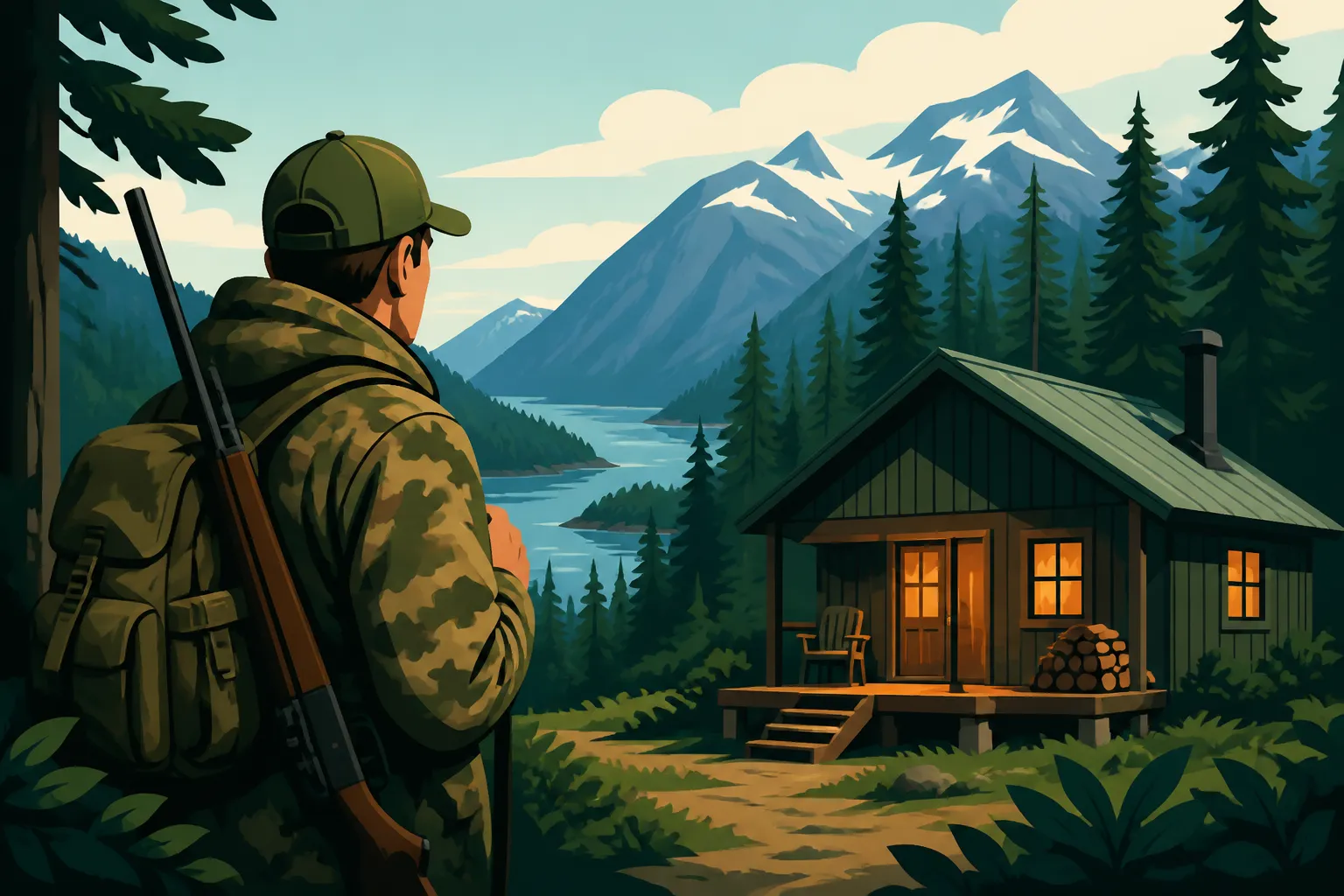
Unlike many other public land shelters, Forest Service cabins in the Tongass are usually situated in remote, yet strategically valuable locations, often near prime hunting grounds, salmon streams, or sheltered coves accessible by boat or floatplane. These aren't fancy resorts; they are simple, rustic structures designed for basic shelter. Think bare-bones: a wood stove, bunks, a table, and perhaps an outhouse nearby. But in a region where daily rain is the norm and temperatures can be chilly even in early fall, that simple shelter is gold. It means you can dry out gear, cook a hot meal, and get a solid night's sleep without battling condensation or gale-force winds. Many seasoned hunters will tell you that the ability to dry wet gear each evening is a game-changer, greatly extending the duration and enjoyment of a hunt.
Imagine coming back soaked to the bone after a long day of Deer Drives Versus Still Hunting in Southeast Alaska Timber, knowing you can strip off your wet layers and hang them by a crackling fire. This drastically reduces the risk of hypothermia and keeps morale high, which is invaluable when you're days into a remote hunt. These cabins also provide a secure place to store non-perishable food and gear away from critters, offering peace of mind while you're out glassing or pushing through brush.
Typical Cabin Amenities and What to Expect
When you reserve a Forest Service cabin, don't expect running water, electricity, or even mattresses. Most cabins feature a wood stove for heat and cooking, sleeping bunks (you'll need your own sleeping pad and bag), a table, and chairs. Outside, you'll usually find a pit toilet, and often a woodshed stocked with firewood, though it's always wise to pack some kindling and a small axe or saw. Water sources are typically nearby streams, lakes, or rainwater collection barrels, which will need to be treated.
The key is preparation. You are essentially bringing your entire camp with you, minus the tent. This includes food, cooking gear, fuel for any supplemental stoves, water filters, lights, and all your hunting equipment. Some cabins might have a small cache of non-perishable supplies left by previous users, but never count on it. Always pack out everything you pack in, and leave the cabin cleaner than you found it for the next users. This ethos of respect for these shared resources is crucial to their continued availability.
Here’s a quick overview of what to expect:
| Feature | Expect to Find | Expect to Bring |
|---|---|---|
| Shelter | Cabin structure, roof, walls | Your tent (as backup), tarp |
| Sleeping | Bunk platforms | Sleeping bag, pad, pillow |
| Heating/Cooking | Wood stove, sometimes axe/saw | Fuel, fire starter, pots, pans, utensils |
| Water | Nearby stream/lake, rain barrel | Water filter/purifier, containers |
| Sanitation | Outhouse (pit toilet) | Toilet paper, hand sanitizer |
| Lighting | None | Headlamps, lanterns, batteries |
| Food Storage | Cabin interior (bear resistant) | Cooler, bear-resistant containers |
| Firewood | Sometimes stocked woodshed | Kindling, matches/lighter, small axe/saw |
Planning Your Hunt Around a Tongass Cabin
Booking a Forest Service cabin is a strategic move that requires foresight. These cabins are popular, especially during prime hunting seasons, so early planning is absolutely essential.
How and When to Reserve a Cabin
Reservations for Forest Service cabins are made through a centralized online system, Recreation.gov. You'll need an account, and it's wise to familiarize yourself with the website well in advance of your desired booking date. Cabins typically become available for reservation six months in advance, to the day. For popular hunting dates, like the peak of the deer rut in November or the opening of black bear season, these cabins can be snatched up within minutes of becoming available.
My advice: mark your calendar for six months before your target hunt dates. Set an alarm. Be online and ready to click the moment reservations open. You'll want to have several backup cabin choices in mind, just in case your first pick is taken. Don't be afraid to book a shoulder season date, either. While not always prime time, opportunities still exist, and the cabins are often easier to secure. For example, some units have early deer seasons in August, which can be fantastic if you're prepared for mild weather and long days.
Choosing the Right Cabin for Your Species and Style
The Tongass offers a variety of hunting experiences, from chasing Sitka Blacktail Deer Weight Compared to Mule Deer along the beaches and through the timber to Spring Bear Hunting on South-Facing Snow Slides. Your choice of cabin should directly align with your target species and preferred hunting method.
If you're after Sitka blacktail deer, look for cabins on islands known for strong deer populations, like those around Prince of Wales Island or Kodiak (though Kodiak isn't Tongass, the island hunting style is similar). Many cabins are tucked away in deep coves, perfect for Skiff Hunting Deer Along Saltwater Beaches or still-hunting adjacent timber. Consider cabins that offer easy access to beaches for glassing at low tide, or trails that lead into alpine areas. Tongass National Forest Deer Country often involves hunting close to saltwater.
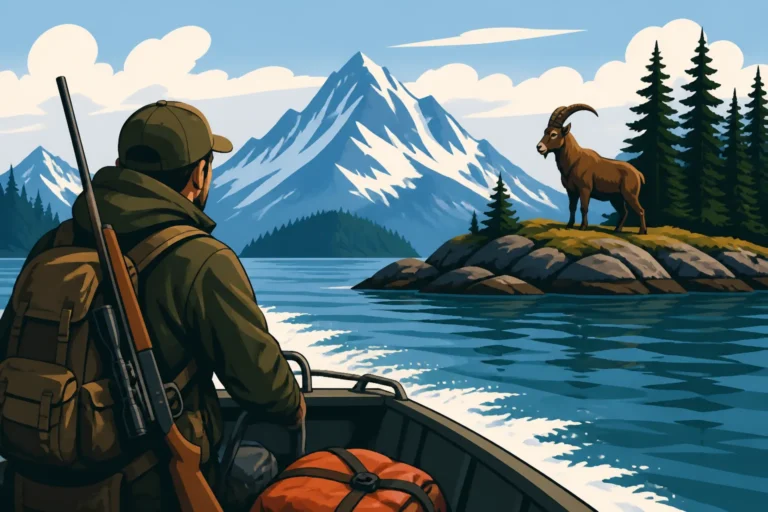
For black bear, focus on cabins near berry patches, salmon streams, or old clearcuts, especially for spring hunts when bears are emerging. Always consider Black Bear Weight in Coastal Alaska when planning your packing strategy. And no matter what you're hunting, always think about your access. Will you be flying in via floatplane, or dropping anchor with your boat? Some cabins are only accessible by kayak or a long hike, which might not be ideal if you're planning on packing out large amounts of meat.
Using mapping tools like onX Hunt can be incredibly helpful here. You can layer public land boundaries, topo maps, and satellite imagery to scout potential hunting areas around various cabins. Look for game trails, bedding areas, and food sources, and identify potential routes from the cabin to these locations. This kind of digital scouting gives you a huge advantage before you even set foot in Alaska.
The Logistics of Cabin Access and Use
Getting to these remote cabins is half the adventure. You’ll need a solid plan for transport, gear, and meat care once you’ve made a kill.
Transportation: Floatplanes, Boats, and Foot Power
Most Tongass cabins are remote, meaning road access is rare to non-existent. Your primary modes of transport will be floatplanes or personal boats. Floatplanes offer quick access to isolated lakes and saltwater coves, dropping you right at the cabin's doorstep or a short walk away. This is often the quickest, though sometimes priciest, option. When booking a flight, be clear with your air taxi about the cabin name and location, and confirm their ability to land there safely. Remember, weather can delay flights significantly, so build buffer days into your schedule.
If you're bringing your own boat or chartering one, you gain flexibility. Hunting Alaska's Southeast Islands by Boat allows you to explore multiple bays and islands, perhaps even tying into more than one cabin if your itinerary allows. Many cabins are located on saltwater and have mooring pins or a small dock. Always check tide tables and charts carefully; what looks like a navigable channel at high tide might be a mud flat at low tide.
And then there’s foot power. Even with floatplane or boat access, you’ll be doing a lot of hiking. Many cabins are just off the water, but to truly hunt the area, you’ll be venturing into the rugged, brushy terrain. Good Boot Requirements for Coastal Alaska Hunts are non-negotiable – think waterproof, sturdy, and comfortable for long miles.
Gear Considerations for a Cabin-Based Hunt
Even though you have a cabin, you’re still in the Alaskan wilderness, and your gear list needs to reflect that. Think layers, and think waterproof. The Tongass is a rainforest for a reason. High-quality Rain Gear Guides Actually Recommend is paramount, not just for hunting, but for staying comfortable around camp.
Beyond your hunting essentials, you’ll need:
- Sleeping System: A warm sleeping bag (rated for colder than you expect), and a good sleeping pad for comfort on the hard bunks.
- Cooking Supplies: A small propane stove for quick meals or if you run out of wood, pots, pans, utensils, and biodegradable soap.
- Water Treatment: A reliable water filter or purification tablets.
- Lighting: Headlamps with extra batteries, and a small lantern for ambient light in the cabin.
- First Aid & Emergency: A comprehensive first-aid kit, satellite communication device (like an inReach), and bear spray is essential, especially given the prevalence of black bears.
- Meat Care: Game bags are crucial for keeping meat clean and cool. Make sure they are Game Bags That Breathe in Coastal Rain to prevent spoilage. You'll also need rope for hanging meat.
When packing, remember that space and weight on floatplanes are often limited. Pack smart, consolidate items, and think about what you truly need versus what would be nice to have. Don't forget garbage bags to pack out all your trash – leave no trace!
Field Care and Meat Salvage at the Cabin
Once you’ve successfully harvested an animal, the cabin becomes an invaluable part of your field care strategy. The ability to process meat out of the rain and wind is a huge advantage. You can lay out tarps on the cabin floor (if clean, or bring your own) or use the sturdy cabin table.
For deer, you’ll want to quarter the animal and get the meat into game bags as quickly as possible. The cool, damp climate of the Tongass means meat can spoil if not handled correctly. Meat Care in 50-Degree September Weather still applies, even in cooler conditions, as humidity can be a factor. The cabin provides a secure place to cool the meat down before hanging.
When hanging meat, especially in bear country, the cabin structure offers options. You can often hang meat within the cabin itself (if allowed and kept very clean) or from sturdy trees nearby, far enough from the ground and cabin to deter bears. Always take Bear Safety While Butchering a Kill in Alaska seriously. If you're hanging meat outside, make sure it's Hanging Meat Out of Bear Reach, utilizing high branches or even rigging a bear fence if you have the gear. Clean up all blood and scraps thoroughly away from the cabin to avoid attracting unwanted visitors.
Maximizing Your Cabin Hunt Experience
A cabin hunt in the Tongass is more than just a place to sleep; it’s an immersive experience that brings you closer to the wilderness without sacrificing essential comfort.
Embracing the Elements, Responsibly
The Tongass is wild, and that’s its charm. While the cabin provides a sanctuary, you’ll still be spending most of your daylight hours out in the elements. This means dealing with rain, navigating dense undergrowth, and being constantly aware of your surroundings, particularly for bear activity. But embracing these challenges is part of the adventure. There’s a profound satisfaction that comes from hunting in such a rugged environment and then retreating to a warm, dry cabin.
The responsibility for these cabins, and the wilderness around them, falls to all of us who use them. Pack out all your trash, including food scraps and anything that doesn’t burn completely in the stove. If you use firewood, try to replenish it, or at least leave enough for the next users to get a fire going. Respect wildlife, follow all regulations, and leave the cabins in better condition than you found them. This ensures these invaluable resources remain available for future generations of hunters.
Connecting with the Wilderness on a Deeper Level
A cabin hunt offers a unique rhythm to your time in the bush. You’re not just passing through; you're setting up a temporary home. Mornings begin with the smell of woodsmoke and coffee, followed by days spent glassing remote shorelines or still-hunting through ancient forests. Evenings are for sharing stories, drying gear, and perhaps reading by lantern light. This slower pace allows for a deeper connection with the landscape.
You'll see more, hear more, and learn more about the habits of the animals you pursue. You might spend an hour watching a Sitka blacktail buck feed along a tide line from the cabin window, or listen to the eerie calls of a wolf pack echoing across the bay. This immersion is what many hunters crave, and the Forest Service cabins provide the perfect platform for it. For comprehensive hunt planning beyond the cabin itself, resources like GoHunt can help you dive into drawing odds and season structures for future adventures once you're hooked on this style of hunting. The journey to Forest Service Cabin Reservations for Alaska Hunts is truly worth the effort.
Essential Resources for Your Tongass Cabin Hunt
To make your cabin hunt a success, you'll want to tap into all available resources.
- Recreation.gov: Your go-to for cabin reservations and detailed cabin descriptions.
- Alaska Department of Fish and Game (ADF&G): Essential for regulations, season dates, harvest tickets, and hunting units. Make sure you understand Alaska Harvest Tickets, Registration Permits and Draw Permits for the specific unit you plan to hunt.
- US Forest Service Website: Provides additional information on the Tongass National Forest, including maps, current conditions, and contact information for local ranger districts.
- Mapping Apps: Tools like onX Hunt are invaluable for pre-scouting cabin locations, understanding land ownership around them, and navigating in the field. They can show you trails, terrain features, and even recent satellite imagery to help you plan your hunt routes from the cabin.
By combining thorough preparation, respect for the land, and the simple comfort of a Forest Service cabin, you can unlock an unforgettable hunting experience in the majestic Tongass National Forest.
Disclaimer
This article is for general informational purposes only and does not constitute professional advice. Laws, prices and regulations vary by location and change over time. Consult a qualified professional for guidance on your specific situation.