Unimak Island Brown Bear Access
Dreaming of a colossal brown bear on Alaska's wild frontier? Unimak Island often comes to mind, a place synonymous with massive coastal grizzlies, but getting there and navigating its unique rules can feel like cracking a secret code. This guide will unravel the complexities of Unimak Island brown bear access, helping you understand the regulations, logistics, and realities of hunting this iconic locale.
Unimak Island's Grandeur and the Lure of Its Brown Bears
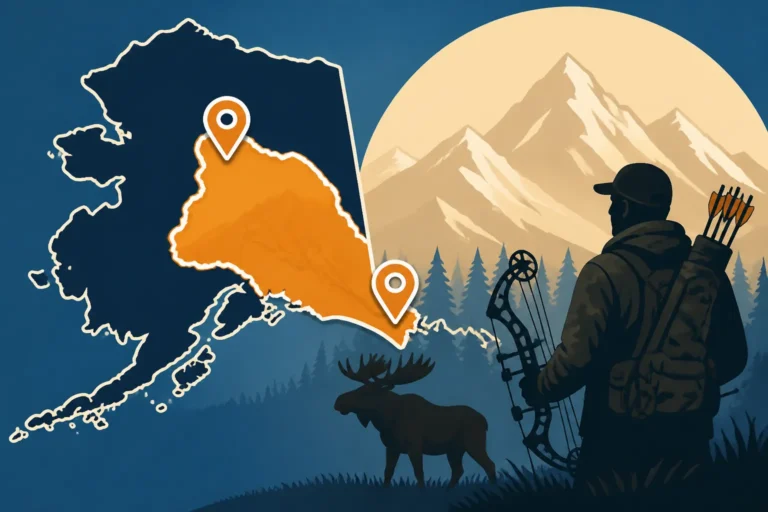
Unimak Island, the largest of the Aleutian Islands, is an untamed wilderness that captivates the imagination of serious brown bear hunters. Its rugged volcanic landscape, windswept tundra, and abundant salmon streams create an ideal habitat for some of the largest coastal brown bears on the planet. The sheer remoteness and the promise of encountering a true giant are what draw hunters to this isolated corner of Alaska, but the very factors that make it so appealing also contribute to its challenges.
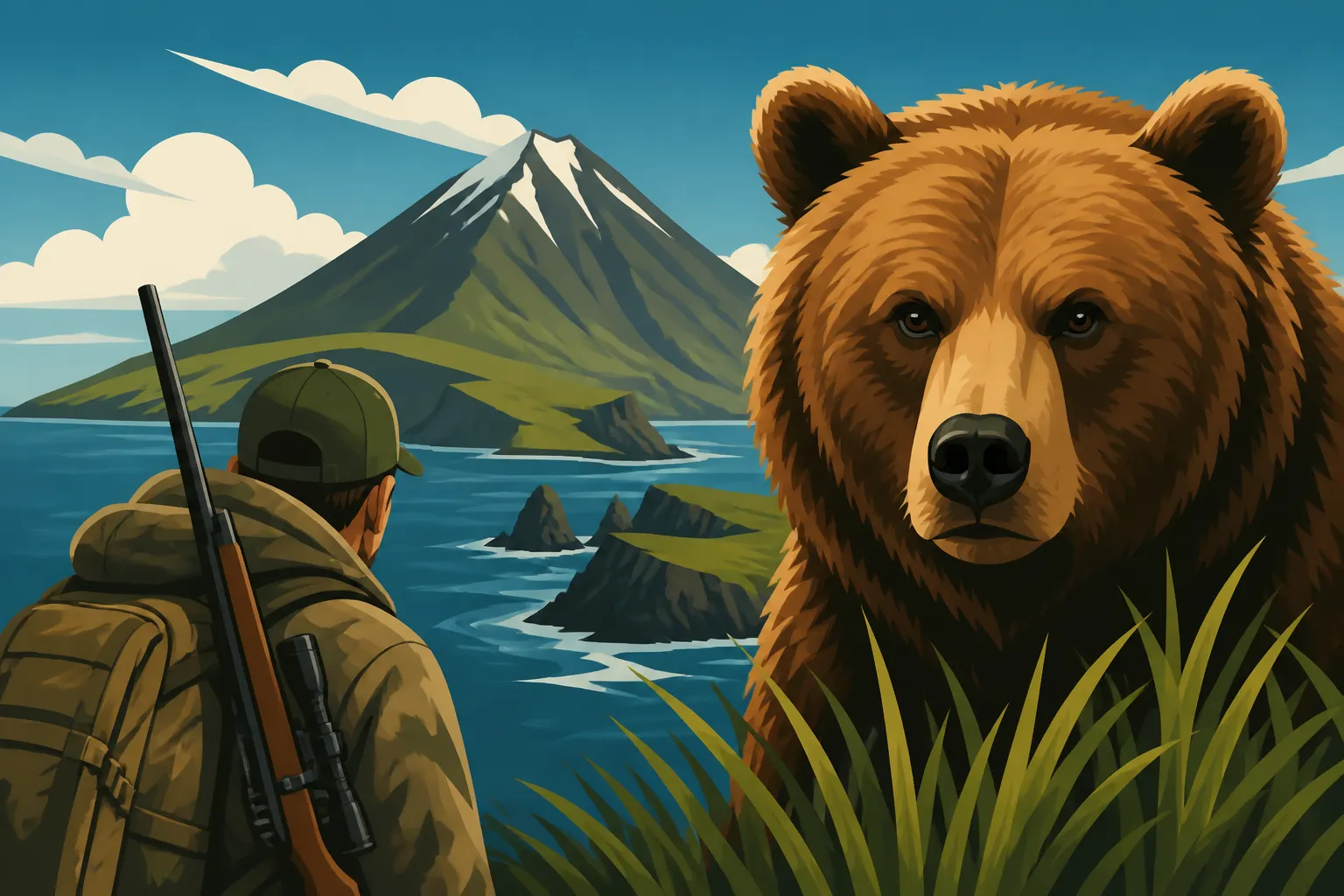
The island itself is roughly 65 miles long and varies in width, dominated by the active Shishaldin Volcano, which often provides a dramatic backdrop to the hunt. The climate is notoriously fickle, characterized by frequent storms, dense fog, and relentless wind, making any expedition a true test of grit and preparation. This harsh environment, combined with the island's isolation, has preserved a raw, primeval feel that is increasingly rare in today's world. It's a place where you truly feel like a speck in a vast, wild landscape, a feeling that both humbles and excites.
Where Giants Roam: Understanding Unimak's Bear Population
Unimak Island is part of Alaska's Game Management Unit 9E, renowned for its incredible brown bear population. These aren't your interior grizzly bears; these are true coastal brown bears, often exhibiting immense size due to a protein-rich diet of salmon, marine carcasses, and abundant vegetation. The genetic isolation on the island, combined with these rich food sources, has allowed a population of truly colossal bears to thrive. It’s not uncommon to hear tales of bears squaring over ten feet, a testament to the island's unique ability to grow giants.
The density of bears on Unimak is quite high, particularly along the salmon streams during the summer and fall. However, finding these bears in the vastness of the island's rugged terrain is still a formidable task. They move constantly, following food sources, and can disappear into the countless draws and alder thickets with surprising stealth. Understanding their seasonal movements and preferred habitats is crucial, which is where local knowledge and extensive scouting, often from the air, come into play. For more on the differences, consider reading about Alaska Brown Bears on the Coast Versus Interior Grizzlies.
The Island's Remote Nature and Unique Ecosystem
Unimak's remote location at the very tip of the Alaska Peninsula means it's not a destination you can simply drive to. It sits far from any road system, nestled between the Pacific Ocean and the Bering Sea. This isolation is a double-edged sword: it protects the environment and wildlife from excessive human pressure, but it also means that access is difficult and expensive. There are no towns, no stores, and very limited infrastructure. Every item, from food to fuel, must be flown or boated in, significantly increasing the logistical complexity and cost of any trip.
The ecosystem itself is a dynamic blend of volcanic plains, braided rivers, coastal beaches, and rolling tundra, all battered by the elements. While salmon streams are critical for bears, the rest of the island supports a range of other wildlife, including caribou, foxes, and numerous bird species. This rich biodiversity is part of what makes Unimak so special, but it also underscores the delicate balance of this wild place. Hunters must respect this environment, practicing strict leave-no-trace ethics and understanding their impact on such a pristine area.
Essential Access and Regulatory Framework for Unimak Hunters
Hunting Unimak Island for brown bear is not an endeavor to be taken lightly. It falls under the specific regulations of the Alaska Department of Fish and Game (ADF&G) and the U.S. Fish and Wildlife Service, as most of Unimak Island is part of the Izembek National Wildlife Refuge. This dual layer of management adds complexity, requiring hunters to be meticulous in their planning and adherence to rules. You can't just show up; you need to understand the federal and state requirements intimately.
The regulations are designed to manage the bear population sustainably and ensure fair chase, but also to protect the sensitive refuge environment. This means specific permit types, season dates, and methods of take are strictly enforced. Ignorance of the rules is never an excuse, and violations can lead to severe penalties, including fines, confiscation of game, and revocation of hunting privileges. It's imperative to consult the latest ADF&G regulations booklet and the Izembek National Wildlife Refuge special regulations well in advance of any hunt.
Federal Lands and Permitting: Navigating the Refuge System
A significant portion of Unimak Island, particularly the prime bear habitat, is within the Izembek National Wildlife Refuge. This designation means that federal regulations, in addition to state laws, govern hunting activities. Hunters are required to obtain a specific refuge permit in addition to their state hunting license and brown bear locking tag. These refuge permits often have their own application processes, deadlines, and specific conditions that must be met. The number of permits issued for brown bear on Unimak can be limited, making it a highly sought-after draw hunt in some years or areas.
Understanding where the refuge boundaries lie is critical. While tools like onX Hunt can be incredibly helpful for visualizing land status on your device, it's always wise to cross-reference with official maps from the U.S. Fish and Wildlife Service. These maps will show the specific areas open to hunting and any no-hunting zones or restricted access points. The refuge management is focused on conservation, so they have strict rules about motorized vehicle use, camp locations, and waste disposal, all of which must be thoroughly researched and understood by every hunter. Details about Brown Bear Country in Alaska's Unit 9 and specifically Unit 9E, where Unimak lies, are essential background.
| Regulatory Body | Primary Role | Key Requirements for Unimak Hunters |
|---|---|---|
| Alaska Dept. of Fish & Game (ADF&G) | State hunting regulations, seasons, bag limits | State hunting license, brown bear locking tag |
| U.S. Fish & Wildlife Service | Federal land management (Izembek NWR), specific refuge rules | Izembek NWR Special Use Permit |
Transportation Logistics: Getting to and Around the Island
Accessing Unimak Island is almost exclusively done by air or sea. Most hunters utilize air charters, typically float planes or wheel planes, from a hub like King Salmon or Cold Bay, which itself requires a commercial flight from Anchorage. The journey to the island is already a significant undertaking, often involving multiple legs and dependent on notoriously unpredictable Aleutian weather. Float planes might land in sheltered coves or lakes, while wheel planes often utilize natural gravel bars or designated airstrips, which are few and far between.
Once on the island, ground transportation is virtually nonexistent. Hunting is primarily done on foot, sometimes aided by inflatable rafts or packrafts for river crossings or accessing coastal areas. This means hunters must be prepared for extensive backpacking, often over rough, uneven tundra, through dense alder thickets, and across treacherous volcanic ash fields. The remoteness also means that once you're dropped off, you are truly on your own until your scheduled pickup, emphasizing the need for robust self-sufficiency, emergency planning, and reliable communication devices. Fly-In Hunting: Working With an Alaska Transporter Pilot is an indispensable resource for understanding these critical logistics.
Planning Your Expedition: Guide Requirements and Practical Considerations
Hunting brown bear on Unimak Island, especially as a nonresident, comes with specific requirements that significantly impact planning and cost. Alaska law mandates that nonresidents hunting brown bear, grizzly bear, or polar bear must be accompanied by an Alaska-licensed guide or a close relative (second-degree of kindred). This isn't just a suggestion; it's a legal necessity that shapes the entire hunting experience. For many, this means budgeting for a fully guided hunt, which is a substantial investment, but one that provides invaluable expertise and safety in such a demanding environment.
Even with a guide, the onus is on the hunter to be physically prepared, mentally resilient, and equipped with the right gear. Unimak is no place for the ill-prepared. The challenges extend beyond simply locating a bear; they encompass enduring the weather, navigating the terrain, and executing a safe and ethical hunt far from any modern conveniences. A deep dive into all aspects of planning, from physical training to gear selection, is non-negotiable for a successful and safe Unimak adventure.
The Mandate for Guided Hunts on Unimak
As mentioned, if you're a nonresident and want to hunt brown bear on Unimak, you must have a registered Alaska guide. This rule exists for several reasons, including client safety in dangerous game country, ethical hunting practices, and proper adherence to complex regulations. An experienced Unimak guide brings not only the legal compliance but also intimate knowledge of the island's terrain, bear habits, and local weather patterns, which are critical for success and survival. They understand the nuances of Alaska Species That Require a Guide for Nonresidents.
Booking an Unimak brown bear hunt typically involves contacting an Alaska registered guide-outfitter specializing in coastal brown bears. These hunts are often booked years in advance due to their popularity and the limited number of available permits and guides with concessions on the refuge. When researching guides, ask for references, inquire about their experience specifically on Unimak or similar coastal environments, and thoroughly review their contract. A reputable guide will be transparent about success rates, trophy care, logistics, and what is included in the hunt price. For a deeper understanding of what to expect, read about Hiring an Alaska Registered Guide-Outfitter.
Preparing for Unimak: Gear, Safety, and Seasonality
Preparation for Unimak is paramount. The gear list will be extensive and focused on durability, waterproofing, and warmth. Think robust rain gear, layered clothing, high-quality optics for spotting bears at a distance, and a rifle suitable for large, dangerous game. Many hunters opt for cartridges known for their stopping power with heavy, controlled-expansion bullets. It's not just about the shot, though; it's about being able to survive and thrive in a harsh environment. Communication devices like a satellite phone or an InReach are absolute necessities for check-ins and emergencies, as cell service is non-existent.
Safety protocols, especially regarding bears, must be second nature. This means understanding bear behavior, carrying appropriate bear deterrents (like bear spray in a chest holster), and having a well-rehearsed plan for encounters. Field dressing and meat care also come with their own challenges. For instance, Bear Safety While Butchering a Kill in Alaska is a critical skill, as a downed bear can attract other bears quickly. The primary hunting seasons for brown bear on Unimak are typically in the spring (May-June) and fall (October-November), with specific dates set by ADF&G. Each season offers different challenges and opportunities, influencing bear behavior and weather conditions. Fall hunts might involve more adverse weather but bears concentrated on salmon, while spring hunts might find bears emerging from dens.
Overcoming the Challenges of Unimak: Weather, Terrain, and Wildlife
Unimak Island is a place that demands respect, both from its wildlife and its environment. Hunters who venture here must be prepared for a truly wild experience, where nature dictates the terms. The weather can change in an instant, the terrain is unforgiving, and the wildlife, particularly the brown bears, command a primal respect. These challenges are not mere inconveniences; they are integral parts of the Unimak experience, shaping the hunt and testing the mettle of those who pursue it.
This isn't a hunt where you can expect comfort or predictable outcomes. It's a journey into an ecosystem that operates on its own ancient rhythms, largely untouched by human interference. Success often hinges as much on your resilience and adaptability as it does on your hunting skill. Being able to cope with setbacks, remain positive in adverse conditions, and maintain a keen focus is vital.
Extreme Weather and Rugged Terrain
The Aleutian Islands are infamous for their weather, and Unimak is no exception. Hunters can expect high winds, driving rain, dense fog, and even snow, often all within the same day. These conditions can severely limit visibility, making glassing impossible and navigation treacherous. Fog can roll in swiftly, disorienting even experienced outdoorsmen and grounding planes, which can lead to frustrating delays in drop-offs or pickups. The constant moisture means everything gets wet, challenging even the best waterproof gear. Proper layering and quick-drying clothing are essential, but true dryness is a luxury you might only find back home.
Beyond the weather, the terrain itself is a formidable adversary. Unimak is characterized by steep volcanic slopes, deep ash-filled ravines, extensive alder and willow thickets that can be nearly impenetrable, and broad stretches of uneven tundra that conceal hidden holes and water-logged ground. Backpacking with heavy loads, especially after a successful kill, can be physically brutal. Backpack Hunting in Alaska: Gear Weight and Meat Loads becomes a very real consideration here. Every step is an effort, and travel can be agonizingly slow. Hunters need robust footwear, strong knees, and an incredible amount of stamina to cover the ground required to find and pursue bears.
Bear Safety in High-Density Country
Hunting brown bears on Unimak means you are operating in their living room, a place where they are numerous, large, and sometimes unaccustomed to human presence. While most bears will avoid humans, close encounters are a real possibility, especially when moving through dense cover, approaching a kill, or navigating areas with high bear activity. Having a clear understanding of bear behavior, how to avoid provoking an encounter, and what to do if one occurs is paramount. This isn't just about carrying a firearm; it's about situational awareness and proactive safety measures.
Guides are indispensable here, as they are trained in bear safety and intimately familiar with the local bears. However, every hunter must be responsible for their own safety. Always have your bear spray accessible, keep your rifle ready, and avoid surprising bears. When a bear is down, the work of field dressing and packing out meat becomes a high-stress event, as the scent of blood can attract other bears. Establishing a bear fence around a meat cache or kill site is a wise precaution. Regular check-ins with your guide or satellite device, like those monitored by services accessible through GoHunt, add another layer of safety in such remote and dangerous country. Ensuring everyone in the hunting party knows how to react to a charging bear and has a clear understanding of the designated shooter and backup roles is crucial for survival.
Disclaimer
This article is for general informational purposes only and does not constitute professional advice. Laws, prices and regulations vary by location and change over time. Consult a qualified professional for guidance on your specific situation.