Alaska Species That Require a Guide for Nonresidents
Planning an Alaska hunting trip as a nonresident can feel like navigating a legal labyrinth, especially when it comes to understanding guide requirements. The sheer scale of Alaska, combined with its unique regulations designed to manage diverse game populations and ensure ethical practices, often leaves hunters scratching their heads before they even buy a license. This comprehensive guide will break down exactly which Alaska big game species legally mandate a registered guide for nonresident hunters, helping you plan your adventure with confidence and stay on the right side of the regulations, preventing any unwanted surprises or costly fines.
The Foundation: Why Guides Are Required for Certain Species in Alaska
It might seem like an extra hoop to jump through, but Alaska's guide requirements for certain species aren't just arbitrary rules. They are deeply rooted in the state's conservation philosophy, its unique challenges, and a commitment to maintaining sustainable hunting traditions for generations to come. Understanding the "why" behind these regulations can help nonresidents appreciate the system, even when it means a significant investment in a guided hunt.
Protecting Alaska's Wildlife Resources
Alaska is home to some of North America's most iconic and vulnerable big game populations. Species like brown bears, Dall sheep, and mountain goats inhabit often rugged, remote, and ecologically sensitive areas. These animals can be particularly susceptible to overharvesting or improper management if hunting pressure isn't carefully controlled. Requiring a registered guide for nonresidents on these species adds a layer of oversight and expertise. Guides are professionals who are intimately familiar with local game populations, habitat, and the intricacies of wildlife management unit boundaries and regulations. They often have decades of experience in their hunting areas, allowing them to help ensure that only legal animals are harvested and that hunters are respecting the land and its creatures.
Furthermore, guides often act as the first line of defense against potential illegal activity or unethical practices. Their presence ensures that harvest quotas are respected and that hunters are adhering to strict rules regarding species identification, sex, and size limitations. For example, judging a legal ram or a specific antler-restricted moose can be incredibly difficult for even experienced hunters from outside the state, especially when encountered in challenging terrain or rapidly changing light conditions. A guide's expertise becomes invaluable here, reducing the chance of accidental violations that could harm local populations.
Ensuring Fair Chase and Ethical Practices
Alaska prides itself on its tradition of fair chase hunting, where the animal has a reasonable chance to escape and the hunter relies on skill, effort, and ethical conduct. Many of the species that require guides, such as Dall sheep or mountain goats, live in extremely demanding and remote terrain. Accessing these areas often involves bush planes, extensive backpacking, or specialized equipment. Without a guide, a nonresident hunter, especially one unfamiliar with the unique challenges of Alaskan wilderness, could inadvertently find themselves in a situation that compromises fair chase principles or even their own safety.
A guide ensures that hunters are properly equipped, physically prepared, and knowledgeable about the specific hunting methods appropriate for the species and terrain. They help hunters understand the often subtle cues of an animal's behavior, making for a more ethical pursuit. Beyond the hunt itself, guides play a crucial role in post-harvest care, ensuring that meat is properly salvaged and handled, and trophies are prepared according to state regulations. This includes the intricate details of caping a bear or handling a sheep skull, which are often beyond the scope of a typical DIY hunter's experience. Following the rules for Packing Out Meat in Alaska: The Salvage Law Hunters Must Follow is critical, and a guide ensures this happens correctly.
The Economic Impact of Guided Hunting
There's also an undeniable economic aspect to Alaska's guide requirements. Guided hunting is a significant industry in Alaska, employing numerous residents, supporting air taxi services, lodging, and various other businesses in rural communities across the state. The revenue generated from guided hunts, including guide fees, license sales, and gear purchases, contributes substantially to Alaska's economy and to wildlife management programs through license and tag fees.
By mandating guides for certain high-value species, the state ensures that a portion of the economic benefit from these hunts remains within Alaska, supporting local livelihoods and the infrastructure necessary for managing game populations. It also helps manage hunting pressure. If these sought-after species were open to unguided nonresident hunting, the sheer volume of hunters could quickly overwhelm local resources and management capacity, potentially leading to a decline in game populations or a reduction in the quality of the hunting experience for everyone. The system also promotes safety; guides are often required to have first aid and safety certifications, adding a layer of protection in remote, unforgiving environments. All hunters, guided or unguided, should understand Alaska Hunter Education and Orientation Requirements.
The Mandated Species: Which Animals Require a Registered Guide
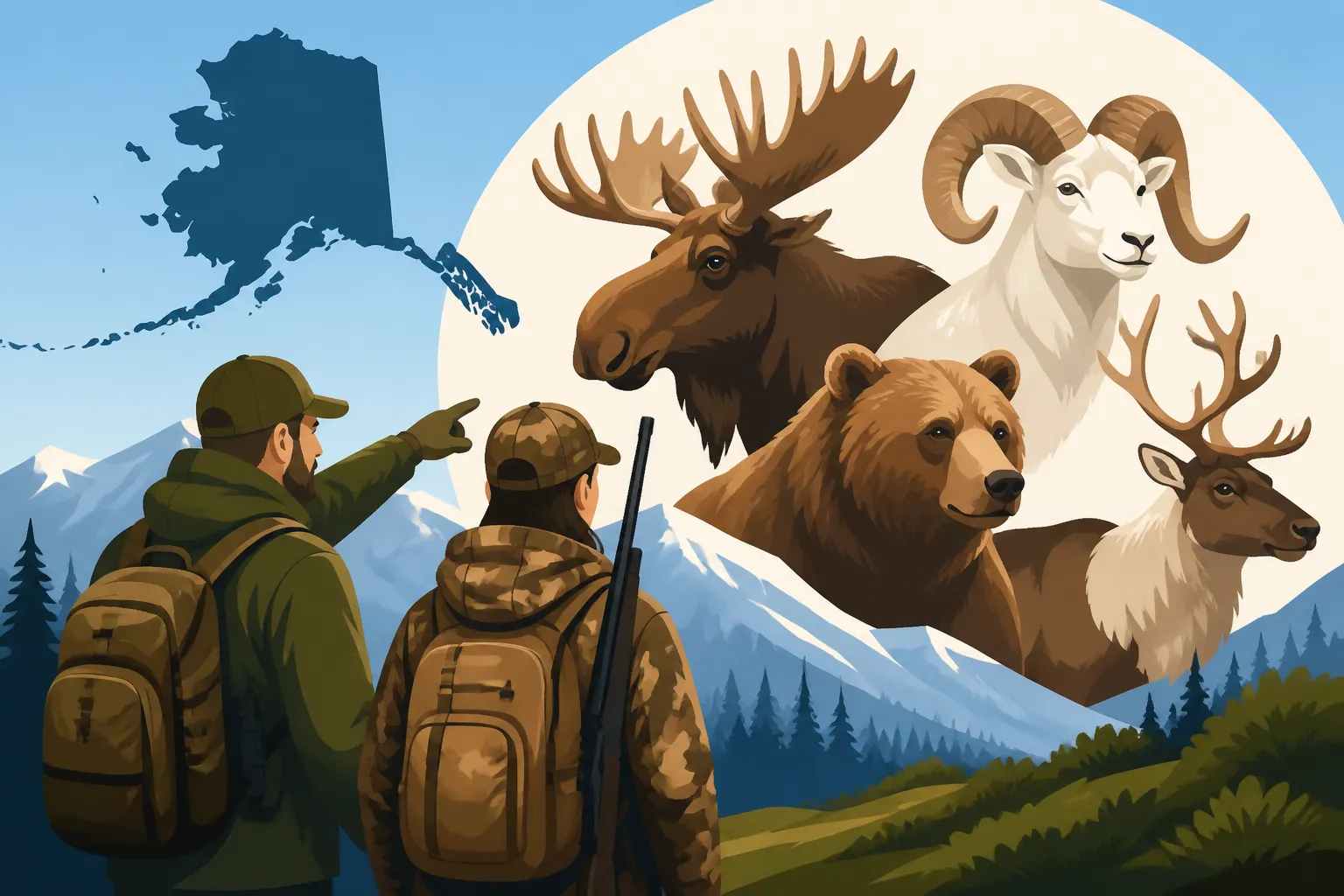
When you start digging into Alaska's hunting regulations, one of the first things you'll encounter as a nonresident is the mandate for a registered guide for specific big game species. This isn't just a suggestion; it's a legal requirement that carries significant penalties if ignored. These are the species that are considered so challenging, or so sensitive, that the state insists on professional oversight for nonresident hunters.
Brown/Grizzly Bear: The Premier Guided Hunt
Without a doubt, brown and grizzly bears top the list of species requiring a registered guide for nonresident hunters in Alaska. These magnificent animals, whether you're talking about the massive coastal brown bears of the Alaska Peninsula or the interior grizzlies of the Brooks Range, represent the pinnacle of North American big game hunting for many. The sheer power, intelligence, and potential danger associated with hunting these animals in their natural habitat necessitate the expertise of a professional.
Hunting a brown or grizzly bear is an incredibly serious undertaking. These animals are powerful, can be unpredictable, and operate in some of the most remote and challenging landscapes Alaska has to offer. A guide brings unparalleled experience in tracking, assessing bear behavior, ensuring hunter safety, and accurately judging the size and legality of a bear, which can be surprisingly difficult in the field. They also understand the unique nuances of bear habits, like when and where bears concentrate during salmon runs on the coast, or how interior grizzlies utilize spring snow slides. While the interior grizzlies are biologically the same species as coastal brown bears, their size and behavior differ significantly based on food availability. You can learn more about these fascinating differences in Alaska Brown Bears on the Coast Versus Interior Grizzlies. The cost and logistics of a brown bear hunt reflect this high level of risk and expertise, making it one of the most expensive and sought-after guided hunts in the state. Alaska's Brown Bear, Sheep and Goat Guide Requirement covers this in detail.
Dall Sheep: High Altitude, High Regulations
Dall sheep hunting is another experience that stands apart, and it also requires a registered guide for nonresidents. These elusive white sheep inhabit the steep, rugged, and often barren alpine terrain of ranges like the Alaska Range and the Brooks Range. A Dall sheep hunt is physically grueling, demanding peak physical condition, precise marksmanship, and a deep understanding of mountain navigation and sheep behavior.
The guide requirement here is multifaceted. Firstly, it's about safety. Hunting in vertical sheep country, often above timberline, presents inherent dangers from falls, extreme weather, and unpredictable terrain. Guides possess the navigational skills, first aid knowledge, and experience to safely operate in these challenging environments. Secondly, judging a legal Dall ram is notoriously difficult. Alaska has strict "full curl" or age-based antler regulations, and mistaking a sublegal ram for a legal one can lead to severe penalties and harm to the sheep population. An experienced guide can accurately assess horn configurations at long distances, even under tough glassing conditions. Finally, the remote nature of sheep habitat often requires specialized bush plane access and extensive backpacking into pristine wilderness, logistics that a guide-outfitter is best equipped to handle. Exploring Dall Sheep in Alaska's Brooks and Alaska Ranges reveals just how special these animals and their habitat truly are.
Mountain Goat: Steep Country, Strict Rules
Similar to Dall sheep, mountain goat hunting in Alaska is legally mandated to be guided for nonresident hunters. These incredibly hardy animals live in the steepest, most precipitous terrain imaginable, often clinging to cliffs and icy slopes in coastal mountain ranges like the Chugach and Wrangell-St. Elias. A mountain goat hunt is not for the faint of heart, demanding exceptional physical endurance, mental toughness, and a tolerance for extreme conditions.
The rationale for the guide requirement mirrors that for Dall sheep, with an emphasis on safety and precise animal identification. The terrain where mountain goats reside is arguably even more dangerous, frequently involving rockfall, loose scree, glaciers, and unpredictable weather that can shift from sunshine to blizzard in minutes. Guides are essential for navigating these treacherous landscapes, ensuring the hunter's safety, and making sound decisions in rapidly changing conditions. Crucially, guides are also expert at distinguishing billies (males) from nannies (females) at a distance, which is critical for conservation. Nannies are the reproductive core of the herd, and their accidental harvest can have a significant negative impact on local goat populations. Alaska’s regulations often prioritize the protection of nannies, and a guide’s experience helps ensure compliance. For those interested in learning more about these impressive animals, check out Alaska Mountain Goats in Coastal Cliff Country.
| Species Requiring a Guide (Nonresident) | Primary Rationale | Typical Terrain | Key Hunting Challenge |
|---|---|---|---|
| Brown/Grizzly Bear | Safety, accurate judging, population management, deep wilderness expertise | Coastal rainforest, interior tundra, mountains | Identifying legal bear, safety, dangerous game |
| Dall Sheep | Safety in extreme terrain, accurate full-curl judging, remote logistics | High alpine, rocky peaks, open tundra | Extreme physical demands, precise judging at distance |
| Mountain Goat | Safety in treacherous vertical terrain, distinguishing nannies from billies, logistics | Steep cliffs, glaciers, coastal mountains | Dangerous terrain, critical sex identification |
Navigating the Exceptions: "Second-Degree-Kinship" and Nonresident Aliens
While the rule for guided hunts on brown bear, Dall sheep, and mountain goat is firm for most nonresidents, Alaska's regulations do include a couple of important nuances that can change the game for certain individuals. It's crucial to understand these distinctions because they apply to very specific circumstances and come with their own set of requirements.
Hunting with a Close Relative: The Kinship Exemption
Alaska offers a unique "second-degree-of-kinship" exemption to the nonresident guide requirement. This means that if you are a nonresident and you are hunting brown/grizzly bear, Dall sheep, or mountain goat with a close Alaskan resident relative, you might be exempt from hiring a professional guide. This exemption is designed to allow families to share the hunting experience, but it comes with very strict definitions of who qualifies as a "close relative."
Generally, the definition includes lineal ancestors or descendants, siblings, and their spouses. For instance, you could hunt with your parent, grandparent, child, grandchild, or sibling if they are an Alaska resident. You cannot, however, hunt with a cousin, aunt, uncle, or friend under this exemption. The resident relative must possess a valid Alaska hunting license and be accompanying you in the field throughout the hunt. They are essentially assuming the role of oversight that a registered guide would normally provide. It’s not just about being related; it’s about the resident hunter actively participating and taking responsibility for the nonresident's adherence to regulations, safety, and ethical conduct. This can be an incredible opportunity for families to connect in the Alaskan wilderness, but both parties must be fully aware of their responsibilities and the specific regulations governing Alaska's Second-Degree-Kindred Alternative to a Guide. Documentation might be required to prove the kinship if requested by law enforcement, so it's always wise to be prepared.
The Rules for Nonresident Aliens: Always Guided
On the other end of the spectrum are nonresident aliens—individuals who are not U.S. citizens and do not permanently reside in the United States. For this group, the guide requirements are even more stringent: nonresident aliens are required to be accompanied by a registered guide or an Alaska resident second-degree-of-kin (as defined above) for any big game species in Alaska. This means that if you are coming from outside the United States, you cannot hunt moose, caribou, black bear, or deer on your own, even though U.S. nonresidents generally can.
This regulation is a critical point of distinction for international hunters. It's not just about bear, sheep, and goat; it encompasses all species classified as "big game" by Alaska regulations. The reasoning behind this broader requirement often relates to ensuring strict adherence to all U.S. and state wildlife laws, which can be complex for those unfamiliar with the legal frameworks. It also ensures proper handling of trophies, as international transport of game animals involves specific permits and declarations, sometimes CITES permits for certain species. For any international hunter dreaming of an Alaskan adventure, budgeting for a full-service guided hunt for any desired big game species is an absolute necessity, as there are virtually no exceptions to this rule.
The Un-Guided Hunt: Species Nonresidents Can Hunt Alone
While the guided hunts for brown bear, Dall sheep, and mountain goat often grab the headlines (and the larger checks), many nonresident hunters successfully pursue other fantastic big game species in Alaska without a professional guide. This DIY approach requires extensive planning, robust gear, and a healthy dose of self-reliance, but it offers a different kind of adventure and can be a more budget-friendly option.
Moose and Caribou: Popular Unguided Options
For many nonresident hunters, moose and caribou represent the quintessential Alaskan unguided hunt. These large cervids are found throughout much of the state, often in vast, remote areas accessible by bush plane, riverboat, or even ATV in some road-system units. The thrill of calling in a bull moose during the rut or intercepting a migrating caribou herd is an experience that many strive for independently.
Hunting moose and caribou unguided means taking on all the responsibilities that a guide would typically handle: scouting, navigation, logistics, meat care, and safety. This includes understanding Alaska Moose Antler Restriction Areas to avoid mistaken kills, as well as being proficient in Quartering a Bull Moose Alone in the Field. It’s a monumental undertaking, especially for a bull moose that can weigh well over a thousand pounds. Hunters often opt for float hunts on interior rivers or fly-in drop camps to access prime habitat. For caribou, the goal is often to intersect migrating herds, which requires careful planning based on past migration patterns and current conditions. Alaska Caribou and Moose Without a Guide offers excellent insights into the feasibility and challenges of these hunts. While these hunts are legally open to unguided nonresidents (who are U.S. citizens), the difficulty level, the sheer logistics of operating in remote Alaska, and the critical importance of proper meat care in the field should not be underestimated.
Black Bear, Deer, and Smaller Game
Beyond moose and caribou, nonresidents also have the opportunity to hunt black bear, Sitka blacktail deer, and a variety of smaller game species without a guide. These hunts often present a more accessible entry point into Alaskan hunting for those looking for a DIY adventure.
Black bears are common throughout much of Alaska, and while they can be challenging to hunt, they don't carry the same legal requirements as their larger brown cousins. Nonresidents often hunt black bears over bait (where legal and properly permitted) or by spot-and-stalk methods, particularly during the spring "green-up" when bears emerge from dens and feed on new vegetation. Alaska Black Bear Hunts a Nonresident Can Do Alone provides details on how to plan such an outing. Sitka blacktail deer are found predominantly in the coastal rainforests of Southeast Alaska and on islands like Kodiak and Prince of Wales. These hunts often involve boat access to beaches or steep forested slopes, offering a unique blend of saltwater and forest hunting. Deer populations can fluctuate dramatically due to harsh winters, so scouting and understanding local conditions are key. Beyond big game, smaller species like wolf, wolverine, various furbearers, waterfowl, and ptarmigan are also typically open to unguided nonresident hunting, offering diverse opportunities for those willing to put in the effort.
The Reality of Unguided Alaska Hunts
While the prospect of an unguided Alaska hunt is exciting, it’s crucial to approach it with a heavy dose of realism. This is not a casual endeavor. You are entirely responsible for your safety, navigation, equipment, and compliance with all regulations. This often means flying into remote areas, camping for extended periods, and being completely self-sufficient. There’s no guide to fall back on if you get lost, have an accident, or misidentify an animal.
It demands meticulous preparation, including detailed trip planning, comprehensive gear lists, robust emergency communication devices, and a high level of physical fitness. Many unguided hunters choose to use air taxi services for drop-offs and pickups, but even then, you're on your own once the plane is out of sight. Researching game management units, understanding Alaska Harvest Tickets, Registration Permits and Draw Permits, and practicing your shooting in simulated field conditions are all part of the necessary homework. Resources like BookYourHunt or GoHunt might offer planning tools or general information that can assist in preparing for such a demanding journey, though they specialize more in guided experiences. It's an incredibly rewarding experience for those who are prepared, but it's not a shortcut to a cheap trophy.
Finding the Right Partner: Choosing a Registered Guide or Transporter
For those species that require a guide, or for any hunter who prefers the expertise and logistical support a professional can offer, choosing the right guide or transporter is paramount. This decision can make or break your hunting experience in Alaska, so it's worth investing significant time and effort into research and vetting.
Understanding the Role of a Registered Guide-Outfitter
A registered guide-outfitter in Alaska is a licensed professional who is legally authorized to provide hunting services to nonresident clients for any species, including those that are mandated to be guided. They are responsible for every aspect of your hunt within the scope of their contract, from planning and logistics to field guidance, animal identification, safety, and meat/trophy care. They will typically provide camp, food, transportation within the hunting area, and expert knowledge of the terrain and game.
When you hire a registered guide, you're not just paying for someone to show you an animal; you're paying for their years of experience, their deep knowledge of the specific hunting area (often under a federal concession permit if on federal lands), their commitment to ethical hunting, and their ability to handle emergencies in remote settings. They ensure compliance with all state regulations, including measuring antlers for legality, tracking harvest reports, and arranging for proper sealing of bear or wolf hides. Learning about Hiring an Alaska Registered Guide-Outfitter is a critical first step. It's a comprehensive service designed to give you the best possible chance at a successful and legal hunt while prioritizing your safety and the resource.
The Difference: Guides Versus Transporters
It’s absolutely critical to understand the distinction between a "registered guide-outfitter" and a "transporter" in Alaska, especially if you are a nonresident. This is where many hunters get confused, and misunderstanding this difference can lead to legal trouble.
A registered guide-outfitter provides full guiding services as described above, including active direction, advice, and assistance in the field. They are legally allowed to lead you on a hunt for any species, including the mandated ones (brown bear, Dall sheep, mountain goat).
A transporter, typically an air taxi operator or boat charter service, is legally limited to providing only transportation services to and from a hunting area. They can fly you in, drop you off, and pick you up later, but they cannot provide any direct hunting assistance, advice on where to hunt specific animals, or help with tracking, calling, or field dressing. For nonresident U.S. citizens, transporters are an excellent option for accessing remote areas for unguided hunts for species like moose, caribou, black bear, and deer. However, for the three mandated species (brown bear, Dall sheep, mountain goat), a transporter alone is NOT sufficient. You must hire a registered guide. Similarly, nonresident aliens cannot use a transporter for any big game species without a guide. Understanding the limitations of Alaska Transporters and What They Legally Provide is essential for any nonresident planning an Alaska hunt.
Resources for Vetting and Booking Your Guide
Choosing the right guide or transporter is a significant decision. Start your research early, as the best guides often book out years in advance, especially for highly sought-after species like Dall sheep or brown bear.
Here's how to approach it:
- Alaska Board of Game Website: This is your official source for verifying guide licenses and checking for any disciplinary actions. Always confirm that any guide you consider is currently registered and in good standing.
- References: Ask prospective guides for a list of past clients, and actually call them. Ask detailed questions about the guide's communication, camp conditions, professionalism, safety protocols, animal care, and how they handled unexpected challenges like weather delays or missed opportunities.
- Hunt Planning Platforms: Websites like BookYourHunt and GoHunt can be valuable starting points for finding guides. These platforms often list multiple outfitters, provide descriptions of their services, show available hunt dates, and sometimes include client reviews. While these sites can streamline initial searches, always conduct your own independent verification of any guide's credentials through the official Alaska channels. Use these platforms as a tool to discover options, but not as the sole source of truth for vetting.
- Professional Hunter Associations: Organizations such as the Alaska Professional Hunters Association (APHA) can be a resource for finding reputable guides.
- Contract Review: Thoroughly read and understand your guide contract. It should clearly outline what's included, payment schedules, cancellation policies, and what happens in unforeseen circumstances. Don't be afraid to ask questions until you're completely comfortable with the terms.
Planning Your Guided Hunt: Practical Considerations
Once you've navigated the legal requirements and found a potential guide, the real planning for your Alaskan adventure begins. Guided hunts are significant investments, not just of money, but of time, effort, and anticipation. Addressing these practical considerations early will ensure a smoother, more enjoyable, and ultimately more successful experience.
Budgeting Beyond the Guide Fee
It's easy to focus solely on the guide's advertised fee, but a guided Alaska hunt involves numerous additional costs that can quickly add up. A realistic budget is essential to avoid unpleasant surprises.
- License and Tags: Nonresident hunting licenses and big game tags are a substantial expense. For example, a brown bear tag alone is a significant investment. You'll need to purchase these directly from the Alaska Department of Fish and Game. See Budgeting Licence, Tags and Fees for an Alaska Hunt for a general idea of these costs.
- Travel Costs: Factor in airfare to Alaska (usually Anchorage or Fairbanks), potential charter flights to smaller communities, and possibly hotel stays before and after your hunt.
- Gear: While your guide may provide camp, you're responsible for your personal gear, including specialized outerwear, boots, sleeping bags, and optics. Alaska's weather can be notoriously unpredictable, so high-quality, reliable gear is non-negotiable.
- Tips: Tipping your guide and any packers or camp staff is customary and expected. This can add a significant percentage to your overall cost, so factor it in when planning.
- Meat and Trophy Care/Shipping: After a successful hunt, you'll need to arrange for processing your meat and preparing/shipping your trophy home. This can involve commercial meat processors, taxidermists, and specialized freight services, all of which come with their own fees.
- Contingency Fund: Always build in a buffer for unforeseen expenses, such as extra days due to weather delays, unexpected gear replacements, or additional flight costs. Remote Alaska is a place where things can (and often do) go wrong.
Booking Timelines and Contract Details
The popularity of Alaska's premier guided hunts means that booking well in advance is often a necessity, not just a recommendation.
- Booking Lead Time: For highly sought-after species like Dall sheep or prime brown bear hunts, it's not uncommon for top guides to be booked two to five years out. Moose and mountain goat hunts may have slightly shorter lead times, but waiting until the last minute is rarely an option. Start your research and outreach to guides as soon as you decide an Alaska hunt is in your future.
- Contract Review: Once you've selected a guide, they will provide a detailed contract. This document is your protection and clarifies all expectations. Pay close attention to:
- Hunt Dates: Exact start and end dates.
- What's Included/Excluded: Be clear on what the guide provides (food, lodging, specific transportation) and what you are responsible for.
- Payment Schedule: Deposits, interim payments, and final balances.
- Cancellation Policy: What happens if you need to cancel, or if the guide cancels. Look into hunt insurance to protect your investment.
- Success Rates: Understand how the guide defines "success" (opportunity vs. harvest) and their historical success rates for the specific species and area.
- Hunter-to-Guide Ratio: Whether you're getting a 1-on-1 experience or sharing a guide with another hunter.
- Emergency Protocols: What are their plans for medical emergencies or evacuation from remote camps?
Physical Preparation for Alaska's Demands
Regardless of the species or whether you're hiring a guide, hunting in Alaska is physically demanding. Do not underestimate the terrain, the weather, or the sheer effort involved, especially for mountain hunts.
- Cardiovascular Fitness: You'll be walking miles, often uphill, over uneven ground, carrying a pack. For sheep and goat hunts, this means climbing thousands of vertical feet at altitude. Incorporate hiking, trail running, and stair climbing into your routine.
- Strength Training: Strong legs, back, and core are crucial for carrying heavy packs, navigating difficult terrain, and managing the recoil of a hunting rifle. If you're successful, you'll also be packing out heavy meat loads.
- Endurance: Alaska hunts are typically multi-day affairs, often in remote camps with minimal amenities. You need the stamina to perform physically day after day, sometimes in adverse weather.
- Mental Toughness: The cold, rain, wind, insects, and physical discomfort can take a toll. Building mental resilience through challenging workouts and outdoor experiences will serve you well.
- Specific Training: If you're heading for a sheep or goat hunt, focus on exercises that mimic climbing steep slopes with a heavy pack. If you're planning a float hunt for moose, practice handling a raft and be ready for hours of glassing from a boat. Your guide will likely provide a suggested fitness regimen, and it's wise to take it seriously. There's no shame in admitting you need to get in shape for Alaska; the shame is showing up unprepared.
Disclaimer
This article is for general informational purposes only and does not constitute professional advice. Laws, prices and regulations vary by location and change over time. Consult a qualified professional for guidance on your specific situation.