Hotel Nights Before and After a Hunt
One of the often-overlooked, yet absolutely crucial, elements of planning an Alaska hunting trip is accounting for your hotel nights before and after the hunt. It's easy to get caught up in the excitement of tags, guides, and gear, only to realize too late that arriving a day before your bush flight or immediately flying out after a brutal week in the field is a recipe for disaster. This guide will walk you through why these buffer nights are essential, how to choose the right lodging, and what to expect financially, ensuring your Alaskan adventure starts and ends on solid ground.
Why Pre/Post-Hunt Hotel Stays Are Non-Negotiable
Let's be real: hunting in Alaska isn't like heading to a deer camp a few hours from home. This is big country, with big logistics, and even bigger potential for delays. Skipping those hotel nights might seem like a way to save a few bucks, but it almost always backfires, causing stress, missed connections, and sometimes, even jeopardizing your hunt.
Logistical Hubs: Gear, Charters, and Paperwork
Your gateway city, whether it's Anchorage, Fairbanks, or a smaller hub, acts as your command center. You'll likely fly into one of these cities, bringing all your gear with you. Trying to arrive in the morning and immediately jump on a charter flight to the bush is risky business. What if your commercial flight is delayed? What if your luggage goes missing for a few hours? You need that buffer day (or two!) to confirm all your gear has arrived, to sort through last-minute paperwork, and to meet with your air taxi pilot or guide. This is also the time you'll want to ensure your rifle is sighted in after travel, often at a local range. Sighting In Before You Fly to a Remote Alaska Camp covers this in detail. Imagine being stuck in Anchorage with a delayed bag, knowing your bush plane is waiting in a remote village for you. Not a fun scenario.
After the hunt, it's the same story in reverse. You'll fly out of the bush, likely tired, dirty, and with a pile of meat and trophies. You can't just expect to step off a Super Cub and onto a commercial jet home an hour later. You need time to get your meat to a processor, deal with trophy care, shower, repack, and mentally decompress. Trying to rush this process will only lead to mistakes, forgotten items, or stress with airline baggage agents.
Rest and Recovery: The Human Factor
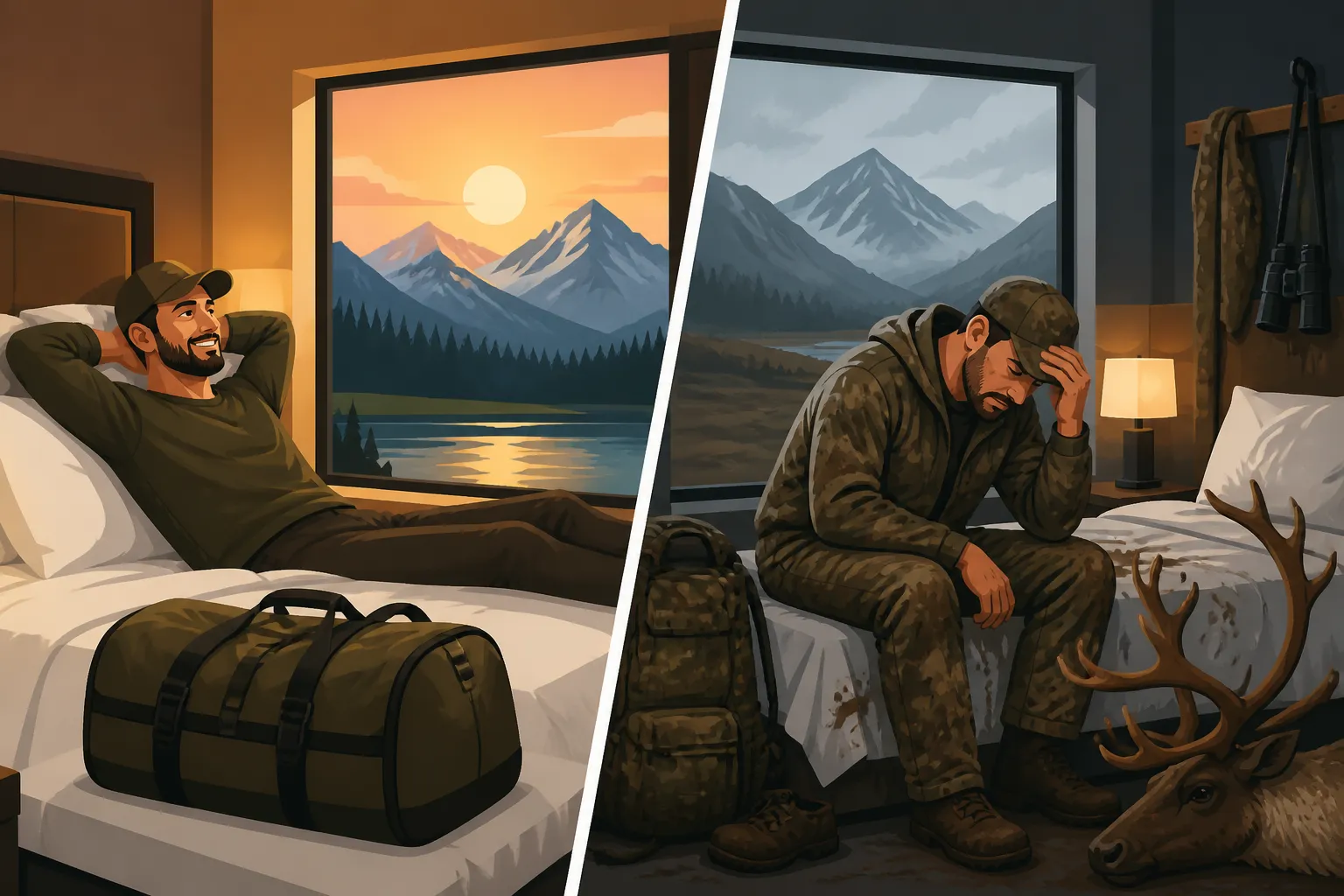
Alaska hunting is physically demanding. Period. Even if you're in peak physical condition, the travel alone can be exhausting. Long flights, time zone changes, and the sheer mental load of preparing for a hunt can wear you down before you even set foot on the tundra. A night or two in a real bed, with access to a hot shower and a proper meal, can make a world of difference. It allows you to shake off travel fatigue, get a good night's sleep, and start your hunt fresh and focused. This isn't a luxury; it's a strategic move for a successful hunt.
And after the hunt? You'll be physically drained, perhaps sore, maybe even a little dehydrated from days in the field. Your body will crave comfort. Having a reserved hotel room where you can relax, clean up, and celebrate (or commiserate) without the pressure of immediately catching another flight is invaluable. It helps with the mental transition from survival mode back to civilization and prevents you from making rash decisions when you're tired.
Weather Delays: The Alaskan Wildcard
Alaska weather is famously unpredictable. A beautiful, clear morning can turn into a whiteout blizzard in hours. Fog can shut down air travel for days. Rain can ground planes indefinitely. These delays are not "if," but "when" in Alaska. If you've booked your commercial flights too tightly around your bush plane schedule, even a short weather delay can cause you to miss your flight home, leading to expensive changes, lost luggage, and massive headaches. Building in buffer days with hotel stays gives you crucial flexibility. What Happens if Weather Traps You in Camp explores the realities of these delays in the field.
Think of those pre-hunt hotel nights as your insurance policy against weather. If your bush flight is delayed a day, you simply relax in town rather than scrambling. Post-hunt, if your return bush flight is pushed back, you don't miss your main flight out of Alaska, because you've got a couple of extra nights built into your plan. It’s an investment in peace of mind.
Choosing Your Base Camp City: Anchorage, Fairbanks, or Other Hubs
The city you choose for your pre and post-hunt hotel stays will largely depend on where your hunt takes you. Alaska is vast, and different regions are best accessed from different hubs.
Anchorage: The Main Gateway
For most nonresident hunters, Anchorage (ANC) is the primary point of entry into Alaska. It’s the state’s largest city and offers the most commercial flight options, car rentals, and a wide array of hotels. If you're heading to the Alaska Peninsula for brown bear, Kodiak for deer, or many interior moose or sheep hunts, Anchorage will likely be your initial and final stop. Alaska Brown Bears on the Coast Versus Interior Grizzlies or Sitka Blacktail Deer of Alaska's Island Rainforest are often accessed via Anchorage.
Anchorage has numerous hotels ranging from budget-friendly options near the airport to more upscale choices downtown. You'll find plenty of sporting goods stores for any last-minute gear needs, numerous restaurants, and reliable services for meat processing and trophy expediting. Many air taxi services and guide-outfitters operate out of airstrips near Anchorage, or arrange direct pickups from the international airport. When using a service like BookYourHunt to find a guided trip, pay close attention to the listed starting and ending points, as they will dictate your necessary hotel stays.
Fairbanks: Interior Alaska Access
If your hunt is located in Interior Alaska – perhaps for moose in the Fortymile country, caribou on the North Slope, or Dall sheep in the Brooks Range – Fairbanks (FAI) often makes more sense as your base camp. Fairbanks is further north and can significantly cut down on internal travel time and cost if your final destination is deep in the interior. Caribou Herds of Alaska and How They Move often have migration routes best accessed from Fairbanks area air taxis.
Fairbanks is a smaller city than Anchorage but still offers all the essential amenities for hunters: hotels, sporting goods, meat processors, and several excellent air taxi operators. If you're considering a hunt along the Dalton Highway, Fairbanks is almost certainly your jumping-off point. It also tends to experience more extreme cold in the shoulder seasons, which can be a factor if you're arriving very early or staying late.
Smaller Towns: Specific Hunt Needs
Sometimes, a smaller town like Bethel, Kotzebue, Dillingham, or King Salmon might be your necessary hub. These are often regional centers for specific, remote hunting areas. For example, if you're flying into a hunt on Nunivak Island for muskox, you'd likely fly commercially to Bethel, then catch a smaller regional charter. Muskox in Alaska: Nunivak, Nelson and the North Slope details these hunts. These towns typically have fewer hotel options, which can be pricier and book up quickly, especially during peak hunting seasons.
Accessing these smaller hubs also adds another layer of complexity to your travel. Commercial flights to these towns might be less frequent and more susceptible to weather delays than flights to Anchorage or Fairbanks. Always check the schedules carefully and build in even more buffer time if your hunt requires starting from one of these remote villages. This is where meticulous trip planning, possibly with a service like GoHunt, can really pay off in understanding regional logistics.
Budgeting for Your Hotel Stays: Beyond the Nightly Rate
Don't just think about the cost of the room itself. There's a whole constellation of expenses that orbit around those hotel nights, and understanding them upfront will prevent sticker shock.
Understanding Variable Rates
Hotel prices in Alaska, especially in Anchorage and Fairbanks, can fluctuate wildly depending on the season and local events. Peak tourist season (June-August) will generally see higher rates, as will hunting seasons when rooms fill up with other outdoor enthusiasts. Shoulder seasons (April-May, September-October) might offer slightly better deals, but demand can still be high. Always check well in advance and consider booking flexible rates if you anticipate needing to adjust your dates due to potential weather or hunt changes.
If you're hunting with a guide, they might have preferred hotels or even discounts for their clients, so always ask. Some hunting packages might even include a night or two of lodging, but don't assume. Always clarify what is and isn't covered in your What an Alaska Guided Hunt Price Includes.
Hidden Costs: Luggage, Food, and Taxis
Your hotel stay isn't just the room charge. Consider these other common expenses:
- Extra Luggage Fees: After a hunt, especially a successful one, you'll likely have extra bags for meat and capes. Airlines charge for these, and the fees add up. Factor in the cost of Airline Rules for Frozen Game Meat and proper packaging for your flight home.
- Food: You'll need to eat! Dining out in Alaskan cities can be pricey. Budget for restaurant meals or, if your hotel has a kitchenette, consider grabbing groceries.
- Transportation: Unless your hotel offers a free airport shuttle, you'll be paying for taxis, ride-shares, or shuttle services. If you rent a car for your time in town, that's another expense, but it offers flexibility for running errands.
- Meat Processing & Shipping: These services are invaluable but come with a cost. You'll need to arrange for your game meat to be cut, wrapped, and frozen, and potentially shipped home. This can be a substantial expense post-hunt. Meat Processing and Freight From Bush Alaska covers these logistics.
- Storage: If you end up with an unexpected delay, you might need to pay for frozen storage for your meat or cold storage for your cape while you wait for your flight.
Saving Strategies: Loyalty Programs and Off-Peak
If you travel frequently, leveraging hotel loyalty programs can save you money or earn you free nights. Signing up for email alerts from hotels in your target cities can also notify you of special offers. During very busy times, looking slightly outside the immediate airport area might yield better rates, though you'll then need to factor in transportation costs.
One often-overlooked strategy is to plan your buffer nights during slightly off-peak times if your hunt dates allow flexibility. For instance, if your hunt technically ends on a Saturday, staying until Tuesday might be cheaper than leaving on Sunday if it's a popular travel day. This is particularly true if you're flying in for a hunt that isn't tied to the absolute peak of the rut or a specific season opening.
| City | Pros for Hunters | Cons for Hunters | Typical Services for Hunters |
|---|---|---|---|
| Anchorage | Most commercial flights, wide hotel selection, many gear shops, diverse services. | Can be busy/expensive, further from some interior hunt areas. | Meat processors, taxidermists, air taxis, sporting goods. |
| Fairbanks | Closer to Interior/Arctic hunts, good air taxi options, smaller feel. | Fewer commercial flights, colder weather, fewer hotel options than Anchorage. | Meat processors, air taxis, limited gear shops. |
| Remote Hubs | Direct access to specific remote hunt areas, minimize internal flight legs. | Limited hotels/services, higher regional flight costs, more weather-prone. | Basic lodging, local air charters, limited amenities. |
Practical Tips for Booking and Managing Your Hotel Nights
Now that we've covered the why and where, let's talk about the how. Making smart booking decisions can smooth out the entire experience.
When to Book: Timing is Everything
For an Alaska hunt, "early" is almost always better. Many guides book years in advance, and likewise, popular hotels, especially those with good hunter-friendly amenities (like freezers for game meat or shuttle services to air taxis), fill up quickly. As soon as your hunt dates are firm, book your hotels. This applies even more rigorously if you are using a service like BookYourHunt or GoHunt to secure your trip, as they can sometimes offer insights into optimal booking windows for your chosen region.
Waiting until the last minute can leave you with limited, expensive options, or worse, no rooms at all. Remember, you might be arriving during peak tourist season or alongside other hunters for specific draw hunts.
Flexible Bookings for Unpredictable Alaska
While booking early is key, booking with flexibility is equally important. Look for hotels that offer free cancellation up to a certain point (e.g., 24-48 hours before check-in). This gives you an out if a weather delay alters your plans significantly, or if your bush pilot has to push back your pickup. You might pay a slightly higher rate for a flexible booking, but it's a worthwhile investment given Alaska's unpredictable nature. If you're paying non-refundable rates to save a few dollars, just be aware of the risk if Mother Nature decides to throw a wrench in your plans.
Consider purchasing travel insurance that covers trip interruptions or delays. While it won't replace a flexible hotel booking, it can help mitigate the financial impact of having to cancel or rebook flights and hotels due to unforeseen circumstances. This is particularly relevant given the potentially high cost of Emergency Evacuation Plans in Remote Alaska if something goes wrong in the field.
Handling Gear and Meat Post-Hunt
The end of the hunt can be chaotic. You're exhausted, potentially dirty, and have a lot of bulky items to deal with. Choose a hotel that understands hunters. Some hotels, particularly in Anchorage and Fairbanks, are accustomed to hunters and might offer:
- Freezer space: Essential for keeping meat frozen if your processor can't hold it until your flight, or if you're taking care of your own trophy capes.
- Designated cleaning areas: For washing muddy boots or rinsing bloody game bags.
- Shuttle services: To the airport, local meat processors, or even large sporting goods stores.
When you fly out of the bush, you'll likely go directly to a meat processor or taxidermist before checking into your hotel. Coordinate this with your air taxi pilot and processor in advance. They can often pick up your meat and capes directly from the airfield, allowing you to head straight to the hotel for a much-needed shower. For bigger animals like moose, you'll be dealing with significant weight and volume, so planning for Quartering a Bull Moose Alone in the Field and then transporting that bulk is critical. Remember, you'll also need to consider Shipping an Alaska Bear Hide to a Taxidermist or other trophies.
Make sure you have a clear plan for your meat and trophy care before you even leave for Alaska. Knowing where everything is going, who is handling it, and what your timeline is will save immense stress after the hunt.
Disclaimer
This article is for general informational purposes only and does not constitute professional advice. Laws, prices and regulations vary by location and change over time. Consult a qualified professional for guidance on your specific situation.