Meat Shipping Cost From Bush Alaska
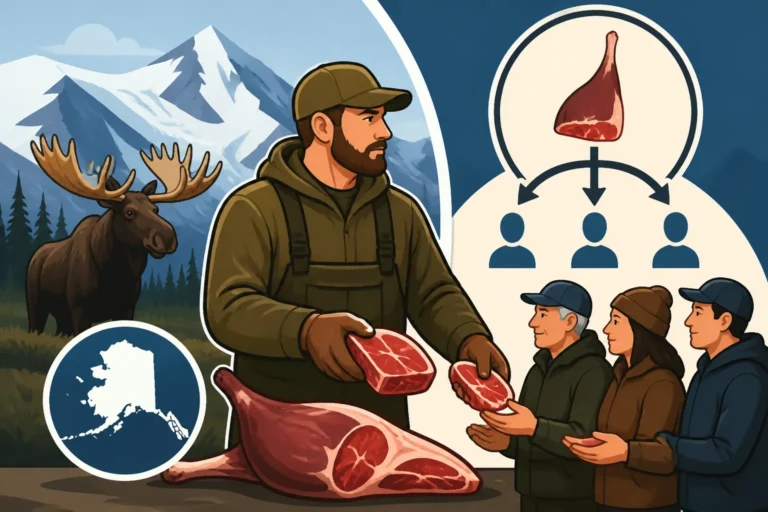
You’ve done the hard work, put in the time, and successfully harvested an incredible animal in the Alaskan bush. The picture is taken, the stories are already brewing, but now comes the very real, often overlooked, and frankly, sometimes daunting challenge: getting that precious wild game meat, along with your cape and antlers, from the middle of nowhere, Alaska, all the way back to your freezer at home. Many hunters focus intensely on the hunt itself, only to be surprised by the complex logistics and significant costs associated with transporting their trophy and meat out of the remote wilderness. This guide will walk you through the various factors that influence the cost of shipping meat from bush Alaska, offering a realistic look at what to expect and how to plan for it.
The Reality of Post-Harvest Logistics in the Last Frontier
Alaska isn't like hunting in the Lower 48, where a butcher shop might be a short drive from the trailhead. Here, "road system" often means relative proximity to Anchorage, Fairbanks, or a few other towns. "Bush Alaska" means you're flying in, floating in, or perhaps using an ATV far from any paved road. When you're standing over a downed moose or caribou, the clock starts ticking, and the initial euphoria quickly gives way to a practical scramble to preserve and transport your hard-earned game. The vast distances, lack of infrastructure, and often unforgiving weather create a unique set of challenges that directly impact your budget.
This isn't just about bagging your animal; it's about honoring the animal and the effort you put in by ensuring every edible ounce makes it home in prime condition. Neglecting the shipping plan can lead to spoiled meat, unexpected financial burdens, or even leaving parts of your trophy behind. It's a critical part of the Alaskan hunting experience, and understanding it upfront can save you a lot of headache and heartache.
Key Factors Influencing Meat Shipping Costs from Bush Alaska
The price tag on getting your game home isn't a simple flat fee. It's a dynamic sum influenced by several interconnected factors, each adding its own layer of complexity and cost. Thinking through these points well before your hunt can help you budget more accurately and avoid sticker shock.
Weight and Volume of Your Harvest
Let’s be honest, an Alaska-Yukon moose is a colossal animal. A mature bull can yield hundreds of pounds of bone-in meat, not to mention a substantial cape and a rack that might measure 60 inches or more. Compare that to a Dall sheep ram, which is a fraction of the size. The sheer mass and bulk of your harvest are perhaps the most significant drivers of shipping costs.
- Moose: Imagine a full-grown bull moose. After quartering and deboning, you're still looking at anywhere from 400 to 800 pounds of meat, plus a heavy hide and antlers. That's easily enough to fill multiple large coolers, each weighing 70-100 pounds when packed. Each of those coolers needs to be flown out, often on multiple trips by a bush plane. This weight adds up fast on a "per pound" or "per load" basis. Understanding How Much Meat an Alaska Bull Moose Yields is essential for planning.
- Caribou: While smaller than a moose, a large caribou can still provide 150-250 pounds of meat. Many caribou hunts allow for multiple animals, meaning even more weight to transport.
- Sheep and Goat: These mountain animals are considerably smaller, often yielding 60-100 pounds of meat. While less expensive to fly out due to weight, the remote, high-alpine locations they often come from can still make the initial transport costly.
- Bear: Coastal brown bears, especially those from the Alaska Peninsula, are immense. Their hides alone are incredibly heavy, and when paired with significant meat salvage requirements, the total weight can be substantial. Squaring a Brown Bear Hide is a common measure of size, but the actual weight for transport is the challenge.
Antlers and horns are bulky and can be difficult to pack. While relatively light, they often take up significant space. If you're looking to get a full shoulder mount, the cape adds even more bulk and weight, requiring specialized care to prevent spoilage. Cape Care for a Life-Size Bear Mount requires specific considerations for transport.
Remoteness of Your Hunting Area
The "bush" isn't a monolithic entity. There's a huge difference in logistics between hunting a moose off a well-traveled river that a jet boat can access versus harvesting a caribou from a tiny tundra strip where only a Super Cub can land.
- Air Taxi Dependent Zones: Most serious Alaska big game hunts require air transport. You'll likely be flown into a remote lake or gravel bar by a bush plane. The cost of this initial flight out of your kill site to a road-system hub (like Fairbanks, Anchorage, or a smaller regional town) is often the largest single shipping expense. Air taxi services charge based on hourly flight time, fuel consumption, and load capacity. If your pilot has to make multiple trips to haul out all your meat and gear, those costs multiply quickly. You'll want to review Estimating Flight Cost From Base to Camp when you're planning your trip.
- Road-Accessible Areas (Relative Term): Even in areas considered "road-accessible," such as parts of Unit 13 or along the Denali Highway, you might still be packing meat for miles to reach your vehicle. Once at your vehicle, you still need to drive it to a town with proper freezer facilities or an air cargo terminal. This eliminates the bush plane leg, but adds vehicle mileage, fuel costs, and potentially more coolers.
- Water-Based Access: Float hunts down rivers, or boat-based hunts along the coast, offer different logistics. While you might not need an air taxi for the final leg, you still need to get your boat-load of meat to a port or community with commercial shipping options. Loading a Bull Moose Into a Raft is a huge task, and getting it from there to an airline is another step.
The more remote your kill site, the more expensive and complex the logistics become. This is where planning with your transporter or outfitter is absolutely vital. Many hunters consult resources like GoHunt or BookYourHunt to find outfitters who specialize in particular areas and have established logistical chains for meat and trophy removal.
Season and Temperature Considerations
Alaska's seasons play a huge role in meat preservation and, consequently, shipping choices.
- Warm Weather Hunts (Early Fall): A significant portion of moose and caribou seasons occur in September when daytime temperatures can still be warm, sometimes reaching into the 50s or 60s Fahrenheit. In these conditions, immediate and effective cooling is paramount. This might involve packing meat in snow or submerging it in cold creek water if available, then getting it quickly to a cooler with ice or a freezer. Hanging Meat in Warm September Weather details some techniques, but fast transport is still key. The urgency of preserving meat in warm weather often necessitates expedited shipping, which almost always means higher costs. You might opt for a quicker, more expensive air cargo option to avoid spoilage.
- Freezing Temperatures (Late Fall/Winter): Hunting later in the season, when temperatures are consistently below freezing, offers a distinct advantage. Meat can freeze solid in the field, making it much more resilient during transport. This can potentially allow for slightly slower, less expensive shipping methods, as the risk of spoilage is significantly reduced. However, handling frozen meat can be difficult, and it still needs to be protected from thawing during transit.
The weather forecast for your hunt dates should factor into your meat handling and shipping plan. Always err on the side of caution when it comes to preserving your harvest.
Methods of Shipping Meat from Bush Alaska
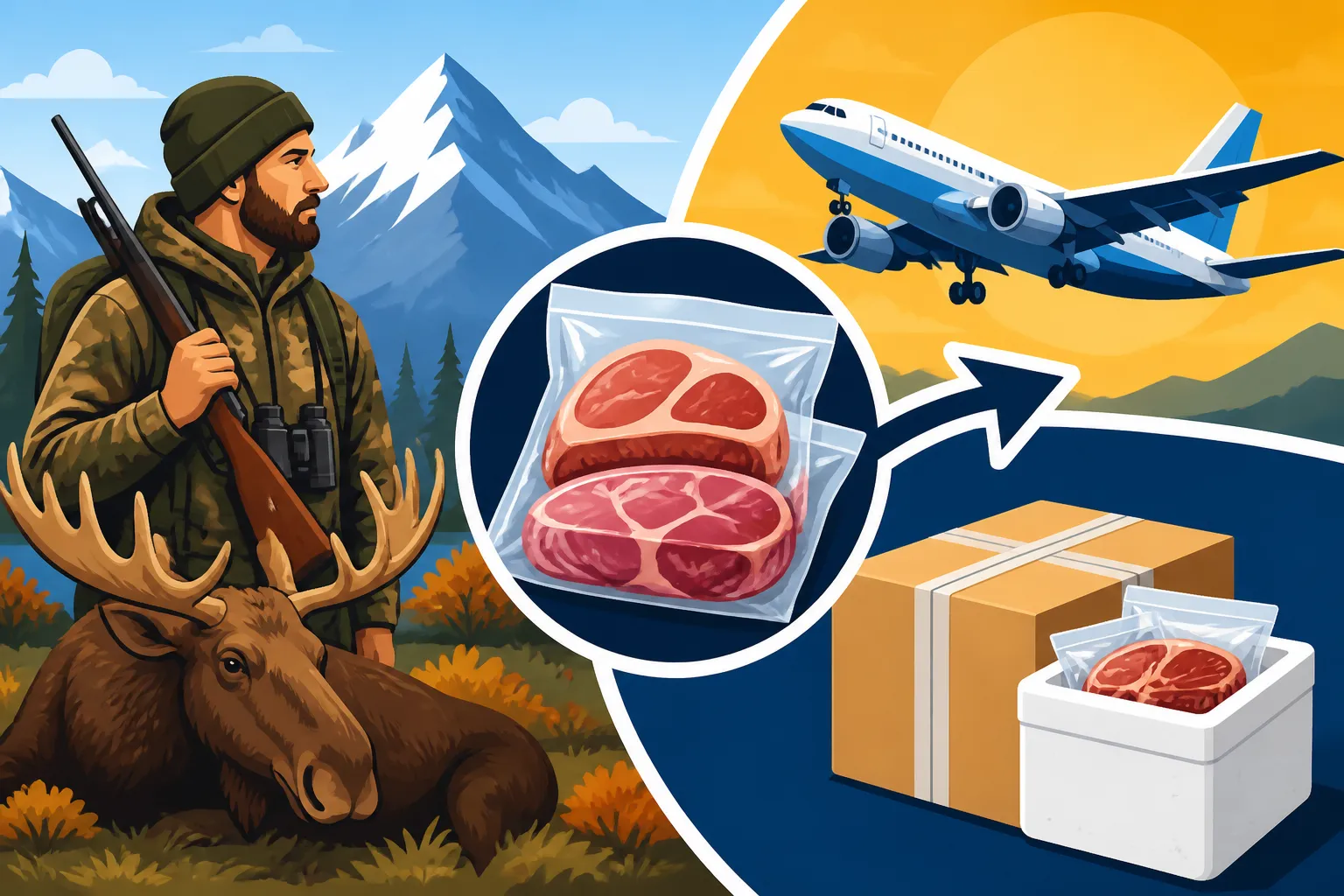
Once your animal is quartered and cooling in the field, you'll generally follow a two-stage process for getting it home: first from the kill site to an Alaskan hub town, and then from that hub town to your final destination.
Stage 1: From Kill Site to Alaskan Hub (Bush Plane is King)
This is often the most critical and expensive leg of the journey, directly impacted by the remoteness of your hunt.
- Air Taxi Services: For most fly-in hunts, a licensed air taxi operator is your lifeline. They'll fly into your camp, pick up your gear and meat, and transport it to the nearest road-accessible town or regional airport. The cost for this service is typically based on flight time, often with a minimum charge. Expect the air taxi to charge for all flights required, including potentially multiple "meat flights" if your animal is large. It's not uncommon for these costs to be several hundred to over a thousand dollars, depending on distance and the number of loads. Always clarify these costs with your transporter beforehand. You'll also want to ask about Second Trip Charges for Meat Hauling when you book.
- Riverboat/ATV Shuttle: If your hunt allows for river access or ATV use, you might arrange for a local outfitter or transporter to shuttle your meat by boat or ATV to a pickup point on the road system. This can sometimes be a more cost-effective initial transport than an air taxi, but it's only an option in specific areas with the right geography and available services.
Stage 2: From Alaskan Hub to Your Home (Commercial Air Freight)
Once your meat reaches an Alaskan town with a commercial airport (like Anchorage, Fairbanks, Juneau, or Kodiak), you'll typically ship it via air cargo.
- Commercial Airlines (Cargo Divisions): Major airlines operate cargo divisions that specialize in shipping goods, including perishable items like frozen meat. You'll need to contact the cargo department directly, not the passenger service, to arrange this.
- Packaging: Meat must be properly packed in leak-proof, insulated coolers or specialized shipping boxes. Most airlines have specific requirements for how meat is packaged. Dry ice is often recommended (or required) for maintaining temperature, but there are regulations around its use and quantity.
- Cost Structure: Commercial air cargo is usually priced by weight, with various tiers for speed (e.g., standard, express). There will likely be minimum charges per shipment, and potentially extra fees for large or unusual packages. The per-pound rate can vary significantly.
- Logistics: You'll need to deliver your packed meat to the airline's cargo facility, which is often separate from the passenger terminal. You'll also need to arrange for pickup at your destination airport.
- Specialized Game Meat Shippers: Some companies specialize in processing, freezing, packaging, and shipping wild game. They often have partnerships with airlines and can handle all the logistics from an Alaskan hub to your doorstep. While this is often the most convenient option, it typically comes with a premium price tag. Services like this are especially valuable for non-resident hunters who don't want to spend precious vacation days coordinating shipments.
- Personal Transport (As Checked Baggage): If you've only harvested a smaller animal (like a sheep or a modest caribou), or if you're splitting a larger animal with a hunting partner, you might be able to take some of the meat as checked baggage on your passenger flight.
- Airline Rules: Each airline has strict weight and size limits for checked bags, usually 50 pounds (sometimes 70 pounds) per cooler, with associated fees for oversized or overweight items. You'll need hard-sided coolers, and many airlines require meat to be frozen solid with no wet ice.
- Cost: This can be a more economical option for smaller quantities, as standard checked bag fees are often less than cargo rates. However, if you exceed the number of allowed bags, or if your bags are overweight, the fees can quickly escalate. It's critical to check your specific airline's current policies and fees before you fly. Airline Rules for Frozen Game Meat covers the basics, but always verify directly with your carrier.
Practical Steps for Preparing Meat for Shipment
Proper field care and preparation are non-negotiable for ensuring your meat arrives in good condition.
- Cooling and Quartering: Immediately after the kill, field quarter your animal and get the meat cooling. This means removing hide, gutting, and separating the large muscle groups. Air circulation is key. In cold weather, you might hang quarters; in warmer temps, cooling in cold water can help.
- Game Bags: Use breathable game bags (cotton or synthetic mesh) to protect the meat from flies and dirt while allowing it to cool and form a protective "crust." Avoid plastic bags at this stage. Game Bags That Breathe in Coastal Rain are particularly important in Alaska's maritime climate.
- Butchering (Optional, but Recommended for Shipping): While you can ship bone-in quarters, many hunters opt to have their meat professionally deboned and cut into manageable pieces at a butcher shop in an Alaskan hub town. This reduces weight and volume, making shipping more efficient and often more cost-effective. Plus, it arrives ready for your freezer.
- Freezing: Ideally, all meat should be frozen solid before shipping. This is best done at a commercial cold storage facility in an Alaskan town. They have blast freezers that can freeze large quantities quickly.
- Packaging for Shipment: Once frozen, the meat is typically packed into sturdy, insulated coolers or waxed cardboard shipping boxes. These need to be taped securely to prevent leaks. Label all packages clearly with your name, contact information, and destination.
| Shipping Method | Initial Cost Driver (Shape) | Speed (Relative) | Convenience (Relative) | Ideal For |
|---|---|---|---|---|
| Bush Plane (Kill Site to Hub) | Per load / hourly flight time | Fast | Low (remote pickup) | All fly-in hunts, heavy loads |
| Commercial Air Cargo | Per pound / minimum charge | Moderate to Fast | Moderate | Large quantities, valuable meat |
| Specialized Game Shipper | Flat fee / per pound (premium) | Moderate to Fast | High (door-to-door) | Non-residents, time-constrained hunters |
| Checked Baggage | Per bag / overweight fees | Fast | Low (limits) | Small quantities, self-transport |
| Ground Transport (Personal) | Fuel / vehicle wear and tear | Slow | High (direct control) | Road-accessible kills, shorter distances |
Estimating the Overall Cost: A Realistic Outlook
So, what are we talking about here in terms of actual cost? While I can't give you exact dollar figures, I can tell you that these expenses are not trivial and can easily add hundreds, or even thousands, of dollars to your overall hunt budget.
Here’s a breakdown of the types of costs you should anticipate:
- Bush Plane Freight (Kill Site to Alaskan Hub): This is often the biggest variable. If you're 100 air miles from town and need two separate flights to get all your meat, hide, and antlers out, those flight hours add up quickly. This portion alone can range significantly, depending on the operator and distance. Hunters planning these trips often utilize outfitters found through services like BookYourHunt or GoHunt, who can help coordinate with reputable air taxis.
- Commercial Air Cargo (Alaskan Hub to Home): Expect per-pound charges, often with different rates for standard or expedited services. A large moose harvest might incur several hundred dollars in cargo fees. Add to that the cost of coolers if you don't bring your own, and potentially dry ice.
- Processing Fees (Optional): If you opt for professional butchering, cutting, and wrapping at an Alaskan facility, you'll pay a per-pound fee for that service. This can vary widely depending on the facility and the complexity of the cuts.
- Cold Storage/Freezing Fees: If your meat needs to be held in a freezer for a few days before shipping, many facilities charge a daily or weekly storage fee.
- Checked Baggage Fees: If you transport some meat as checked baggage, budget for standard baggage fees, and potentially overweight/oversized baggage fees for each cooler.
- Ground Transportation: Don't forget the costs of getting your meat from the Alaskan airport cargo facility to your overnight lodging, and then to the cargo facility for shipment. Also, the cost from your home airport to your house.
It's crucial to factor these expenses into your total hunt budget from the very beginning. Many seasoned Alaska hunters set aside a specific portion of their budget just for post-harvest logistics, often finding it to be a substantial line item. Planning ahead, communicating clearly with your air taxi or outfitter about their specific pricing for meat hauling, and choosing the most efficient packaging methods can help mitigate these costs. Don't be afraid to ask detailed questions about all potential fees before your hunt begins.
Disclaimer
This article is for general informational purposes only and does not constitute professional advice. Laws, prices and regulations vary by location and change over time. Consult a qualified professional for guidance on your specific situation.