Sharing an Area With Another Outfitter
It's a common fear when you're planning a hard-earned Alaska hunt: investing time, money, and dreams into a trip, only to arrive and find another hunting party already working "your" area, or worse, see multiple groups. This can be incredibly frustrating, especially in a place as vast as Alaska, and it leaves you wondering how much privacy and wilderness experience you can truly expect. This guide will walk you through why this happens, how to research and minimize potential overlap, and what to do if you encounter other hunters in the field.
The Reality of Shared Hunting Grounds in Alaska
When we dream of Alaska hunting, often we envision pristine wilderness, miles of solitude, and a vast landscape where we're the only human presence for hundreds of square miles. While that experience is still very much alive, the reality, especially for more accessible or popular hunting areas, is that you might not always have an entire basin or drainage to yourself. It's a vast state, yes, but hunting pressure, even light pressure, tends to concentrate in certain areas, particularly those known for good game populations or those with easier access points for air taxis or road vehicles.
Think about it from a guide's perspective. They have their regular clients, their established camps, and their proven hunting grounds. But sometimes, those "proven grounds" might be on public land, or within a concession area that might also see activity from other outfitters holding permits for the same general region. It’s not necessarily a sign of a bad guide, but rather a reflection of the complex landscape of public land use and commercial operations in Alaska. Understanding this upfront can help manage your expectations and prepare you for a more realistic hunt.
Why Overlap Happens: Concessions and Public Lands
Alaska's land ownership is a patchwork quilt, and this is a key factor in why hunting areas might be shared. You have vast stretches of federal land (national parks, preserves, refuges), state land, Native Corporation lands, and even some private parcels. Most guided hunting takes place on public lands, primarily federal or state, where outfitters operate under concessions or permits. These permits often define broad operating areas, not exclusive, tightly-drawn boundaries that guarantee solitude.
For instance, a guide might have a permit to operate within a specific Game Management Unit (GMU) or a large portion of a national preserve. Another guide could hold a similar permit for the same GMU, or even a different concession within the same preserve. These permits are granted by land management agencies, and while they regulate the number of operators, they don't always guarantee absolute exclusivity within a shared landscape. Sometimes, specific areas might even be known "hot spots" for certain species, naturally drawing more interest from different outfitters and independent hunters alike. This is especially true in areas accessible by aircraft, as outlined in Fly-In Hunting Areas Across Interior Alaska.
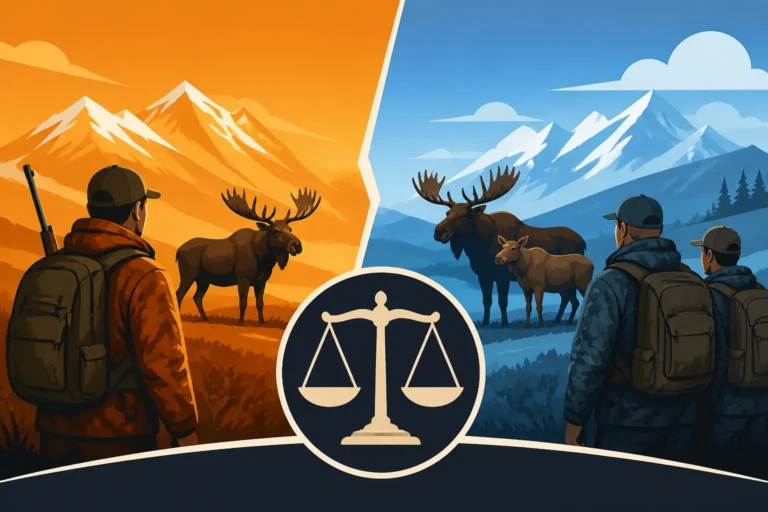
Adding to this complexity are the private hunters, often Alaskans, who can access many of these public lands without needing a guide, further increasing the potential for encounters. While guides operate with their own permits, they don't own the land. Therefore, you can have a legitimate guided operation working a drainage, and an independent hunter or another outfitter also legally hunting nearby. It’s a bit like fishing a popular river; everyone has a right to be there, and responsible navigation is key.
The Impact on Your Hunt Experience
Encountering another hunting party can certainly dampen the "wilderness immersion" experience many of us seek in Alaska. Imagine spending days glassing a sheep mountain, finally spotting a ram, only to have another group appear on the ridge above you, or see their plane land down in the valley you were planning to approach. It can feel like a violation of the solitude you paid for, and it can definitely impact your hunting strategy.
The most immediate impact is often on game movement. If multiple parties are pushing animals around, game might become warier, shift patterns, or even vacate an area entirely. Noise from other camps, engine sounds from planes or ATVs, or even just human scent can all contribute to making animals more elusive. This isn't just a hypothetical concern; it's a very real challenge that can complicate stalks, reduce calling effectiveness, and force hunters to adapt their plans on the fly. Furthermore, the psychological impact shouldn't be underestimated. That feeling of being alone in the vastness of Alaska is a huge part of the appeal for many, and its absence can simply make the hunt less enjoyable.
| Potential Impacts of Shared Hunting Areas | Description |
|---|---|
| Increased Game Pressure | Animals may become more wary, change feeding patterns, or move out of the area due to multiple human presences. |
| Reduced Opportunity | Another party might take the animal you were pursuing, or disrupt your stalk. |
| Loss of Solitude | The feeling of wilderness immersion can be diminished by seeing or hearing other hunters. |
| Safety Concerns | While rare, potential for mistaken identity or shots fired in the general direction of another party if awareness is low. |
| Ethical Dilemmas | Deciding how to interact with another party without compromising their hunt or yours. |
How to Research Potential Outfitter Overlap Before You Book
The best defense against encountering other hunters is proactive research. You wouldn't buy a car without checking its history, and you shouldn't book a significant Alaska hunt without doing your due diligence on the guide, the area, and the potential for shared spaces. This isn't about being paranoid; it's about being informed and ensuring your expectations align with the realities of the hunt you're signing up for. It’s a crucial part of the booking process, right up there with understanding Guide Contracts and Deposits in Alaska.
Even in Alaska, the internet has made a wealth of information available. Don't be afraid to dig deep, ask pointed questions, and use every resource at your disposal. The more information you gather upfront, the better prepared you'll be, both mentally and practically, for whatever the field throws at you. After all, a successful hunt isn't just about bagging an animal; it's about the entire experience.
Asking the Right Questions of Your Guide
This is your most direct line of inquiry. When you're speaking with a prospective guide, don't shy away from asking about their specific operating area and the likelihood of other parties. Frame your questions clearly and politely. For example, "What is your typical operating area for Dall sheep in August? How many other guide services or independent hunters might we reasonably expect to encounter in that general drainage during our hunt dates?" A reputable guide will be transparent and honest about this. They understand that clients seek a certain experience and will often prefer to manage expectations upfront rather than deal with disappointment later.
Ask about their concession boundaries and if those overlap with other outfitters. Inquire about their typical camp locations and whether those are established in truly remote, less-trafficked areas, or if they're near more popular access points. A great question to pose is, "Are there any specific areas within your hunting grounds that you actively avoid due to consistent pressure from other outfitters or private hunters?" This kind of detail can reveal a lot about their strategies and commitment to providing a quality, secluded experience. Also, ask about their Guide Concessions on Alaska Federal Land to understand the specific permits they hold. If you're talking with an outfitter through a booking platform like BookYourHunt, they often provide initial details, but follow up with direct, specific questions.
Leveraging Online Resources and Forums
Beyond direct conversations, a wealth of information sits online. Hunting forums, especially those dedicated to Alaska, are invaluable. Search for discussions about specific GMUs or even particular drainages if you know where your guide operates. Hunters often share their experiences, good and bad, including encounters with other parties. You might find threads detailing areas that are consistently crowded or insights into outfitters who have a reputation for operating in more secluded spots. Websites like GoHunt, which focuses on providing detailed hunting unit data, might offer some insights into general access points and potential pressure, although it won't explicitly map out "outfitter overlap."
Another tactic is to look at satellite imagery of the proposed hunting area. Tools like Google Earth or other mapping applications can reveal trails, old clearings, or even obvious gravel bars that serve as landing strips, which might indicate higher human activity. While you won't see other camps directly, areas with multiple obvious access points are naturally more prone to shared use. Cross-reference this with discussions you find online. Remember, public information is your friend in this research process. Looking at historical harvest reports for specific areas, if available, can also give you a sense of hunting pressure, though it won't tell you who was doing the hunting.
Navigating Shared Areas During Your Hunt
Even with the best research, Alaska is wild, and unexpected encounters can happen. A severe weather pattern might push animals from one drainage into another, causing multiple parties to converge on a single basin. A last-minute change in flight plans due to unforeseen circumstances could land you closer to another camp than originally planned. The key is to be prepared, maintain respectful communication, and know how to react in a way that preserves both your hunt and the experience of others.
The wilderness code of ethics dictates that hunters should strive to avoid interfering with another party's hunt. This often means giving a wide berth, being mindful of noise, and avoiding "sky-lining" yourself or otherwise making your presence obvious if you see another hunter actively stalking game. It's about respecting the shared resource and understanding that everyone out there is trying to have a good experience.
Communication and Etiquette in the Field
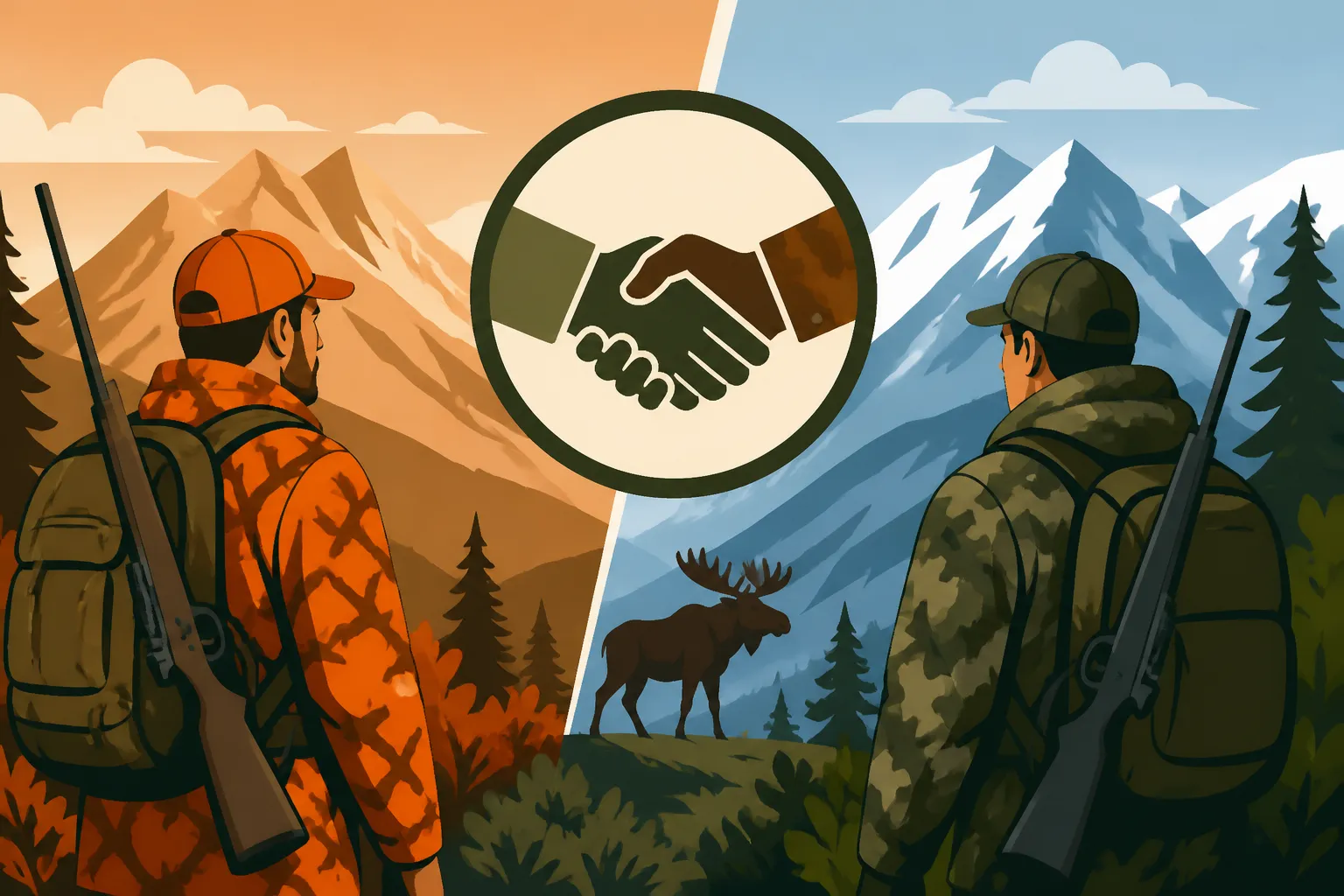
If you do encounter another hunting party, especially if they are close enough to affect your hunt, polite and respectful communication is paramount. Your guide should be the primary point of contact for this, if you are on a guided hunt. They are experienced in these situations and know the nuances of local etiquette, which can sometimes vary. A simple, friendly wave or a brief, non-confrontational conversation can often resolve potential issues. For instance, if you spot another group working a basin, your guide might use a radio to attempt contact with the other outfitter's base or aircraft to coordinate movements.
The goal is to avoid direct conflict and find a solution that allows both parties to continue hunting safely and ethically. This might mean one party agreeing to move to a different ridge or drainage for the day, or simply acknowledging each other's presence and maintaining a respectful distance. It's a delicate dance, but most hunters, guides included, appreciate open and honest communication. Remember the core principles: safety first, respect for wildlife, and respect for fellow hunters. This ethos extends to topics like Bear Safety While Butchering a Kill in Alaska—you might share space, but safety protocols are universal.
What to Do if You Encounter Another Party
First, assess the situation. Are they actively engaged in a stalk? Are they simply moving through the area? Is there immediate overlap that could cause a safety issue or directly interfere with your current hunt? If possible, and if safe to do so, try to communicate. If you're guided, let your guide take the lead. They might have a satellite device or radio that allows them to contact the other outfitter or air taxi to coordinate. When you’re Signal Devices and Check-In Plans for Solo Alaska Hunts, be sure to consider how you’d use those for inter-hunter communication too.
If direct communication isn't feasible or appropriate, the best course of action is often to give the other party a wide berth. This might mean changing your immediate plans, altering your route, or even backing off an area for a few hours or a day. It's frustrating, I know, but a temporary change of plans is usually better than ruining both parties' hunts or creating an uncomfortable confrontation. Remember that the other hunters are likely just as invested in their hunt as you are, and they might be just as surprised to see you. Maintaining a positive attitude, even in these moments, can make a huge difference in your overall experience. The vastness of Alaska usually means that with a little patience and flexibility, there's always another ridge to climb or another valley to explore.
Disclaimer
This article is for general informational purposes only and does not constitute professional advice. Laws, prices and regulations vary by location and change over time. Consult a qualified professional for guidance on your specific situation.