How Guides Rotate Camps Between Clients
One of the lesser-known but incredibly important aspects of planning a remote hunting trip in Alaska, especially with a guide, is understanding how those guides manage their camps and hunting areas. You might envision a single, permanent base camp, but the reality is often far more complex, requiring careful strategy to keep areas productive and hunters successful. This guide will walk you through the various ways Alaska guides rotate their camps between client groups, shedding light on the logistical dance that happens behind the scenes.
The Logistical Dance of Remote Camp Management
Hunting in Alaska isn't like hunting in many other places where you might have easy access to multiple spots via roads. Here, vast distances, unforgiving terrain, and often limited access points mean that every decision about where to put a camp is a strategic one. Guides don't just pick a spot and stick with it; they're constantly thinking about game pressure, habitat health, and the sheer wear and tear on an area.
Why Guides Must Rotate Camps
Imagine a pristine willow flat teeming with moose. If a guide brings hunter after hunter to the exact same spot for weeks on end, the game will quickly become educated and move out of the area. This concept of "pressure" is real and it impacts success rates. Rotating camps allows a specific location to rest, letting game animals settle back in and resume their natural patterns. It's about maintaining a sustainable hunting experience, not just for one season, but for years to come.
Beyond game pressure, there's the physical impact on the environment itself. Concentrating too many people in one small area can lead to increased trash, human scent, and even minor habitat degradation over time, especially in sensitive alpine or tundra environments. Guides committed to long-term success understand the need to spread out their impact. Furthermore, a guide might have multiple client groups throughout a season, sometimes even overlapping, necessitating different locations for each group to ensure quality hunting.
The Seasonal Nature and Limited Access
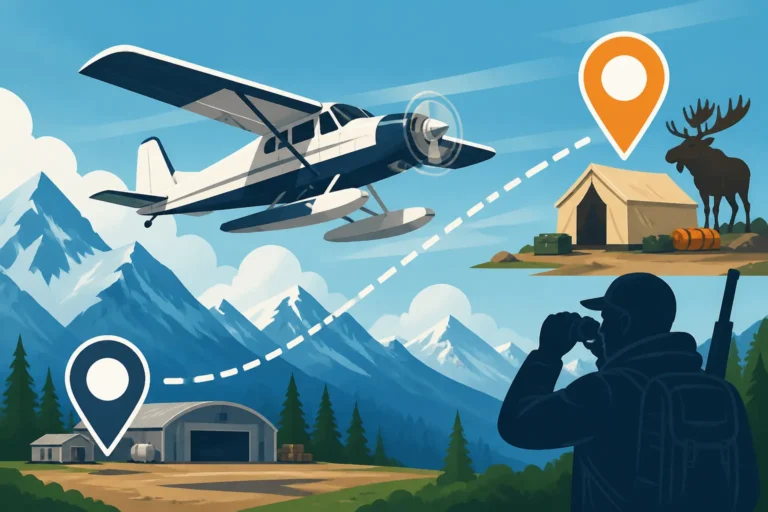
Alaska's hunting seasons are often compressed into short windows, especially for species like Dall sheep or moose. This means guides are trying to maximize their operational time, which puts immense pressure on their camp logistics. Access itself is often the biggest hurdle. Many prime hunting areas are only reachable by air taxi, requiring Gravel Bar Landings for Wheel Planes in Alaska or Float Plane Lakes in Interior Alaska. These landing sites are finite, and sometimes, a perfect hunting spot doesn't have a suitable landing strip nearby.
This limited access means that even if a guide wants to spread out their operations, they are often confined to specific valleys or drainages that offer safe and legal air access. Within these broad areas, they must then strategically place and move their camps. The season also progresses, and with it, game animals move. Early season hunts might focus on higher elevations for sheep, while the later moose rut drives guides to river bottoms and willow country. Each phase of the season might dictate a shift in primary camp locations, adding another layer to the rotation puzzle.
Impact of Weather on Rotation Schedules
If you've ever planned anything in Alaska, you know the weather is the ultimate boss. A guide might have a meticulously planned camp rotation schedule, but a sudden blizzard, a week of torrential rain, or persistent fog can throw everything into disarray. Imagine a group of hunters waiting for a pickup, ready to be moved to their next spot, only for the bush plane to be grounded for days. This isn't an uncommon scenario.
These "weather days" can cause significant headaches, not just for the departing hunters, but for the incoming group who might be stuck waiting at a remote village or even back in Anchorage. Guides often build flexibility into their schedules, but there's only so much you can plan for when Mother Nature decides to act up. Sometimes, a planned camp rotation might be delayed or even canceled, requiring quick thinking and alternative arrangements to keep the hunt moving forward. This is why having extra Building Extra Days Into a Fly-In Schedule is often a wise choice for hunters.
Different Types of Camp Rotation Strategies
Effective camp rotation isn't a one-size-fits-all approach. Guides employ various strategies depending on the species, terrain, duration of the hunt, and the number of clients they are managing.
Sequential Rotation: Moving Camps in a Cycle
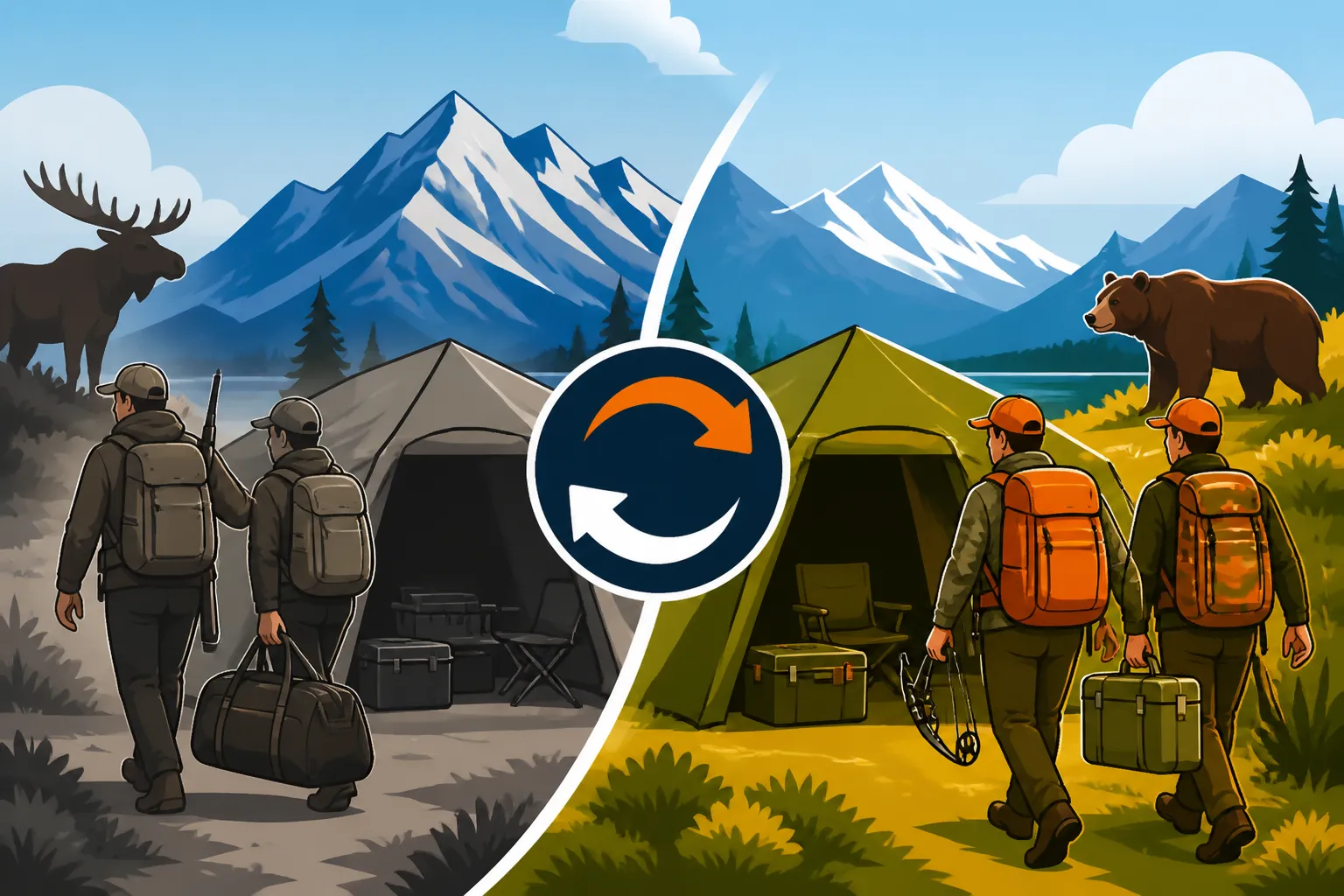
One common method is a sequential rotation, where a guide might have three or four primary camp locations within a general hunting area, often along a river system or within a large basin. They'll use Camp A for the first group, then move to Camp B for the second, Camp C for the third, and so on. By the time they come back to Camp A, several weeks or even a month might have passed, allowing the area to "cool down" and game to return.
This strategy works well for areas that can sustain repeated pressure over a long season, provided there's enough time between groups. It's particularly effective for species that have large ranges or whose movements are somewhat predictable. The guide has established infrastructure at each site—maybe a more robust tent system, cached supplies, or a cleared landing strip—making transitions relatively smooth, assuming the weather cooperates.
Resting and Staging Areas
Another approach involves designating certain areas as "resting" or "staging" zones. A guide might operate intensely in one part of their concession for a period, then shift operations entirely to another, allowing the first area to become essentially fallow for a few weeks. This isn't just about moving the physical camp, but about completely removing hunting pressure from a specific block of habitat.
These resting areas are crucial for allowing game animals to feel secure and for maintaining strong populations. The guide might still scout these areas from a distance or use trail cameras, but no direct hunting pressure is applied. Then, as the season progresses or a new type of hunt begins, they can re-enter these rested areas, often finding less wary animals. This strategy takes careful planning and enough available hunting ground to make it viable.
The "Spike Camp" System: Temporary, Mobile Camps
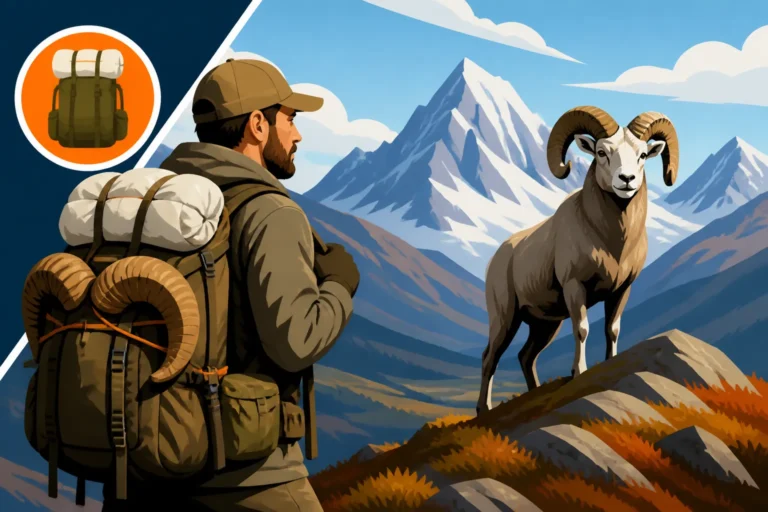
Sometimes, a guide doesn't just rotate large base camps but employs a "spike camp" system. This involves a lighter, more mobile camp that can be set up quickly and moved often, sometimes daily, to follow game or escape pressure. This is particularly common in Backpack Hunting in Alaska: Gear Weight and Meat Loads scenarios, like Dall sheep or mountain goat hunts where hunters are constantly on the move through rugged terrain.
A spike camp might be a small, lightweight tent pitched high on a ridge for a night or two, allowing hunters to access remote basins. Once the area is hunted, or if game moves, the camp is broken down, packed up, and moved to a new location. This minimizes the impact on any single spot and allows for maximum flexibility. The primary guide often leaves a larger base camp with an assistant guide, while they lead clients on these more nomadic spike camp excursions. It demands a highly fit client and an even fitter guide!
Overlap and Staggered Hunts
For guides running multiple hunts simultaneously, or those with very long seasons, managing overlap is key. This could mean having two client groups in completely different drainages at the same time, or staggering arrival and departure dates so that one group is heading out as another is coming in, utilizing the same base camp but ensuring they don't interfere with each other's hunt.
Staggered hunts often require meticulous scheduling and reliable air transport. The guide might pick up one group at a Setting a Take-Out Date With Your Pilot and drop off a new group, potentially even with the same aircraft, making the logistical chain highly efficient. However, this also means that if weather delays one pickup, it can have a domino effect on all subsequent hunts. Good communication with clients is paramount in these situations, and it's something many guides pride themselves on. When researching guides, platforms like BookYourHunt can sometimes offer insights into their operational style and how they manage multiple bookings.
Factors Influencing Camp Rotation Decisions
A guide's decision to rotate camps is rarely arbitrary. It's a complex calculation based on several interlocking factors, all aimed at maximizing hunter success while adhering to regulations and ethical practices.
Game Concentration and Pressure
This is perhaps the most obvious factor. Guides are always looking for where the game is and where it isn't being disturbed. If an area has seen recent hunting pressure, even if successful, a wise guide will rest it. They might have a "honey hole" that consistently produces, but overuse can quickly diminish its value. They're constantly evaluating how many animals are present, their behavior (are they skittish?), and how long it's been since the last hunt.
Furthermore, game animals themselves move. Caribou herds undertake massive migrations, and a camp that was ideal last week might be barren this week. Moose move into specific areas during the rut, and then disperse. A guide's intimate knowledge of these animal patterns, built over years of experience, is critical for effective camp rotation, allowing them to shift operations to follow the game or anticipate its movements.
Regulatory and Concession Limits
Guides don't have free rein over all of Alaska. They operate within specific game management units (GMUs) and often hold concessions on federal lands (like National Preserves or Forests) or state lands. These concessions dictate the specific areas where they are legally allowed to guide. Some concessions might have strict limits on the number of clients, the number of camps, or even how long a camp can be in one place.
For instance, a guide might have a concession for a certain river system but be limited to only two primary camp sites within it, necessitating careful rotation. Or, on federal lands, there might be specific rules about Leaving Gear Cached on Public Land versus completely removing a camp. Understanding these complex regulations is a core part of a guide's business, and it directly influences how they manage their camps and hunter groups. When comparing different outfitters, resources like GoHunt often have articles discussing how different outfitters approach camp management and operate within these regulatory frameworks.
Camp Maintenance and Resupply
Running remote camps is a logistical nightmare even without clients. Camps need to be set up, maintained throughout the season, and then broken down. This includes everything from ensuring tents are watertight, stoves are functioning, and food caches are bear-proof. The effort required for Tent and Stove Rentals From an Alaska Transporter or maintaining their own gear is immense.
Rotation isn't just about moving hunters; it's about moving supplies. Food, fuel, water purification supplies, emergency gear – all need to be moved and replenished. A guide might rotate a camp to a location closer to an air strip or river access point simply for a major resupply drop. Over time, a heavily used camp site might require deeper maintenance, like rebuilding a fire pit or improving drainage, which also necessitates taking it out of rotation for a period.
Client Expectations and Hunt Durations
Finally, client expectations play a role. Some hunters prefer a more comfortable, established base camp, while others are keen on a mobile, spike camp experience. A guide needs to match their camp rotation strategy to the type of hunt they've booked with a client. A sheep hunter often expects a very mobile experience, willing to push hard and move camp frequently, whereas a moose hunter might prefer a more fixed camp with day-hunting excursions.
The duration of the hunt also matters. A 7-day hunt might allow for one main camp and a brief spike out, while a 14-day hunt provides more flexibility for multiple moves or a longer rest period for specific areas. Guides often communicate these logistical details in their initial contracts or discussions, ensuring clients understand the nature of the camps and the mobility involved. Hunt Dates Written Into a Contract will often align with these logistical realities.
Here's a quick look at how various factors play into a guide's camp decisions:
| Factor | Impact on Camp Rotation Strategy |
|---|---|
| Game Pressure | Shifts camps to "rest" hunted areas; moves to fresh ground. |
| Animal Movement | Follows migrations (caribou) or rutting behavior (moose); adapts to feeding patterns. |
| Weather Conditions | Delays rotations, forces last-minute changes, requires contingency plans for prolonged stays. |
| Access Limitations | Constrains camp placement to suitable landing strips or river access points. |
| Regulatory Concessions | Dictates allowed areas, number of camps, and duration of stay at each site. |
| Camp Maintenance | Requires taking camps out of rotation for repairs, resupply, and heavy cleaning. |
| Client Type/Expectation | Influences choice between fixed base camps and mobile spike camps; tailored to hunt style. |
| Hunt Duration | Longer hunts allow more rotation flexibility; shorter hunts may rely on more permanent setups. |
| Cost Efficiency | Balancing flight costs for moving camps against maintaining productive hunting areas. |
What Hunters Should Know and Ask
As a hunter planning a trip to Alaska, understanding how your prospective guide manages their camps is vital for setting realistic expectations and ensuring a smooth experience. Don't be afraid to ask detailed questions!
Understanding the Guide's Approach Before Booking
Before you put down a deposit, have a frank conversation with your potential guide about their camp rotation strategy. Ask them:
- How many primary camp locations do you utilize for my species/area?
- Do you operate a fixed base camp, or are your camps more mobile?
- Will there be other client groups in the general area during my hunt, and how do you manage separation?
- What is your plan for resupply, especially for food and water?
- What happens if weather prevents a scheduled camp move or pickup? (What Happens if Weather Traps You in Camp is a good question here!)
A reputable guide will be transparent and happy to discuss these logistics. Their answers will give you a clear picture of what to expect in terms of comfort, mobility, and the overall hunting style. This is also a good time to discuss their Emergency Evacuation Plans in Remote Alaska.
The Importance of Flexibility as a Hunter
No matter how well-planned a guide's rotation strategy is, Alaska has a way of throwing wrenches into the best-laid plans. Weather can ground planes for days, game can move unexpectedly, or a previous group might have had an unforeseen delay. As a hunter, your most valuable asset in Alaska is flexibility. Go into the hunt with a positive attitude, understanding that things might not always go exactly as scheduled.
Being prepared for varying conditions, bringing appropriate gear, and being physically ready for a potentially more strenuous hunt than initially planned will serve you well. A guide working to adapt to unexpected situations is doing their best to ensure your success and safety; your understanding and cooperation make their job, and your hunt, much better.
How to Prepare for Varying Camp Conditions
Because camps might be rotated or even improvised as spike camps, be prepared for a range of living conditions. Your packing list should reflect this variability. Even if you're told there's a "base camp," always pack as if you might need to stay in a more primitive spike camp for a few days. This means bringing quality Rain Gear Guides Actually Recommend, durable boots, and versatile layers.
Ensure your personal gear is suitable for potentially colder, wetter, or more exposed conditions than you might anticipate. Think about your sleeping system: a warm bag is essential, as temperatures can drop quickly. Having personal items that are easy to pack and unpack, and that can withstand some abuse, will make transitions smoother. Ultimately, a well-prepared hunter is a happy hunter, regardless of how often their camp gets moved.
Disclaimer
This article is for general informational purposes only and does not constitute professional advice. Laws, prices and regulations vary by location and change over time. Consult a qualified professional for guidance on your specific situation.