Alaska Meat Distribution Rules for Guides
There's nothing quite like the feeling of having a successful hunt in Alaska, but the celebration can quickly turn to a flurry of questions when you realize the massive logistics involved in getting your hard-earned game meat from the remote wilderness back home. This guide will walk you through the often-confusing world of Alaska's meat distribution rules, specifically for those hunting with guides, ensuring you understand your responsibilities and avoid common pitfalls after the shot.
The Foundation: Why These Rules Even Exist
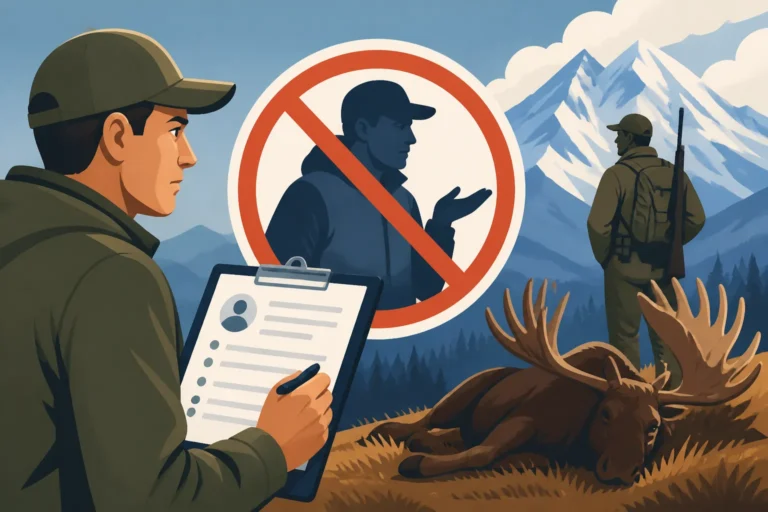
Before diving into the specifics, it's really helpful to understand the philosophy behind Alaska's strict game meat distribution rules, especially when it comes to guided hunts. It's not just about making things complicated; these regulations are deeply rooted in wildlife conservation, ethical hunting practices, and maintaining the integrity of Alaska's wild resources. The state wants to ensure that game animals are harvested ethically, their meat is fully utilized, and that the hunting experience remains about sustenance and sport, not commercial exploitation.
Think about it from the state's perspective: a guide is providing a service, taking a client out to harvest an animal. The animal belongs to the state until it's legally harvested, and then its meat becomes the property of the hunter who made the kill. The rules are designed to prevent situations where guides or outfitters might profit directly from the sale of game meat, or where meat is wasted because it's seen as a byproduct rather than the primary goal of the hunt. This commitment to proper game salvage and utilization is paramount. It’s part of the fabric of hunting in a place like Alaska, where wild game is a crucial food source for many. You’ll find this philosophy woven into many regulations, including Alaska Moose Meat Salvage Requirements.
Moreover, these rules aim to prevent what's known as "wanton waste"—the intentional or negligent failure to salvage the edible meat of a game animal. In Alaska, wanton waste is a serious offense, carrying significant penalties. When you're in the field, sometimes hundreds of miles from the nearest road, surrounded by the immense scale of the wilderness, it’s easy to feel overwhelmed by the task of properly processing and transporting a large animal like a moose or a caribou. But the law is clear: every reasonable effort must be made to salvage all edible meat. This is particularly relevant when you're paying a guide, as there can be a misconception that the guide "takes care of everything," including any meat the client doesn't want. That's simply not how it works in Alaska.
Dissecting the Hunter's and Guide's Roles with Game Meat
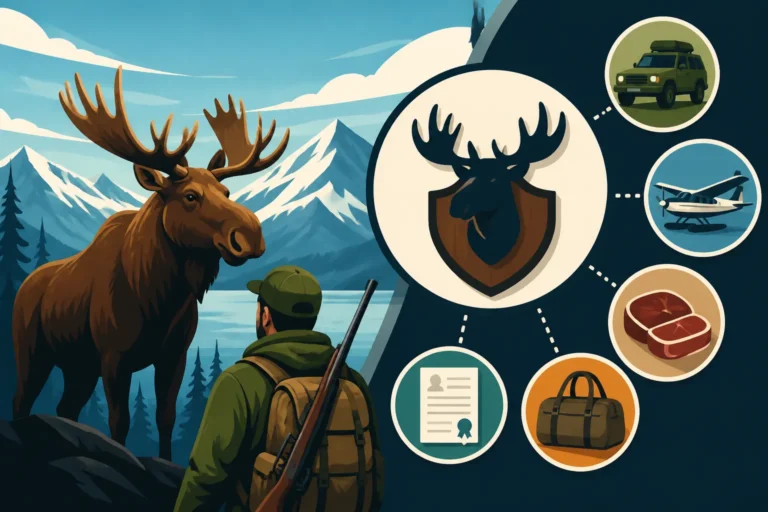
This is where many hunters, especially nonresidents, can get confused. Who is responsible for what when it comes to game meat on a guided hunt? The simple answer is that the hunter who pulls the trigger is ultimately responsible for the game meat. The guide's role is to facilitate a safe, legal, and successful hunt, but they are not the owner of the meat, nor can they legally assume ownership or distribute it in ways that benefit them commercially.
Hunter's Ownership and Responsibility
Once you've successfully harvested an animal, that game meat is legally yours. This means you are responsible for ensuring its proper care, transportation, and utilization. This isn't just a moral obligation; it's a legal one. You cannot simply leave meat behind because it's too heavy, or because you don't want it. The state expects you to make a good faith effort to salvage all edible meat. For many hunters, especially those on a physically demanding Dall sheep hunt or a remote moose expedition, this can be a daunting prospect. Planning ahead for the sheer volume and weight of meat is crucial. A good guide will help you with this, but the onus remains on you.
Consider a scenario where you've downed a magnificent bull moose deep in the Interior. That animal can yield hundreds of pounds of bone-in meat. You, as the hunter, are responsible for that meat. Your guide will assist you in field quartering and caping, but the legal ownership and the ultimate decision on its disposition belong to you. This is why knowing Alaska Moose Meat Salvage Requirements is so critical. You need to understand which cuts are considered edible meat that must be salvaged.
The Guide's Permitted and Prohibited Actions
A registered Alaska guide-outfitter can provide significant assistance with meat handling, but their actions are strictly regulated. They can:
- Assist in field processing: This includes quartering, boning, and packing out the meat. In fact, it's an expected part of the service on most guided hunts, especially for large game. Your guide and their assistants are often experienced in breaking down animals efficiently in the field.
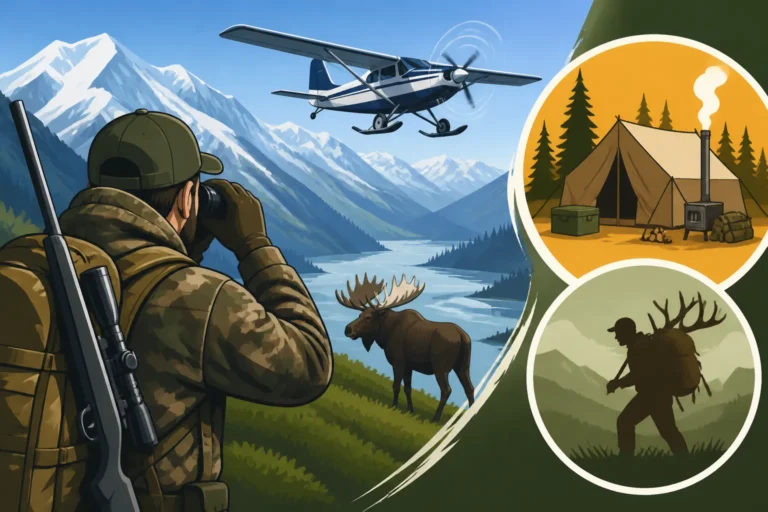
- Transport meat: Guides can transport your legally harvested meat from the kill site to a base camp, air taxi, or other designated pickup point. This is often done by aircraft, ATV, or even pack animal, depending on the terrain and hunt style. Understanding Alaska Transporters and What They Legally Provide is key here, as transporters also have specific rules.
- Store meat: They can help arrange temporary storage for your meat at a base camp or another facility, often in coolers, game bags, or even a meat cache, until it can be flown out or moved. This is vital, especially when you consider Meat Care in 50-Degree September Weather.
- Facilitate shipping: Guides can help you coordinate with air taxis, freight companies, or processors to get your meat moved from remote locations to a hub for further processing or shipment home.
What a guide cannot legally do with your meat is equally important:
- Take ownership of the meat: A guide cannot claim ownership of your legally harvested game meat, even if you express disinterest in it. It remains your property.
- Sell or barter the meat: This is strictly forbidden. Guides cannot profit from your game meat by selling it to restaurants, individuals, or trading it for services. This is a core tenant of fair chase and ethical hunting in Alaska.
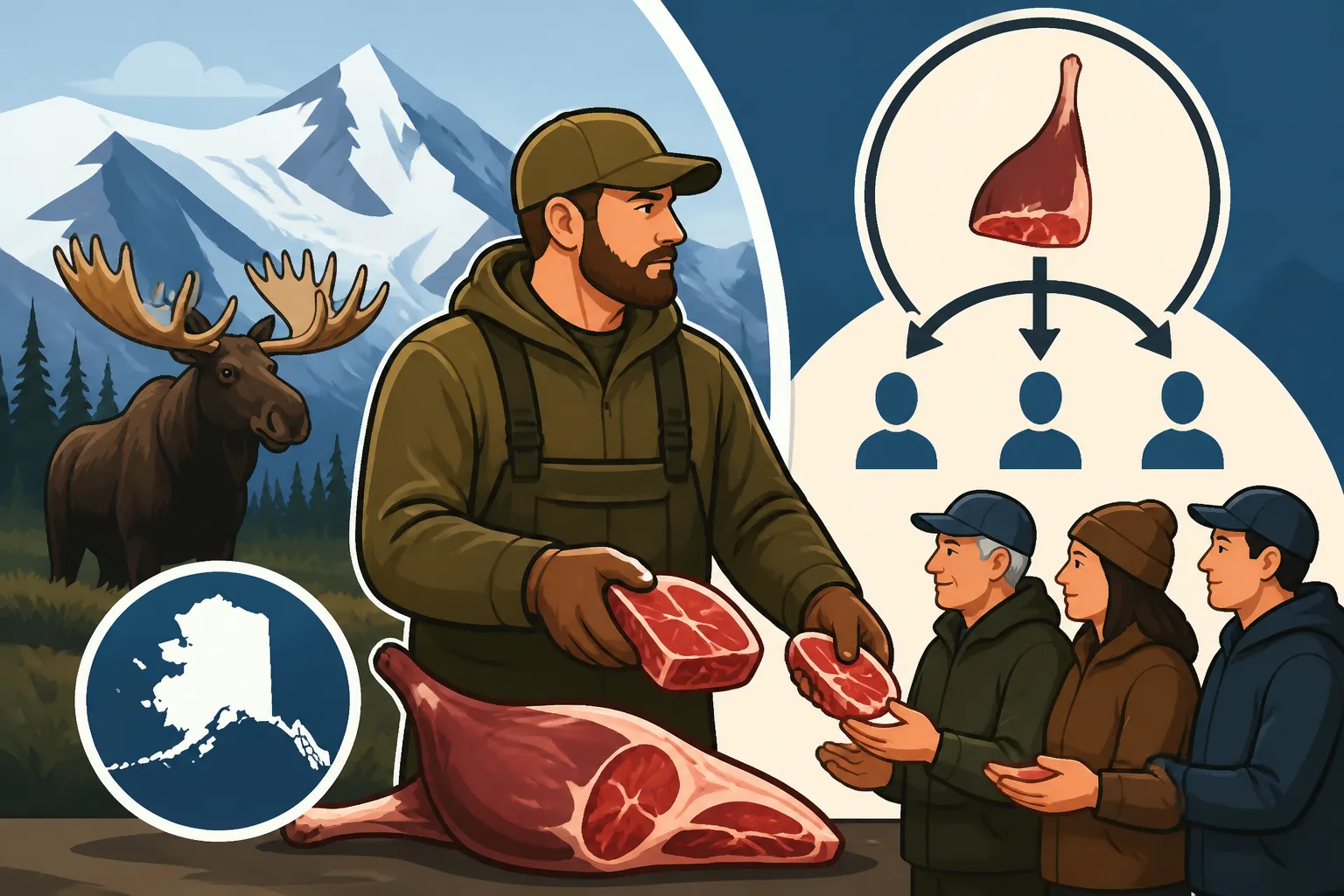
- Distribute it for personal gain: A guide cannot give away your meat to friends, family, or staff in a way that provides them a personal benefit, without your explicit direction and understanding, and usually only after you've formally relinquished ownership (which typically isn't an option for nonresidents who must salvage all edible meat anyway).
- Include meat as part of a "package deal" where its value offsets the hunt cost. The hunt is for the experience and the opportunity to harvest, not for the commercial value of the meat.
It's absolutely vital that your guide's contract clearly outlines their services regarding meat handling. This is something you should discuss in detail before booking, whether you're finding your guide through a platform like BookYourHunt or directly. A reputable guide will be upfront about their procedures and your responsibilities. You can also explore options for Booking an Alaska Moose Hunt With a Guide or Booking an Alaska Sheep Hunt With a Guide to see typical arrangements.
Navigating Practicalities: Getting Your Game Meat from Bush to Home
The reality of hunting in Alaska means that once an animal is on the ground, the clock starts ticking for proper meat care. This isn't like a hunt in the Lower 48 where a cooler and a local locker might be a short drive away. In Alaska, getting that meat out can be an expedition in itself.
Field Care and Initial Transport
Your guide will be instrumental in the initial field care. This involves gutting, skinning, and quartering the animal as quickly as possible to allow the meat to cool. For moose, this often means boning out the quarters to reduce weight for packing. The meat is then typically placed in breathable game bags, hung in a cool, shady spot, and protected from bears. This initial cooling is paramount to preserving meat quality. Imagine harvesting a bull in early September; temperatures can still be quite warm, making rapid cooling essential. Your guide will likely have an established protocol for Hanging Meat in Warm September Weather and protecting it from scavengers.
Once cooled, the meat needs to be transported from the kill site to a pick-up point, often by backpack, raft (on a Float Hunting Alaska Rivers for Moose and Caribou trip), ATV, or horse. From there, it usually goes by air taxi to a larger community or air hub. This is where those heavy-duty bush planes come into play. They'll ferry the meat, cape, and antlers to a place where it can be further processed. The cost of these flights is usually built into a guided hunt's overall fee or specified as an additional charge, particularly for extra meat flights.
Processing, Storage, and Shipping Options
Once your meat reaches a town with processing facilities, you have a few choices:
- Professional Meat Processor: Many towns, especially those that serve as hunting hubs like Anchorage, Fairbanks, or Kodiak, have businesses that specialize in processing wild game. They can cut, wrap, and freeze your meat to your specifications. This is often the most convenient option, albeit with an added cost. They are also adept at preparing meat for long-distance travel, ensuring it's properly packaged for Airline Rules for Frozen Game Meat.
- DIY Processing: If you have the time, facilities, and know-how, you might choose to process your own meat. This is less common for nonresidents but might be an option if you have friends or family in Alaska with the space to do so.
- Donation (with strict rules): In some very limited circumstances, a nonresident hunter might be able to donate a portion of their meat, but this is usually reserved for residents and often requires specific paperwork and compliance with state regulations regarding organizations that can accept wild game. It's not a simple "leave it for the guide" scenario. Always consult with the Alaska Department of Fish and Game (ADF&G) for the precise rules on donating game meat, as they are strict and often require a specific receiving entity.
For shipping, once your meat is frozen solid (and it must be frozen solid for transport), it can be packaged in wax-lined boxes or specialized shipping containers. Air freight is the most common method for getting large quantities of meat from Alaska to your home state. It’s important to research airline regulations regarding frozen meat well in advance, as rules vary and can change.
| Aspect of Meat Handling | Hunter's Primary Responsibility | Guide's Primary Role (Assistance) |
|---|---|---|
| Salvaging Meat | Ensure all edible meat is taken | Assist in field quartering/boning |
| Meat Ownership | Legal owner of all harvested meat | Cannot take ownership or claim |
| Field Preservation | Ensure quality is maintained | Provide tools, knowledge, hang meat |
| Transport from Kill | Arrange logistics, bear costs | Facilitate movement to pick-up point |
| Processing Choice | Decide on processor/DIY | Recommend reputable processors |
| Shipping Home | Arrange freight, bear costs | Help coordinate with air taxis/freight |
| Legal Compliance | Adhere to all game laws | Ensure client adheres to all laws |
You might use a platform like GoHunt or similar resources to research the logistical challenges of various hunting units, which can indirectly inform your meat distribution plan. Knowing the remoteness of an area, for instance, helps you anticipate flight costs and processing times.
Avoiding Misunderstandings and Potential Violations
The last thing anyone wants after a successful Alaska hunt is to run afoul of the law. Misunderstandings about meat distribution rules can lead to serious consequences, including fines, confiscation of game, and even loss of hunting privileges.
Clear Communication with Your Guide
This is arguably the most crucial step. Before you ever leave for your hunt, have an in-depth conversation with your guide about their meat handling procedures, costs, and your responsibilities. Ask specific questions:
- "What is your typical process for field care and transport of meat?"
- "Are there additional costs for extra meat flights, especially for a large animal like a moose?"
- "What are my options for processing the meat once it reaches a hub town?"
- "What happens if I decide I can't take all the meat home? What are the legal options?" (The answer will almost always be that you must take all edible meat).
- "Will you assist with getting the meat frozen and prepared for shipment?"
Make sure these details are clearly laid out in your guide contract. A good What an Alaska Guide Contract Should Specify article will emphasize this. Don't be shy about asking for specifics. Remember, reputable guides want to ensure you have a legal and positive experience. If you found your guide through a service like BookYourHunt, you'll often find reviews that speak to their transparency and logistical support.
The Myth of "Leaving the Meat"
Let's dispel a very common misconception right now: you cannot just "leave" game meat in the field or at base camp because you don't want it or can't afford to ship it. As the hunter, you are obligated to salvage all edible meat. This is particularly true for big game species like moose, caribou, sheep, and bears. While there might be nuances for very small parts of an animal in extreme circumstances, the general rule is firm: salvage it all. The state doesn't differentiate between "desired" meat and "undesired" meat; if it's edible, it must be salvaged.
If, for example, after harvesting a caribou in the remote wilderness, you find yourself facing an unexpected delay due to weather and realize you won't be able to get all the meat out before spoilage, this is a difficult situation. Your guide will advise on the best course of action, which typically involves doing everything humanly possible to preserve and transport it. The intent to waste is what the law targets. If you've made every reasonable effort but circumstances beyond your control (like truly impassable terrain or extended extreme weather preventing a pick-up) lead to some spoilage, that's different from a deliberate decision to abandon meat.
Reporting and Accountability
After your hunt, you're required to file a harvest report, often by a specific deadline. This report confirms what you harvested and where. It’s part of the accountability system. Be diligent about this. Missing a harvest report, even if you had a successful, ethical hunt, can lead to Penalty for Missing an Alaska Harvest Report. Your guide should remind you of this crucial step.
Alaska’s meat distribution rules, while sometimes feeling complex, are fundamentally about respecting the game, ensuring ethical use, and preventing commercialization. By understanding your role as the hunter and your guide's responsibilities, you can navigate these regulations confidently and ensure your incredible Alaska hunting experience concludes legally and responsibly, with delicious wild game filling your freezer.
Disclaimer
This article is for general informational purposes only and does not constitute professional advice. Laws, prices and regulations vary by location and change over time. Consult a qualified professional for guidance on your specific situation.