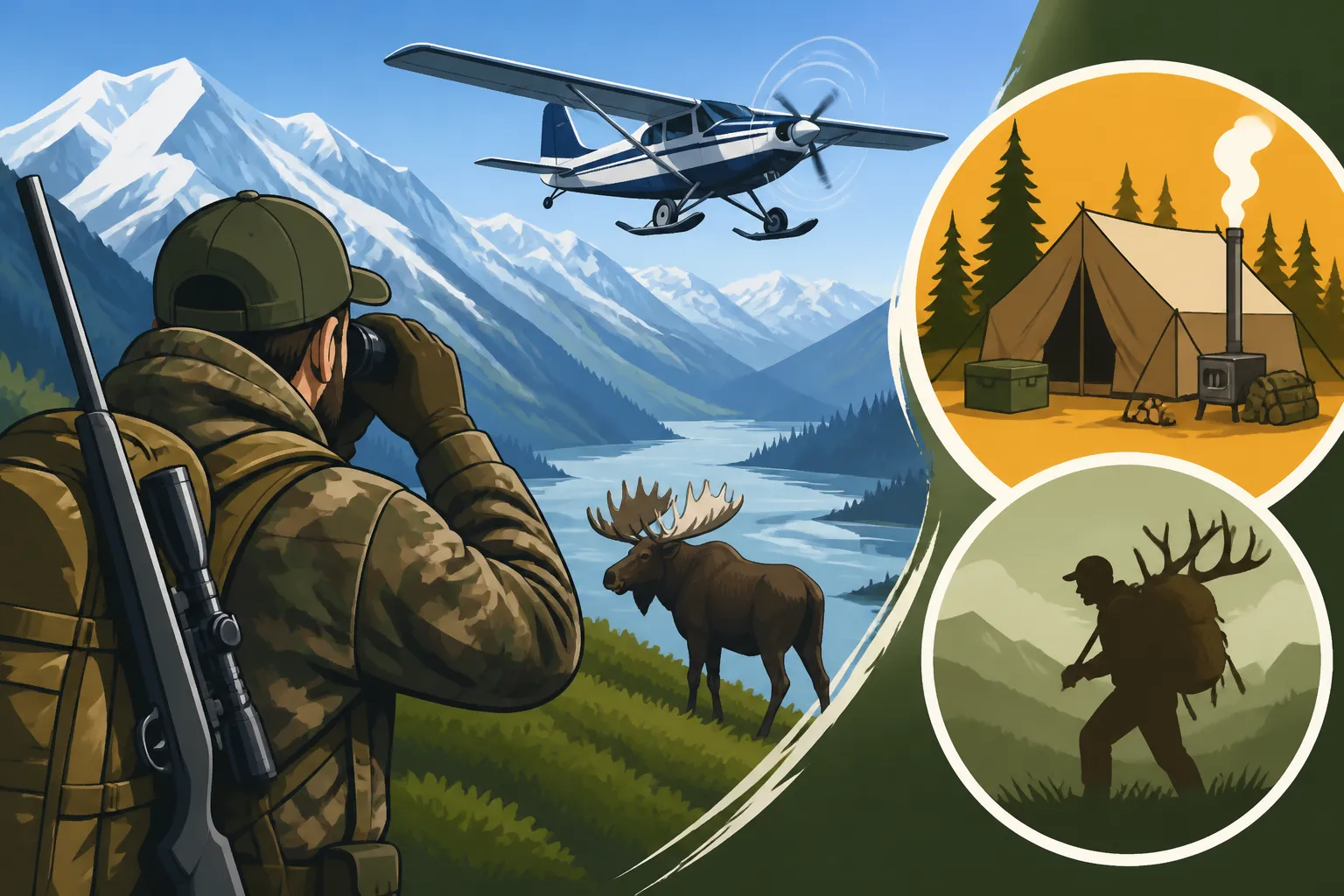
Alaska Transporter Drop Camp Package Price Range
Dreaming of an Alaska hunting adventure is one thing, but sitting down to budget for it? That's where the reality hits, especially when you start looking at drop camp packages. It can feel like you're trying to nail down a moving target, with prices that seem to swing wildly depending on who you ask and what's included. This guide is here to untangle the financial knots of Alaska transporter drop camp packages, giving you a clear picture of what goes into the price, what to expect, and how to plan your budget so your dream hunt stays within reach.
Understanding the Foundation of Drop Camp Costs in Alaska
When you’re planning an unguided hunt in Alaska, a drop camp is often the most practical way to get deep into the backcountry, far from any road system. It offers the independence many hunters crave without the astronomical price tag of a fully guided experience. However, "drop camp" isn't a single, uniform service, and neither is its cost. The price you pay for a drop camp package is largely built upon the fundamental services provided by an air taxi or transporter.
The Core Air Taxi Service
At the heart of any drop camp package is the air taxi flight itself. This isn't just a simple one-way trip; it's a critical logistical operation that dictates a significant portion of your overall cost. You're paying for the plane, the pilot's expertise, fuel, and the sheer challenge of operating in remote Alaska.
Think about it: the further you want to go from the air taxi's home base, the more fuel is burned, and the more flight time is accumulated. This includes not just your flight in and out, but also what's known as "deadhead time"—the time the plane spends flying without passengers or cargo to get to your pickup point or return to base. A remote location that requires multiple legs or extensive flying over untracked wilderness will naturally push the price higher. The type of aircraft also plays a huge role; a smaller, two-seater Super Cub, perfect for landing on short gravel bars or remote lakes, might have a lower hourly rate but can only carry so much weight. A larger Cessna 185 or Beaver will have a higher hourly rate but can haul more gear and more meat. Knowing the Weight Limits on a Super Cub Drop or other aircraft types is crucial when planning your gear.
Beyond the Flight: Basic Camp Services
While the flight is the major component, a true "drop camp package" often includes more than just transportation. Many transporters offer a basic level of camp infrastructure, which can be a huge relief for hunters trying to keep their gear load manageable. Imagine trying to fly in with a large canvas tent, a wood stove, and enough cooking essentials for ten days – it quickly adds up in weight and bulk.
These basic services typically include a rugged, expedition-grade tent, sometimes with a small wood or propane stove for heat. You might also get basic cooking utensils, a water filter, and perhaps even a cot or two. The quality and robustness of this provided gear can vary wildly, and that variation will be reflected in the package price. A heavy-duty canvas wall tent with a large wood stove and plenty of seasoned firewood will naturally cost more than a lightweight dome tent. Crucially, these services usually include a check-in plan, often using satellite communication devices, and an agreed-upon pickup window. Understanding the difference between what a transporter can legally provide versus a guide is important; you can learn more about this in Alaska Transporter Services Versus Guide Services.
Factors That Significantly Influence Your Drop Camp Price Tag
The base cost of a drop camp is just the beginning. Several key factors can significantly shift the final price, transforming what might seem like a modest sum into a substantial investment. These aren't just minor adjustments; they are fundamental considerations that need to be weighed carefully as you plan your Alaska hunt.
Species, Season, and Location
The type of game you're after directly impacts the logistical complexity and, therefore, the cost. Hunting elusive Dall sheep high in the mountains often means flying into more remote, higher-elevation strips, which can be more challenging and time-consuming for an air taxi. Conversely, a caribou hunt might involve dropping you off on a vast tundra flat during migration, potentially in an area that's easier to access. A moose hunt might involve landing near a river for a float trip, requiring a different type of aircraft or more careful planning for loading your kill, as detailed in Loading a Bull Moose Into a Raft.
The season also plays a role. Early season hunts might have more stable weather, but late season hunts could mean dealing with snow and ice, adding challenges for the pilot. Popular areas, those with well-known game concentrations, might have more competition for air taxi slots, which can sometimes influence pricing or at least availability. Conversely, venturing into less-pressured, truly wild corners of the state often means longer flights and more complex logistics.
Duration of the Hunt and Group Size
Most drop camp packages are priced for a specific duration, typically ranging from 7 to 10 days. Extending your hunt beyond that standard period will almost always incur additional daily charges for the use of the camp gear and the pilot's availability. Remember, your pilot is blocking out those dates for your pickup, even if the weather doesn't cooperate.
Group size is another major factor. Alaska drop camps are almost always designed for at least two hunters, often for safety and logistics. Splitting the cost of the air taxi among two or more people significantly reduces the per-person expense. A common drop camp setup includes a two-hunter minimum for a reason: it's simply more economical for the transporter to move more people and gear at once. If you're planning a solo hunt, expect to pay the full cost that a two-person group would, as the plane is still flying the same distance and burning the same amount of fuel. Also consider that the more people you have, the more gear and meat you'll be hauling, potentially leading to multiple flights for your meat, which adds to the bill. Knowing How Many Alaska Locking Tags One Hunter Can Buy can help you plan your group's species targets.
Additional Services and Rentals
While basic camp gear might be included, many transporters offer a menu of additional rentals that can quickly add to your package price. These could include pack rafts for floating a river system, satellite phones for daily check-ins (which is vital for safety, particularly when navigating without cell service), extra fuel for a stove or generator, or specialized game bags that breathe well in coastal rain.
Consider what you're bringing versus what you might rent. Every pound of gear you fly in yourself is a pound less that can be allocated to meat on the way out. Some hunters opt to rent heavy items like coolers or a bigger water filtration system rather than pack them in. Be aware of potential extra charges for overweight gear; transporters often have strict weight limits for safety and efficiency. This is where researching Extra Charges for Overweight Gear comes in handy, ensuring you pack smart. Post-hunt services, such as coordinating meat processing in a nearby village or arranging freight shipping for your meat and trophy back home, are almost always extra and can be significant costs you need to plan for. Knowing the logistics of Meat Shipping Cost From Bush Alaska is critical for a successful end to your hunt.
| Factor | Impact on Price | Example Scenario |
|---|---|---|
| Remoteness | Higher fuel, longer flight time | Flying 200 miles into the Brooks Range for sheep vs. 50 miles for local caribou. |
| Aircraft Type | Larger planes cost more per hour, carry more | Cessna 185 for bulk gear vs. Super Cub for nimble gravel bar landings. |
| Duration | Longer stays incur daily fees | A 14-day hunt costs more than a 7-day hunt, plus more food weight. |
| Group Size | Per-person cost drops with more hunters | Two hunters splitting a $4,000 flight is $2,000 each; a solo hunter pays $4,000. |
| Included Gear | Basic tent vs. heated wall tent | Price difference between a lightweight dome tent and a fully equipped canvas camp. |
| Meat/Trophy Hauling | Often requires additional flights or larger plane | Hauling out an entire moose might require a dedicated second trip. |
| Weather Delays | Can incur extra charges if pilot is stuck/delayed | Unexpected storm delays pickup, leading to an extra day's rate or logistics cost. |
Navigating the Price Landscape and Booking Your Hunt
Now that you have a better grasp of what drives the costs, let's talk about how to navigate the actual pricing landscape you'll encounter and how to budget intelligently for your Alaskan adventure. It's a journey that requires careful research and clear communication with potential transporters.
Typical Price Ranges You Might Encounter
Pinpointing an exact dollar figure for an Alaska drop camp package is nearly impossible without knowing the specific details of your hunt. However, it's safe to say that most drop camp packages start in the low thousands and can quickly climb into the mid to high thousands, especially for more remote locations, longer durations, or specialized aircraft. These figures typically cover the air transport for two hunters and basic camp gear for a standard hunt duration, perhaps 7-10 days. Anything beyond that—additional gear, extra flights for meat, prolonged stays due to weather, or unexpected delays—will add to the final tally.
It's crucial to understand that these aren't fixed prices like buying a widget online. They are often estimates that can be affected by fuel prices at the time of your hunt, the pilot's operational costs, and the specific demands of your trip. The best way to get a realistic quote is to contact several reputable Alaska air taxis and transporters directly, providing them with your desired species, general location, group size, and hunt duration. Platforms like BookYourHunt can be a great starting point for finding transporters and getting an idea of package offerings, though you'll always want to follow up directly for personalized quotes. Similarly, resources on sites such as GoHunt often feature articles and tools that help break down the costs and considerations for these types of expeditions.
Budgeting for the Unforeseen and the Extras
One of the biggest mistakes hunters make when planning an Alaska drop camp is underestimating the "hidden" or incidental costs. Alaska weather is notoriously unpredictable, and What Happens if Weather Traps You in Camp can have significant financial implications. A day or two of unexpected delays for pickup due to fog or high winds isn't uncommon, and while some transporters build a little flexibility into their schedules, significant delays can sometimes incur additional fees. Knowing the Pickup Windows and Late Pickups policy of your transporter is essential.
Beyond weather, consider the costs before and after the bush plane flight. This includes your flights to and from Alaska, hotel stays in hub cities like Anchorage or Fairbanks before and after your hunt, meals, and any gear you might need to purchase or rent locally. Then there's the cost of processing your game meat and shipping it home, which can be substantial, especially for a moose. Don't forget about potential tips for your transporter or any ground crew if you feel their service warrants it. These extras can easily add hundreds, if not thousands, of dollars to your overall budget.
It’s also wise to consider hunt cancellation insurance, especially for an investment of this size. Life happens, and if you have to cancel your trip last minute, having insurance can protect your deposit and any other non-refundable costs. A transparent transporter will be upfront about their cancellation policies and what to expect if things don't go exactly as planned. Preparing for everything, from Cooling a Carcass Before the Flies Find It to packing out a full moose, is part of the extensive planning required for a successful and financially sound Alaska hunt.
Disclaimer
This article is for general informational purposes only and does not constitute professional advice. Laws, prices and regulations vary by location and change over time. Consult a qualified professional for guidance on your specific situation.