Why Alaska’s Coastal Brown Bear Hunts Cost the Most
When you first start researching an Alaska coastal brown bear hunt, the price tag can hit you like a grizzly coming out of the alders – it's often a jaw-dropping number that leaves many hunters wondering what on earth goes into making such an experience so expensive. It's a completely valid reaction to look at those figures and think, "Is it really worth that much?" This guide isn't here to convince you to open your wallet, but rather to pull back the curtain and explain the fundamental reasons why these incredible, often once-in-a-lifetime, opportunities carry such a hefty price.
The Logistics of Reaching Coastal Brown Bear Habitat
One of the primary drivers of the astronomical cost associated with coastal brown bear hunts is the sheer difficulty and expense of simply getting to where these magnificent animals live. We're not talking about driving up a paved road and walking into a timber stand; we're talking about venturing into some of the most remote, untamed wilderness on the planet.
Remote and Inaccessible Terrain
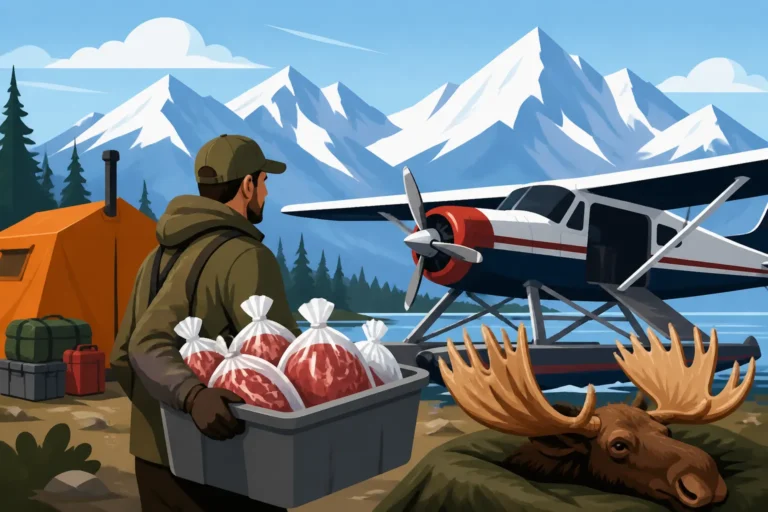
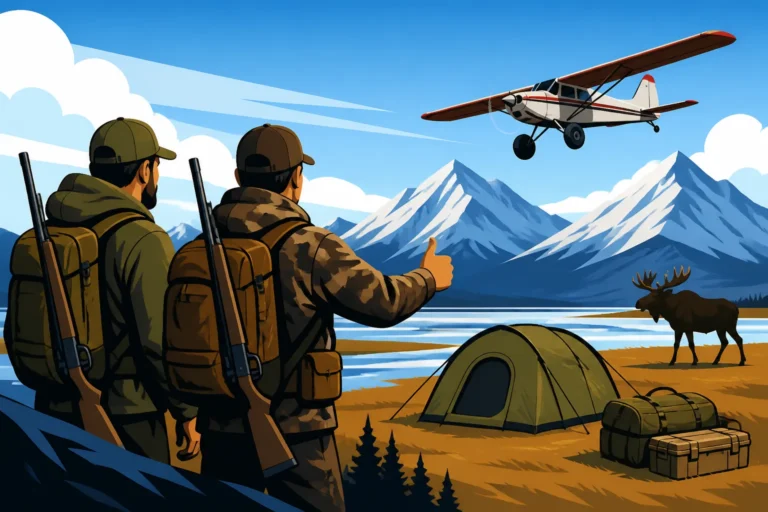
Coastal brown bears thrive in rugged, roadless areas along Alaska's vast coastline, from the Alaska Peninsula to Southeast Alaska. These aren't places with convenient airstrips or well-maintained trails. Access is almost exclusively by bush plane or specialized boat. Think about a float plane taking off from Kodiak, landing on a remote lake, or a super cub putting down on a short, bumpy gravel bar. These aren't cheap rides. Bush planes, whether on floats or tundra tires, operate on an hourly rate that reflects the specialized pilot skills, high fuel costs, and intensive maintenance required to fly in such extreme conditions. A round trip, especially when a successful hunt requires a second flight to haul out meat and hides, quickly racks up thousands of dollars.
The reliance on these specialized air taxis is absolute. There's no other way in or out for most of these prime hunting areas. And it's not just the flight time; it's the "deadhead" time—the time the plane flies without you to get to your pickup point or return to base. All of that factors into your bill. Sometimes weather delays mean a pilot can't get in or out, and you might be paying for extra days in a remote camp, or the pilot might have to make a separate trip just for your gear later. This complex dance of logistics, dictated by weather, terrain, and aircraft availability, adds layers of cost that simply don't exist in more accessible hunting scenarios. If you're looking into these flights, it's essential to understand Fly-In Hunting: Working With an Alaska Transporter Pilot.
Extensive Gear and Supplies
Hunting brown bears in coastal Alaska isn't like a weekend deer hunt. The environment is notoriously harsh and unpredictable. Picture persistent rain, strong winds, and rapidly changing temperatures. This necessitates a substantial investment in top-tier gear, much of which is specialized for these conditions. We're talking about bomb-proof tents that can withstand gale-force winds, robust cooking equipment, extensive food supplies for multiple days or weeks, satellite communication devices for safety, and enough fuel to power stoves and potentially charge electronics. Then there's the personal gear: high-quality rain gear that actually works, durable boots for slogging through muskeg and climbing steep terrain, and warm layers that can handle a sudden cold snap.
All of this gear is heavy and bulky. A single hunter's load, combined with a guide's equipment, often pushes the weight limits of small bush planes. This means more flights, or potentially larger, more expensive aircraft. Every item, from bear spray to an emergency raft, has to be flown in and out, adding to the logistical burden and cost. Guides also need spare parts, repair kits, and redundant safety equipment because a breakdown in the backcountry is not just an inconvenience, it can be a life-threatening situation. When you're packing for these conditions, knowing Rain Gear Guides Actually Recommend can make all the difference.
The Specific Challenges and Risks of Hunting Coastal Brown Bears
Beyond just getting there, the actual act of hunting coastal brown bears presents a unique set of challenges and inherent risks that significantly contribute to the overall expense. This isn't just about finding an animal; it's about navigating a dangerous environment with one of North America's most formidable predators.
High Stakes and Guide Requirements
Let's be blunt: coastal brown bears are immense, powerful, and potentially aggressive. Hunting them requires an extraordinary level of skill, experience, and strict adherence to safety protocols. It's not a beginner's game. This reality is reflected in Alaska law, which mandates that non-resident hunters pursuing brown bears, Dall sheep, and mountain goats must be accompanied by a licensed Alaska guide or a resident relative within the second degree of kindred. This isn't a suggestion; it's a legal requirement designed for both hunter safety and species conservation.
So, for any non-resident, the guide fee isn't an optional add-on; it's a non-negotiable part of the hunt. These aren't just guys with a rifle; they are highly trained, licensed professionals with years, often decades, of experience in these specific territories. Their expertise in tracking, reading bear sign, understanding bear behavior, judging trophy quality, and ensuring client safety is paramount. You are paying for their intimate knowledge of the area, their ability to get you into position, and their capacity to handle dangerous situations effectively. Understanding Alaska's Brown Bear, Sheep and Goat Guide Requirement is crucial for planning.
Specialized Knowledge and Safety Protocols
A brown bear guide isn't just leading you to an animal; they are an expert in an incredibly dynamic and dangerous environment. They know how to identify fresh tracks, interpret wind patterns, understand escape routes, and anticipate a bear's movements. They are also trained in field dressing large animals, caping for taxidermy, and, crucially, defending against a charging bear. This isn't theoretical knowledge; it's gained through years of direct, often harrowing, experience.
Safety is the absolute priority on a brown bear hunt. This includes understanding firearm proficiency, having reliable bear spray, and establishing clear communication and emergency plans. Imagine the scenario of a downed bear in thick brush, the guide's responsibility for your safety while approaching and field dressing that animal is immense. You're operating in their domain, and they are responsible for bringing you home safely. The level of care needed during Bear Safety While Butchering a Kill in Alaska highlights this crucial aspect. The insurance liability alone for guides operating in these dangerous conditions is significant, and that cost is naturally built into their hunt prices.
Conservation and Limited Tags
Alaska's wildlife management is designed to ensure healthy populations for future generations, and brown bears are no exception. While populations are generally robust, seasons and bag limits are carefully regulated to prevent overharvest. This often means limited hunting opportunities, sometimes through drawing permits, and relatively high-cost locking tags. For non-residents, the price of a brown bear tag itself can be substantial, often ranking among the most expensive tags in Alaska. Why an Alaska Brown Bear Tag Costs $1,000 gives you a sense of the investment even before the guide is factored in.
These conservation efforts, while vital, also create an environment of high demand for limited, high-value opportunities. When fewer permits are issued or seasons are shorter, the available slots with experienced guides become even more coveted, naturally driving up prices. Hunters understand that they are paying not just for the chance at a trophy, but for the privilege of participating in a well-managed conservation program that supports healthy wildlife.
Operational Overheads and Business Realities for Guides
Behind every successful guided brown bear hunt is a complex, expensive, and year-round business operation. It's not just about what happens during your 7-10 days in the field; it's about the massive infrastructure and ongoing costs that make those few days possible.
Operating Costs of an Alaska Outfitting Business
Running an Alaska outfitting business, especially one specializing in remote brown bear hunts, involves staggering overheads. Think about it:
- Aircraft and Boat Ownership/Maintenance: Many guides own or lease their own planes or boats. The cost of fuel, insurance, maintenance, and hangar fees for bush planes or marine upkeep for specialized boats is immense. Even if they don't own them, they are constantly chartering, and that expense is passed on.
- Equipment Investment: Guides constantly replace and upgrade tents, sleeping bags, cooking gear, satellite phones, GPS units, and firearms. This equipment takes a brutal beating in the Alaskan wilderness and requires constant refurbishment or replacement.
- Wages for Staff: A top-tier outfitter often employs assistant guides, packers, and camp staff. These are skilled individuals who also command good wages, especially for their time in remote, challenging conditions.
- Concession Fees and Permits: To operate on vast tracts of federal or state lands, guides often need special use permits or concessions. These fees can be substantial, especially in coveted areas like national preserves. Knowing how guides navigate Guide Concessions on Alaska Federal Land is key to their operations.
- Insurance: Liability insurance for operating in dangerous conditions with high-value assets and clients is a major annual expense.
These expenses don't just magically disappear when a client leaves. They are ongoing, 365 days a year, and are crucial for maintaining a safe, legal, and effective operation.
Time and Effort Investment
A guided hunt might be a week or ten days long for the client, but for the guide, it's a year-round commitment. Pre-season scouting involves countless hours flying, boating, hiking, and glassing to locate prime bear habitat, identify active areas, and understand migration patterns. Then there's the administrative burden: managing bookings, handling permits, communicating with clients, maintaining licenses, and dealing with accounting. Many hunters use services like BookYourHunt or GoHunt to find guides, which requires guides to dedicate time to marketing and outreach.
Guides often spend weeks, if not months, away from their families and homes, enduring harsh weather, physical exertion, and constant vigilance. It's a lifestyle, not just a job. The mental and physical toll is immense, and their pricing reflects the dedication required to consistently deliver these experiences. From the initial booking, which might happen years in advance Booking an Alaska Brown Bear Hunt Years Ahead, to the final processing of trophies, it's a marathon of effort.
High Demand for a Premier Experience
Ultimately, a guided coastal brown bear hunt represents one of the pinnacle experiences in North American big game hunting. It’s an adventure that many hunters dream of for decades. The demand for these premier opportunities, especially with reputable and successful guides, far outstrips supply. This natural economic reality, combined with all the factors mentioned above, drives prices upward.
Hunters are willing to pay a premium for the chance to hunt such an iconic animal in a truly wild setting, knowing that they are being led by the best in the business. The limited number of skilled guides, the finite hunting opportunities, and the unmatched challenge and reward create a competitive market for these high-end adventures. Reputable services like BookYourHunt and GoHunt often feature these hunts as their top-tier offerings precisely because of this demand.
What the High Price Actually Covers
So, when you see that substantial price tag for an Alaska coastal brown bear hunt, what exactly are you getting? It's more than just the chance to pull a trigger; it's an immersive, comprehensive experience carefully crafted for safety, comfort, and success in one of the world's most challenging environments.
All-Inclusive Services and Expertise
A high-quality guided brown bear hunt typically includes a wealth of services that go far beyond what a DIY hunter could ever manage. This usually means:
- Transportation: Your air charter or boat transport from the nearest town to the remote hunting camp, and back. This alone is a massive cost.
- Fully Outfitted Camp: A comfortable (by wilderness standards) camp, complete with sleeping arrangements, cooking facilities, and heating, often requiring a substantial setup and takedown effort.
- Professional Guide Services: One-on-one or two-on-one guiding, ensuring dedicated attention, expertise in the field, and constant vigilance for safety.
- Food and Supplies: All meals, snacks, and non-alcoholic beverages for the duration of your trip, often carefully planned and packed for remote delivery.
- Field Care: Expert handling of your trophy (skinning, caping, salting) and initial meat care, preserving your hard-won prize.
- Initial Trophy/Meat Transport: Often, the guide will arrange for the initial transport of your hide and meat back to the air taxi base or town, saving you a huge logistical headache.
This comprehensive package means you, as the hunter, can focus almost entirely on the hunting experience itself, rather than worrying about the myriad logistical challenges of operating in such a remote place.
Maximized Success Odds and Safety
While no ethical guide can ever guarantee a kill, a guided brown bear hunt significantly increases your odds of success. Guides dedicate their lives to understanding these animals and their habitat. They know the seasonal movements, feeding patterns, and preferred bedding areas. Their ability to read the terrain, identify subtle signs, and position a hunter for a shot is invaluable. This deep knowledge translates directly into better hunting opportunities.
Even more importantly, you are paying for an unparalleled level of safety. Having an experienced, armed professional by your side in brown bear country is not merely a convenience; it's a critical safety net. Whether it's navigating treacherous terrain, making a follow-up shot on a wounded animal, or deterring a curious or agitated bear, the guide's presence and expertise are literally life-saving. The peace of mind that comes with knowing you have an expert looking out for you, whether you're dealing with Bear Spray Versus Rifle at Close Range or navigating a difficult river crossing, is truly priceless. This focus on safety and maximizing opportunities is a core part of what makes these hunts so valuable, despite the high cost.
Here's a quick look at the major factors contributing to the high cost of a guided coastal brown bear hunt:
| Cost Factor | Description | Impact on Price |
|---|---|---|
| Remote Access | Reliance on expensive bush planes (float/wheel) or specialized boats to reach roadless hunting areas. | High hourly rates, deadhead time, weather delays, extra flights. |
| Specialized Gear | Need for robust, high-quality, weather-proof equipment for harsh coastal conditions. | Replacement costs, weight/bulk requiring more transport. |
| Guide Requirement | Non-residents legally must hire a licensed guide for brown bear, Dall sheep, and mountain goat. | Paying for highly specialized expertise and experience. |
| Inherent Danger | Hunting a formidable predator in its wild domain carries significant risks and demands expert safety protocols. | Increased liability, specialized training, and equipment. |
| Conservation Management | Limited tags, strict seasons, and population management create high demand for regulated opportunities. | High tag costs, competitive market for guide slots. |
| Business Overheads | Aircraft/boat maintenance, equipment, staff wages, permits, insurance, scouting time. | Massive operational costs year-round for guide services. |
| High Demand | Once-in-a-lifetime dream hunt for many, leading to a premium on available, reputable guide services. | Market-driven price due to desirability and limited supply. |
In the end, while the price for an Alaska coastal brown bear hunt can be staggering, it’s a direct reflection of the extraordinary logistics, inherent risks, specialized expertise, and year-round operational costs involved in pursuing one of North America's most magnificent and challenging big game animals in truly wild country. It’s an investment in an unparalleled wilderness adventure, a commitment to safety, and a contribution to the conservation efforts that keep these incredible populations thriving.
Disclaimer
This article is for general informational purposes only and does not constitute professional advice. Laws, prices and regulations vary by location and change over time. Consult a qualified professional for guidance on your specific situation.