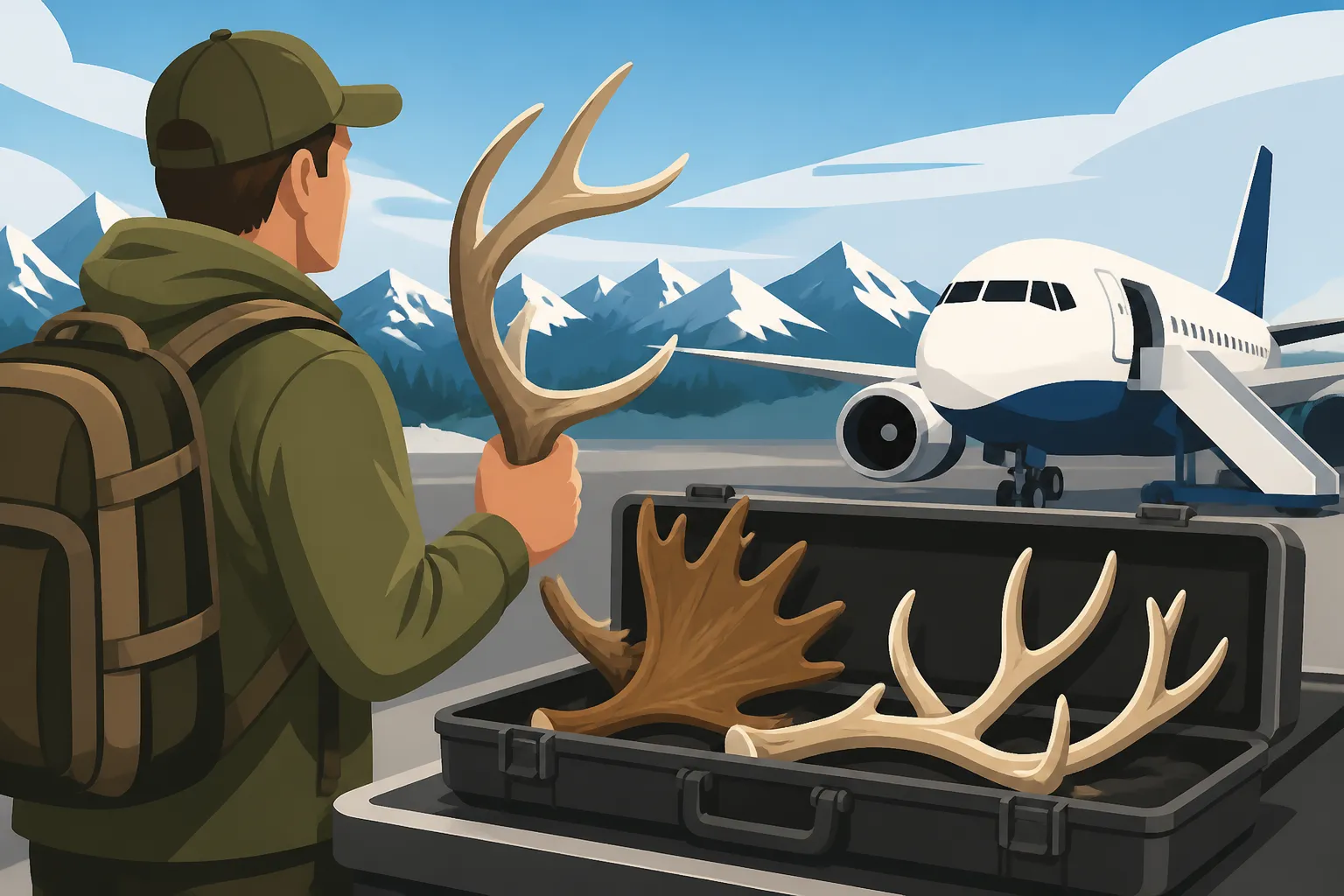
Getting Horns and Antlers Home on a Plane
You’ve just wrapped up an incredible Alaska hunt, whether it was a magnificent moose or a striking caribou, and now comes the logistical hurdle that often catches hunters off guard: how do you get those horns or antlers home on a plane? It's a question that can turn post-hunt euphoria into a logistical nightmare, especially when you're dealing with irregular baggage, airline rules, and the sheer bulk of a trophy. This guide will walk you through the practical steps and considerations for safely and legally transporting your hard-earned antlers back to civilization by air, ensuring your memories aren't left behind at the baggage counter.
Preparing Your Trophy for Air Travel
The journey home for your antlers begins long before you even see an airport terminal. Proper field preparation is paramount to ensure your trophy is accepted by airlines and arrives in good condition. Skipping these crucial steps can lead to delays, additional costs, or even the rejection of your trophy at the check-in counter.
Skull Plate Versus Full Skull
One of the first decisions you'll make in the field, after the animal is down, is how much of the skull to keep. This choice directly impacts the weight, bulk, and preparation required for air travel. A "skull plate" typically refers to the top portion of the skull, where the antlers are naturally attached, with most of the cranium, nasal bones, and jaw removed. A "full skull," on the other hand, retains more of the original bone structure, sometimes including the entire skull without the jaw.
Opting for just the skull plate offers significant advantages for air transport. It’s considerably lighter and less bulky, making it much easier to package and potentially fit within an airline’s oversized baggage limits. While it requires careful cutting, as outlined in guides like Skull Plate Removal for Sheep Horns, it dramatically reduces the logistical headache. The downside is that if you were hoping for a traditional European mount that uses the entire skull, you might need to use a replica skull or work with a taxidermist to reconstruct the missing parts.
A full skull provides the complete, natural bone structure, which is ideal for a classic European mount. However, the added weight and awkward dimensions of a full skull, especially from a large animal like a moose, often push it beyond typical oversized baggage limits and into the realm of cargo shipping. This means more elaborate cleaning, heavier packaging, and almost certainly higher shipping costs. You need to weigh your desire for a complete skull against the practicalities and expenses of getting it home.
Cleaning and Drying
This step is non-negotiable. Any remaining flesh, tissue, blood, or brain matter on the skull or skull plate will cause odor, attract insects, and can violate airline or import regulations. Airlines are particularly sensitive to biological material, and a dirty skull can be flagged as a biohazard, leading to delays or outright refusal.
For a skull plate, thoroughly clean all soft tissue from the bone. This usually involves boiling the skull plate (or simmering, not a rolling boil that can damage the bone) to loosen tissue, then meticulously scraping and picking every bit of flesh away. Pay special attention to the nooks and crannies where tissue can hide. The brain cavity, even on a skull plate, needs to be completely cleaned out. For a full skull, this process is even more intensive, requiring complete removal of the brain and all connecting tissues.
Once cleaned, the skull or skull plate must be completely dried. Even if you're hunting in cold weather, ensure good air circulation. Sun drying, if available, is ideal. If it's damp or raining, you might need to hang it in a warm, dry tent or cabin. A thoroughly dry bone will prevent bacterial growth and further odor. To go the extra mile and prevent any lingering biological issues, especially for a trophy that might sit for a while before taxidermy, sprinkle borax liberally over the cleaned, dry bone. This acts as a desiccant and an insecticide. This rigorous cleaning process is just as important for your skull as proper Cape Care for a Life-Size Bear Mount is for a hide.
Packaging Your Antlers for the Flight
Once your antlers are clean and dry, the next challenge is preparing them for the rigors of air travel. This isn't just about protecting your trophy; it's also about protecting baggage handlers and ensuring the package is manageable for airline staff.
Protecting the Points
Antler points, particularly on large, multi-tined trophies like moose or caribou, are susceptible to breakage and can pose a significant hazard. Imagine a sharp, unprotected antler tip tearing through luggage or injuring someone – it’s a recipe for disaster. You need to individually protect each sharp tip.
Bubble wrap is your best friend here. Wrap each point generously and secure it with heavy-duty packing tape. For really sharp or delicate tips, consider using sections of garden hose, old socks, or even empty plastic water bottles cut to fit over the points, then reinforced with tape and cardboard. The goal is to create a blunt, padded surface around every protrusion. If you have several antlers (from a caribou, for example), consider carefully bundling them together in a way that minimizes entanglement and sharp edges, then wrapping the entire bundle. Your air transporter or guide, if you used one, might have some materials or tips, as they've likely seen countless antlers come through their operation. For an idea of how helpful they can be, check out Fly-In Hunting: Working With an Alaska Transporter Pilot.
Securing the Skull Plate
The skull plate itself, whether it's a small deer plate or a large section of a moose skull, needs robust support. The bone can be surprisingly fragile, especially around the pedicles (where the antlers attach). The best practice is to secure the skull plate to a piece of sturdy plywood or thick, rigid cardboard. This creates a stable, flat base that prevents the antlers from twisting or putting undue stress on the bone during transit. Use strong screws or heavy-duty zip ties to firmly attach the skull plate to this base.
Once secured, wrap the entire assembly – antlers and base – in several layers of heavy-duty cardboard. Think of it as creating a custom, fortified box around the antlers. Use an abundance of industrial-strength packing tape to seal all seams and reinforce the structure. Don’t skimp on the tape; it’s cheap insurance compared to a damaged trophy. Label the package clearly on multiple sides with "FRAGILE," your name, contact information, and "HUNTING TROPHY." This provides vital information and a visual warning to handlers.
Weight and Size Considerations
This is often the trickiest part, especially for large Alaska-Yukon moose antlers. Antlers are almost always considered oversized baggage, and they can easily become overweight, triggering substantial additional fees. Standard checked baggage limits are typically around 50 pounds (23 kg) and 62 linear inches (length + width + height). Antlers will almost certainly exceed the linear dimension, and for moose, the weight can be a significant issue.
For a massive moose rack, it's often impossible to fly it as a single piece without either cutting the skull plate to separate the antlers (a decision many hunters dread) or resorting to specialized freight services. Even then, the sheer spread of some moose antlers makes them incredibly challenging. Caribou, sheep, or smaller deer antlers are more manageable, but you still need to be prepared for the oversized baggage fees. These fees can quickly add hundreds of dollars to your trip cost, so factor them into your overall Budgeting Licence, Tags and Fees for an Alaska Hunt.
It is absolutely crucial to check your specific airline's policies regarding oversized sporting equipment, maximum linear dimensions, and weight limits before you even depart for your hunt. Don't rely on general information; call the airline directly or check their specific policies for sporting goods. These policies can vary widely between carriers and change without much notice. While resources like BookYourHunt or GoHunt might offer general advice or tips from other hunters, the definitive rules will come from your chosen airline.
Navigating Airline Regulations and Costs
Understanding airline regulations is key to a smooth trophy transport experience. Each airline has its own rules, and what works for one might not work for another.
Major Airline Policies
Most major airlines that fly into and out of Alaska will accept antlers as checked baggage, but they come with a long list of caveats. The universal requirements are that the antlers must be thoroughly cleaned of all tissue, free of odor, and packaged securely to prevent damage to the trophy or injury to baggage handlers. They are almost universally categorized as oversized or excess baggage, meaning you will incur additional fees on top of your standard baggage charges.
Some airlines might also have specific restrictions on the maximum spread or weight of antlers they will accept, especially for species like moose. Others might require them to be placed in specific types of containers or insist on certain types of padding. Never assume; always call the airline's special baggage or sporting equipment desk well in advance of your flight. Ask direct questions about antler transport, including cleaning requirements, packaging specifics, maximum dimensions, and all associated fees. This proactive approach can prevent a last-minute scramble and potential refusal at the airport. It's also worth understanding that even if accepted, the airline's liability for damage to non-standard items like antlers is often limited, so package them robustly.
Checked Baggage Versus Cargo
For smaller trophies like Sitka blacktail deer, Dall sheep, or even most caribou, antlers can often travel as checked baggage, albeit as oversized items. You'll check them in at the oversized baggage counter and retrieve them at the special or oversized baggage claim at your destination. This is generally the simpler and more cost-effective option for manageable trophies.
However, for truly massive moose antlers that exceed the airline’s checked baggage dimensions or weight limits, you might be forced to ship them as cargo. This is a entirely different process. Cargo shipping involves booking space with the airline’s freight division, which often requires specialized crating (sometimes built to order) and pick-up at a separate cargo terminal, not the passenger terminal. Cargo shipments are significantly more expensive than checked baggage, require more lead time for booking, and have stricter packaging standards. If you're flying out of a small bush village, coordinating cargo might require assistance from your air taxi operator, as those locations often lack dedicated freight services.
Documentation Needed
While the physical preparation is important, don't overlook the paperwork. You will absolutely need your valid Alaska hunting license, the locking tags (if applicable), and your harvest ticket or permit for the species you harvested. Keep these documents readily accessible in your carry-on, not buried deep in your checked luggage.
Even if airline personnel don't explicitly ask for them, having these documents on hand provides irrefutable proof of the legality and origin of your trophy. This can be invaluable if questions arise from airline staff, TSA, or Fish and Wildlife officers. For certain species, like bear or wolf, you will also have special sealing requirements and associated paperwork from the Alaska Department of Fish and Game. Always ensure you have all necessary state-issued documentation, especially if it's a species with specific rules, like those detailed in Alaska Sealing Requirements for Bear and Wolf Hides. If you're traveling internationally, you will also need to research and adhere to the import regulations of your home country, which can include CITES permits for certain species.
Alternatives to Flying with Your Trophy
Sometimes, the thought of trying to wrestle a set of moose antlers through an airport is enough to make any hunter reconsider their options. Thankfully, there are several excellent alternatives that can save you a lot of stress and potential headaches.
Professional Shipper Services
For those who prioritize convenience and peace of mind, hiring a professional trophy shipping service is an excellent choice. These companies specialize in the intricate logistics of transporting hunting trophies, often handling everything from custom crating to necessary documentation and freight coordination. While this service comes at a premium, it can be a worthwhile investment, especially for large, valuable trophies or when you have a tight travel schedule that doesn't allow for airport delays.
These specialized shippers often work directly with guides and air taxi operators, picking up your trophy from a designated location in Alaska, whether it's a remote base camp or a more accessible hub like Anchorage or Fairbanks. They understand the specific requirements for different trophy types, airline regulations, and potential import/export issues. If you're doing extensive research on guides or transporters, resources like GoHunt or similar outfitter databases might point you towards reputable shipping services that partners with Alaskan outfits. This option is particularly appealing if you're flying out of a small community without direct cargo service or if your trophy is simply too large or fragile to entrust to standard baggage handling.
Taxidermist Logistics
Another incredibly popular and often most convenient option is to leave your raw trophy with a local Alaskan taxidermist. After you've completed the essential field care (cleaning and drying the skull or skull plate, as well as skinning and salting the cape if you plan a shoulder mount), the taxidermist takes over. They will perform the detailed cleaning, preparation, and preservation needed for your chosen mount, and then, once the work is complete, arrange for the finished mount to be shipped directly to your home.
This approach offers several significant advantages. Firstly, it ensures your trophy is handled by an experienced professional who understands the nuances of preservation and shipping regulations. This greatly reduces the risk of damage or issues during transit. Secondly, it frees you from the immediate logistical burden of transporting a bulky or heavy item on your flight home. It effectively separates the hunting trip from the trophy's journey, allowing you to focus on your travel. Lastly, many Alaskan taxidermists are well-versed in shipping and customs requirements, making the entire process much smoother.
Be mindful that there are costs involved for the taxidermy itself, plus separate shipping fees, and there can be a substantial waiting period for your finished mount – sometimes a year or more, depending on the taxidermist's workload. However, for many hunters, the peace of mind and convenience far outweigh these factors. When planning this route, research and select a reputable Alaskan taxidermist well in advance. Guides often have preferred taxidermists they recommend, or you can find recommendations through online forums or specialized hunting platforms like BookYourHunt. Make sure you discuss their fees for raw trophy preparation and shipping, even if it's just for a skull plate, as part of your overall Trophy Care Included in the Guide Fee discussion with your outfitter. This also applies to other parts of the animal, such as when you need to coordinate Shipping an Alaska Bear Hide to a Taxidermist for proper care. Don't forget to account for any Meat Processing and Freight From Bush Alaska as separate logistics if you're also taking meat home.
Summary of Trophy Transport Considerations
| Feature | Skull Plate (Antlers cut from skull) | Full Skull (Antlers attached to full skull) |
|---|---|---|
| Weight | Significantly lighter, easier for checked baggage. | Heavier, more likely to incur overweight fees or require cargo. |
| Bulk/Size | More compact, fits better in oversized baggage. | Larger and more awkward, often pushes into cargo or specialty freight. |
| Preparation | Requires thorough cleaning of plate, often boiling and scraping. | Requires extensive cleaning of entire skull, including brain matter. |
| Risk of Damage | Lower risk to bone, higher risk to antler tips if not protected. | Higher risk of damage to fragile skull bones (nasal, eye sockets). |
| Airline Acceptance | More likely to be accepted as checked oversized baggage. | More likely to be restricted to cargo due to size/weight, potential biohazard issues if not perfectly clean. |
| Final Mount Option | Suitable for plaque mounts, European mounts (with replica skull). | Ideal for European mounts, potential for shoulder mounts if cape also taken and preserved. |
| Cost to Transport | Generally lower due to less weight and bulk. | Generally higher due to weight, size, and potential cargo fees. |
Disclaimer
This article is for general informational purposes only and does not constitute professional advice. Laws, prices and regulations vary by location and change over time. Consult a qualified professional for guidance on your specific situation.