Choosing a Guide for an Alaska Moose Hunt
Planning an Alaska moose hunt is often the pinnacle of a big game hunter's dreams – a true wilderness adventure to pursue an animal that epitomizes the raw, wild spirit of the Last Frontier. But for many, especially those coming from outside Alaska, the sheer scale of the landscape and the complexity of its hunting regulations can feel incredibly overwhelming, making the decision of whether and how to hire a guide a crucial, sometimes daunting, first step. This comprehensive guide is here to demystify the process of choosing the right guide for your Alaska moose hunt, ensuring you're well-equipped to make an informed decision for the adventure of a lifetime.
Why a Guide is Often Essential for an Alaska Moose Hunt
Let's be real: Alaska isn't your backyard deer wood. It's a vast, unforgiving, and utterly magnificent place that demands respect and a deep understanding of its unique challenges. For many hunters, especially nonresidents, bringing in a professional guide isn't just a luxury; it's a strategic necessity and, in some cases, a legal requirement. The thought of navigating such a remote environment alone can be intimidating, and for good reason.
Navigating Non-Resident Requirements
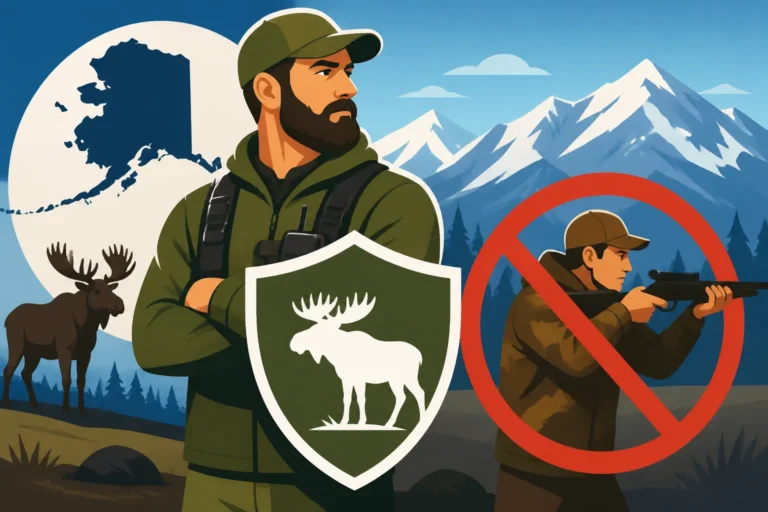
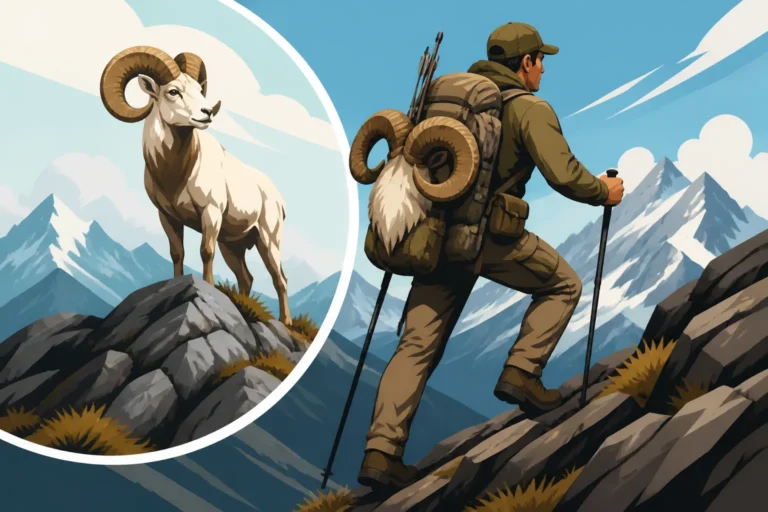
The rules of the game change significantly when you're a non-resident in Alaska. While Alaskans have the privilege of hunting most species unguided, non-residents face specific restrictions, particularly for certain big game animals. For species like brown/grizzly bear, Dall sheep, and mountain goat, a non-resident must be accompanied by an Alaska-licensed guide or a resident relative within the second degree of kindred. While moose typically don't fall under this mandatory guided hunt rule for non-residents (meaning you can hunt them unguided as a nonresident), the vast majority still choose to go with a guide.
Why, you ask, if it's not legally required? Because the sheer logistics, the specialized knowledge required to locate and successfully harvest a trophy bull, and the unparalleled safety net a seasoned guide provides, often make it an indispensable investment. Even if you can hunt moose unguided, it's rarely recommended unless you have extensive prior experience in similar remote Alaskan conditions. The learning curve is steep, and mistakes can be costly, both in terms of opportunity and safety.
The Unmatched Value of Local Knowledge
Imagine landing in a remote bush plane, surrounded by miles of unbroken wilderness, and having to figure out the best moose country, where the biggest bulls are hanging out, and how to navigate the terrain. Now imagine having someone by your side who has been doing just that for decades, someone who knows the water levels of the sloughs, the feed patterns in recent burns, and which willow thickets hold the most promise. That's the value of a local guide. Their experience isn't just about pointing you toward an animal; it's about understanding the subtle nuances of the ecosystem.
A good guide can read the landscape like a book, identifying old moose trails, interpreting recent sign, and predicting animal movement based on weather and time of year. They know the best glassing knobs, the safest river crossings, and how to approach a bull in thick cover without blowing him out. This intrinsic knowledge drastically increases your odds of success and, more importantly, enhances your overall experience by taking much of the guesswork and anxiety out of the equation.
Handling Logistical Complexities and Safety
An Alaska moose hunt involves a staggering amount of logistical planning. From securing bush plane charters and understanding weight limits to setting up a comfortable and safe camp in bear country, the details can quickly overwhelm an inexperienced hunter. A guide handles all of this, allowing you to focus on the hunt itself. They have established relationships with air taxi operators, they know how to arrange Meat Processing and Freight From Bush Alaska, and they understand the intricate dance of getting gear, hunters, and eventually, meat and trophies, in and out of the field.
Safety is paramount in the Alaskan wilderness. Bears, unpredictable weather, rapidly changing river conditions, and sheer isolation are all very real concerns. A professional guide is equipped not just with the hunting skills but also with critical wilderness first aid knowledge, emergency communication devices, and extensive experience in Bear Safety While Butchering a Kill in Alaska. They are your frontline defense and your lifeline in a place where self-rescue can be nearly impossible. This peace of mind alone is worth its weight in gold.
Understanding Guide Types and Their Roles in Alaska
When you start looking into guided hunts in Alaska, you'll quickly encounter different classifications for professionals who assist hunters. It's crucial to understand these distinctions because they dictate what services can legally be provided and what level of assistance you can expect. Don't confuse a transporter with a guide; it's a common mistake that can lead to disappointment or even legal issues.
Registered Guide-Outfitter: The Full Service Professional
An Alaska Registered Guide-Outfitter is the highest level of licensing and the professional you seek for a truly comprehensive guided hunt. This individual holds a specific license from the Alaska Board of Game and is authorized to contract with clients to furnish guides, equipment, and facilities for a hunting trip. Essentially, they are the orchestrator of your entire hunting experience, from the moment you book until your trophy is on its way home.
A Registered Guide-Outfitter is legally responsible for every aspect of your hunt within their contracted services. This includes scouting, locating game, providing expert advice, ensuring ethical hunting practices, setting up camp, preparing food, and handling the field care of your animal. They are expected to be physically present in the field with you or have a licensed assistant guide under their direct supervision. When you're looking to book a Guided Dall Sheep Hunt Price in Alaska or a moose hunt, this is the professional who will sign your contract and oversee the entire operation. They are vetted by the state for experience and ethical conduct, giving you an important layer of protection.
Class-A Assistant Guide: The Guide Under Supervision
A Class-A Assistant Guide works directly for a Registered Guide-Outfitter. These individuals are also licensed by the state and possess significant hunting experience, but they are not authorized to contract with clients independently. Their role is to assist the Registered Guide-Outfitter in the field, leading clients, calling game, tracking, and all the hands-on aspects of the hunt.
Essentially, when you book a hunt with a Registered Guide-Outfitter, you might find yourself hunting with the outfitter themselves or with one of their Class-A Assistant Guides. The outfitter remains ultimately responsible for the hunt's conduct and your safety. This structure allows outfitters to manage multiple clients or cover larger areas effectively. A good assistant guide is often a future registered guide, accumulating the necessary experience under the mentorship of a seasoned outfitter. Always ensure that any assistant guide you're with is legally licensed and operating under the umbrella of a Registered Guide-Outfitter.
Transporters: Logistical Support, Not Guiding
This is where many hunters get confused, and it's a critical distinction. An Alaska Transporter is an air taxi operator, boat operator, or outfitter who provides transportation to and from hunting areas. They can drop you off, pick you up, and even help you move camps. What they cannot legally do is provide any services that constitute "guiding." This means they cannot:
- Accompany you in the field while hunting.
- Help you locate game, make decisions about strategy, or point out animals.
- Provide equipment other than what's necessary for transport (e.g., a raft for a float hunt, but not a tent for your camp).
- Offer advice on hunting tactics once you're on the ground.
A transporter is a vital service for self-guided or "drop camp" hunters who possess the skills and knowledge to hunt independently but need help accessing remote areas. They are invaluable for things like Fly-In Hunting: Working With an Alaska Transporter Pilot or getting you to a remote river for a float hunt. But if you expect any form of active assistance in the hunt itself, you need a Registered Guide-Outfitter, not just a transporter. Misunderstanding this can lead to uncomfortable situations in the field or even violations of state law for both the hunter and the transporter. Always be clear about the services you are paying for.
The Financial Reality of an Alaska Guided Moose Hunt
Let's address the elephant in the room: guided Alaska hunts aren't cheap. They represent a significant investment, often the culmination of years of saving and dreaming. Understanding the cost structure and what you're actually paying for is crucial for budgeting and setting realistic expectations. Don't be shy about asking detailed questions about every line item; a reputable guide will be transparent.
Typical Cost Ranges and Inclusions
The What a Guided Moose Hunt Runs in Alaska can vary wildly based on the guide's reputation, the remoteness of the area, the type of camp (e.g., spike camp vs. established cabin), the length of the hunt, and whether it's a 1×1 (one hunter per guide) or 2×1 (two hunters per guide) experience. Generally, you're looking at a range that could represent a used pickup truck, or even a down payment on a house, just for the guide fee itself.
What typically is included in that base guide fee?
- Guide Services: The professional expertise and assistance of a licensed Registered Guide-Outfitter or their Class-A Assistant.
- Camp and Food: This can range from comfortable base camps with cook tents and wall tents to lightweight spike camps with freeze-dried meals, depending on the hunt style.
- Field Transportation: This usually covers travel from the guide's base of operations to the hunting area, often via bush plane or boat. It also covers in-field transportation like ATVs, packhorses, or small boats as needed.
- Trophy and Meat Care: Basic field care, caping, skinning, and quartering of your animal. This typically means getting the meat and trophy back to the guide's base camp or nearest transportation hub.
What's typically not included, and where many hunters get surprised by additional costs:
- Hunting License and Tags: These are always extra and must be purchased by the hunter. The What an Alaska Moose Tag Adds to a Hunt Budget can be substantial for nonresidents.
- Airfare to Alaska: Your travel to Anchorage or Fairbanks, the main hubs.
- Hotels and Meals: Pre- and post-hunt lodging and food in town.
- Meat Processing and Shipping: Getting your meat butchered, packaged, frozen, and shipped home. This can be a huge expense.
- Trophy Shipping and Taxidermy: Transporting your hide and antlers to a taxidermist, and the cost of the mount itself.
- Tips for Guides and Camp Staff: This is customary and expected, often adding 10-20% to the total hunt cost.
- Personal Gear: Your rifle, clothing, boots, sleeping bag, optics, etc.
- Contingency Funds: For unexpected delays due to weather, extra flights, or other unforeseen circumstances.
Understanding Deposits, Payment Schedules, and Cancellation Policies
Nearly all Alaska guides require a significant deposit to secure your hunt dates, often 30-50% upfront. The remaining balance is typically due a certain number of days or months before the hunt begins. Make sure you understand the Guide Contracts and Deposits in Alaska fully.
Cancellation policies are extremely important, as life happens. Read the contract carefully to understand what happens if you need to cancel. Will you forfeit your deposit? Is there a partial refund policy? Many outfitters offer no refunds within a certain period before the hunt, as they have limited spots and significant overhead. This is where hunt insurance can be a wise investment, covering trip cancellation, interruption, and emergency evacuation.
Tipping: An Essential Part of the Budget
Tipping your guide and any camp staff is a long-standing tradition in the hunting industry, and Alaska is no exception. These individuals work incredibly hard, often in challenging conditions, to make your hunt successful and enjoyable. Tipping is a direct reflection of their service and your appreciation.
The general rule of thumb for guides is 10-20% of the total hunt cost. For example, if your hunt costs $15,000, a tip between $1,500 and $3,000 would be appropriate. For any assistant guides or camp cooks, smaller, separate tips are often given, or the main tip is distributed by the outfitter. Always plan for this expense in your budget, as it's not optional if you've received good service. Your guide can often provide guidance on customary tipping practices if you're unsure.
Researching and Vetting Potential Guides
Choosing a guide is like choosing a business partner for a potentially life-changing venture. You need to do your homework. This isn't a decision to be made lightly or based solely on price. A bad guide experience can ruin a hunt and cost you a lot of money and disappointment. A good guide, however, can provide memories that last a lifetime.
Online Resources and Hunt Brokers
The internet is your friend here. Websites like BookYourHunt.com and GoHunt.com can be excellent starting points. They act as clearinghouses for outfitters, allowing you to filter by species, region, and hunt type. You can often see photos, read reviews, and get a general idea of pricing. While these platforms are convenient, always remember they are intermediaries. Use them to find potential guides, but do your deep vetting directly with the outfitter.
Beyond brokers, dive into hunting forums, social media groups focused on Alaska hunting, and dedicated hunting publications. Word-of-mouth recommendations are golden in this industry. Ask around, read reviews (but take them with a grain of salt, as every hunter has different expectations), and compile a list of 3-5 potential outfitters who specialize in Alaska moose.
Verifying Licenses and Credentials
Before you even pick up the phone, do your due diligence on their licensing. Every Registered Guide-Outfitter in Alaska has a specific license number issued by the Alaska Department of Fish and Game. You can contact the state's Big Game Commercial Services Board to verify that a guide is currently licensed and in good standing. This board also handles Alaska Guide Complaints and How to Check a Licence. Never book with an unlicensed individual. It’s illegal and leaves you with no recourse if something goes wrong.
Also, ask about their experience. How long have they been guiding moose hunts in that specific area? What's their experience with various hunting methods (e.g., calling, spot-and-stalk)? While overall experience is good, specific experience in the unit you're targeting is invaluable.
References from Past Clients
This is arguably the most critical step in vetting a guide. Ask for at least three references from clients who have hunted moose with the guide in the last 1-3 years. Be wary of guides who only provide old references or refuse to provide any. When you call these references, don't just ask, "Did you have a good time?" Dig deeper:
- What was the guide's communication like before, during, and after the hunt?
- Were the camp conditions as described?
- Did the guide accurately portray the physical demands of the hunt?
- How was the quality of the game seen? Did they put you on legal animals?
- How did they handle unexpected challenges (e.g., bad weather, mechanical issues)?
- Would they hunt with this guide again? Why or why not?
- Was the meat and trophy care handled to your satisfaction?
Pay attention to both the successes and the challenges. A perfectly smooth hunt isn't always realistic, but how a guide handles adversity says a lot about their professionalism.
Communication and Gut Feeling
Once you have a shortlist, start communicating directly with the guides. Call them, don't just email. A real conversation allows you to gauge their personality, their responsiveness, and their passion. A good guide will be eager to answer your questions and transparent about what to expect.
Pay attention to your gut feeling. Do you feel comfortable with them? Do they seem honest and straightforward? This person will be your lifeline in the wilderness for days or weeks. A personality clash can make a challenging hunt even harder. A good rapport, however, can make even an unsuccessful hunt a memorable experience.
Key Questions to Ask Before Booking Your Hunt
Once you've narrowed down your choices, it's time to get specific. Don't leave any stone unturned when discussing the details of your hunt. A thorough conversation upfront will prevent misunderstandings and ensure everyone is on the same page.
Hunt Logistics and Strategy
- What is the specific hunting unit and area we'll be hunting? Some guides operate in multiple areas. Knowing the exact unit helps you research regulations.
- What hunting methods do you primarily use for moose in this area (calling, spot-and-stalk, float hunt, etc.)? This should align with your preferences and physical capabilities. If you’re interested in Calling Bull Moose During the Alaska Rut, ensure your guide specializes in that.
- What is the typical success rate for your moose hunts, and how do you calculate it? Be realistic about success rates. High numbers might indicate an easy hunt, but low numbers aren't necessarily bad if it's a challenging area. Ask about "opportunity rates" as well – meaning, did clients get a shot at a legal animal, even if they missed or passed?
- How many days is the actual hunt, and how many travel days are involved?
- What happens if we fill our tag early? Will you be picked up, or will you stay in camp?
- What is your policy regarding shooting a second animal if tags are available? This often involves an additional trophy fee.
- What is your approach to Bear Safety While Butchering a Kill in Alaska? This is crucial in moose country.
Camp Conditions and Daily Routine
- What kind of camp will we be staying in (spike camp, wall tent, cabin, etc.)? Be realistic about comfort levels.
- What sleeping arrangements are provided? (e.g., cot, air pad, sleeping bag). You'll likely need to bring your own sleeping bag.
- What kind of food will be served? Can you accommodate dietary restrictions?
- What is the typical daily schedule? When do we wake up, hunt, eat, etc.?
- What are the bathroom facilities like in camp? This might seem trivial, but it's important for comfort.
- Are there any charging capabilities for electronics (satellite phone, camera batteries)?
Physical Demands and Gear
- What are the physical demands of this particular moose hunt? Be honest about your fitness level. Some hunts involve significant hiking and packing, others more boat or ATV access. For a truly remote, physically demanding hunt, you might want to ask about Backpack Hunting in Alaska: Gear Weight and Meat Loads.
- What kind of terrain can I expect? (e.g., tundra, thick willows, mountains, river bottoms).
- What gear do I need to bring, and what does the guide provide? Get a detailed gear list. Pay special attention to rain gear, footwear, and cold-weather clothing.
- What caliber rifle do you recommend for moose in this area? While guides can't dictate your choice, they often have strong recommendations. See Rifle Choice for Alaska Brown Bear Country for a good overview of powerful calibers.
- What is the average shot distance expected on this hunt? This helps you prepare and practice appropriately.
Contract Specifics and Contingencies
- Can I review a sample contract before committing? This is crucial. Read every clause.
- What are the exact payment schedule and cancellation policy? Reiterate this, even if discussed earlier.
- What is your policy on weather delays or other unforeseen circumstances? Who bears the cost of extra charter flights if you're weathered in? Weather Days and Who Pays for Them is a common point of contention.
- What are the arrangements for emergency evacuation? Does the guide carry a satellite phone or InReach? What is their protocol?
- What insurance do you recommend (trip cancellation, medical, evacuation)?
Preparing for Your Guided Hunt
You've done the research, chosen your guide, and booked your hunt. Now the real work begins for you: preparing yourself for the physical, mental, and logistical challenges of an Alaska moose hunt. Your guide will provide the expertise, but your readiness will significantly impact your experience.
Physical Conditioning: Get into Hunting Shape
Alaska moose hunts, even those involving more motorized access, are physically demanding. You'll likely be hiking over uneven tundra, slogging through muskeg, climbing hills, and potentially packing out hundreds of pounds of meat in challenging conditions. The biggest mistake you can make is underestimating the physical effort required.
Start a fitness regimen well in advance. Focus on endurance (long walks, trail running), strength (leg and core workouts), and carrying weight (hiking with a loaded pack). Practice hiking in the boots you plan to wear. If you’re considering a sheep hunt in the future, remember that Fitness Expectations on an Alaska Sheep Hunt are even higher, but moose hunts are no walk in the park. The fitter you are, the more you'll enjoy the hunt, and the better prepared you'll be to capitalize on opportunities when they arise.
Gear Preparation: Tested and True
Your guide will provide a gear list. Follow it meticulously. Alaska weather is notoriously unpredictable, often swinging from sunshine to driving rain and freezing temperatures in a single day. Layering is key, and high-quality rain gear is non-negotiable.
- Footwear: Invest in comfortable, waterproof, broken-in boots suitable for the terrain.
- Clothing: Focus on synthetic or wool layers. Avoid cotton entirely. Bring enough warm layers, even for September hunts.
- Rain Gear: Get the best quality you can afford. This is your shield against constant moisture.
- Optics: Good binoculars are essential for glassing, and a spotting scope can be very useful for judging moose.
- Rifle and Ammo: Practice extensively with the rifle you intend to use. Ensure it's sighted in perfectly, and bring quality ammunition. Know your ethical range limits. Ask your guide about Sighting In a Rifle After a Bush Flight or other potential issues.
- Personal Items: Headlamp, water bottle/hydration system, small first-aid kit, and any personal medications.
- Game Bags: While your guide will likely have them, good quality, breathable game bags for Game Bags That Breathe in Coastal Rain are always a smart personal item to bring.
Mental Preparation and Realistic Expectations
An Alaska hunt is an adventure, not a guarantee. Go into it with a positive attitude, an open mind, and realistic expectations. Understand that weather delays happen, animals aren't always cooperative, and things can go wrong. Patience is a virtue, especially in moose hunting.
Be prepared for long days, uncomfortable moments, and potential setbacks. Embrace the wilderness experience, even if it means toughing it out. Your mental fortitude can be just as important as your physical conditioning. Trust your guide, listen to their instructions, and be a good hunting partner. Even if you don't punch your tag, the memories of the landscape, the wildlife, and the camaraderie can still make it a truly successful trip.
The Contract and Your Responsibilities
Once you've chosen your guide, you'll receive a contract. This document is your binding agreement, protecting both you and the outfitter. It's critical that you read it thoroughly, understand every clause, and don't hesitate to ask for clarification on anything unclear before you sign.
Understanding Your Obligations
The contract will outline your responsibilities, which typically include:
- Payment Schedule: Adhering to the agreed-upon deposit and final payment dates.
- Legal Compliance: Following all Alaska hunting regulations, which your guide will reinforce. This includes understanding Alaska Harvest Tickets, Registration Permits and Draw Permits and attaching your locking tag promptly after a kill.
- Physical Readiness: Many contracts imply a certain level of physical fitness necessary for the hunt.
- Ethical Conduct: Respecting wildlife, practicing good sportsmanship, and following your guide's instructions.
- Disclosure of Health Issues: Informing your guide of any medical conditions or limitations that could affect your safety or the hunt.
It's also your responsibility to be prepared with the necessary gear, as outlined by your guide. If you show up unprepared for the weather or the physical demands, you're not just jeopardizing your own hunt, but potentially the safety and success of the entire team.
What the Guide is Legally Bound to Provide
The contract also spells out the guide's obligations. This typically covers:
- Licensed Guiding Services: Providing a duly licensed Registered Guide-Outfitter or Class-A Assistant Guide.
- Specific Hunt Details: The agreed-upon species, hunt dates, location, and duration.
- Inclusions: What services, equipment, and accommodations are covered by the base fee (e.g., camp, food, field transportation).
- Safety Protocols: While not always detailed in the contract, a guide is implicitly bound by professional standards to ensure client safety.
- Ethical Operation: Conducting the hunt in a legal and ethical manner.
Pay close attention to any clauses about "success rates" or "guarantees." Reputable guides don't guarantee success, as hunting wild animals is inherently unpredictable. They guarantee their best effort, professionalism, and access to good hunting grounds. Be wary of any guide offering unrealistic guarantees.
The Importance of Hunt Insurance
As mentioned before, hunt insurance is a highly recommended investment for an Alaska hunt. It can protect you from financial losses due to:
- Trip Cancellation or Interruption: If you can't go due to illness, injury, or family emergency.
- Medical Emergencies: Covering costs for injuries or illnesses in remote areas.
- Emergency Evacuation: Crucial for Alaska, where medical transport from remote locations can cost tens of thousands of dollars out of pocket.
- Lost or Damaged Gear: Protecting your valuable hunting equipment.
Policies vary greatly, so shop around and ensure the coverage aligns with your specific needs and the unique risks of an Alaska wilderness hunt. Discuss this with your guide, as they often have recommendations for providers that specialize in adventure travel.
Beyond the Hunt: Aftermath and Logistics
The hunt doesn't end when the animal hits the ground. In Alaska, especially with a massive animal like a moose, the real work often begins then. Understanding the post-harvest logistics is just as important as the hunting itself.
Meat and Trophy Care in the Field
A good guide will be an expert in Quartering a Bull Moose Alone in the Field, even if they have assistance. They will ensure the meat is properly cared for, especially when dealing with Meat Care in 50-Degree September Weather. This involves quickly skinning, quartering, and getting the meat into game bags and hung to cool, often out of reach of bears. Proper field care is paramount to prevent spoilage and ensure you get the highest quality meat home.
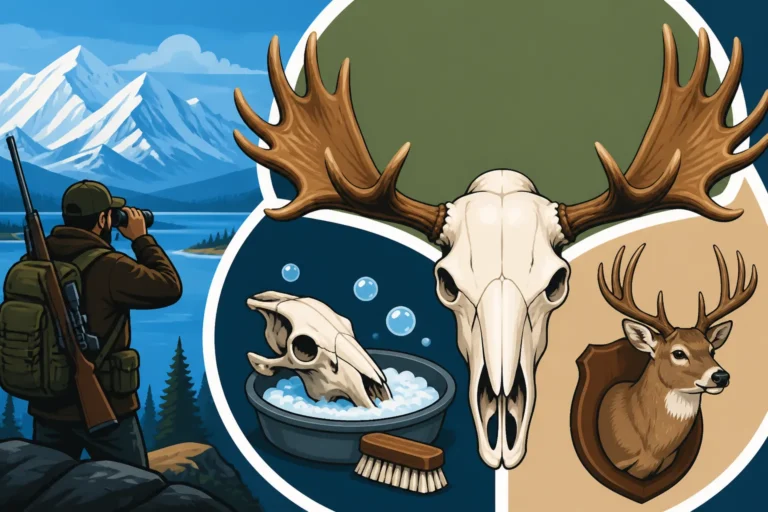
For the trophy (hide and antlers), your guide will handle the initial caping and preparation. This might involve skinning out the head, turning the ears, and salting the hide if conditions allow. If you're planning a full shoulder mount, discuss your taxidermy plans with your guide beforehand, as the field preparation differs slightly from a European mount.
Getting Your Harvest Home
This is often the most complex and expensive part of the post-hunt process.
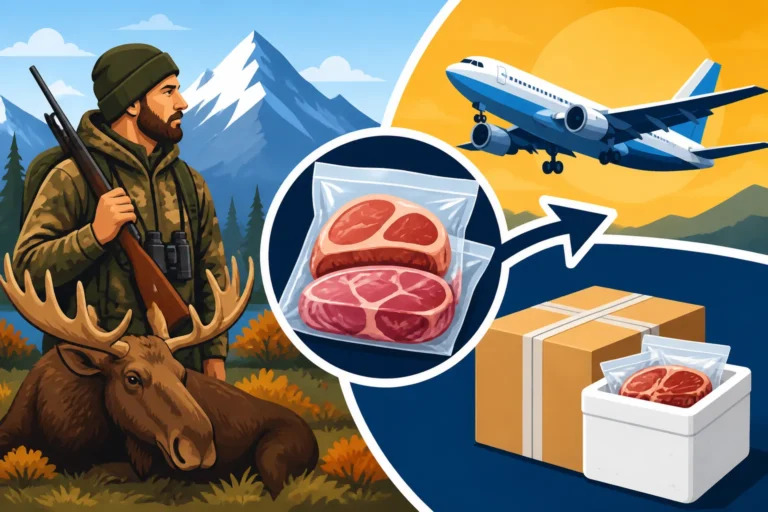
- Meat Transportation: Once back at the guide's base camp or the nearest town, you'll need to arrange for the meat to be processed, frozen, and shipped. Many towns in Alaska have local processors who can handle this, but it adds significant cost. The guide can typically connect you with these services. Shipping hundreds of pounds of frozen moose meat across the country is a logistical puzzle that requires careful planning and a budget.
- Trophy Transportation: Antlers, especially large moose antlers, can be cumbersome to transport. Airlines have specific regulations and often charge oversized baggage fees. Discuss with your guide how previous clients have managed this. For hides, especially salted ones, you might ship them directly to your chosen taxidermist. Some guides work with taxidermists who can receive and care for your trophy while you arrange shipping. Ensure you understand Getting Horns and Antlers Home on a Plane.
Providing Feedback and Reviewing Your Experience
Once you're home and the dust settles, take the time to provide honest feedback to your guide. This helps them improve their services and is a professional courtesy. If you had an exceptional experience, consider writing a testimonial or sharing your story online. For those looking for guides, positive reviews are incredibly helpful.
If you had issues, address them directly and professionally with the guide first. Most reputable outfitters want to resolve problems. If that doesn't work, then consider formal complaints to the Alaska Big Game Commercial Services Board, but always start with direct communication. Your constructive feedback helps maintain high standards in the guiding industry.
In closing, an Alaska moose hunt is a monumental undertaking, but with the right guide, it transforms from a daunting challenge into an unforgettable adventure. By doing your homework, asking the right questions, and preparing thoroughly, you'll significantly increase your chances of a successful and deeply rewarding experience in the Alaskan wilderness.
Disclaimer
This article is for general informational purposes only and does not constitute professional advice. Laws, prices and regulations vary by location and change over time. Consult a qualified professional for guidance on your specific situation.