Alaska Black Bear Hunts a Nonresident Can Do Alone
The dream of hunting in Alaska often conjures images of remote fly-in trips with a seasoned guide, but for many nonresident hunters, the reality of budget and desire for independence leads to a different path. If you've been grappling with the question of how to experience an authentic Alaskan hunt without breaking the bank or relying on an outfitter, you're not alone. Many hunters feel this pull, but navigating Alaska's complex regulations for unguided nonresident hunts can feel like trying to read a map drawn in the dark. This guide is here to shed light on exactly that, specifically showing you how a nonresident can successfully plan and execute an unguided black bear hunt in the vast Alaskan wilderness, covering everything from legalities to logistics.
Understanding Alaska's Nonresident Guide Requirements for Black Bear
One of the first hurdles nonresidents encounter when planning an Alaska hunt is the guide requirement. Alaska has very specific rules about which species nonresidents must hunt with a registered guide-outfitter or a close relative (second-degree-kinship). It’s a crucial distinction that can make or break your trip planning.
The Legal Framework: When a Guide Isn't Required
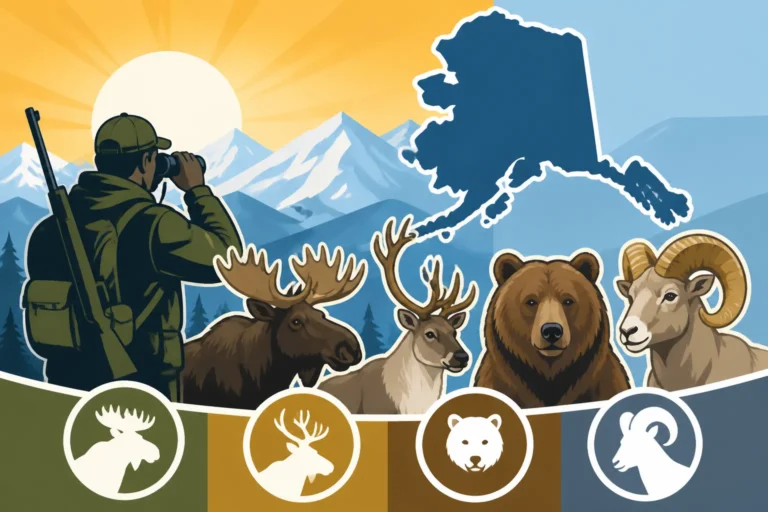
Here's the good news: black bears are one of the few big game species in Alaska that do not require a nonresident to be accompanied by a licensed guide or a second-degree-kindred relative. This is a significant factor that opens the door for many DIY (Do-It-Yourself) hunters. When you look at species like Dall sheep, brown/grizzly bears, and mountain goats, the state mandates a guide for nonresidents, which adds substantial cost and changes the entire dynamic of the hunt. This specific exemption for black bear is why they are such a popular target for independent nonresident hunters. It means you can plan your own trip, choose your own methods, and execute the hunt entirely on your own terms, which for many, is the true spirit of an Alaskan adventure.
It's important not to confuse black bears with their larger cousins, the brown bears or grizzlies. While they are both bears, the legal requirements for hunting them as a nonresident are completely different. Always double-check the specific regulations for the species you intend to hunt. For black bears, that freedom of an unguided pursuit is absolutely there, but it comes with the responsibility of understanding all other pertinent regulations.
License and Tag Essentials for Unguided Black Bear
Even though you don't need a guide, you're still a hunter in Alaska, and that means you need the proper paperwork. The first step for any nonresident is purchasing a valid Alaska hunting license. This is a baseline requirement for all hunting activities. Beyond the license, you'll need a black bear locking tag. Alaska uses a system of "locking tags" for many big game species, and black bear is one of them. This tag is essentially your permit to harvest a specific animal, and once an animal is harvested, the tag is physically attached to the animal and "locked" in place, typically through a hole in the hide.
It's critical to note that tag prices vary between resident and nonresident hunters, with nonresident tags generally being significantly more expensive. While I can't give you current figures, be prepared to budget for this cost, along with your hunting license. These tags must be purchased before you go hunting. You won't be able to buy one in the field, and trust me, you don't want to be caught without it. Make sure you understand How Many Alaska Locking Tags One Hunter Can Buy and the process for attaching it after a successful harvest.
| Item | Requirement for Nonresident Black Bear Hunter | Notes |
|---|---|---|
| Hunting License | Mandatory | Required for all hunting activities. |
| Black Bear Locking Tag | Mandatory | Species-specific permit to harvest a black bear. |
| Registered Guide | Not Required | Unlike brown bear, sheep, and goat, a guide is optional. |
| Second-Degree Kinship | Not Required | No need for a close relative to accompany you. |
| Hunter Education Card | Mandatory (for certain hunters) | Required if born after Jan 1, 1986. Check specific age exceptions. |
| Harvest Report | Mandatory | Must be submitted after the hunt, regardless of success. |
Hunter Education and Specific Regulations
Alaska has specific hunter education requirements, especially for younger hunters or those born after a certain date. Generally, if you were born on or after January 1, 1986, you must have successfully completed a hunter education course approved by any state, province, or country. Make sure your Alaska Hunter Education Card Requirements are met well in advance of your trip. There are reciprocity agreements, so a hunter education card from your home state is usually sufficient, but always confirm.
Beyond the general license and tag requirements, it’s absolutely essential to delve into the specific regulations for the Game Management Unit (GMU) you plan to hunt. Alaska Black Bear Seasons and Bag Limits can vary wildly from one GMU to another. Some units might have a single bear bag limit, while others might allow two or even three. Seasons also differ, with some opening in spring, others in fall, and some having both. You need to know the exact dates for your chosen unit. Pay close attention to any specific rules regarding methods of take, particularly if you're considering baiting, as there are strict rules for Alaska Black Bear Bait Station Registration. Remember, ignorance of the law is no excuse in the field, and Alaska Fish and Game troopers take regulations very seriously.
Choosing Your Unguided Black Bear Hunting Method
When it comes to hunting black bears in Alaska as a nonresident, you generally have a few primary methods available for an unguided hunt: spot-and-stalk, hunting over bait, or targeting them on spring snow slides. Each method has its own challenges and rewards, and your choice will often depend on the time of year, the terrain you're hunting, and your personal preferences.
Spot-and-Stalk Opportunities
Spot-and-stalk hunting for black bears is perhaps the most classic and physically demanding method, offering a truly immersive experience in the Alaskan wilderness. This method relies heavily on your ability to find bears from a distance, assess their movement, and then execute a strategic approach for a shot.
Terrain and Conditions: Black bears are often found in areas with good cover, food sources, and access to water. In many parts of Alaska, particularly the vast interior or southcentral regions, this means focusing on river bottoms, brushy slopes, avalanche chutes, and the edges of recent burns where new vegetation flourishes. During the spring, bears often emerge from their dens and are drawn to green-up areas. Spring Bear Hunting on South-Facing Snow Slides is a prime example of this, where bears will frequent sun-exposed slopes to feed on early grasses and sedges. In the fall, they're often gorging on berries in preparation for winter.
Optics and Patience: High-quality optics are your best friends for spot-and-stalk. A good set of binoculars (10x or 12x) and a powerful spotting scope (20-60x or higher) are indispensable for picking apart distant hillsides. You'll spend hours glassing, patiently scanning for any movement, a dark patch against the green, or the tell-tale gleam of a bear's coat in the sun. Bears are often crepuscular, meaning most active at dawn and dusk, but they can be seen throughout the day, especially on cooler, overcast days. Patience is paramount; a hasty movement or a missed opportunity to glass an area thoroughly could mean walking past a trophy bear. Learning to read the subtle signs of bear activity, such as scat, rubbed trees, and fresh tracks, will also increase your odds of success.
Spring Bear Hunting on South-Facing Snow Slides
This is a particularly popular and often productive method for unguided nonresident black bear hunters in Alaska. As winter recedes and the sun gains strength, bears emerge from their dens, often high on mountain slopes. Their first priority is food, and the earliest green-up occurs on south-facing slopes and avalanche chutes that shed snow quickly and receive maximum sunlight.
Timing and Location: The timing for this hunt is critical and can vary significantly depending on the region and the specific year's snowpack. Generally, late April through early June is prime time. You're looking for slopes where the snow has melted just enough to expose tender green shoots of grass and sedges, or where bears are digging for roots. These "snow slides" or "green-up areas" become natural cafeterias for hungry bears. Hunters often access these areas via road systems or by hiring an air taxi for a drop-off, then hiking into glassing positions.
Bear Behavior and Gear: Bears moving onto these slopes are often focused solely on feeding, making them potentially predictable. However, they are also easily spooked. Your approach needs to be calculated, often utilizing terrain features to stay out of sight. Remember, you'll likely be dealing with a mix of bare ground, melting snow, and potentially steep, slippery terrain. Appropriate footwear, such as waterproof boots with good ankle support, and even lightweight crampons or microspikes for icy patches, can be crucial. Warm, waterproof layers are also a must, as spring weather in Alaska can be highly unpredictable, swinging from warm sunshine to cold rain or snow in a matter of hours. This method offers breathtaking views and a truly wild experience, but demands physical fitness and careful planning.
Baiting for Black Bear as a Nonresident Hunter
Unlike brown bears, Alaska allows baiting for black bears, and nonresidents can participate in this method without a guide. This can be a very effective way to hunt, especially if you have limited mobility or prefer a more stationary hunting style. However, baiting comes with a rigorous set of rules that you absolutely must follow to avoid legal trouble.
Registration and Rules: The first, and most critical, step for baiting black bears is Alaska Black Bear Bait Station Registration. You cannot simply put out bait wherever you please. You must register your bait site with the Alaska Department of Fish and Game (ADF&G) and follow specific guidelines. This includes having your name and hunting license number clearly marked at the site. There are also strict rules about Legal Bait Materials for Alaska Black Bear, which generally means no human food scraps (like meat from big game you've harvested) and often restricts offal from certain animals. Furthermore, there are requirements for How Far an Alaska Bait Site Sits From a Trail or dwelling, usually a minimum distance to ensure public safety and ethical hunting practices.
Challenges and Considerations: Baiting requires a significant time commitment for establishing and maintaining the bait station, checking trail cameras, and hauling bait. You'll need to find a suitable location, often accessible by ATV or boat, that is away from other hunters and has good bear sign. Weather can be a factor, impacting bait freshness and bear activity. You'll also need to consider other critters, like wolves, wolverines, or even brown bears, that might be attracted to your bait site. While effective, baiting is a commitment, and it's essential to understand that it's not a "set it and forget it" strategy.
Hunting Near Road Systems and Accessible Areas
Many nonresidents shy away from road-system hunting in Alaska, assuming all the game is "gone." However, that's not always the case, especially for black bears. While less remote than a fly-in hunt, road-system hunting offers accessibility that can be a huge advantage for an unguided nonresident.
Pros and Cons: The obvious "pro" is ease of access. You can drive your rental car or personal vehicle right to the hunting area, minimizing travel costs and logistical headaches. This also makes packing out a bear much simpler. The "con" is that these areas naturally see more hunter pressure. However, black bears are incredibly adaptable and often thrive surprisingly close to human activity, especially in areas with good cover.
Specific Locations and Tactics: Areas off highways like the Glenn, Richardson, and Parks offer many opportunities. Look for public lands adjacent to these roads, focusing on brushy hillsides, river drainages, and areas with berry patches in the fall. Walking old logging roads, ATV trails (where legal), or even hiking a few miles off a main road can often get you into productive, less-pressured areas. Always check the specific GMU regulations for any road closures or restrictions on motorized access. For example, some areas might have buffer zones around population centers where hunting is restricted. Even if you're hunting near a road, remember to maintain vigilance for bear safety, especially when approaching a downed animal or navigating dense brush. It's still Alaska, and you need to be prepared.
Planning Your Unguided Black Bear Logistics and Safety
An unguided hunt in Alaska, even for black bears, requires meticulous planning. The vastness and remoteness of the state mean you are largely responsible for your own safety and success. There's no guide to fall back on if you forget something or get into trouble.
Essential Gear for an Unguided Hunt
Your gear list for an unguided Alaska black bear hunt should prioritize self-sufficiency, safety, and comfort in challenging conditions. Think layering, durability, and redundancy.
Shelter, Food, and Water: A robust, all-season tent is non-negotiable. Even in late spring or early fall, Alaska weather can deliver high winds, heavy rain, and even snow. Pack enough dehydrated food for your planned trip duration, plus an extra 2-3 days' worth in case of weather delays. Water purification is critical; a reliable filter, chemical tablets, or a portable UV purifier should always be with you. You can't count on finding potable water sources without treatment.
Clothing and Footwear: Layering is key in Alaska. Start with moisture-wicking base layers, add insulating mid-layers (fleece or synthetic down), and top with a waterproof and windproof outer shell. Bring at least two pairs of durable, waterproof hiking boots that are well broken-in. Waders or knee-high rubber boots can also be invaluable for crossing streams or navigating boggy terrain, especially in spring. Don't forget a warm hat, gloves, and extra socks – nothing saps morale like wet, cold feet.
Bear Safety Gear: This is Alaska, and bears are part of the landscape. Even when hunting black bears, you need to be prepared for encounters with both black and brown bears. Carry bear spray on your hip, easily accessible, and know how to use it. Many hunters also carry a powerful sidearm (like a .44 Magnum or 10mm auto) or a rifle as a backup, particularly when approaching a kill site or navigating dense cover. Educate yourself on the differences between aggressive and defensive bear behavior. Consider a Bear Fence Setup at a Meat Cache if you plan to leave meat overnight, especially in a remote area. Understanding the nuances of Bear Spray Versus Rifle at Close Range can be a literal lifesaver.
| Gear Category | Essential Items | Notes for Unguided Alaska Hunt |
|---|---|---|
| Navigation & Safety | GPS device (with spare batteries), satellite communicator (InReach/Spot), detailed topo maps, compass, headlamp (with spare batteries) | Offline maps on phone as backup. Leave a trip plan. |
| Clothing (Layered) | Moisture-wicking base layers, fleece/synthetic mid-layers, waterproof/windproof outer shell, warm hat, waterproof gloves, extra socks | Prioritize synthetic or wool; avoid cotton. |
| Footwear | Waterproof, sturdy hiking boots (2 pairs), rubber boots/waders, camp shoes | Break in boots before the trip. Gaiters are a good idea. |
| Shelter & Sleep | All-season tent, durable sleeping bag (0-20F rating), sleeping pad, repair kit | Ensure tent can withstand strong winds and heavy rain. |
| Cooking & Water | Camp stove, fuel, cooking pot/utensils, water filter/purifier, collapsible water container | Bring enough fuel. Always filter water. |
| Bear Protection | Bear spray (hip holster), noisemakers (air horn), powerful sidearm/rifle (optional, but recommended for some) | Know how to use bear spray. Practice with firearms. |
| First Aid & Repair | Comprehensive first-aid kit, emergency bivvy/blanket, fire starter, multi-tool, duct tape, cordage, knife sharpener | Personal medications. Basic tent/gear repair items. |
| Hunting Specific | Rifle/bow, ammunition/arrows, optics (binoculars, spotting scope), rangefinder, game bags, sharpening stone/knife, rope, license/tags | Know your Rifle Calibers for Coastal Brown Bear even for black bear areas. Game bags are crucial for meat. |
| Misc. | Pack (sufficient capacity for meat), dry bags/stuffsacks, hygiene items, sun protection, insect repellent | Backpack must be capable of hauling heavy loads. |
Navigation, Communication, and Emergency Preparedness
In Alaska, especially off the road system, cell service is virtually nonexistent. Relying on your smartphone for navigation or communication is a recipe for disaster.
Navigation Tools: A reliable GPS unit with pre-loaded maps of your hunting area is essential. Learn how to use it proficiently before your trip. Always carry paper topographic maps and a compass as a backup, and know how to navigate with them even if your electronics fail. Mark potential camping spots, water sources, and escape routes on your maps. Consider Downloading Offline Maps Before a Fly-In.
Communication Devices: A satellite communication device, such as a Garmin InReach or Spot device, is a must-have for emergency communication. These devices allow you to send and receive text messages, track your location, and most importantly, send an SOS signal in a life-threatening situation. Set up a regular check-in schedule with a trusted contact back home, and make sure they have a detailed copy of your Leaving a Trip Plan With a Contact including your planned route, dates, and emergency contacts. This small investment can be the difference between a minor inconvenience and a dire emergency.
Emergency Preparedness: Alaska's wilderness is unforgiving. Be prepared for unexpected delays due to weather, injury, or getting lost. Carry extra food, fuel, and clothing. Know basic first aid. Understand how to build a shelter, start a fire in wet conditions, and signal for help. The best way to deal with an emergency is to prevent it through thorough planning and preparation.
Field Care and Salvage Requirements
Once you've successfully harvested a black bear, the work isn't over. Proper field care is critical for preserving the meat and hide, and fulfilling Alaska's strict salvage requirements. Alaska Moose Meat Salvage Requirements aren't just for moose; many species, including bears, have specific requirements for what constitutes "edible meat" that must be salvaged.
Skinning and Caping: For a black bear, you'll need to skin the animal, separating the hide from the carcass. If you intend to have a hide tanned or a taxidermy mount, you'll need to cape the bear properly. This involves meticulous work around the head, feet, and claws. Learn how to perform Cape Care for a Life-Size Bear Mount before you leave, or at least how to properly salt and roll a hide for later processing. Improper hide care can ruin a valuable trophy.
Meat Care: All edible meat from a black bear must be salvaged. This includes the muscle tissue, but often excludes the rib cage, neck, and organs for bears, unless specified otherwise by regulation. Quickly cool the meat to prevent spoilage. Get it into game bags that breathe, protecting it from flies and dirt. Hang the meat in a shady, airy spot, out of reach of scavengers. In warm weather, cooling the carcass thoroughly is paramount. Meat Care in 50-Degree September Weather techniques are highly relevant here, even in spring. Be aware of trichinosis, a parasite common in bears; proper cooking is essential, but good field care and clean handling also minimize risk.
Finding Information and Resources
Embarking on an unguided Alaska black bear hunt means you are your own expedition planner. You need to be resourceful and diligent in gathering information. Luckily, there are excellent resources available to help you navigate the complexities of planning such an adventure.
Utilizing ADF&G Resources
The Alaska Department of Fish and Game (ADF&G) is your absolute primary source for all official regulations, season dates, hunt areas, and statistical information. Their website is a treasure trove of invaluable data.
Regulations Booklets: The annual hunting regulations booklet is a must-read, cover to cover, for any hunter in Alaska. It details seasons, bag limits, methods of take, special restrictions, and everything else you need to know for your chosen GMU. Do not rely on hearsay or outdated information. Regulations can change annually.
Harvest Reports and Statistics: ADF&G also compiles harvest reports and success statistics by GMU and species. While these numbers don't guarantee your success, they can be incredibly useful for identifying areas with healthy bear populations and reasonable hunter success rates. You can often see the number of permits issued, animals harvested, and even the average size of animals taken. This data can inform your decision-making on where to focus your efforts. These statistics, along with the detailed maps and regulations, are publicly available and are an essential part of your pre-hunt research.
Online Tools and Community Forums
Beyond the official ADF&G resources, a wealth of information exists online that can supplement your planning, especially when it comes to visual aids, community insights, and finding services.
Mapping and Research Platforms: Tools like GoHunt offer incredible resources for mapping, researching specific units, and analyzing draw odds (though black bears are often over-the-counter tags, mapping is still vital). These platforms often allow you to overlay land ownership, recent satellite imagery, and even historical burn data, which can be critical for identifying prime black bear habitat in areas like interior Alaska. Spend time exploring these tools to identify potential glassing knobs, travel corridors, and access points. For those who eventually consider a guided trip for another species, or simply want to understand the market, platforms like BookYourHunt list various guided hunts, offering a useful baseline for what professional operations look for in terms of prime habitat and logistics, even if you're pursuing an unguided trip. It provides insight into areas where bears are consistently found by professionals, which can guide your own research for unguided opportunities.
Hunter Forums and Social Media Groups: Online forums dedicated to Alaska hunting or DIY hunting can be incredibly helpful for gleaning anecdotal information, asking specific questions, and connecting with experienced hunters. Be cautious about the information you receive, always cross-referencing it with official ADF&G regulations, but these communities can offer practical tips, gear recommendations, and even insights into general area conditions or common challenges. Just remember that what works for one hunter in one area might not apply to your specific situation.
Planning an unguided black bear hunt in Alaska as a nonresident is a challenging but immensely rewarding endeavor. It requires meticulous research, thorough preparation, and a commitment to self-reliance. By understanding the legal framework, choosing the right hunting method for your skills and desired experience, meticulously planning your logistics and safety, and leveraging all available resources, you can turn that dream into a thrilling reality.
Disclaimer
This article is for general informational purposes only and does not constitute professional advice. Laws, prices and regulations vary by location and change over time. Consult a qualified professional for guidance on your specific situation.