Shower and Laundry Realities in Camp
If you’ve ever imagined yourself on an Alaska hunting trip, you've probably pictured towering mountains, vast tundra, and maybe even a massive bull moose. What often gets left out of the romanticized vision, however, is the gritty reality of personal hygiene and laundry when you’re days, or even weeks, from the nearest hot shower. It’s a common frustration, stepping out of a bush plane and realizing the creature comforts you take for granted are now luxuries you just can’t afford. This guide is all about setting realistic expectations and offering practical solutions for staying as clean and comfortable as possible in the rugged Alaskan backcountry.
The Harsh Realities of Hygiene in Remote Alaska Camps
Let’s face it, when you’re miles from the nearest road, deep in the wilderness, the idea of a daily hot shower becomes a distant fantasy. Alaska hunting is an immersive experience, and that often means embracing a certain level of grime. Understanding the fundamental challenges before you even pack your bag can save you a lot of disappointment and ensure you're prepared for the reality on the ground.
Water Scarcity and Temperature Challenges
Access to clean, potable water is always a primary concern in remote Alaska. While rivers, streams, and lakes might seem abundant, treating that water for drinking and cooking takes time and resources. Using precious treated water for a full body wash is often simply not practical. You might be drawing water from a glacial stream that's barely above freezing, or melting snow if you're hunting later in the season or at higher elevations. Heating enough of that frigid water for a comfortable wash requires fuel and time, both of which are finite resources in a bush camp.
Imagine trying to heat five gallons of river water over a tiny backpacking stove after a long day of humping a pack through brush and muskeg. It’s a chore, not a luxury. Most hunters quickly learn to conserve water for drinking, cooking, and critical sanitation. Water Sources at a High Spike Camp are often cold, silty, or require significant effort to reach and purify, making extensive personal washing a low priority in the grand scheme of camp operations. The sheer effort involved in gathering and heating enough water often outweighs the desire for a full scrub.
Moreover, the ambient air temperature can make showering an exercise in masochism. Even on a relatively warm September day, stepping out of warm water into a cool breeze can be brutal. Forget about taking your sweet time; it's usually a quick, functional splash if you get one at all. This isn't your bathroom at home; it's a cold, exposed environment where staying warm and dry is paramount to health and morale.
The Weight Factor: Why Less is More
Every ounce counts in an Alaska hunting camp, especially if you're flying in with an air taxi or backpacking into a remote area. Airplanes, particularly smaller bush planes like a Super Cub, have strict weight limits. Overpacking means leaving essential gear behind or incurring extra costs for additional flights, which can quickly derail a trip. This brutal reality means that luxury items like extra changes of clothes, large bottles of shampoo, or fluffy towels are often the first things to get cut from the packing list.
Think about it: do you really need a full-sized bath towel that weighs a pound when dry and takes forever to dry when wet? Or is a small, quick-drying microfiber pack towel a more logical choice? The same goes for toiletries. A full tube of toothpaste, a large deodorant, or a big bottle of body wash are simply not practical. Backpack Hunting in Alaska: Gear Weight and Meat Loads is a constant calculus, and anything that doesn't directly contribute to safety, survival, or hunting success is scrutinized. Your guide, or even your fellow hunting partners, will appreciate a lighter load, especially when it comes to hauling meat out.
This weight constraint forces a minimalist approach to hygiene. Hunters prioritize compact, multi-use items that take up minimal space and add negligible weight. The goal isn't to replicate your home bathroom but to maintain a functional level of cleanliness without compromising your hunt's logistics. Every item you bring must justify its place in your pack, and often, that means making tough choices about what you can truly live without for a week or two.
Environmental Concerns and Scent Management
Beyond the practicalities of water and weight, ethical hunting and environmental stewardship demand a careful approach to hygiene in the backcountry. We preach "Leave No Trace" principles here at Alaska Hunting, and that extends to how you manage your personal waste, including gray water from washing. You can't just dump soapy water directly into a stream or lake. Biodegradable soaps are a must, and even then, you should disperse gray water at least 200 feet from any water source to allow the soil to filter it naturally.
Furthermore, scent management is critical for hunting success, especially for species with keen noses like bears, moose, or caribou. Strong perfumes, scented soaps, or even the lingering smell of your breakfast bacon can be picked up by game animals from surprisingly far distances, potentially blowing your stalk. Many hunters go to great lengths to reduce human odor, opting for unscented everything – from detergent (if you even attempt laundry) to soap, deodorant, and bug spray. You’re trying to blend into the environment, not stand out.
Think about a close encounter with a brown bear in thick brush. Rifle Choice for Alaska Brown Bear Country is important, but if that bear winds you before you even see it, your rifle won't matter. The wind is always a factor, and even a faint artificial smell can carry, alerting game to your presence. This often means sacrificing personal fragrance for tactical advantage. The backcountry isn't a place for fancy colognes; it's a place where subtle smells dictate success or failure.
Practical Approaches to Camp Hygiene (Showers)
So, with the challenges understood, how do you actually stay reasonably clean in the wilds of Alaska? It's all about adapting, prioritizing, and making the most of limited resources. Forget the spa experience; think functional and efficient.
Sponge Baths and Wet Wipes: The Daily Routine
For most hunters in remote Alaska, a "shower" is usually a sponge bath or a thorough wipe-down. This is your bread and butter for daily cleanliness. You'll heat a small pot of water, enough to dampen a washcloth or small pack towel. Focus on key areas: face, neck, armpits, groin, and feet. These are the areas that accumulate the most sweat and odor. A small, quick-drying microfiber towel is invaluable for this, absorbing moisture efficiently and drying quickly so it doesn't stay damp and mildewy in your pack.
Wet wipes are another absolute game-changer. Look for large, thick, unscented, and biodegradable wipes. They're perfect for a quick refresh after a long hike or before bed. They allow for targeted cleaning without the need for heating water or extensive drying. Just remember the "Leave No Trace" principle: pack out all used wipes. They don’t decompose quickly in cold climates. Using brands that specialize in outdoor gear, like those you might find recommendations for on GoHunt's packing lists, often means you're getting robust and appropriate products for these conditions. They might even list biodegradable options from reputable outdoor hygiene manufacturers.
These minimalist approaches are remarkably effective at making you feel human again, even if you’re not squeaky clean. They boost morale, help prevent skin irritation, and can keep you comfortable enough to focus on the hunt. After a day spent Packing a Ram Off a Cliff Face, a quick wipe-down might be the closest thing you get to luxury, and it makes a huge difference.
Portable Shower Systems: When They Make Sense
While daily full showers are rare, portable shower systems do have their place, particularly in more established base camps or on float hunts where weight isn't as critical. Solar showers, essentially a black bag that absorbs solar heat, can provide surprisingly warm water on a sunny day. You hang them from a tree, and gravity does the rest. Pump showers, which use a hand or foot pump to pressurize water from a bucket or reservoir, offer a more controlled spray.
The pros are obvious: warm water, a more thorough wash, and a significant psychological boost. Feeling truly clean can reset your mental game. The cons, however, are also significant. They add weight and bulk to your gear, require significant sun exposure to heat water (for solar models), and still use a fair amount of water compared to a sponge bath. They're usually only practical for longer hunts, in areas with abundant (and easily heated) water, or in drive-in camps where gear weight isn't limited by air transport. For a true fly-in spike camp, they're generally not worth the trade-off in weight and space.
If you are considering one, evaluate your hunt's logistics carefully. A Float Hunting Alaska Rivers for Moose and Caribou trip might offer opportunities for a solar shower on a gravel bar, but a backpack hunt for sheep in the high country certainly won't. Always consider the environmental impact, ensuring you use biodegradable soap and disperse gray water far from any water sources.
Dealing with Hair and Dental Care
Hair can become a real nuisance in the backcountry, especially for those with longer locks. Without regular washing, it can get greasy and tangled. Many hunters opt for practical hairstyles like braids or ponytails to keep it out of the way. Dry shampoo can be a godsend for absorbing oil and freshening up your scalp without water. Small, travel-sized brushes or combs are all you need. The goal isn't salon-perfect hair, but manageable hair that doesn't constantly bug you.
Dental care, however, is non-negotiable. Oral hygiene is crucial for your overall health and comfort, even in the bush. Pack a travel toothbrush and a small tube of fluoride toothpaste. Consider bringing a few dental floss picks, which are more convenient than a roll of floss. While you might not brush after every meal, aim for at least once a day, preferably before bed. You can rinse your mouth with a small amount of water or even just swallow the paste after brushing to conserve water, though spitting it out away from camp is usually preferable. Your health and comfort depend on it, and toothaches in the bush are a nightmare you absolutely want to avoid.
Laundry in the Bush: A Different Kind of Clean
When it comes to doing laundry in an Alaska hunting camp, you generally don't. The concept of fresh, clean clothes every day is almost nonexistent. It's more about strategic wearing, airing out, and minimalist spot cleaning.
The "Wear It Dirty" Philosophy
The most fundamental rule of laundry in the bush is accepting that your clothes will get dirty and stay dirty for the duration of the trip. Layering is key here. Your base layers (underwear, socks, t-shirts) will bear the brunt of your sweat and grime. Mid-layers and outer layers are generally worn over these and should stay relatively cleaner. Many hunters pack just enough base layers for a few days, planning to rotate them and air out the dirtiest ones, rather than expecting to wash them thoroughly.
Embrace the "camp smell." It's a badge of honor, a mixture of sweat, wood smoke, bug spray, and the general scent of the wilderness. Trying to stay pristinely clean is a losing battle and a waste of precious resources. Instead, focus on comfort and functionality. Your Rain Gear Guides Actually Recommend isn't just about staying dry; it's about protecting your other layers from external grime, extending their wearable life.
This philosophy might sound rough, but it's a practical adaptation to the environment. Your body will adjust, and your focus will shift from personal presentation to the demands of the hunt. There’s a certain freedom in not worrying about how you look, and instead channeling that energy into finding game or staying warm.
Spot Cleaning and "Wash" Strategies
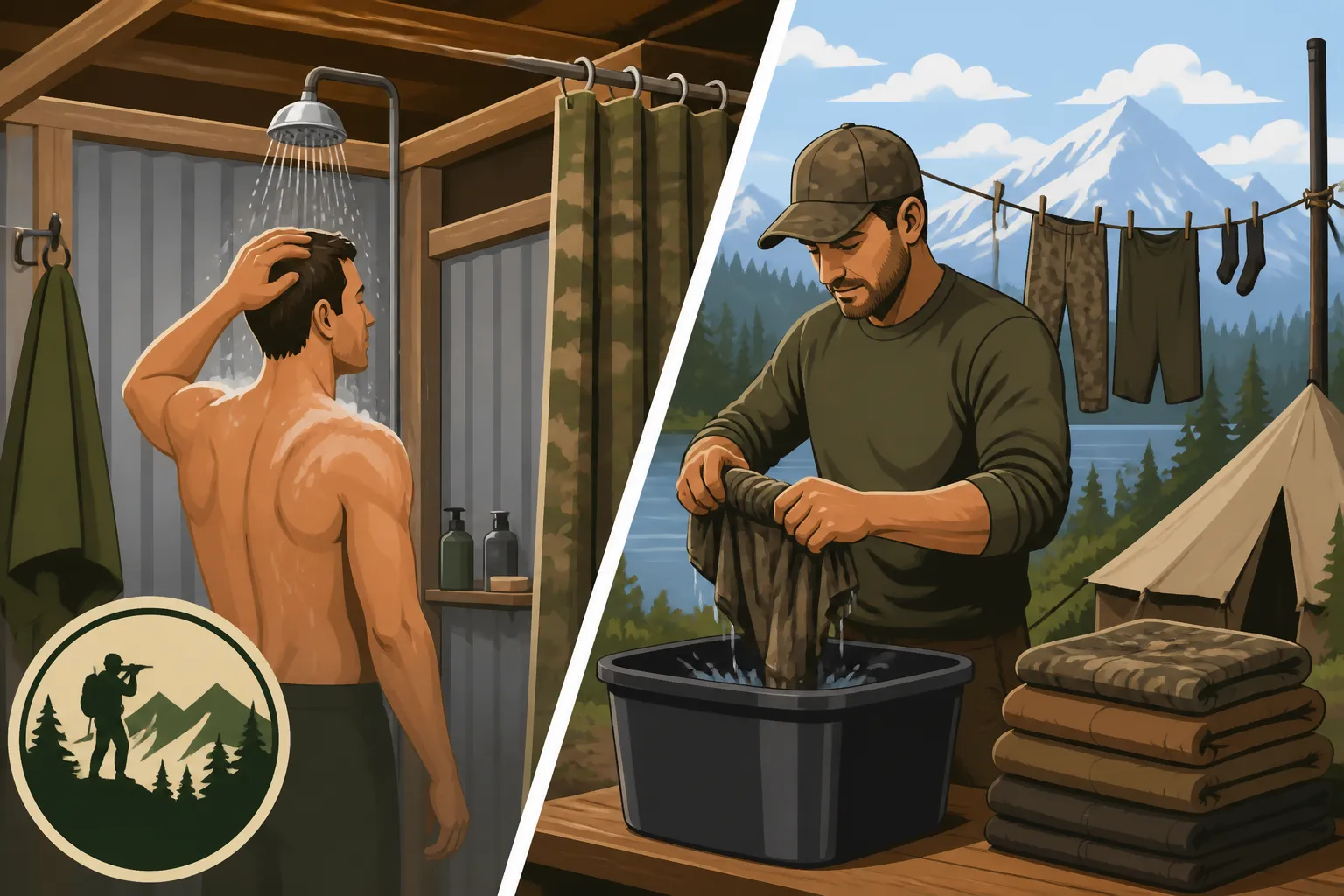
While full laundry isn't feasible, strategic spot cleaning of essential items can extend their usability. Socks and underwear are the most common candidates. If you have a dedicated basin (even a dry bag can work in a pinch) and some biodegradable soap, you can hand wash a pair or two. Use minimal water, scrub them by hand, and then rinse thoroughly. Crucially, perform all washing away from natural water sources (at least 200 feet), and disperse the gray water widely. Never wash directly in a stream or lake.
Drying, however, is often the biggest hurdle. Alaska's weather can be notoriously damp and cold. Hanging clothes on a line in camp might work on a rare sunny, breezy day, but often, things just don't dry. Quick-drying synthetic fabrics are absolutely essential. Cotton is a killer in these conditions, absorbing moisture and holding it, leading to cold, clammy clothes that can contribute to hypothermia. Game Bags That Breathe in Coastal Rain are designed to allow airflow; think of applying that same principle to your clothing. Wring everything out as thoroughly as possible and hang it where it can get air circulation, even if it's just inside your tent near a stove (if you have one and are doing it safely).
Accept that some items might simply stay damp. This is why having multiple pairs of socks is non-negotiable. Rotate them, dry them as best you can, but don't expect miracles.
Managing Wet and Smelly Gear
Even if you don't "wash" your clothes, managing wet and smelly gear is critical for comfort, scent control, and preventing mold or mildew. As soon as you get back to camp, air out your layers. Hang damp base layers on a line (if available), or draped over rocks or brush in a sunny spot. Inside a tent, if you have a small drying line, use it. The goal is to get as much moisture out as possible.
Separate your really dirty, smelly, or wet clothes from your clean items. A dedicated dry bag or stuff sack for dirty laundry is a good idea. This prevents odors from permeating your entire pack and keeps essential items like your sleeping bag from getting damp or smelling like old socks. If you're hunting bears or moose, this isolation of scent is even more critical.
Footwear requires special attention. Take your boots off as soon as you can in camp and air them out. Remove insoles if possible. If they're soaked, stuff them with newspaper or dry grass to help absorb moisture overnight. Having a spare pair of camp shoes or dry socks is a huge morale booster and helps prevent trench foot. While you're on the hunt, Field Judging a Legal Bull Under Alaska Antler Rules means you'll be covering a lot of ground, often through wet terrain, so your boots will constantly be working hard. The minute you stop, give them a chance to breathe.
Planning Your Hygiene Kit for an Alaska Hunt
Careful planning for your hygiene kit means maximizing efficiency without adding unnecessary bulk. Every item needs to be deliberate and serve a practical purpose.
Essential Hygiene Items: A Checklist
When packing your hygiene kit for an Alaska hunt, think small, multi-purpose, and essential. Here's a breakdown of what you should consider:
| Item | Purpose | Notes |
|---|---|---|
| Travel Toothbrush | Oral hygiene | Compact, quick-drying |
| Small Toothpaste | Oral hygiene | Travel size, consider a solid tooth powder to save weight and space |
| Dental Floss/Picks | Oral hygiene | Crucial for preventing issues |
| Unscented Biodegradable Soap | Body/hand wash, spot cleaning clothes | Multi-use, environmentally friendly |
| Microfiber Pack Towel | Drying after sponge baths, general wiping | Small, lightweight, fast-drying |
| Unscented Wet Wipes | Quick clean-ups, targeted hygiene | Biodegradable, pack out all used wipes |
| Small Hand Sanitizer | Quick hand cleaning, especially before food | Essential for preventing illness |
| Unscented Deodorant | Odor control | Stick or solid form preferred, avoid sprays |
| Lip Balm with SPF | Protects lips from sun and wind | Small and vital for comfort |
| Small Sunscreen (SPF 30+) | Sun protection | Even in Alaska, sun can be intense, especially at higher elevations |
| Insect Repellent | Protects against mosquitos, flies | Essential for comfort and preventing bites |
Remember, less is often more. You can find excellent reviews and suggested packing lists, which often include these types of minimalist hygiene kits, on platforms like BookYourHunt or GoHunt when researching specific hunting trips and gear requirements. They often feature input from experienced outfitters who understand the weight limitations and environmental considerations.
Specialized Gear for Extreme Conditions
Beyond the basic hygiene kit, certain specialized gear can make a big difference in maintaining comfort and health in Alaska's challenging environment. Quick-drying base layers, made from merino wool or synthetic materials, are invaluable. They wick moisture away from your body, preventing chills and allowing for faster drying if you do get wet. Having a fresh set of these, even if you only change them every few days, feels amazing.
Waterproof stuff sacks are fantastic for separating your wet, muddy, or smelly gear from your clean clothes and sleeping system. This is crucial for preventing cross-contamination of moisture and odors. For foot care, consider quality wool socks (multiple pairs) and perhaps a small tube of anti-fungal cream or foot powder to combat moisture and prevent blisters or athlete's foot, which can quickly incapacitate you in the field. Your Boot Requirements for Coastal Alaska Hunts will necessitate careful foot care to avoid issues from constant dampness.
A small, lightweight first-aid kit should always include blister treatment and wound care, as small cuts and abrasions can easily become infected in a dirty camp environment. Think proactively about areas that might cause problems, like chafing or skin irritation from constant moisture and friction.
Mental Preparation and Realistic Expectations
Perhaps the most important "gear" for hygiene in an Alaska hunting camp is your mental attitude. Go into the trip with realistic expectations. You are going to get dirty. You are going to smell. Your hair will be a mess. This is part of the experience, and embracing it rather than fighting it will significantly improve your enjoyment. An Alaska hunt is an adventure, a challenge, and an immersion in the wild. It’s not a luxury vacation.
Focus on staying healthy and functional. Prioritize warmth, dryness, and safety over being pristine. The feeling of taking that first long, hot shower when you return to civilization will be a reward in itself, one you’ll truly appreciate after weeks of sponge baths and dusty clothes. Learning to manage with less is a valuable skill, not just for hunting but for life. The satisfaction of a successful hunt, regardless of how dirty you got, far outweighs any discomfort from lack of a daily shower. Remember, every hunter out there is facing the same challenges; it's a shared experience of grit and determination.
Disclaimer
This article is for general informational purposes only and does not constitute professional advice. Laws, prices and regulations vary by location and change over time. Consult a qualified professional for guidance on your specific situation.