Camp Food and Dietary Needs
Heading into the Alaskan backcountry for a hunt is exhilarating, but the reality of eating well for days or even weeks in a remote camp can be a huge source of stress. Between strict weight limits on bush flights, challenging weather conditions that impact appetite, and the sheer physical demands of the hunt itself, keeping your energy up with good food, especially if you have specific dietary needs, is absolutely critical. This guide will walk you through planning, packing, and preparing meals to ensure you're fueled, satisfied, and ready for whatever Alaska throws at you.
The Unique Culinary Challenges of an Alaska Hunting Camp
When you're venturing deep into Alaska's wilderness, the "dinner bell" isn't exactly a five-star restaurant. You're your own chef, caterer, and dishwasher, often operating in a cramped tent, exposed to the elements, and with limited resources. This isn't just about bringing enough calories; it's about bringing the right kind of calories that are easy to prepare, shelf-stable, lightweight, and actually palatable after a grueling day.
Imagine finishing a long day of still hunting through dense timber or scaling a steep shale slide looking for sheep. Your body is screaming for fuel, and the last thing you want is a bland, unsatisfying meal that takes an hour to cook in a rainstorm. The challenges extend beyond just taste and convenience. Weight and bulk are constant enemies, especially if you're Backpack Hunting in Alaska: Gear Weight and Meat Loads or flying in with a small air taxi. Every ounce counts, and fresh produce, canned goods, or glass jars quickly become non-starters. Then there's the cold; some foods just don't do well or aren't appealing when frozen solid or needing extensive thawing.
Finally, consider storage and potential critter encounters. Leftovers are often impractical, and proper food storage to deter bears and other wildlife is paramount. This means everything needs to be securely contained, and pungent foods are often avoided. It’s a delicate balance of nutrition, convenience, weight, and safety, all under the harsh realities of the Alaskan wild. When you're talking with transporters, always clarify What Camp Conditions to Ask About, as this will directly impact your food preparation capabilities.
Planning for Special Dietary Needs and Preferences in the Bush
Having dietary restrictions or specific preferences shouldn't mean you have to suffer through your Alaskan hunt, but it does mean your meal planning requires extra diligence. Whether you're gluten-free, vegetarian, diabetic, have allergies, or simply prefer certain foods, accommodating these needs in a remote setting is entirely possible with forethought.
Communicating with Guides and Transporters
If you're going on a guided hunt, especially one that includes food service, clear communication with your outfitter is your first and most important step. Don't assume they'll intuitively know your needs. When you're researching potential guides, perhaps through platforms like BookYourHunt, make sure to ask about their standard menu and their flexibility regarding special diets before you put down a deposit. A good guide will be happy to work with you or at least tell you exactly what you need to provide yourself. Be specific: "I have a severe tree nut allergy and carry an EpiPen," or "I am strictly vegetarian and do not eat any meat products." This isn't the time to be shy or vague.
For drop camps or unguided hunts where you're fully responsible for your own food, the onus is entirely on you. This freedom comes with the responsibility of ensuring you have everything you need. You won't find a grocery store just down the trail! This also goes for any hunting partners; discuss everyone's dietary needs long before you start packing. Knowing what kind of Tent and Stove Rentals From an Alaska Transporter are available can also influence your meal choices, especially if they have limited cooking capabilities.
Adapting Meals for Dietary Restrictions
The key to successful backcountry eating with dietary restrictions is often leaning on single-ingredient foods or specifically designed "free-from" products. For gluten-free needs, focus on rice-based meals, corn tortillas, gluten-free oats, and naturally gluten-free proteins. Many freeze-dried meal companies now offer gluten-free and vegetarian options, which are a game-changer for lightweight packing. Just be sure to check ingredient lists meticulously.
If you're vegetarian or vegan, the challenge moves from finding protein to ensuring variety and adequate calories. Lentils, dehydrated beans, textured vegetable protein (TVP), and shelf-stable tofu can form the base of many meals. Pack plenty of nuts (if no allergies), seeds, dried fruit, and protein bars specifically formulated for plant-based diets. Diabetic hunters need consistent energy, so complex carbohydrates, lean proteins, and carefully managed sugar intake are vital. Carry a small supply of emergency glucose, and ensure your snacks provide sustained release energy. This kind of careful planning helps ensure you're performing optimally during physically demanding days, whether you're navigating Alpine Navigation Without Cell Service or carrying heavy loads.
Smart Packing and Preparation Strategies for Remote Meal Success
Once you've decided what to eat, the next hurdle is how to pack it and where to prepare it. Maximizing efficiency, minimizing waste, and ensuring food safety are paramount in the backcountry.
Pre-packaging and Dehydration
One of the best strategies for managing food in an Alaska hunting camp is pre-packaging and dehydrating as much as possible. This drastically reduces weight and volume. Many hunters spend weeks before a trip dehydrating their own meals—chili, pasta sauces, rice dishes, and even scrambled eggs. By doing this yourself, you control the ingredients, ensuring they meet your dietary needs and taste preferences, often at a fraction of the cost of store-bought freeze-dried meals. Once dehydrated, portion meals into individual freezer bags, label them clearly, and include cooking instructions (e.g., "add 2 cups boiling water, simmer 10 mins").
For non-dehydrated items, vacuum sealing is your best friend. This extends shelf life, prevents leaks, and compacts items like cheese, jerky, or pre-cooked sausage. For quick breakfasts, oatmeal packets mixed with dried fruit and nuts are easy. For lunches, think high-energy bars, tortillas with peanut butter or tuna packets, and hard cheeses that don't need refrigeration. Even small things like individual packets of olive oil or hot sauce can make a huge difference in morale and calorie intake.
| Meal Type | Pros | Cons | Packing Strategy |
|---|---|---|---|
| Freeze-Dried Meals | Very lightweight, quick prep, long shelf life | Can be expensive, limited variety, bland to some | Keep in original pouches, add to resupply drops |
| DIY Dehydrated | Custom ingredients, cost-effective, lightweight | Requires prep time, can be bulky if not careful | Vacuum seal individual portions with instructions |
| No-Cook (Bars, Jerky) | Instant energy, no cooking fuel needed | Can become monotonous, sometimes less satisfying | Keep easily accessible in pack, varied options |
| Semi-Fresh (Hard Cheese, Salami) | Higher morale, more satisfying | Heavier, limited shelf life, requires cooling | Vacuum seal, choose hardier items, eat early in trip |
Cooking and Camp Kitchen Setup
Your camp kitchen setup needs to be efficient and weather-resistant. A reliable compact stove, sufficient fuel, and a lightweight pot are essential. Many hunters rely on canister stoves or liquid fuel stoves for their versatility and performance in cold weather. Remember to pack fire starters, a small sponge, biodegradable soap, and a sturdy trowel for burying gray water away from Water Sources at a High Spike Camp.
For larger groups or longer trips, a more robust kitchen setup might include a larger cook pot, a dedicated coffee pot, and perhaps a small cutting board. When planning a Raft Size for a Two-Hunter Moose Float, consider the extra space needed for food containers and cooking gear. Bear safety is always paramount in Alaska. All food, garbage, and scented items must be stored in bear-resistant containers or hung from a bear pole or tree, well away from your sleeping area. This is especially true after you've made a kill, as the smell of fresh meat will attract predators. See Bear Safety While Butchering a Kill in Alaska for more on this critical topic. Burnable trash should be incinerated, and all other trash packed out with you.
Fueling Your Hunt: Essential Nutrition and Hydration
Hunting in Alaska is physically demanding. You're burning significant calories hiking, packing, and enduring the cold. Your food plan needs to reflect this intense output, focusing on dense, nutrient-rich options.
Maximizing Caloric Intake and Macronutrients
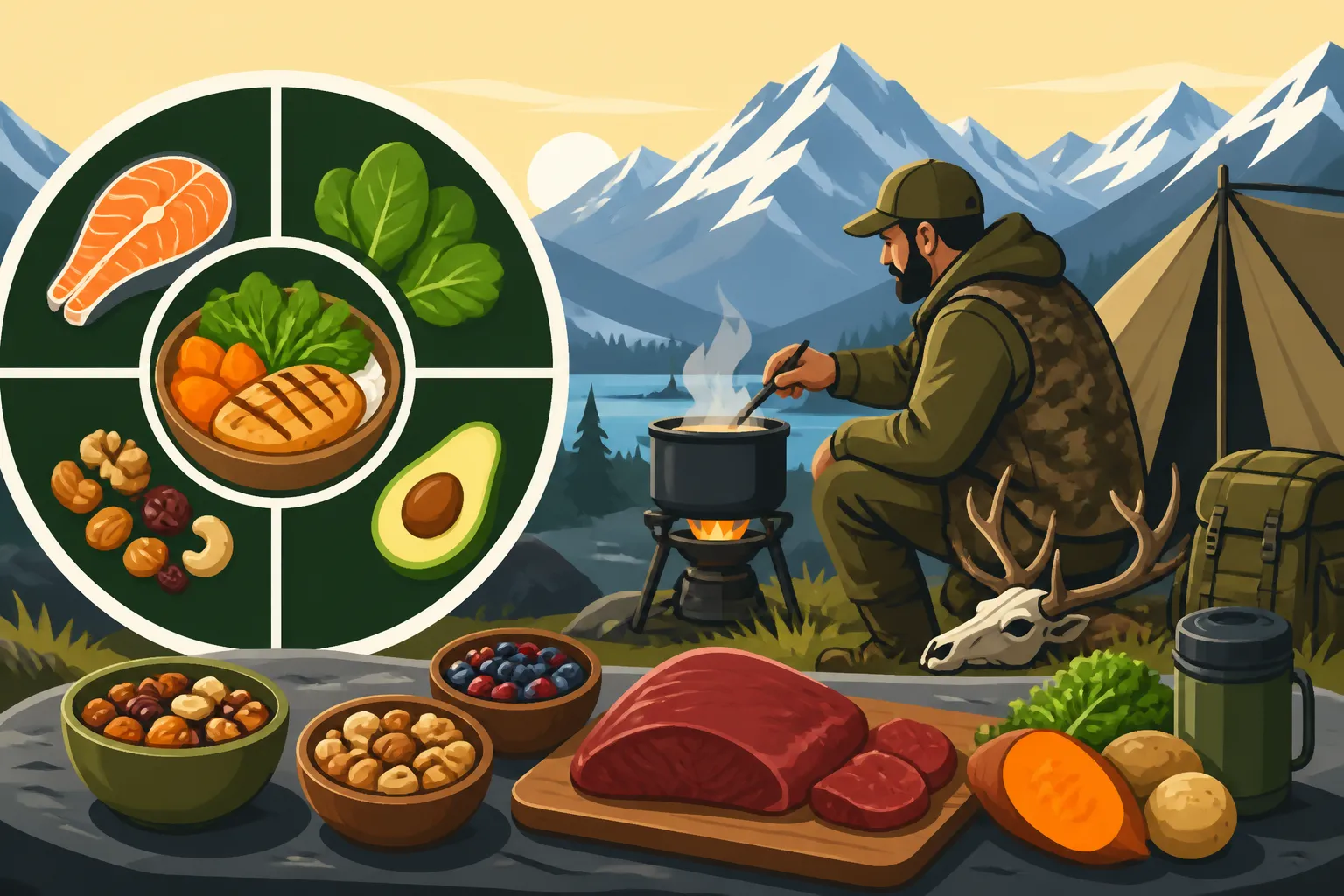
You need a balance of carbohydrates for quick energy, fats for sustained energy and warmth, and protein for muscle repair. Don't skimp on fat; olive oil, nuts, and cheeses are excellent sources of concentrated calories. Carbs can come from pasta, rice, oatmeal, tortillas, and energy bars. Protein is crucial for recovery after long days; jerky, tuna or chicken packets, dehydrated meats, and protein bars are good choices.
Consider the "ounce of prevention" rule here: it's far better to bring a little extra food and pack it out than to run short of fuel in the backcountry. Starvation not only zaps your strength but also dulls your mental acuity, which can be dangerous in a remote environment. If you're delayed by weather, having those extra days of food can be a lifesaver. This is why Building Extra Days Into a Fly-In Schedule is often recommended for more than just logistics. Even if you're actively hunting and hope to fill your tag early, remember that processing and Hanging Meat in Warm September Weather still requires significant energy.
Hydration and Electrolyte Management
Often overlooked but just as important as food, proper hydration is non-negotiable. Dehydration can lead to fatigue, headaches, and impaired judgment, all of which are detrimental on a hunt. Carry a reliable water filter or purification tablets. Even if water sources are abundant, filtering is essential to prevent giardia or other waterborne illnesses. Aim to drink several liters of water throughout the day, more if you're exerting heavily or it's unusually warm.
In addition to pure water, consider electrolyte mixes. These small packets can be added to your water bottle and replenish essential salts and minerals lost through sweat, helping to prevent cramping and maintain energy levels. Hot beverages like tea, coffee, or hot chocolate are not just morale boosters; they also contribute to your daily fluid intake and help warm you from the inside out. Even when bundled up in your Rain Gear Guides Actually Recommend, a hot drink can make all the difference on a chilly morning or evening in camp.
Remember, a well-fed hunter is a safe, effective, and ultimately, happier hunter. Don't let your food planning be an afterthought; it's a vital part of your overall hunt strategy.
Disclaimer
This article is for general informational purposes only and does not constitute professional advice. Laws, prices and regulations vary by location and change over time. Consult a qualified professional for guidance on your specific situation.