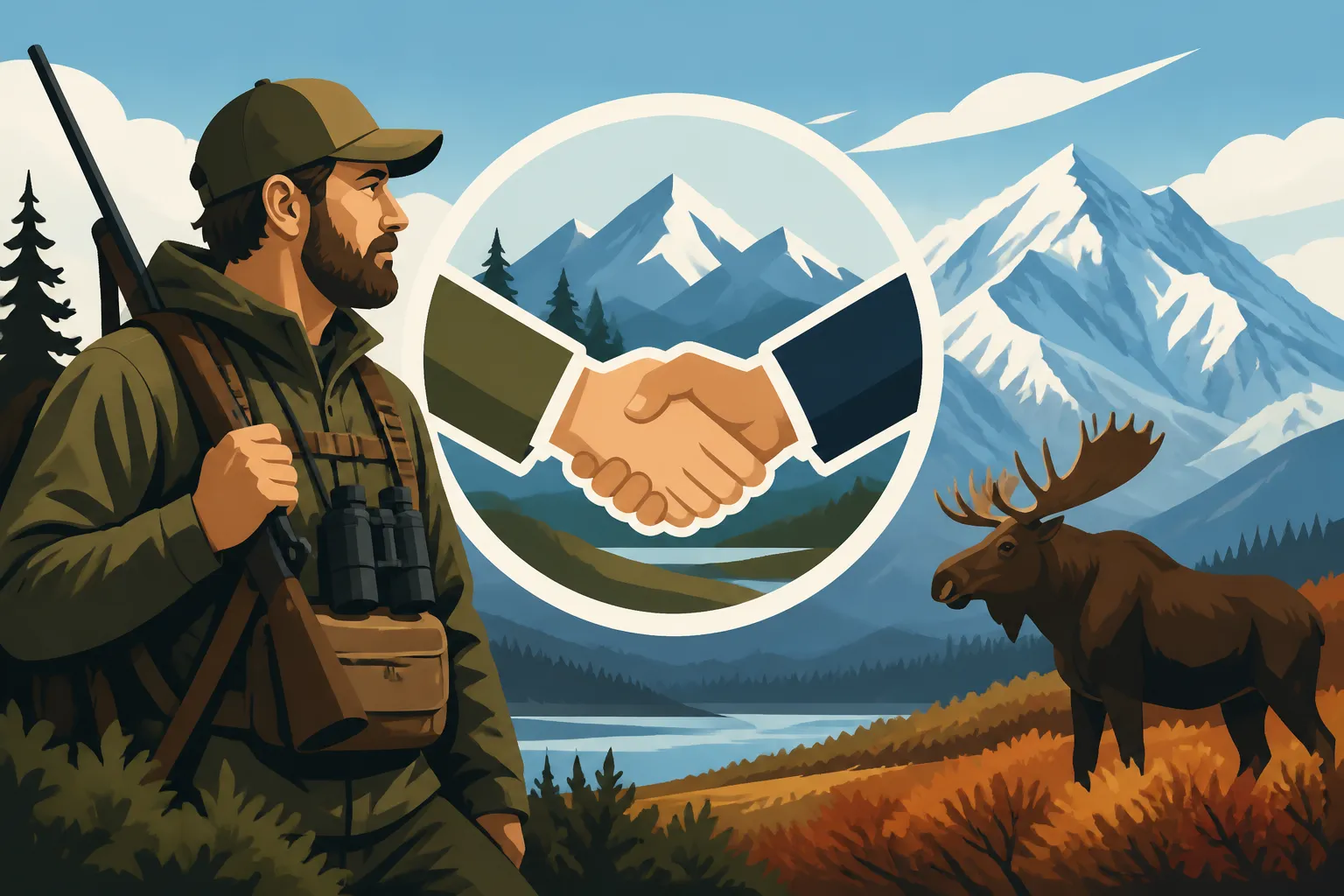
How a Guide Gets an Alaska Preserve Concession
Hunting in Alaska can feel like stepping into a vast, untamed wilderness where freedom reigns, but the reality for many hunters, especially those eyeing the iconic National Preserves, often clashes with this romantic ideal. Many realize quickly that navigating federal lands, particularly when hiring a guide, involves a complex web of regulations that can be incredibly frustrating to unravel. This guide will cut through the confusion, explaining exactly how professional hunting guides secure the necessary permits to operate in Alaska's National Preserves, giving you a clearer picture of how these unique areas are managed for sustainable hunting.
Understanding Alaska's National Preserves and the Concession System
Alaska is home to an incredible array of public lands, and among them are several National Preserves that offer unparalleled hunting opportunities. However, these aren't your typical state game lands; they fall under the jurisdiction of the National Park Service (NPS), which brings with it a very specific set of rules, particularly concerning commercial activities like guided hunting. It’s a common misconception that because hunting is allowed, any licensed guide can simply set up shop. The truth is far more nuanced, rooted in a system designed to manage impact and ensure ecological integrity.
The Critical Distinction: National Parks vs. National Preserves
This is where many newcomers get tripped up. When you hear "National Park," you likely think of places like Denali National Park, where hunting is generally prohibited. And you'd be right. National Parks are set aside primarily for conservation and recreation, with extractive activities like hunting typically forbidden. However, Alaska's National Preserves are a different beast entirely. They were established with specific language allowing for regulated hunting and fishing. This subtle but crucial difference means that while you can pursue game in areas like Wrangell-St. Elias National Preserve, Katmai National Preserve, or Lake Clark National Preserve, it doesn't mean it's a free-for-all. You can find more details on these distinctions in Wrangell-St. Elias Preserve Versus Park Lands and Katmai and Lake Clark Preserve Hunting.
The reason for this distinction goes back to Alaska's unique history and the Alaska National Interest Lands Conservation Act (ANILCA) of 1980. This landmark legislation created or expanded many of Alaska's national parks, preserves, and wildlife refuges, balancing conservation with traditional uses, including subsistence and sport hunting. For sport hunters, this means certain federal lands are indeed open, but with specific oversight by the NPS. It's a system that tries to honor historical use while protecting the land for future generations, leading to a complex regulatory environment for those who wish to operate commercially within these boundaries.
Why Concessions Exist: Regulating Commercial Use in Remote Lands
Since these preserves allow hunting, and given their vast, often remote nature, many hunters rely on professional guides and transporters to access game and navigate the challenging terrain. This is where the concession system comes into play. The National Park Service manages commercial services through concessions to ensure that these operations are conducted safely, responsibly, and in a manner consistent with the preserve's management objectives. A concession, in this context, is essentially a contract or permit granted by the NPS to a private entity (like a guide-outfitter) allowing them to provide specific commercial services within the preserve boundaries.
Without a concession, a guide cannot legally charge clients for services rendered within a National Preserve. This system isn't just about collecting fees; it's about controlling the number of operators, regulating their activities, setting standards for environmental protection, and ensuring visitor safety. Imagine if every guide could simply drop off clients anywhere they pleased; the potential for over-hunting, environmental damage, and unmanaged chaos would be immense. The concession system helps to maintain order and accountability in these delicate ecosystems, and it's a critical piece of the puzzle for any hunter hoping to book a guided hunt in one of these magnificent areas.
Navigating the Complexities: Applying for an Alaska Preserve Concession
Securing a concession to guide in an Alaska National Preserve is far from a simple task. It's a rigorous, competitive process that demands significant preparation, experience, and a deep understanding of federal regulations. This isn't just about having an Alaska guide license; it's about demonstrating the capacity to operate a sustainable, high-quality commercial service within a sensitive federal landscape. Guides often spend years building the necessary credentials and relationships before even considering applying for these coveted permits.
The Competitive Process: When Permits Become Available
National Park Service concessions are typically awarded through a competitive bidding process, often when an existing concession agreement expires or if the park decides to increase the number of available permits. These opportunities aren't always frequent, and the demand often far outstrips the supply, especially for prime hunting areas within popular preserves. Guides might track these opportunities for years, waiting for the right moment to submit a proposal. The process generally involves issuing a Request for Proposals (RFP) or a prospectus, detailing the services required, the duration of the permit, and the criteria for selection.
The park service carefully limits the number of concessionaires to manage impact, which means there's a finite number of guides who can legally operate in certain areas. This is why when you look into a specific area like Denali National Preserve Hunting Access, you'll find that only a select few outfitters hold the necessary permits. This limitation, while challenging for new guides, helps prevent overcrowding and ensures that commercial activities are concentrated among operators who have proven their commitment to sound practices. For hunters, this translates to exclusive access through these approved guides, which can significantly impact the cost and availability of a hunt.
Crafting a Winning Proposal: Beyond Just Hunting Expertise
When a guide applies for a preserve concession, they're not just showcasing their hunting skills. They're submitting a comprehensive business plan that details every aspect of their proposed operation. This includes everything from their financial stability and insurance coverage to their proposed camp locations, waste management plans, client safety protocols, and even their commitment to environmental stewardship. They must demonstrate how their operation will align with the NPS's mission to preserve natural and cultural resources while providing high-quality visitor experiences.
Think of it as pitching a complex business to a highly discerning landlord. The guide needs to show they have the logistical capability, the financial backing, and the ethical framework to operate successfully and responsibly in one of the most remote and challenging environments on Earth. They'll need to outline their experience, their safety record, and their plans for staff training. This meticulous planning is a huge undertaking and goes far beyond what's required for a standard state guide license. It also highlights why many hunters choose platforms like GoHunt for their research, as they often provide insights into unit access and potential guide options, which then leads to searching for concessioned guides on platforms like BookYourHunt.
The Criteria for Success: What Makes a Guide a Preserve Concessionaire
Becoming a successful concessionaire in an Alaska National Preserve requires more than just filling out paperwork. It demands a holistic approach to guiding that prioritizes safety, environmental responsibility, and an unwavering commitment to the rules. The National Park Service isn't just looking for someone who can put clients on game; they're looking for partners who will uphold the values of the preserve.
Proven Track Record: Safety, Stewardship, and Client Satisfaction
One of the most critical elements in securing and maintaining a preserve concession is a guide's proven track record. The NPS wants to see evidence of a solid safety record, both for clients and staff, and a history of operating without incidents or violations. This includes demonstrating proficiency in wilderness first aid, bear safety, and emergency response, all crucial for operating in remote Alaska where help can be days away. Guides will often have to provide references from past clients, demonstrating a high level of client satisfaction. This feedback loop is essential because a guide's reputation directly reflects on the park service itself.
Beyond safety, a strong emphasis is placed on environmental stewardship. Concessionaires are expected to leave no trace, manage waste responsibly, and minimize their impact on the fragile ecosystems of the preserve. This might involve using specific low-impact camping techniques, proper disposal of human waste, and strict adherence to game salvage laws, such as Alaska Moose Meat Salvage Requirements. The NPS might also look for a guide's involvement in conservation efforts or their commitment to educating clients about the unique values of the preserve. It’s about being a caretaker of the land, not just a harvester of game.
Operational Logistics and Environmental Responsibility
Operating a successful hunting concession in a remote Alaska preserve is a logistical masterclass. Guides must demonstrate they have the necessary equipment, infrastructure, and personnel to conduct safe and efficient operations. This includes everything from reliable aircraft (often requiring strong relationships with air taxi operators, as discussed in Fly-In Hunting: Working With an Alaska Transporter Pilot), sturdy camp setups capable of withstanding extreme weather, appropriate food storage to prevent bear encounters, and robust communication systems like satellite phones or InReach devices.
Furthermore, a guide's proposal must explicitly detail their commitment to environmental responsibility. This isn't just a vague promise; it often involves specific action plans for fuel storage, waste disposal, and minimizing disturbance to wildlife and habitat. For example, they might be required to use biodegradable soaps, pack out all refuse, and avoid sensitive areas during critical wildlife breeding or denning seasons. The park service has a vested interest in ensuring that commercial operations do not degrade the very resources that attract visitors in the first place. This commitment is continuously monitored, and compliance reviews are a regular part of holding a concession.
Implications for Hunters: What Concessioned Areas Mean for Your Trip
As a hunter dreaming of an Alaska adventure, understanding the concession system is vital for planning your trip, setting realistic expectations, and ensuring you choose a reputable and legal guide. It directly impacts where you can hunt, who you can hunt with, and ultimately, the kind of experience you'll have.
Access and Opportunity: Why Your Guide Needs a Permit
The most direct implication for hunters is that if you want to hunt in an Alaska National Preserve with a guide, that guide must hold a valid concession permit for that specific preserve. This isn't an optional extra; it's a legal requirement. Without it, the guide is operating illegally, and you, as the client, could face legal repercussions, potentially including fines or forfeiture of your game. This is especially true for species like Dall sheep, brown bear, and mountain goat, where nonresidents typically require a guide or a "second-degree-of-kin" exemption. The importance of verifying your guide's credentials cannot be overstated, which is why resources like Checking an Alaska Guide's Licence Status are so valuable.
This system effectively creates exclusive access for hunters working with approved concessionaires. While it limits the number of hunters in an area, it also helps ensure a higher quality, more sustainable hunt. It means you're hunting with an outfitter who has undergone significant scrutiny and demonstrated their capability and commitment to ethical practices. You might pay a premium for this specialized access, but it often comes with the peace of mind that you're hunting legally and responsibly in some of Alaska's most incredible wilderness.
How to Find Guides Operating in Alaska's Preserves
So, how do you find these elusive concessionaire guides? Your first step should always be to check the official National Park Service websites for the specific preserve you're interested in. Most preserves maintain a list of their authorized commercial operators, including hunting guides. This is the most authoritative source to verify who holds current permits. Don't rely solely on a guide's website claim; always cross-reference with the NPS.
Another excellent approach is to utilize reputable hunting booking platforms or forums where guides often advertise their services, but always, always verify their claims directly with the NPS. Platforms like BookYourHunt might list guides, but it's your responsibility to confirm their permits for federal lands. When you're ready to start researching, be sure to ask prospective guides direct questions about their concession permits: which preserve, what species, and for what dates. It’s part of your due diligence as a responsible hunter, ensuring your dream Alaska hunt is both memorable and legal.
| Feature | National Park | National Preserve | Commercial Guided Hunting | Concession Required? |
|---|---|---|---|---|
| Primary Purpose | Conservation, Recreation | Conservation, Traditional Uses (incl. hunting) | ||
| Hunting Allowed? | Generally No | Yes (Regulated) | Yes (Regulated) | Yes |
| Managed by | National Park Service | National Park Service | National Park Service | National Park Service |
| Example (Hunting) | Denali NP (No Hunting) | Wrangell-St. Elias NP (Hunting Allowed) | Yes (e.g., Dall Sheep in Brooks Range) | Yes for Guides |
| Access for Guides | Not applicable | Permitted with Concession | Permitted with Concession | Essential |
This table illustrates the fundamental differences that impact how a guide operates in these federal lands. Understanding this helps you, the hunter, choose the right guide and the right area for your Alaska adventure. Knowing about Guide Concessions on Alaska Federal Land is key to booking a successful and legal hunt.
Ultimately, the concession system in Alaska’s National Preserves is a testament to the wildness and preciousness of these lands. It’s a mechanism to ensure that commercial activities like guided hunting are conducted with the utmost respect for the environment and a commitment to safety and quality. For hunters, it means that while access might be more structured and perhaps more costly, it guarantees an experience that is both legal and aligned with the conservation goals of these magnificent federal lands.
Disclaimer
This article is for general informational purposes only and does not constitute professional advice. Laws, prices and regulations vary by location and change over time. Consult a qualified professional for guidance on your specific situation.