Who Pays for Charter Flights to the Village
The logistics of hunting in Alaska can be a labyrinth, and few things cause more confusion and anxiety for hunters than understanding who shoulders the cost of those essential charter flights to a remote village. It's easy to assume everything is covered once you've committed to a hunt, but the reality of getting to many of Alaska's prime hunting grounds means navigating a complex web of air travel beyond your commercial flight. This guide will clarify the typical arrangements, what to look for in contracts, and how to budget for these crucial—and often costly—legs of your Alaskan adventure.
Understanding the Different Hunt Structures and Their Flight Implications
When you're dreaming of an Alaska hunt, whether it's for a monster moose or a hard-earned Dall sheep, the first thing to grasp is that not all hunts are created equal, especially when it comes to transportation costs. The structure of your hunt fundamentally dictates who pays for what, and those flights to remote villages are a prime example of where misunderstandings can quickly deflate a budget.
Fully Guided Hunts: Often All-Inclusive, But Verify
A fully guided hunt is often seen as the "turn-key" option, and for good reason. You're typically paying a premium for an outfitter to handle the vast majority of the logistics, from camp setup to meals, guiding services, and yes, usually the internal flights to and from the hunting area. In this scenario, the guide service often includes the cost of the bush plane from their nearest base of operations (which might be a remote village) directly to your spike camp. They'll tell you to fly commercially to a major hub like Anchorage or Fairbanks, and from there, they'll often arrange the next leg to their staging area or the village where their air taxi partner is based.
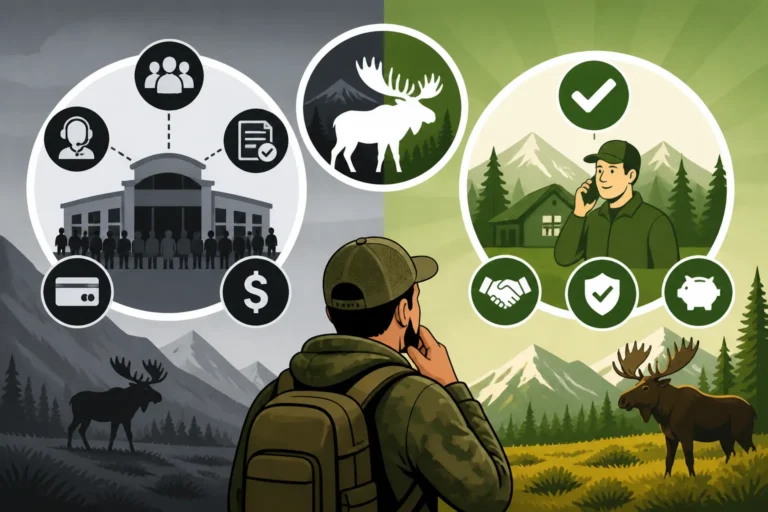
However, the devil is always in the details, and this is where many hunters get tripped up. While the flight from the air taxi base to camp is usually covered, you absolutely must verify if the flight from a major city to that air taxi's base village is included. Many outfitters specify a "rendezvous point," and getting yourself, your gear, and your rifle to that specific village often remains your responsibility. It's a common frustration to discover an extra several hundred or even a few thousand dollars in unexpected airfare for that intermediary flight. Always ask for a crystal-clear breakdown in your contract and confirm what constitutes their "point of origin" for included air travel. Reputable outfitters often list their inclusions very clearly on platforms like BookYourHunt, making it easier to compare apples to apples.
Drop Camp Hunts: Shared Responsibility, Clearer Lines
Drop camps offer a more affordable alternative to fully guided hunts, essentially providing you with a bush plane ride to a pre-arranged, often very basic, camp and then picking you up later. With drop camps, the financial responsibility for the bush plane flight from the air taxi's base to your actual hunting camp is almost always borne directly by the hunter. You are contracting with an air taxi service, and their fee covers the flight into and out of your hunting area.
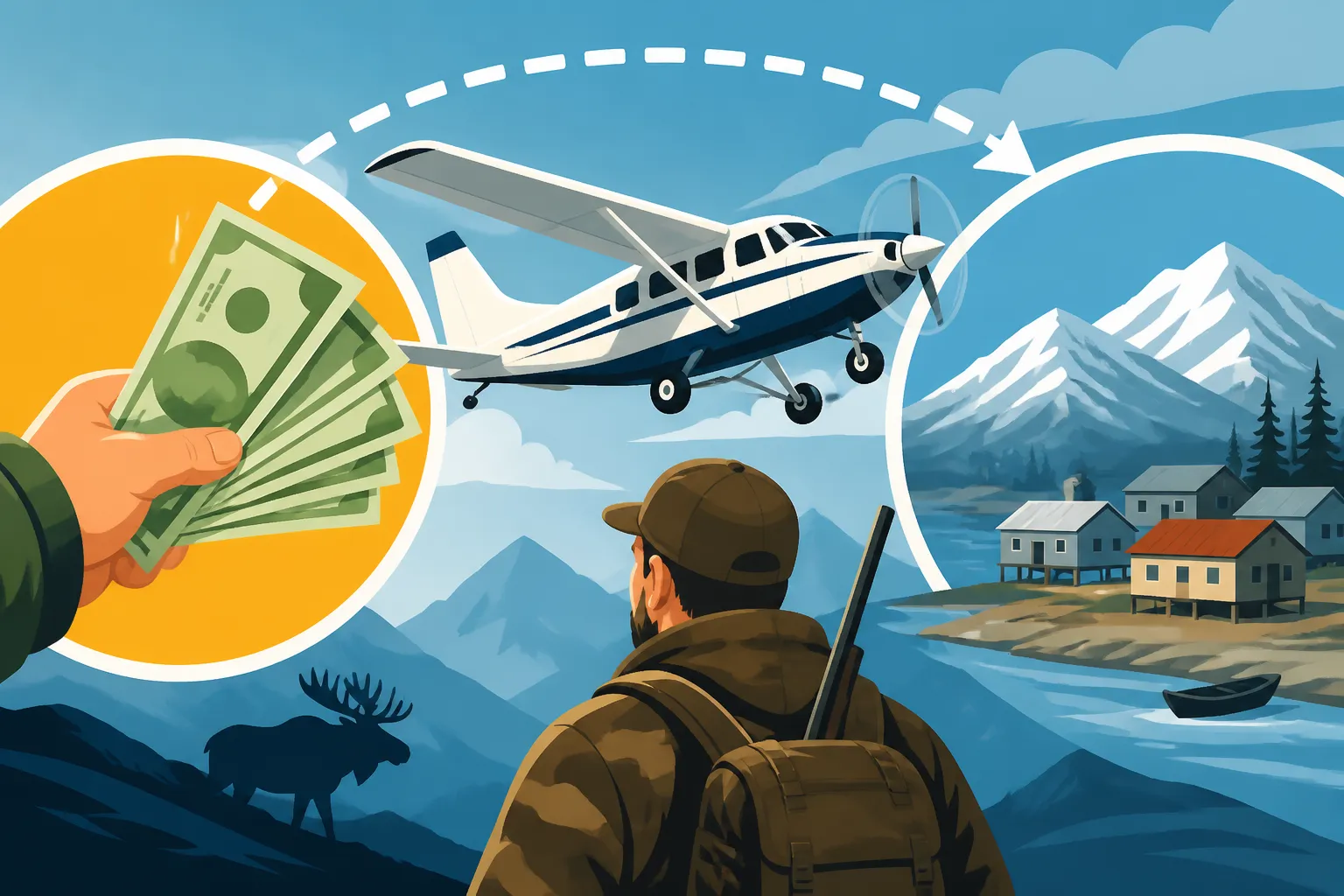
The question of "who pays for charter flights to the village" in this context usually refers to getting to the air taxi's departure point. Many air taxis operate out of small, remote villages that themselves are not accessible by road. You, the hunter, are typically responsible for arranging and paying for your commercial flight to a major hub, and then any subsequent charter or regional carrier flight that gets you to that specific village where your air taxi operator is based. It's a two-step process: first, get yourself to the jumping-off point village, then the air taxi takes you the rest of the way. Understanding this distinction is key to avoiding surprises. You might pay for a commercial flight to Anchorage, then a regional flight on a scheduled carrier like Ravn Alaska to, say, Aniak, and then the air taxi picks you up for the final leg into the bush.
Unguided DIY Hunts: The Hunter Bears the Full Burden
For the truly adventurous and budget-conscious, an unguided, do-it-yourself hunt in Alaska offers unparalleled freedom and satisfaction. However, this freedom comes with the full weight of logistical and financial responsibility resting squarely on your shoulders. When you plan a DIY hunt, you are acting as your own outfitter, and that means you're responsible for every single penny of transportation.
This includes your commercial flights to Alaska, any regional flights to remote villages, and the cost of the air taxi or charter flight that drops you off in your chosen hunting area. It's a significant undertaking that requires meticulous planning and a robust budget for all legs of travel. You'll be researching commercial carriers, small regional airlines, and then individual air taxi operators to get the best rates and service to your intended drop-off. Sometimes, to reach a particularly desirable or less-pressured area, the "village" you fly into might be incredibly small, with only an air taxi service as an option for a charter flight from a larger hub. Every flight, every mile, is on your dime, emphasizing the need for thorough pre-trip planning, which resources like GoHunt can be invaluable for.
Decoding Your Contract: What to Look For Regarding Flight Costs
The single most important document for understanding your financial obligations on an Alaska hunt is your contract. Whether it's with a registered guide-outfitter or an air taxi service for a drop camp, this piece of paper (or digital equivalent) should clearly delineate all costs, especially those related to air travel. Unfortunately, jargon can be confusing, and what one outfitter considers "all-inclusive" another might not.
The "To and From" Clause: Gateway Cities and Beyond
Pay very close attention to any clauses in your contract that specify transportation inclusion. Often, an outfitter's price will be stated as "from XYZ village," or "from our base camp near ABC town." This means you, the hunter, are responsible for getting yourself, your gear, and your weapon to that specific village or town. The charter flights that the contract does cover will typically begin from that point onward into the remote hunting area. For instance, a brown bear hunt might state "price includes floatplane transportation from Kodiak City to camp and return." This means you're flying commercially to Kodiak City on your own dime, then the guide's included services kick in.
It's absolutely vital to clarify this distinction. Are they meeting you at the commercial airport in Anchorage? Unlikely, unless explicitly stated as part of a very high-end, all-encompassing package. More often, you'll need to arrange separate flights on regional carriers or even smaller charters to get from Anchorage or Fairbanks to the specific bush village where your air taxi or guide service operates. Never assume this leg is covered; always ask, and get the answer in writing before you sign anything or put down a deposit.
Hidden Costs and Unexpected Detours
Alaska's weather is famously unpredictable, and this is where "hidden" flight costs can emerge. Imagine you're scheduled to fly out of a remote village to your hunting area, but a storm rolls in, grounding all planes for two days. Who pays for your extra nights in the village hotel? Who pays for the additional food? More importantly, who covers the cost if the air taxi has to make an extra flight later, or change aircraft due to deteriorating conditions? These aren't charter flights to the village, but they are direct consequences of relying on air travel from a village.
Most contracts will specify that the client is responsible for expenses incurred due to weather delays, including lodging and meals. Some air taxis also charge for "weather days" if their plane is tied up waiting for you, preventing them from doing other work. Always read the fine print regarding delays, diversions, and any potential extra costs that might arise from unforeseen circumstances. It's not uncommon for an air taxi to have to make a second trip into your camp to pick up additional meat if you're lucky enough to harvest a large animal, and these Second Trip Charges for Meat Hauling are almost always borne by the hunter.
Weight Limits and Extra Gear Charges
While not strictly about getting to the village, understanding weight limits is paramount for any bush plane operation and directly impacts your overall flight expenses. Bush planes are limited by weight and space, and every item you bring counts. Air taxis operating out of remote villages have strict weight allowances per hunter, often in the range of 50-75 pounds of gear per person (excluding your rifle and sometimes a daypack, but again, verify). If you exceed these limits, you'll either have to pay for a second "freight" flight, or the air taxi may need to bring in a larger, more expensive aircraft, or make multiple trips, all at your expense.
This is a critical consideration. Planning your gear meticulously, prioritizing essentials, and packing efficiently can save you significant money. Imagine flying to a remote village, only to be told your gear won't fit on the planned bush plane flight to camp without an additional, unscheduled, and expensive flight. This can be a major headache and a significant dent in your budget. Weight Limits on a Super Cub Drop are a very real concern and something you should discuss with your air taxi or guide well in advance. Tools and resources found on sites like GoHunt often include detailed packing lists and strategies to help hunters stay within these crucial limits.
Strategies for Budgeting and Minimizing Charter Flight Expenses
Hunting in Alaska is an investment, both in time and money. Proactive planning and clear communication are your best allies when it comes to budgeting for those vital charter flights to and from remote villages. Don't leave these costs to chance; take control of your financial preparedness.
Upfront Communication with Your Outfitter or Air Taxi
The golden rule of Alaskan hunting logistics is: ask, ask, ask. Do not make assumptions. Before you sign a contract or send a deposit, have a detailed conversation with your guide or air taxi operator about all flight legs. Specifically inquire:
- What is the closest commercial airport I should fly into? (e.g., Anchorage, Fairbanks, Juneau, Kodiak)
- From that commercial airport, how do I get to your base of operations/staging village? (e.g., another regional commercial flight, a separate charter, included in your package?)
- What is the cost of that intermediate flight if it's not included? They might not be able to give you an exact price, but they should be able to tell you who typically flies that route (e.g., "you'll book a Ravn Alaska flight to Aniak," or "we can arrange a charter from Anchorage, but that's an additional cost to you").
- What is the cost of the bush plane flight from your base village to our actual hunting camp? (For drop camps, this is your direct cost; for guided, confirm if it's included).
- Are there any potential additional flight costs I should be aware of, like extra meat flights or weather delays?
Getting these answers in writing, ideally as part of your signed contract or a detailed email exchange, can save you a world of headaches and unexpected expenses down the line. It's also wise to research the typical Estimating Flight Cost From Base to Camp for the region you plan to hunt.
Planning for Contingencies and Extra Days
Alaska runs on "bush time," which means flexibility is key, especially with air travel. Weather changes quickly and can ground planes for days. Mechanical issues, though rare with reputable operators, can also cause delays. If you're planning a seven-day hunt, don't schedule your commercial flight home for the day immediately after your planned pickup.
Instead, build in a buffer of at least one or two extra days on both ends of your trip. This means extra nights in a hotel in Anchorage, Fairbanks, or that intermediary village. While these aren't "charter flight" costs, they are directly related to the uncertainty of bush aviation. By budgeting for these extra days, you save yourself the stress and expense of having to frantically rebook commercial flights at premium prices, and you allow for unforeseen delays without panicking. Think of it as a small insurance policy for your sanity and your wallet. Understanding Building Extra Days Into a Fly-In Schedule is critical for a smooth Alaskan adventure.
Considering Alternatives: Road System Access or Shared Charters
While many prime hunting areas require air access, it's worth exploring if any part of your journey can be done via the road system. Some excellent hunting opportunities are accessible directly from major highways like the Glenn, Richardson, or Parks, which can significantly reduce or eliminate the need for expensive regional charters to villages. However, even these road-system hunts may require an ATV or extensive hiking to reach truly remote spots.
For those situations where a charter flight to a village is unavoidable, consider if you can share the cost. If you're going with a hunting partner or group, splitting the cost of a private charter to a remote village can make it more palatable. Some air taxi services may also offer group rates or have open seats on scheduled cargo runs to certain villages that you can hop on for a reduced fare, though these are often less flexible in timing. Researching options for ATV Access Tactics on Alaska's Denali Highway or other road systems might reveal an alternative for some types of hunts.
The Alaskan Reality: Why These Flights Are So Crucial and Costly
It's easy to look at the prices of these flights and blanch, but understanding why they are so crucial and costly helps put the expense into perspective. Alaska is unlike almost anywhere else in the world, and its unique geography and lack of infrastructure drive these prices.
The Vastness and Lack of Infrastructure
Alaska is immense. Its landmass is more than twice the size of Texas, and much of it is roadless wilderness. Outside of the major cities and a few arterial highways, the primary mode of transportation between communities is by air or, in summer, by river. Many "villages" are not connected by roads at all; they are remote hubs nestled deep in the bush, serving as vital lifelines for residents and as launchpads for hunters, trappers, and prospectors.
This isolation means that getting to these villages from a major city usually requires a flight on a regional carrier or a specialized charter plane. There's simply no other way to get there quickly and reliably. These air routes are essential infrastructure, not luxury travel. Without these flights, many of Alaska's most iconic hunting areas, from the vast interior caribou grounds to the remote coastal brown bear territories, would be utterly inaccessible to most hunters. Understanding Alaska Game Management Units and How They Are Numbered often reveals just how much country is only accessible by air.
Specialized Aircraft and Pilot Expertise
The aircraft used for these charter flights – planes like the ubiquitous Super Cub, the reliable Cessna 185 and 206, or the powerful de Havilland Beaver – are not your typical commercial jets. These are rugged, meticulously maintained bush planes designed to operate in extreme conditions, land on gravel bars, short strips, lakes, or even tundra. They are often equipped with tundra tires, floats, or skis, allowing them to adapt to Alaska's varied terrain and seasons.
The pilots who fly them are true Alaskan professionals. They are highly skilled aviators with extensive experience navigating treacherous mountain passes, unpredictable weather patterns, and landing in challenging, unimproved strips. Their expertise, combined with the high operating costs of these specialized aircraft (fuel in the bush is astronomically expensive, maintenance is constant, and insurance is substantial), directly translates into the cost of your ticket. When you pay for a charter flight, you're not just paying for a ride; you're paying for the specialized equipment, the unparalleled skill of the pilot, and the intricate logistical dance required to operate safely and effectively in one of the world's last true wildernesses. This expertise is why working with a professional Fly-In Hunting: Working With an Alaska Transporter Pilot is so crucial.
Here's a quick overview of how flight cost responsibility typically breaks down:
| Hunt Type | Commercial Flight to Alaska Hub (e.g., Anchorage) | Regional Flight to Outfitter's Base Village | Bush Plane Flight to Hunting Camp |
|---|---|---|---|
| Fully Guided | Hunter's Responsibility | Often Hunter's Responsibility (Verify Contract!) | Usually Included in Guide Fee |
| Drop Camp | Hunter's Responsibility | Hunter's Responsibility | Hunter Pays Air Taxi Directly |
| Unguided DIY | Hunter's Responsibility | Hunter's Responsibility | Hunter Pays Air Taxi Directly |
In conclusion, the question of "who pays for charter flights to the village" in Alaska almost always boils down to the hunter. While fully guided hunts might include the final leg from a guide's base village to camp, the preceding flights to get you to that village are typically your financial responsibility. Thoroughly reviewing your contract, asking explicit questions, and building in a financial buffer for contingencies will ensure that your focus remains on the incredible adventure that awaits you in the Alaskan wilderness, rather than on unexpected expenses.
Disclaimer
This article is for general informational purposes only and does not constitute professional advice. Laws, prices and regulations vary by location and change over time. Consult a qualified professional for guidance on your specific situation.