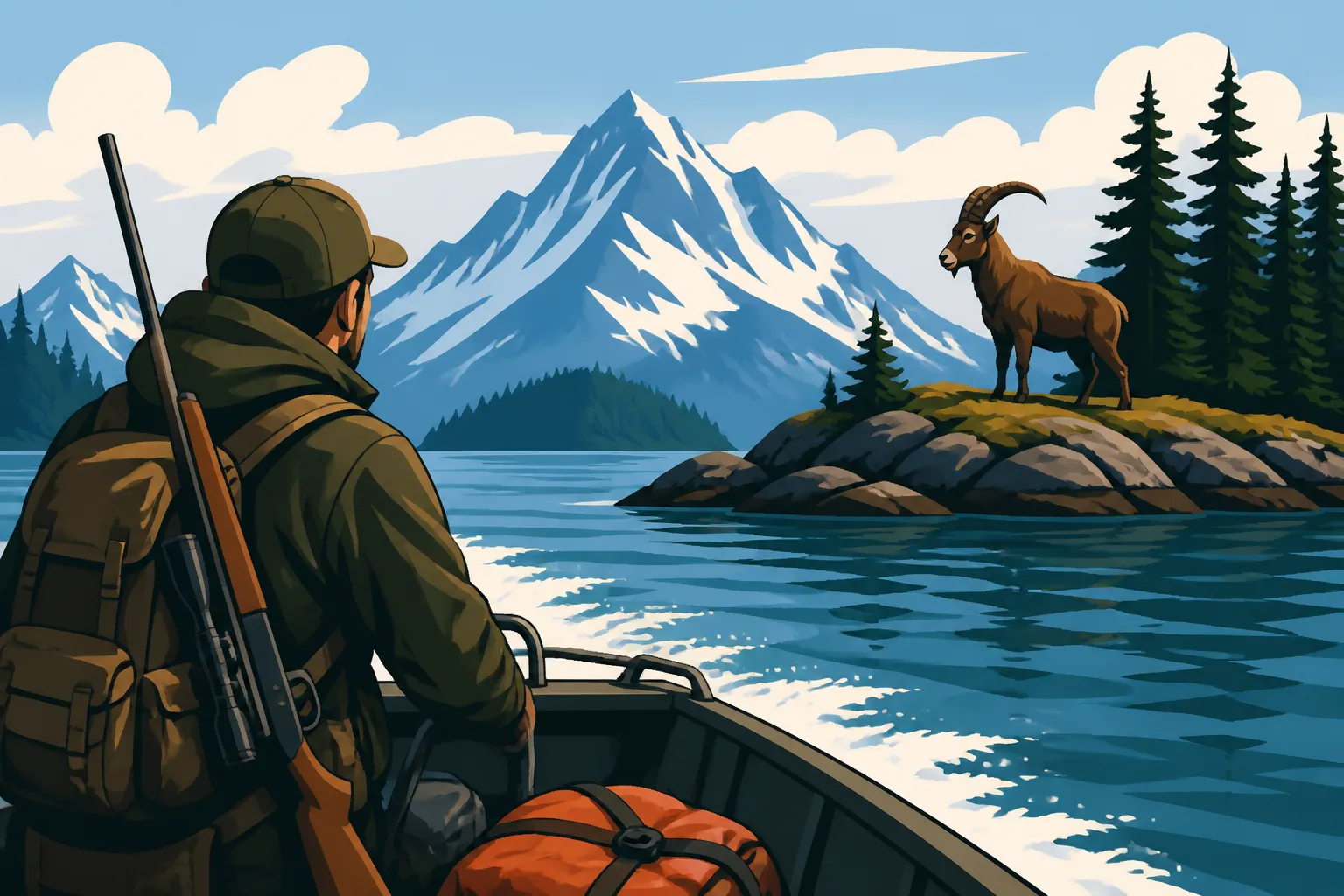
Hunting Alaska’s Southeast Islands by Boat
The intricate labyrinth of islands, bays, and inlets that defines Southeast Alaska offers an unparalleled hunting experience, but it's a world that demands respect and a specific approach. For those of us who have stared out at the rain-soaked timber and fog-shrouded peaks, knowing prime hunting ground lies just beyond the reach of the road system, the frustration of limited access is palpable. This comprehensive guide will walk you through everything you need to know about hunting Alaska's Southeast islands by boat, transforming that frustration into a successful and unforgettable maritime adventure.
Why Boat Hunting is Essential for Southeast Alaska Access
Southeast Alaska isn't like the Interior; there are no vast road networks connecting hunting units. Instead, you're faced with a sprawling archipelago, dense coastal rainforest, and steep mountains that plunge directly into the ocean. The unique geography here makes traditional land-based access nearly impossible for many prime hunting areas. A boat isn't just a convenience in Southeast; it's the key that unlocks an entire world of hunting opportunities, allowing you to bypass impenetrable terrain and reach isolated pockets of game.
The Inaccessible Terrain Challenge
Imagine trying to navigate dense, old-growth rainforest, choked with devil's club, downed timber, and spongy moss, all while climbing steep, slippery slopes. This is the reality of much of Southeast Alaska's interior land. Without a boat, your hunting opportunities are severely limited to areas immediately adjacent to a few small towns or logging roads, which often see heavy hunting pressure. The real magic, the untouched pockets where game thrives undisturbed, lies deeper within the islands and along remote stretches of coastline that can only be reached by water.
Furthermore, the timber often extends right down to the high tide line, creating a wall of vegetation that's incredibly difficult to penetrate on foot. Even if you manage to bushwhack your way through a few hundred yards, you're expending immense energy for minimal gain. A boat allows you to cruise past miles of this challenging terrain, letting you scout for the perfect beach landing or estuary mouth where game might be feeding or traveling. It opens up dozens of potential hunting spots for every single one accessible from a road.
Unlocking Diverse Hunting Opportunities
Once you have a boat, the entire region transforms into your personal hunting ground. Suddenly, you're not just limited to deer near Petersburg or Wrangell; you can explore countless islands for Sitka blacktail, venture into remote fjords for mountain goat, or stake out a secluded bay for black or even brown bears. Each cove and channel holds potential, and with the freedom of a vessel, you can adapt your hunt to conditions, game movement, or simply your adventurous spirit.
The diversity isn't just in species, but in how you hunt them. You can anchor in a protected bay and launch a skiff for shore excursions, allowing you to glass alpine ridges from the saltwater or still-hunt a beach at low tide. You can move between islands daily, following weather patterns or checking new areas. This flexibility is simply not available to those confined to the few accessible road systems. For those seeking deer, the ability to access multiple beach systems means you're not putting all your eggs in one basket, increasing your odds of finding a productive area. Boat-Based Deer Hunting on Alaska's Island Coastlines truly comes alive when you have your own vessel.
Choosing the Right Vessel for Your Southeast Hunting Expedition
Selecting the appropriate boat for hunting Southeast Alaska is paramount. This isn't calm lake cruising; you'll encounter strong currents, unpredictable weather, and potentially long distances. Your vessel needs to be seaworthy, reliable, and capable of safely carrying you, your gear, and hopefully, your game. The "right" boat often depends on your budget, crew size, and the specific type of hunting you plan to do, but always err on the side of caution.
Factors to Consider for Your Boat Choice
When you're looking at boats, think about more than just how fast it goes or how many bunks it has. Fuel capacity is a huge one, as services are few and far between once you leave the larger towns. You'll want enough range to reach your hunting area and still have plenty in reserve for scouting, moving camps, and getting back. Storage space is another critical factor. Not only do you need room for all your hunting gear, food, water, and emergency supplies, but you must have space to bring back a significant amount of meat and potentially a trophy. A bull moose, though not found in Southeast, gives you an idea of the bulk, but a large Sitka blacktail deer or a big bear hide takes up considerable room.
Draft is also important if you plan to access shallow coves or pull up close to shore. A deeper draft boat might limit your beach access. Finally, consider the reliability of the engine(s) and navigation systems. Breakdowns in remote Southeast can be dangerous and extremely costly. Redundancy, like having twin outboards or a reliable kicker motor, is a smart investment.
Common Boat Types for Southeast Hunters
Hunters use a variety of boats in Southeast, each with its own advantages and disadvantages. Here's a quick rundown:
| Boat Type | Pros | Cons | Ideal For |
|---|---|---|---|
| Aluminum Jon/Skiff | Lightweight, shallow draft, easy to beach, affordable. | Limited seaworthiness in rough water, minimal shelter, small capacity. | Short, fair-weather day hunts from a base camp, close to launch. |
| Cabin Cruiser (20-30ft) | Good shelter, comfortable, decent range, can handle moderate seas. | Deeper draft, heavier, can be harder to beach, higher fuel consumption. | Multi-day hunts, small groups, good balance of comfort and capability. |
| Landing Craft (e.g., Wooldridge) | Excellent cargo capacity, easy beach access via ramp, very stable. | Slower, higher fuel consumption, not as comfortable in rough seas. | Hauling ATVs/heavy gear, larger groups, dedicated base camp operations. |
| Ocean-Going Trawler/Yacht | Ultimate comfort, range, seaworthiness, long-duration trips. | Very expensive, large crew often needed, difficult for DIY hunting. | Luxury hunting trips, often with a guide, using smaller tenders for hunting. |
For many DIY hunters, a well-equipped 20-28 foot cabin cruiser or a robust aluminum landing craft offers the best balance of capability and practicality. They provide enough shelter for multi-day trips, can handle the typical chop, and have enough capacity for a hunting party and their gear, plus game. For example, a 24-foot cabin cruiser with a reliable single outboard and a small kicker, paired with a sturdy inflatable dinghy for shore access, is a common and effective setup.
Navigating the Tides and Channels of the Inside Passage
Southeast Alaska's waterways are not static. They are dynamic, powerful systems governed by massive tidal exchanges and intricate currents. Understanding and respecting these forces is not just a matter of convenience; it's a matter of safety and success for your boat hunt. Ignoring them can lead to grounded vessels, missed hunting opportunities, or even dangerous situations.
Understanding Tidal Swings and Currents
The tidal swings in Southeast Alaska are truly impressive, sometimes reaching 15 to 20 feet or more. This means a beach that was perfect for landing your skiff at high tide might be a vast, muddy, or rocky expanse just a few hours later, leaving your tender high and dry. Conversely, a narrow passage that's calm at slack tide can become a raging torrent of white water as the tide rushes in or out. Understanding these cycles, which are clearly laid out in tide tables, is crucial for planning your movements, setting anchors, and timing your shore excursions. You'll constantly be checking the Tide Tables and Beach Deer Hunting to ensure you don't get stuck.
Currents are another major factor. In narrow channels and around headlands, currents can reach several knots, making navigation challenging, slowing your progress, and significantly increasing fuel consumption. These currents can also affect game movement, pushing deer or bear to feed at specific times when tidal flats are exposed. Knowing when to run with the current and when to hunker down and wait for slack water will save you time, fuel, and frustration. It's often the difference between a smooth run and fighting for every mile.
Essential Navigation Tools and Techniques
Even in this age of GPS, traditional navigation skills are indispensable in Southeast Alaska. Fog can roll in fast and thick, reducing visibility to mere yards, making visual navigation impossible. Having a reliable GPS unit with detailed marine charts is non-negotiable, but knowing how to use it in conjunction with a compass and paper charts is a vital backup. Downloading offline maps for your GPS device or a navigation app like onX Hunt before you leave signal range is absolutely critical. Imagine steaming for hours only to find your digital map data isn't loaded for the remote area you're trying to reach.
Radar can be an absolute lifesaver in fog or darkness, helping you spot other vessels, aids to navigation, and shorelines that are invisible to the naked eye. Always plot your course, check your depth sounder frequently, and be aware of charted hazards like rocks, reefs, and shoals. Pay attention to weather forecasts, but also learn to read the local conditions – the tell-tale signs of an approaching storm or changing winds. This region demands a blend of modern technology and timeless seamanship.
Key Species and Where to Find Them from the Water
Southeast Alaska is a prime destination for a variety of big game, and the boat is your primary tool for accessing their diverse habitats. From the lush rainforests to the high alpine, understanding where these animals prefer to live and feed will dictate your hunting strategy and increase your chances of success.
Sitka Blacktail Deer: The Coastal Hunter's Prize
The Sitka blacktail deer is arguably the most popular big game animal for boat hunters in Southeast. These deer thrive in the coastal rainforest environment, moving between the intertidal zones, clearcuts, and alpine areas depending on the season and weather. They are often found browsing on beach grasses and kelp at low tide, making Skiff Hunting Deer Along Saltwater Beaches a highly effective tactic. During the rut, they become more active, and boat access allows you to target isolated islands where hunting pressure is lighter.
Look for deer in areas with a mix of cover and feed: old growth edges, recent clearcuts with good regrowth, and brushy avalanche chutes. On beaches, observe tracks in the sand or mud, fresh browse on shrubs, and deer droppings. In late summer and fall, they will often be working their way up into the alpine to feed on berries and forbs before the snow pushes them back down. Your boat gives you the flexibility to search multiple islands and countless miles of coastline for the ideal conditions and concentrations of deer. Blacktail Deer Numbers After Deep Snow can fluctuate, so scouting diverse areas is key.
Bears: Black and Brown Bear Opportunities
Southeast Alaska is home to both black bears and brown bears, offering distinct hunting experiences. Black bears are widespread throughout the region, often found near salmon streams, berry patches, and on beaches foraging for intertidal treats. Spring hunts can be particularly productive as bears emerge from their dens and seek out green-up on south-facing slopes, accessible by boat.
Brown bears, while present in smaller numbers, are iconic. Admiralty Island, for instance, is renowned for its high Admiralty Island Brown Bear Density and is often a target for guided hunts. When hunting brown bears, especially in coastal areas where salmon are abundant, extreme caution and bear safety protocols are paramount. Whether you're targeting black or brown bears, your boat allows you to reach remote drainages and bays where bear activity is often higher and human presence minimal. Focus on areas with good food sources, like salmon spawning streams in the fall or lush berry patches in late summer. For both species, having a clear plan for Rifle Calibers for Coastal Brown Bear and other safety measures is essential.
Other Coastal Game: Goats, Waterfowl, and More
While deer and bears are the main draw, boat hunters in Southeast can also pursue other exciting species. Mountain goats inhabit the rugged, high-alpine cliffs that often rise directly from the saltwater. Spotting them from your boat with good optics and then making an arduous climb for a stalk is a challenging but rewarding endeavor. Your vessel can drop you off at the base of a goat mountain, allowing you to access terrain that would otherwise be impossible to reach.
For those interested in smaller game, the extensive coastline offers fantastic waterfowl hunting opportunities. Harlequin ducks, scoters, goldeneyes, and mergansers are common, providing excellent camp meat. Waterfowl and Ptarmigan as Camp Meat can supplement your provisions and add to the overall hunting experience. Always check the specific regulations for waterfowl, including federal stamps and bag limits. The ability to move your boat to different bays and estuaries based on bird concentrations gives you a significant advantage.
Logistics: From Shore to Freezer in the Field
The success of a boat hunt in Southeast Alaska hinges on meticulous logistical planning. It's not enough to simply find an animal; you need a solid strategy for getting it from the point of kill to your freezer, often across challenging terrain and open water. This requires forethought, the right gear, and a clear understanding of meat care in a notoriously wet and temperate environment.
Landing and Packing Out Your Kill
The moment you pull the trigger and an animal is down, the real work begins. If your game is on the beach or close to your landing craft, great! But often, deer or bear will be deeper in the timber or up a steep slope. This is where a sturdy inflatable dinghy or a shallow-draft skiff becomes invaluable for shuttling hunters and gear from your larger vessel to shore. Remember that even seemingly short distances over water can be treacherous with heavy loads.
Packing out game in Southeast can be a brutal task. The dense vegetation and uneven ground make traversing even a few hundred yards a Herculean effort. Break down the animal quickly and efficiently into manageable quarters or pieces. Utilize good quality game bags that breathe, like those specifically designed for Alaska's wet climate. These prevent flies, allow air circulation, and protect the meat during the pack out. For deer, a good quality pack frame is essential. For bears, you'll be dealing with not just meat but often a heavy hide that requires immediate care. Always consider the tide: you don't want to pack meat down to a beach only to find your boat grounded or the tide too low to launch your dinghy.
Meat Care in a Wet Climate
Maintaining the quality of your meat in Southeast Alaska's often warm and wet conditions is a primary concern. The high humidity and moderate temperatures, especially in early season hunts, can promote bacterial growth if not managed properly. Rapid cooling is your best friend. As soon as the animal is quartered and bagged, get it into the coolest, shadiest spot you can find. If you have an area on your boat or ashore that's breezy, that's ideal. Elevate the meat off the ground for maximum airflow.
Some hunters rig tarps for shelter to protect the meat from rain while allowing ventilation. If your main vessel has a cooler, consider bringing extra ice or using a robust marine cooler to store quarters once they've had a chance to air out and form a protective "rind." This is especially crucial for Meat Care in 50-Degree September Weather. Regularly check the meat for flies or signs of spoilage. Being proactive with care in the field ensures that your hard-earned harvest makes it home in excellent condition.
Handling Trophies and Hides
If you've harvested a bear or a bull deer with impressive antlers, proper trophy care starts immediately. For bears, skinning accurately for a full-size or rug mount is critical. The hide needs to be properly fleshed, salted, and kept cool to prevent hair slippage. This is a time-sensitive task, especially with coastal brown bears known for their thick fat layers. Having a detailed plan for Cape and Skull Care for a Brown Bear Hide is a must.
For deer antlers, simply getting them back to the boat safely is usually sufficient, but protecting them from damage during transport is wise. If you're planning a skull mount, remember to skull plate removal in the field to reduce weight and bulk. Always be aware of any sealing requirements for bear hides or wolf skulls with the Alaska Department of Fish and Game; these typically need to be done in person in a regional office within a specific timeframe after the kill.
Safety First: Essential Considerations for Maritime Hunts
Hunting in Southeast Alaska by boat combines the inherent challenges of remote wilderness hunting with the unpredictable nature of marine environments. Prioritizing safety is non-negotiable, and a comprehensive approach to planning, equipment, and awareness will mitigate risks and ensure a successful, safe return.
Marine Safety and Emergency Preparedness
Your boat must be equipped with all required Coast Guard safety gear, including life jackets for everyone on board, throwable flotation devices, flares, a horn, and navigation lights. Beyond the minimums, consider adding a high-quality marine VHF radio for communication, a satellite communication device like an InReach or satellite phone for emergencies, and an EPIRB (Emergency Position Indicating Radio Beacon) or PLB (Personal Locator Beacon) that will transmit your location to rescue services if activated. Signal Devices and Check-In Plans for Solo Alaska Hunts are critical, even if you're not solo, as cell service is practically nonexistent in many areas.
Always file a float plan with a trusted contact on shore, detailing your route, expected timeline, and who is with you. Be realistic about weather conditions; Southeast can go from calm to gale-force winds and heavy seas in a matter of hours. When in doubt, stay put in a protected anchorage. Running aground or experiencing engine trouble in a remote channel during a storm is a situation you absolutely want to avoid. Ensure your boat's systems (engine, bilge pumps, electrical) are in top working order before you leave the dock. Have basic repair tools and spare parts onboard.
Wildlife Encounters and Bear Safety
Hunting in Alaska means you're operating in bear country, and Southeast is no exception, with both black and brown bears present. Always carry bear spray, and know how to use it. A powerful firearm, such as a large-caliber rifle or a heavy handgun, can also provide a last line of defense in close encounters. Bear Safety While Butchering a Kill in Alaska is particularly important, as the smell of fresh meat can attract bears from a surprising distance. Quarter your kill quickly, clean up thoroughly, and cache meat in a secure location away from camp and the kill site.
When you're ashore, make noise to avoid surprising bears, especially in dense brush. Be aware of your surroundings, scan frequently, and look for signs of bear activity like tracks, scat, and fresh digging. If you encounter a bear, understand the difference between defensive and predatory behavior. Never feed wildlife, and properly store all food and garbage to avoid habituating bears to human presence. The last thing you want is a curious bear investigating your boat or camp in the middle of the night.
Navigating Remote and Uncharted Waters
While marine charts are generally excellent, always exercise caution when venturing into areas that look less explored, or when approaching shorelines that aren't well-defined on your charts. Rocks and shoals can appear seemingly out of nowhere, especially at lower tides. Reduce speed, post a bow watch, and rely on your depth sounder. This is where tools like onX Hunt, while primarily land-based, can offer additional topographic context when cross-referenced with marine charts, helping you visualize the terrain above and near the waterline.
Always have a backup navigation plan. Even with modern electronics, a dead battery or a faulty GPS can leave you adrift without bearings. Keep paper charts and a compass handy, and know how to use them. Understand that rescue services in remote Alaska can take hours, or even days, to reach you depending on weather and location. Self-sufficiency is the ultimate safety measure. Prepare for the unexpected, and be ready to adapt to whatever the wilderness throws at you.
Planning Your Trip: Permits, Seasons, and Resources
A successful boat hunt in Southeast Alaska starts long before you cast off the lines. Meticulous planning regarding permits, understanding season dates, and utilizing available resources will set the stage for a rewarding and legally compliant experience. Don't leave these crucial details to the last minute.
Licenses, Tags, and Permits
Before you even dream of spotting a trophy, you need to ensure all your paperwork is in order. Start by purchasing your Alaska hunting license. As a nonresident, you'll also need specific locking tags for big game species like deer, bear, and goat. Make sure you understand Alaska Hunting Seasons and Tag Rules Explained for each species you intend to pursue. Each tag has a cost, which can vary significantly depending on the animal. You can usually purchase licenses and tags online through the Alaska Department of Fish and Game (ADF&G) website or from authorized vendors once you arrive in Alaska.
Some hunts in Southeast, particularly for species like mountain goats or specific brown bear units, may require drawing permits or registration permits. Drawing permits are applied for months in advance, typically between November 1 and December 15. Registration permits are often available over the counter or online closer to the season start, but can close early by emergency order if quotas are met. Always check the current regulations booklet for the specific game management unit (GMU) you plan to hunt. Alaska Harvest Tickets, Registration Permits and Draw Permits are distinct, and it's essential to know which applies to your intended hunt.
Season Dates and Bag Limits
Season dates vary widely by species and GMU, and sometimes even by subunit. For Sitka blacktail deer, seasons typically open in August or September and run into the late fall, but bag limits can change depending on the unit. For instance, some units might allow an "any deer" harvest early in the season, while others might restrict you to antlered bucks only, or have different limits for residents versus nonresidents.
Bear seasons can be split into spring and fall hunts. Mountain goat seasons are usually limited to late summer and fall. Always double-check the ADF&G regulations, which are updated annually. Pay close attention to any emergency orders that might close a season early due to harvest quotas being met, especially for caribou (though less common in Southeast) or specific bear hunts. Tools like GoHunt can be useful for researching regulations and historical harvest data for different units, helping you narrow down your choices and understand potential season lengths.
Utilizing Maps and Local Resources
Modern technology has made planning easier than ever, but local knowledge remains invaluable. Use detailed topographic maps and marine charts to identify potential hunting areas, sheltered anchorages, and safe navigation routes. Digital mapping tools like onX Hunt are fantastic for land status verification, showing you whether you're on state, federal, or Native Corporation lands, which can have different access rules. Land Status in Alaska: State, Federal and Native Corporation is a complex topic, and doing your homework prevents trespassing.
Beyond maps, reach out to local ADF&G offices. Their staff are a wealth of information on recent game sightings, trail conditions, and specific challenges in certain areas. Talk to locals in the communities you plan to visit; they often have generations of knowledge about game movements and weather patterns. Reading trip reports from other hunters can also provide valuable insights into what to expect. The more research you do, the better prepared you'll be for the unique challenges and incredible rewards of hunting Alaska's Southeast islands by boat.
Establishing a Shore Base: Temporary Camps and Cabin Rentals
While your boat is your primary mode of transportation and often your accommodation, having a plan for establishing a temporary shore base is crucial for effective hunting. This could range from a simple spike camp to utilizing public use cabins, each offering different advantages and requiring specific planning.
Setting Up a Temporary Shore Camp
For many boat-based hunts, a temporary spike camp on shore is the most flexible option. This allows you to explore deeper into a drainage, stay closer to active game sign, or simply get off the boat for a night or two. When selecting a camp site, look for level, well-drained ground, ideally with some natural shelter from wind and rain. Proximity to fresh water is a huge plus, but always filter or treat any water you collect.
Bear safety is paramount when setting up any shore camp. Select a site that offers good visibility and isn't on an obvious game trail. Hang all food, garbage, and scented items (like toothpaste or deodorant) in bear-resistant containers or in a tree, well away from your sleeping area. Keep a clean camp, pack out all trash, and ensure your firearm or bear spray is readily accessible. Remember, even if you’re using your boat as your main shelter, you'll still be spending time on shore, so the same precautions apply.
Utilizing Forest Service Cabins
Southeast Alaska is home to numerous U.S. Forest Service public use cabins, particularly within the Tongass and Chugach National Forests. These cabins offer a fantastic opportunity for hunters, providing a dry, sheltered, and often heated base of operations. Many are located in prime hunting or fishing areas, accessible by boat or floatplane. The cost is usually quite reasonable, especially compared to commercial lodging.
However, these cabins are incredibly popular, especially during hunting seasons. Reservations are typically required months, or even a year, in advance and are made through recreation.gov. Always check the specific amenities of each cabin – some are very rustic, while others have wood stoves or bunks. Even with a cabin, you'll need to pack in your own food, sleeping gear, and often firewood. Using these cabins requires careful planning, but they can significantly enhance the comfort and safety of a boat hunt, providing a much-needed respite from the elements. Renting a Forest Service Cabin on the Tongass can turn a potentially miserable, wet trip into a much more enjoyable one.
The Unique Experience of Marine Hunting in Alaska
Hunting Alaska's Southeast islands by boat isn't just a means to an end; it's an immersive experience that connects you deeply with the rugged beauty and raw power of this coastal wilderness. The journey itself is as much a part of the hunt as the stalk.
Immersion in the Coastal Ecosystem
From the deck of your vessel, you become an integral part of the coastal ecosystem. You'll witness whales breaching in the channels, seals hauling out on rocky outcrops, and eagles soaring overhead. You'll see otters playing in the kelp beds and possibly even wolves patrolling the tide lines. This intimate connection to the wildlife and marine environment is unlike any other hunting experience. The sound of rain on the cabin roof, the gentle rocking of the boat at anchor, and the endless vistas of forested islands and glacier-capped mountains create memories that last a lifetime.
The constant change of scenery as you navigate through different channels and past countless islands adds another layer to the adventure. One day you might be exploring a narrow fjord, the next you're anchored in a wide-open bay. This ever-shifting backdrop provides a dynamic hunting environment, challenging your navigational skills and honing your ability to read the landscape, both above and below the waterline.
The Rewards of Self-Sufficiency
There’s a profound sense of accomplishment that comes with a successful DIY boat hunt in Southeast Alaska. You've planned the logistics, navigated the waters, managed the gear, faced the elements, and ultimately, harvested your own game in one of the wildest places on Earth. This self-sufficiency, relying on your skills and preparation, is incredibly rewarding.
It fosters a deep respect for the land, the sea, and the animals you pursue. The meat you bring home, perhaps a Sitka blacktail deer from a remote island, will taste all the sweeter because of the effort and adventure involved in acquiring it. This type of hunting builds character, tests limits, and leaves you with an intimate understanding of true wilderness.
Disclaimer
This article is for general informational purposes only and does not constitute professional advice. Laws, prices and regulations vary by location and change over time. Consult a qualified professional for guidance on your specific situation.