Kenai Peninsula Units and Their Boundaries
Trying to figure out where you can legally hunt on Alaska's vast landscape, especially in a popular area like the Kenai Peninsula, can feel like deciphering a secret code. Between state lands, federal refuges, different game management units, and all their confusing subunits, it’s easy to feel overwhelmed before you even pack your bags. This guide is going to walk you through the distinct boundaries and characteristics of the Kenai Peninsula's primary hunting units, helping you confidently plan your next Alaskan adventure without second-guessing your every step.
The Lay of the Land: Understanding Kenai Peninsula GMUs
The Kenai Peninsula, often called "Alaska's Playground," is a hunter's dream, but it's also a bureaucratic maze if you don't understand its Game Management Unit (GMU) structure. Unlike some states with straightforward county lines, Alaska's GMUs are drawn to manage specific wildlife populations and provide unique hunting opportunities. It’s not just about drawing a line on a map; it's about the very fabric of how game is managed and how hunters access it.
Why Boundaries Matter for Hunters
Understanding these boundaries isn't just about avoiding a citation; it's about maximizing your success and respecting the wildlife. Different units and subunits often have completely different regulations for the same species. For instance, Unit 15 might have a general season for moose, while an adjacent portion of Unit 7 might only allow specific draw permits. The rules can dictate legal weapons, bag limits, season dates, and even what constitutes a legal animal. Imagine spending days scouting, flying into a remote area, only to realize you're in the wrong subunit for your specific tag. It’s a frustrating and costly mistake that a clear understanding of the boundaries can prevent. Knowing which rules apply where is fundamental to a lawful and productive hunt. You can't just generalize; you need to be precise, especially in a place as dynamic as the Kenai.
General Overview of Kenai Units
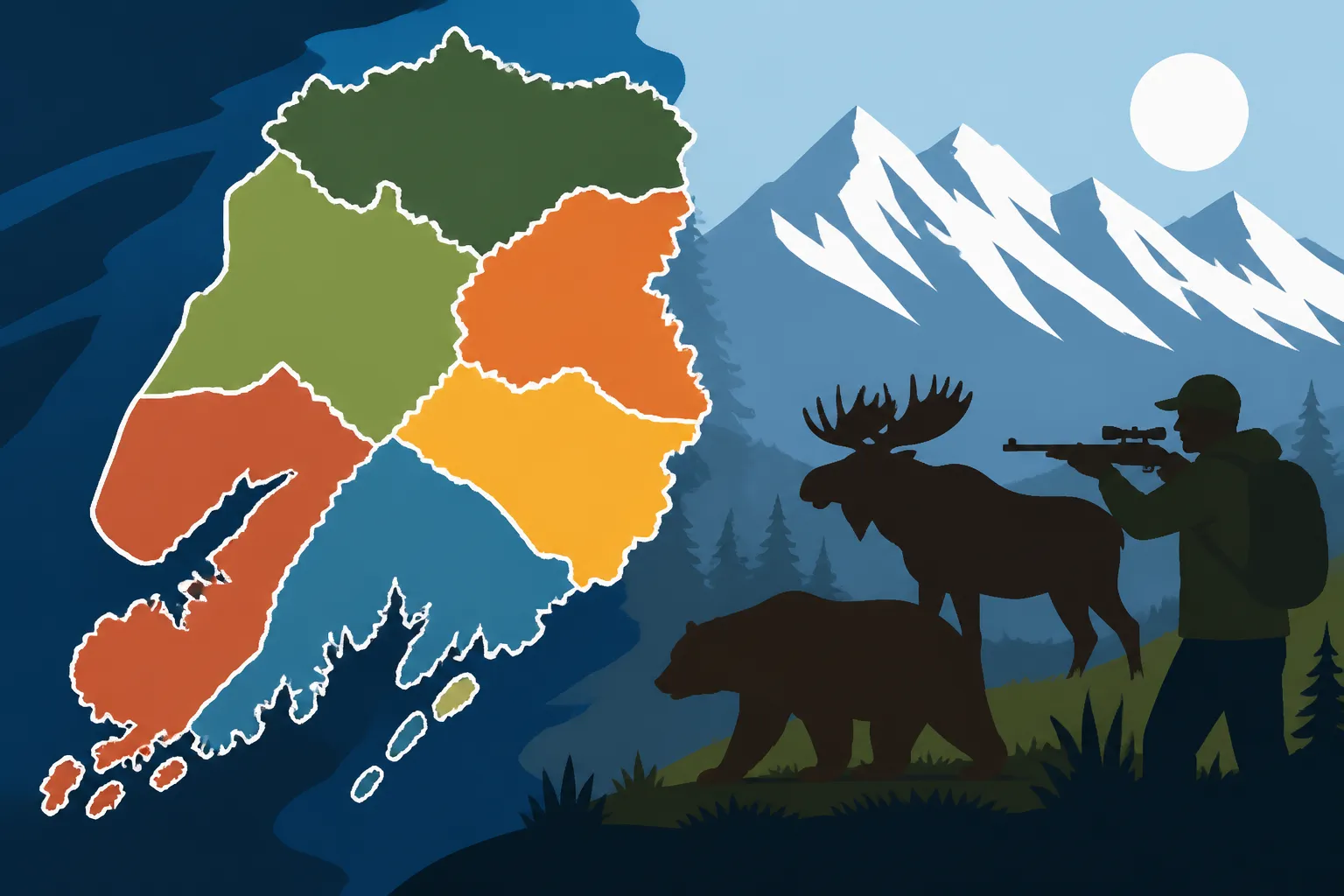
The Kenai Peninsula is primarily covered by two major Game Management Units: Unit 7 and Unit 15. While both are on the Kenai, their geography, access, and hunting opportunities are quite distinct. Unit 7 generally encompasses the eastern and southern portions of the Kenai, including the area around Seward and the Chugach Mountains, extending down the coast. Unit 15 covers the central and western parts of the peninsula, stretching from the head of Turnagain Arm down to Homer, encompassing the vast majority of the Kenai National Wildlife Refuge. To make things even more granular, Unit 15 is further broken down into three subunits: 15A, 15B, and 15C, each with its own characteristics and regulations. It’s crucial not to conflate the rules for one subunit with another, as they can differ dramatically.
Diving Deep into Game Management Unit 7
Unit 7 is often characterized by its rugged, mountainous terrain, deep fjords, and coastal influences. It's a land where the Chugach Mountains meet the sea, offering dramatic scenery but also significant access challenges.
Unit 7: Seward, Resurrection Bay, and the Outer Coast
Unit 7 stretches across the eastern Kenai Peninsula, from Turnagain Pass in the north, all the way down to the tip of the peninsula and out to some of the offshore islands in Prince William Sound and the Gulf of Alaska. Its western boundary roughly follows the ridgeline of the Kenai Mountains, separating it from much of the Kenai National Wildlife Refuge (which is primarily in Unit 15). Key areas within Unit 7 include the town of Seward, Resurrection Bay, and a vast stretch of the Chugach National Forest.
This unit is famous for its mountain goats, Dall sheep (though these hunts are typically extremely demanding and often require draw permits), and some exceptional black bear hunting opportunities. Because of the steep, rocky country, much of Unit 7’s goat and sheep hunting is physically grueling, often involving significant elevation gain and demanding backpack hunts. Hunting Near Seward in Unit 7 is a common starting point for many adventures into this rugged landscape. For black bears, coastal areas and river drainages can be productive, especially in the spring as bears emerge from dens. Access often means boat charters into remote bays or grueling hikes from limited road access points. For non-residents, remember that hunting brown bears, Dall sheep, and mountain goats in Alaska generally requires a registered guide, unless you are hunting with a second-degree relative who is an Alaska resident.
Access and Terrain in Unit 7
Access into Unit 7 is primarily via the Seward Highway, which cuts through the northern part of the unit and skirts its eastern edge down to the city of Seward. However, off the main highway, road access quickly diminishes, giving way to trails, vast backcountry, and coastal areas accessible only by boat or aircraft. Float planes can access some of the interior lakes, while wheel planes might find limited gravel bars. For many prime hunting spots, particularly for mountain goat, hunters often rely on bush planes or boats to drop them off in remote drainages or bays, followed by rigorous backpacking.
The terrain varies wildly, from the tidewater glaciers and old growth forests of the coast to the high alpine tundra and sheer rock faces of the Kenai Mountains. This diversity means hunters need to be prepared for everything from soggy coastal rainforest conditions to bitter winds and snow in the high country. When planning, using detailed topographical maps, satellite imagery, and tools like onX Hunt can be invaluable for identifying potential access points, game trails, and safe routes through the challenging landscape. Alpine Navigation Without Cell Service is a critical skill to master here, as reliable communication is scarce.
Exploring Game Management Unit 15 and its Subunits
Unit 15 covers the vast majority of the central and western Kenai Peninsula, encompassing the popular communities of Sterling, Soldotna, Kenai, and Homer. It’s a mosaic of low-lying wetlands, vast timber, and rolling hills, particularly renowned for its moose and black bear populations.
Unit 15A: The Kenai Lowlands and Moose Habitat
Unit 15A is the northernmost subunit of GMU 15, starting roughly where the Sterling Highway turns off the Seward Highway, near the community of Sterling. It extends west and south, bounded by Cook Inlet to the west, and generally by the Kenai River and the Tustumena Lake area to the south and east. This subunit is largely characterized by extensive wetlands, spruce forests, and willow thickets – classic moose habitat.
Moose hunting is a huge draw here, with various seasons and permit types, including spike-fork regulations in some areas to protect younger bulls. Alaska Moose: Where the Biggest Bulls Live mentions the Kenai Peninsula for its historical trophy potential, and Unit 15A is a part of that legacy. Hunters often utilize ATVs on designated trails, small boats on rivers, or simply walk through the extensive public lands, which include a significant portion of the Kenai National Wildlife Refuge. Access is generally easier than in Unit 7 due to a more developed road system, including the Sterling Highway, but getting away from the crowds still requires effort. This area also sees good numbers of black bears, especially in spring and fall.
Unit 15B: Central Kenai and Moose Country
Moving south from 15A, Unit 15B is the heart of the Kenai Peninsula, bordered by Tustumena Lake and the Kenai River to the north and east, and extending down towards Kachemak Bay. To the west, it's still bordered by Cook Inlet. This subunit continues the pattern of excellent moose habitat with a mix of wetlands, forests, and some higher, more broken country as you approach the Kenai Mountains foothills.
Similar to 15A, moose are a primary target in 15B, often under antler restriction rules. Many hunters use the Sterling Highway and its feeder roads, like the Kenai Spur Highway, to access hunting areas. The vast tracts of state and federal land within 15B offer diverse opportunities, from road-accessible areas to backcountry spots requiring more effort. Black bear hunting remains strong here, and brown bear opportunities exist, though usually under draw permit systems and strict regulations. Hunters should always check current regulations, as bag limits and season dates can change annually based on population assessments. You might find different rules for Alaska Black Bear Seasons and Bag Limits in 15A versus 15B.
Unit 15C: Southern Kenai and the Anchor Point Area
Unit 15C is the southernmost portion of the Kenai Peninsula, extending from the southern boundaries of 15A and 15B down to the very tip of the peninsula, including the Homer area and much of Kachemak Bay. Its eastern boundary again follows the Kenai Mountains divide, and its western edge is Cook Inlet. The terrain here is varied, moving from lower elevations with timber and brush near the coast to steeper, more mountainous terrain as you head east.
While moose are present, especially in the more timbered drainages, 15C is also known for mountain goat hunting in its eastern, more rugged areas, often accessed from the head of Kachemak Bay. Black bear hunting is also popular, and some limited brown bear hunting opportunities exist. Access is facilitated by the southern end of the Sterling Highway, which leads directly to Homer, and numerous smaller roads. Boat access into the bays of Kachemak Bay is also a popular method for reaching remote areas. Understanding Telling a Billy From a Nanny at Distance is crucial if you're pursuing goats in this unit, as nanny harvest can impact herd health significantly.
| GMU/Subunit | Primary Species Focus | General Terrain | Key Access Points | Special Considerations |
|---|---|---|---|---|
| GMU 7 | Mountain Goat, Black Bear, Dall Sheep (draw) | Rugged mountains, coastal fjords, dense forest | Seward Highway, boat charters, bush planes | Very physically demanding, often requires guided hunts for non-residents on goats/sheep/brown bear |
| GMU 15A | Moose, Black Bear | Lowland wetlands, spruce forest, willow thickets | Sterling Highway, Kenai Spur Highway, ATVs on trails | Heavily managed moose hunts (e.g., spike-fork rules), Kenai National Wildlife Refuge overlaps |
| GMU 15B | Moose, Black Bear, Brown Bear (draw) | Mixed forest, lakes, rolling hills | Sterling Highway, various secondary roads | Central Kenai, good moose country, diverse hunting opportunities |
| GMU 15C | Moose, Black Bear, Mountain Goat, Brown Bear (draw) | Coastal plains, steep mountains, Kachemak Bay | Sterling Highway (to Homer), Kachemak Bay boat access | Southernmost Kenai, goat hunting in eastern portions, requires careful navigation |
Navigating the Nuances: Permits, Quotas, and Resources
Just knowing the boundaries isn't enough; you also need to understand how permits, quotas, and special regulations interact with these geographical lines. Alaska’s hunting regulations are complex for good reason: they manage incredible wildlife populations.
Overlapping Regulations and Special Areas
Within the Kenai Peninsula's GMUs, you'll find a patchwork of land ownership, each with its own set of rules. For example, a significant portion of GMU 15 lies within the Kenai National Wildlife Refuge. While hunting is permitted in much of the refuge, there might be specific federal regulations that differ from state regulations, or even special permits required for certain hunts. Kenai National Wildlife Refuge Hunting Rules delves deeper into these specific requirements. You might encounter federal subsistence priority areas, special firearm restrictions, or rules regarding motorized access that are unique to refuge lands.
Beyond federal lands, you could also encounter state parks, municipal lands, or private land where hunting is restricted or requires special permission. The Alaska Harvest Tickets, Registration Permits and Draw Permits system also plays a huge role here. Many popular hunts, especially for moose in 15A and 15B, operate under registration permit systems that might close early by emergency order once a quota is met. Other highly sought-after species like brown bear, Dall sheep, and mountain goat are often managed through limited drawing permits, where odds can be quite low. Always consult the current Alaska Department of Fish and Game (ADF&G) regulations for the specific GMU and species you intend to hunt.
Tools for Boundary Verification
In today's hunting world, thankfully, you don't have to rely solely on paper maps and a compass, though those are still essential backcountry tools. Digital mapping applications have revolutionized how hunters navigate and understand land ownership and unit boundaries.
Programs like onX Hunt are incredibly valuable. They provide detailed topographic maps overlaid with land ownership information (state, federal, private, Native Corporation), game management unit boundaries, and even features like trails and roads. You can download these maps for offline use, which is critical in remote areas of the Kenai where cell service is non-existent. Before your hunt, you can spend hours scouting from your couch, pinpointing exact boundary lines, identifying potential access points, and marking likely game travel corridors. This helps immensely when you're actually in the field, allowing you to instantly confirm which subunit you're standing in and what regulations apply.
Another fantastic resource is GoHunt, which often provides detailed analyses of draw odds, unit information, and season structures, helping you make informed decisions about where to apply for limited-entry hunts or focus your general season efforts. While onX Hunt is your ground-level navigational aid, GoHunt can be a powerful tool for strategic planning, especially when dealing with the complex permit systems on the Kenai. Utilizing these resources allows you to avoid accidental trespass or hunting in the wrong unit, which can result in serious penalties. Take the time to learn these tools; they are an investment in a safer and more successful hunt.
Disclaimer
This article is for general informational purposes only and does not constitute professional advice. Laws, prices and regulations vary by location and change over time. Consult a qualified professional for guidance on your specific situation.