Yukon River Boat Access for Moose
The Yukon River, vast and untamed, calls to many Alaska hunters with the promise of a truly wild moose hunt. But let's be honest, dreaming about it from your armchair is a lot different than actually figuring out how to navigate hundreds of miles of braided channels, logistical nightmares, and the sheer scale of the Alaskan wilderness to put meat in the freezer. This guide is here to break down the realities of using boat access on the mighty Yukon for your next moose adventure, offering practical advice and setting realistic expectations for what it truly entails.
Why the Yukon River is a Moose Hunter's Mecca
There's something inherently romantic about the Yukon River. It's an artery of Alaska, stretching hundreds of miles through some of the most remote and pristine wilderness left on Earth. For moose hunters, it represents an unparalleled opportunity, but it comes with a unique set of challenges and rewards that distinguish it from nearly any other hunting experience in the state.
The Allure of Big River Moose
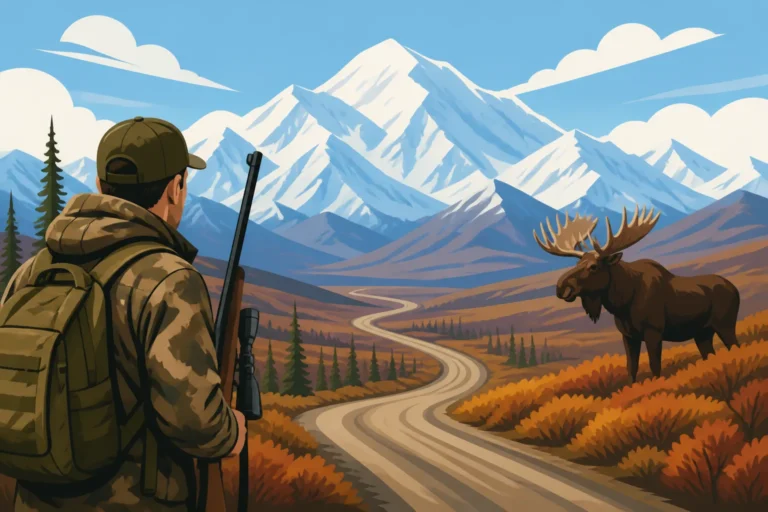
The sheer size of the Yukon River system, with its countless tributaries, oxbow lakes, sloughs, and dense riparian corridors, creates an incredibly rich and diverse habitat for Alaska-Yukon moose. These animals thrive on the abundant willow and other browse found along the water's edge, often retreating into the thick cover during the day and emerging to feed in the early morning and late evening. What draws many hunters to this region is the potential for genuinely large bulls. The unpressured environment, coupled with excellent forage, allows moose to reach impressive sizes, both in body weight and antler spread. Finding a 50-inch bull is a real possibility here, and the quiet approach by boat allows hunters to slip into areas that are difficult, if not impossible, to reach by foot or ATV. It’s a quintessential Alaska experience, blending river travel with deep bush hunting.
The remoteness itself is a major factor. Unlike road-system hunts that can see significant pressure, venturing deep into the Yukon drainage means you're likely to have vast stretches of country all to yourself. This isolation, while daunting, is precisely what many hunters seek—a true wilderness immersion where success is earned through grit, careful planning, and a deep understanding of the river and the game. You're not just hunting a moose; you're experiencing Alaska in a profound way.
Unique Challenges of the Yukon Environment
However, this allure comes with a heavy dose of reality. The Yukon River is not a place for the unprepared or the faint of heart. The challenges are numerous and significant, starting with the river itself. Water levels fluctuate dramatically throughout the season, transforming familiar stretches of river overnight. Sandbars can appear out of nowhere, especially in the wider, braided sections, and hitting one at speed can easily damage your boat or leave you stranded. Sweepers and Log Jams on a Hunting Float are also a constant threat, lurking just below the surface or protruding from banks, ready to capsize a small craft or tear an outboard motor off its transom.
Beyond the river, the sheer scale of the landscape is overwhelming. Moose densities can be lower than in some other popular areas, meaning you might cover significant mileage before even spotting an animal. Weather is another formidable opponent; rapid changes, strong winds, rain, and early freezes are all part of the Yukon experience. Furthermore, access to supplies, fuel, or emergency assistance is often hundreds of miles away, typically requiring bush planes or several days of river travel to reach the nearest village. This isn't a weekend jaunt; it's a serious expedition that demands meticulous preparation and a robust contingency plan.
Planning Your Yukon River Moose Hunt: Logistics and Gear
A successful Yukon River moose hunt hinges entirely on planning. You can't just show up with a rifle and a dream; you need a detailed strategy for everything from your boat choice to your emergency communication. It's about minimizing risk and maximizing your chances of a safe, productive trip.
Choosing Your Vessel and Propulsion
Your boat is arguably the most critical piece of gear for a Yukon River moose hunt. It's your transportation, your camp, and your lifeline. Jet boats are often favored for their ability to navigate shallow water, providing access to areas where propeller-driven boats can't go. However, they are also fuel-hungry and can be more prone to cavitation in muddy, silty water. Traditional propeller-driven jon boats or riverboats are another option, particularly if you're sticking to deeper channels, but they'll limit your ability to traverse truly shallow areas. Consider your specific hunting unit and the expected water levels. For some tributaries, a smaller, inflatable raft or packraft might even be part of your strategy for shallow water side trips, but for the main stem of the Yukon, you'll need something substantial.
The size of your boat needs to accommodate not just your gear and hunting partners, but also the potential load of a harvested moose. Remember, you'll be quartering an animal in the field, and a full bull moose can weigh upwards of 1,200 to 1,500 pounds, yielding hundreds of pounds of bone-in meat, hide, and antlers. You'll need enough space and buoyancy to safely Loading a Bull Moose Into a Raft and transport this load back to your take-out point. Engine reliability is paramount; always carry spare parts, tools, and a reliable repair kit, and know how to use them. Many hunters opt for multiple outboard motors (a main and a kicker) for redundancy.
| Boat Type | Pros | Cons | Best Use Cases |
|---|---|---|---|
| Jet Boat | Excellent for shallow water; fast | High fuel consumption; expensive to operate | Main river travel, accessing shallow tributaries |
| Prop Jon Boat | More fuel efficient; good load capacity | Limited in very shallow water; prop damage risk | Deeper main channels; reliable transport |
| Riverboat | Stable; good for heavy loads; comfortable | Can be slow; often prop-driven, limits shallows | Longer expeditions; larger groups; comfortable camping |
| Packraft | Highly portable; silent access | Very limited load capacity; slow; exposed | Short side trips from a larger base boat; scouting |
Essential Gear and Supplies for Remote River Hunts
Beyond your boat, your gear list for a Yukon River moose hunt will be extensive. Fuel is a massive consideration; calculate your consumption meticulously, adding a significant buffer for unexpected delays, diversions, or high water. Bringing extra fuel in robust, USCG-approved containers is non-negotiable. For navigation, relying solely on paper maps is a mistake. Modern GPS devices, paired with detailed mapping software like onX Hunt, are essential. You can download offline maps before you leave home, marking potential hunting areas, gravel bars, and emergency landing zones. This planning tool is invaluable for navigating the braided river systems and identifying land ownership. Downloading Offline Maps Before a Fly-In is not just for air taxis; it's critical for river travelers too.
Shelter needs to be robust enough to withstand strong winds and heavy rain. A sturdy wall tent with a wood stove is a common choice for comfort and drying gear. Food, water filtration, cooking equipment, and robust first-aid kits are obvious necessities. Don't forget bear protection, whether it's a powerful sidearm (like a .44 Magnum or 10mm) or bear spray, as you'll be operating in prime grizzly and black bear country. Rifle Calibers for Coastal Brown Bear discussions often apply to Interior grizzlies as well, emphasizing stopping power. For communication, a satellite messenger or phone, like an inReach, is vital for check-ins and emergency contact. Signal Devices and Check-In Plans for Solo Alaska Hunts are critical, even if you're not solo. Always have a contact person back home who knows your float plan and expected check-in times.
Navigating the Yukon: River Travel and Safety
The Yukon River is a living, breathing entity, constantly changing. Respecting its power and understanding its moods is key to a safe and successful trip. This isn't just about reading a map; it's about reading the water itself.
Reading the River: Navigational Hazards
The main stem of the Yukon is generally broad, but it's deceptively complex. One of the biggest hazards is the constantly shifting sandbars and gravel bars. These can appear out of nowhere, especially in areas where the river widens and shallows, often camouflaged by turbid water. Look for changes in water color, subtle ripples, or areas where the current seems to slow or get "confused." Always slow down in unfamiliar or braided sections. It's often better to idle along and visually scout ahead, sending a spotter to look for the deepest channels, than to power through and risk a devastating impact.
River Gravel Bars That Work as Landing Strips for planes might also be good places to beach your boat and scout, but always be aware of potential deep water drops on the downstream side. Another significant danger is "sweepers" and "strainers"—fallen trees that are still rooted or lodged, with their branches submerged or partially submerged in the current. These can trap boats, flip them, or tear off equipment. Scan ahead constantly, especially around bends, and give any suspicious-looking log jams a wide berth. High water can obscure these hazards, making navigation even trickier. Conversely, low water can expose rocks and shallow areas you wouldn't normally worry about. You need to be prepared for both extremes.
Safety Protocols and Emergency Preparedness
Safety on the Yukon is non-negotiable. Always wear your personal flotation device (PFD) while underway. Have emergency repair kits for your boat and engine readily accessible. A comprehensive first-aid kit, with wilderness-specific training, is crucial. Beyond medical emergencies, consider how you'd handle a capsized boat or a motor failure miles from anywhere. What's your plan for hypothermia if you end up in the frigid water?
Establishing clear communication protocols is paramount. Use your satellite messenger (like an inReach) for regular check-ins with your pre-arranged contact. These devices aren't just for emergencies; they allow you to communicate your progress and reassure loved ones. Before you leave, file a detailed float plan with someone reliable, including your route, expected timeline, and emergency contacts. This plan should also be shared with your hunting partners. Understand that self-rescue is often your only option for hours or even days. Pack extra clothing, food, and emergency shelter in waterproof bags, specifically thinking about what you'd need if your main boat was compromised. Having a backup plan for returning home, whether it involves a predetermined rendezvous with an air taxi or a secondary vehicle, is part of prudent planning.
Field Tactics for Yukon River Moose
Once you’ve successfully navigated the river to your chosen hunting grounds, the real work of moose hunting begins. The Yukon offers unique opportunities, but also demands specific strategies to find and harvest one of these magnificent animals.
Hunting Strategies from the Water
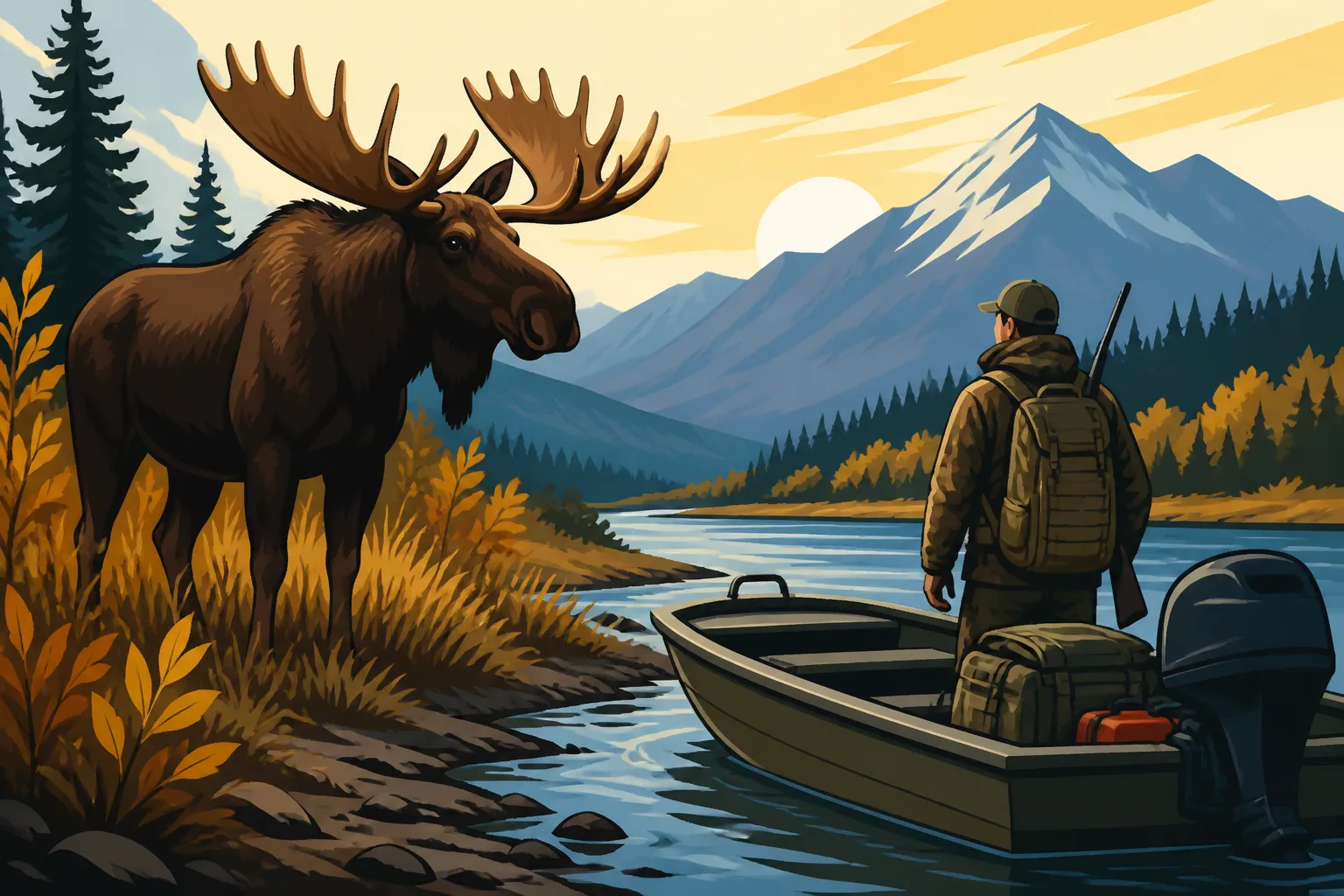
Hunting moose from a boat on the Yukon River is a strategic advantage. You can cover immense distances efficiently, scouting vast stretches of riverbank, sloughs, and islands. Focus your efforts on areas where moose are likely to feed: dense willow thickets, old burns with new growth, and points of land that offer easy access to water. Pay close attention to fresh tracks along the muddy banks or where moose have been browsing on willows. Glassing is your primary tool. Use high-quality binoculars and a spotting scope from your boat, scanning the treeline, brushy areas, and any open flats. Often, you'll spot an antler tip or a patch of hide before you see the whole animal.
Once you spot a bull, use your boat to quietly approach, or identify a suitable landing spot to get ashore and begin a stalk. Remember, Alaska's Same-Day-Airborne Rule and What It Bans prohibits hunting the same day you've been airborne, but this rule doesn't apply to river travel. However, always exercise ethical hunting practices and give the animal ample time to calm down if your approach startled it. Calling moose can be incredibly effective along the Yukon, especially during the rut. Pulling into a quiet slough, shutting off your motor, and deploying a series of cow calls and bull grunts can often draw a curious bull out of the thick cover. Calling Bull Moose During the Alaska Rut can be an exciting, heart-pounding experience. Be patient, stay concealed, and be ready when they respond.
Post-Kill Logistics and Meat Care
This is where many river hunts become truly challenging. Once you’ve harvested a moose, the work begins in earnest. Given the warm September weather often found during moose season, immediate and proper meat care is critical to prevent spoilage. First, you'll need to get the animal out of the water if it went down there. Then, the immense task of quartering a bull moose alone or with partners on the spot. You'll need sharp knives, a meat saw, and plenty of game bags. Focus on boning out as much meat as possible to reduce weight, but be aware of Alaska Moose Meat Salvage Requirements which mandate salvaging all edible meat.
Once quartered, the meat needs to be cooled rapidly. Hanging it in breathable game bags in the shade, ideally over a cold creek or where there's a breeze, is essential. Hanging Meat in Warm September Weather requires constant vigilance. Consider bringing a robust cooler or two with dry ice if your timeline and boat capacity allow for it, especially for the choicest cuts. Remember, you’re in bear country, so securing your meat from bears is a top priority. A bear fence or elevated meat cache is a must. Bear Safety While Butchering a Kill in Alaska should always be at the forefront of your mind. Finally, you’ll need to transport all that meat, hide, and antlers back to your boat and then downriver. This is often the most physically demanding part of the hunt, requiring multiple trips to and from the kill site, and then careful loading of your heavily laden boat. It's a test of endurance, but the reward of a freezer full of wild Alaskan moose meat is well worth it.
Disclaimer
This article is for general informational purposes only and does not constitute professional advice. Laws, prices and regulations vary by location and change over time. Consult a qualified professional for guidance on your specific situation.