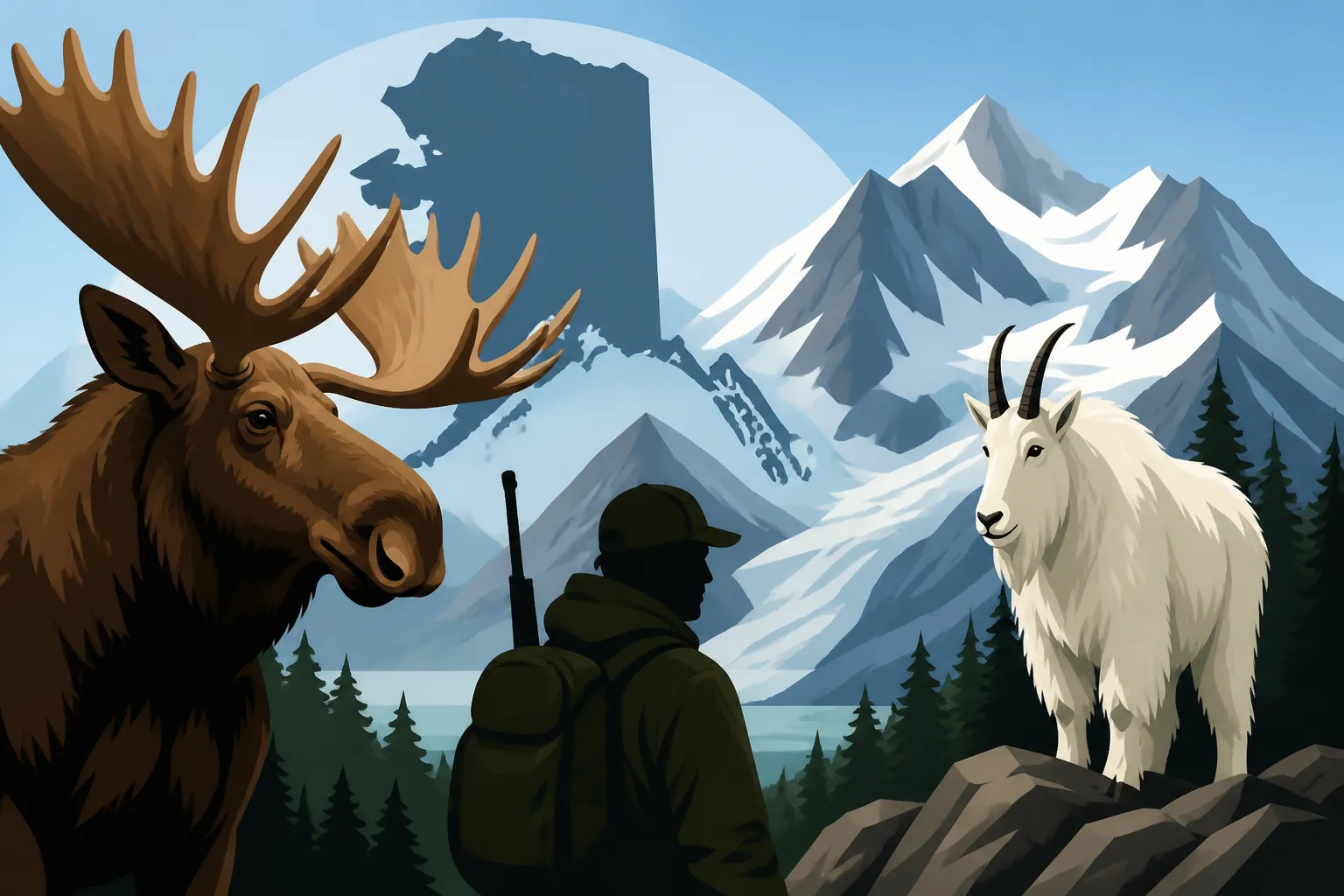
Yakutat Area Moose and Goat Hunting
Planning a hunt in the vast, wild expanse of Alaska can feel like trying to solve a puzzle with half the pieces missing, especially when you start looking at areas as remote and rugged as Yakutat. Many hunters dream of the immense challenge and reward of taking big game in truly untamed country, but the sheer logistics of getting there, understanding the local game populations, and navigating the unique terrain can be daunting. This comprehensive guide aims to demystify hunting for moose and mountain goats in the Yakutat area, providing the realistic insights you need to prepare for an unforgettable adventure in this spectacular corner of Alaska.
Understanding the Yakutat Area: A Land of Giants and Glaciers
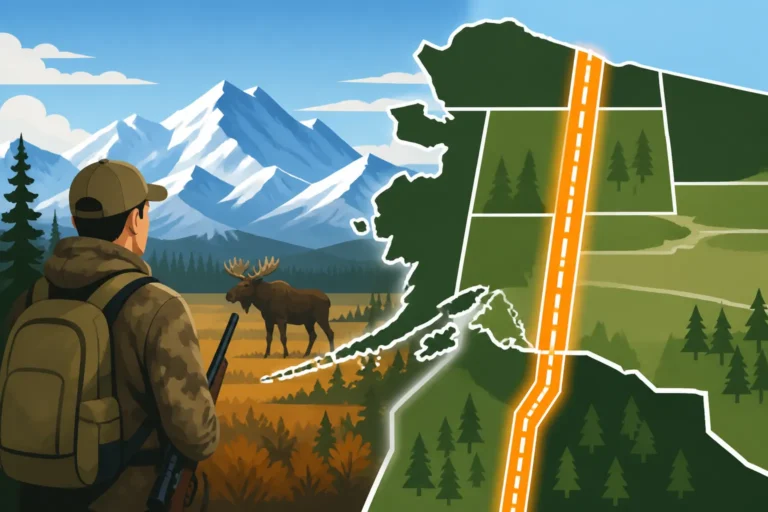
The Yakutat area, nestled on Alaska's southeastern coast, often falls under Game Management Unit (GMU) 5. It’s a place where the towering peaks of the Chugach and St. Elias Mountains crash down to the Pacific Ocean, creating a landscape of profound beauty and brutal challenge. This isn't your typical interior Alaska hunt; here, the maritime climate dictates everything, from the dense rainforests at lower elevations to the perpetual snowfields clinging to the peaks. The weather is notoriously unpredictable, often swinging from bright sunshine to torrential rain and thick fog in a matter of hours. This unique environment supports a robust population of both Alaska-Yukon moose and prime mountain goats, making it a dream destination for many dedicated hunters willing to face the elements.
The Unique Coastal-Mountain Ecosystem
Imagine a place where massive glaciers calve directly into bays, where ancient spruce and hemlock forests are so thick you can barely push through them, and where jagged, snow-capped peaks rise thousands of feet straight out of the saltwater. That's Yakutat. The valleys and river deltas, fed by glacial melt, provide prime browsing habitat for moose, while the rocky, precipitous slopes higher up are the domain of the hardy mountain goat. This interface of sea, forest, and mountain creates incredibly diverse habitat but also presents significant logistical hurdles. The sheer scale of the landscape can be overwhelming, and understanding how game animals utilize these varied zones is critical. It's not uncommon to see moose tracks in muskeg bogs just miles from where you might spot goats clinging to a vertical rock face. This blend of environments truly sets Yakutat apart.
Accessing This Remote Frontier
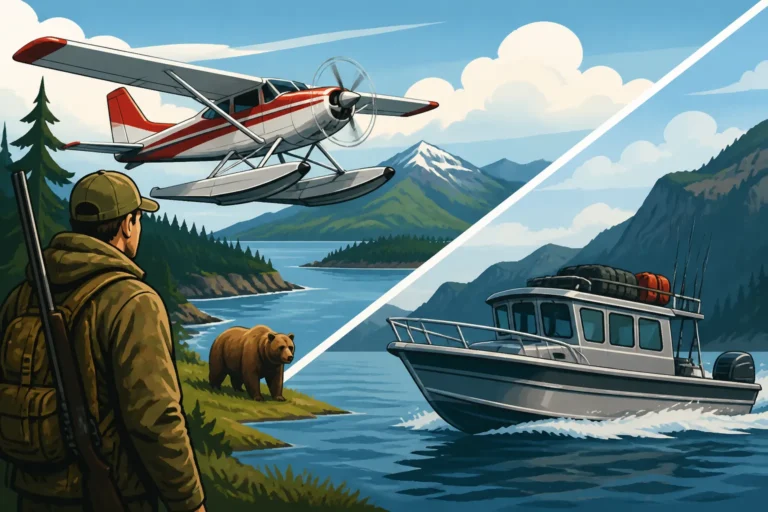
Getting to Yakutat itself usually involves a commercial flight, as it’s a small coastal community not connected by road to the rest of the state. Once there, true hunting access often requires further bush plane flights, either on floats to access remote lakes and river systems, or on wheels to land on gravel bars or airstrips in the backcountry. For those targeting coastal areas or wanting to extend their range along the numerous inlets and bays, a boat can be an invaluable tool. Planning these flights or boat charters well in advance is absolutely essential, and you must budget for the realities of weather delays. I've seen countless hunters get stuck for extra days, sometimes weeks, waiting for weather to clear for a safe pickup or drop-off. Remember, patience is a virtue, especially when dealing with Fly-In Hunting Areas Across Interior Alaska and the unpredictable coastal conditions. Using tools like onX Hunt can be incredibly useful here, not just for land status but for identifying potential landing zones, open country, and topographical features from home before you even set foot in Alaska.
Permitting and Land Status Realities
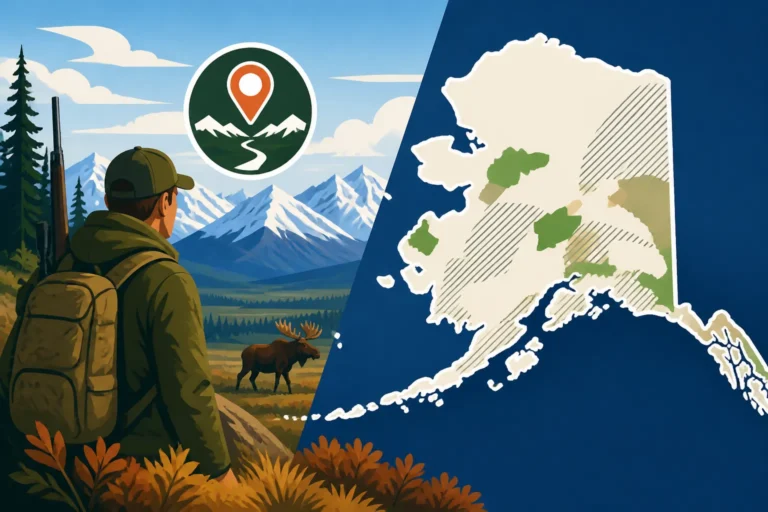
Before you even think about packing your rifle, you need to understand the permitting system. Yakutat is primarily in GMU 5, which has specific regulations that can differ significantly from other parts of Alaska. Moose in this unit are often managed through registration hunts or general season tags, but mountain goats are almost always a draw permit hunt. This means you need to apply months in advance, typically during the November 1 to December 15 application window, and hope you get lucky in the lottery. Even if you secure a permit, understanding the precise land status of your chosen hunting area is critical. You'll encounter a mix of state, federal (like the Tongass National Forest, which is immense here), and sometimes Native Corporation lands. Always verify the specific rules and access requirements for each land designation. Ignorance is no excuse in the bush, and a simple mapping app like onX Hunt can save you a world of trouble by clearly delineating these boundaries. For a full breakdown, check out Alaska Harvest Tickets, Registration Permits and Draw Permits.
Pursuing Alaska-Yukon Moose in Yakutat's River Bottoms
Moose hunting in the Yakutat area offers a different flavor than the wide-open spaces of interior Alaska. Here, the moose are often found in dense willow thickets, river bottoms, and the fringes of the extensive spruce forests. These are true Alaska-Yukon moose, meaning they can be massive animals, and the thrill of calling one out of the impenetrable timber is an experience unto itself. However, the environment brings unique challenges that demand thorough preparation.
Identifying Prime Moose Habitat
In Yakutat, look for moose in the lower elevations, particularly along the floodplains of glacial rivers and in areas with abundant willow and alder growth. These rich, riparian zones provide the browse moose thrive on, and the dense cover offers them refuge. Old burn areas, if present, can also be moose magnets due to regenerating forage, but in coastal rainforests, these are less common than in the interior. Don't be surprised to find moose tracks right along brushy riverbanks or in the muskeg bordering lakes. Using satellite imagery on a platform like GoHunt or onX Hunt can help you identify these pockets of prime habitat – look for lighter green areas indicating willows and alders, often snaking along river channels or around shallow lakes. These tools are invaluable for Scouting a Unit From Satellite Imagery Before You Fly. Keep an eye out for fresh rubs and heavily browsed vegetation as signs of active moose presence.
The Challenges of Moose Hunting Here
Hunting moose in Yakutat is physically demanding, even if you’re not climbing mountains. The ground can be incredibly wet and boggy, making every step a labor. Dense brush means visibility is often limited to mere yards, turning still-hunting into a slow, deliberate crawl. Calling Moose in Alaska With a Scapula and a Cow Call can be effective, but getting a bull to commit in such thick cover requires patience and a good understanding of moose behavior. The coastal rain can be relentless, soaking through even the best gear if you're not prepared, and the days can be short and grey in the fall. Furthermore, Yakutat is prime brown bear country, and every downed moose creates an irresistible attraction for them. You absolutely must practice Bear Safety While Butchering a Kill in Alaska and remain vigilant throughout the entire process.
Logistics for Packing Out a Yakutat Moose
Harvesting an Alaska-Yukon moose is only half the battle; the real work begins when it's time to Quartering a Bull Moose Alone in the Field and pack it out. Given the dense terrain and wet conditions, this can be an epic undertaking. A mature bull moose can easily yield hundreds of pounds of bone-in meat, not to mention the hide and antlers. If you're fortunate enough to kill a moose near a navigable river or lake, a packraft or small boat can be a lifesaver. Otherwise, it's going to be a long, arduous pack on your back, often through thick brush and boggy ground. Investing in quality, breathable game bags is crucial for Hanging Meat in Warm September Weather and protecting it from flies and moisture, especially with the region's high humidity. Plan your extraction strategy before you even start hunting, considering potential kill sites and the nearest feasible pickup point. This often means flying into a spot and having a pre-arranged pickup at another, accessible location downstream or across a lake.
The Vertical Challenge: Mountain Goat Hunting Around Yakutat
Mountain goats are perhaps the quintessential big game animal of the Yakutat area. The sheer, rocky faces of the Chugach and St. Elias mountains provide ideal habitat for these incredible animals. However, chasing goats here is not for the faint of heart; it's a physically grueling endeavor that demands peak physical condition, superior navigational skills, and a healthy respect for the unforgiving alpine environment.
Decoding Goat Country: Cliffs and High Basins
Mountain goats in Yakutat will be found where the mountains meet the clouds. Look for them on steep, rocky cliffs, alpine meadows, and broken terrain above timberline. They thrive in areas that offer both escape routes from predators and patches of high-quality forage. Glassing is your most powerful tool here. Spend hours behind good optics, systematically sweeping mountain faces, snowfields, and high basins. Patience is key, as a goat can appear as a tiny white speck against a vast grey rock face. Pay close attention to prominent rock outcroppings, chutes, and drainages where goats might travel or bed down. Reading Sheep Country From a Glassing Knob principles apply equally to goats; understanding the subtle nuances of the terrain from a distance will save you countless steps and energy.
Draw Permits and Nanny Identification
As mentioned, mountain goat hunting in Yakutat almost invariably requires a draw permit. These permits are highly coveted and difficult to draw, so applying consistently over the years is often necessary. Once you've secured that precious tag, the real challenge begins: finding a legal billy. Alaska law protects nannies (female goats) with kids, and often any nannies, to safeguard the population. Distinguishing a billy from a nanny, especially at long distances and on steep terrain, can be incredibly difficult. Billies typically have thicker horns that show more curvature, and their horn bases are often wider. They also tend to be more robust in their overall body structure. Take your time, use a high-powered spotting scope, and observe the animal's behavior for an extended period. Look for the "post-rut patch" on billies' bellies, which is often stained yellowish from urine. Misidentifying a nanny is a serious offense, so when in doubt, pass. For more on this, check out Alaska Goat Seasons and Nanny Identification.
Physical Demands and Safety in Goat Terrain
Hunting mountain goats in Yakutat is perhaps the most physically demanding hunt Alaska offers. You’ll be hiking, climbing, and scrambling over incredibly steep, uneven, and often slippery terrain. Expect to gain thousands of feet in elevation daily, often carrying heavy packs. A strong cardio base and excellent leg strength are non-negotiable. Furthermore, the environment itself poses significant safety risks. Rockfall, sudden weather changes (fog can roll in, reducing visibility to zero in minutes), treacherous footing, and exposure to the elements are constant threats. Always travel with a partner, carry a satellite communication device like an InReach, and ensure your group has strong Alpine Navigation Without Cell Service skills. Proper foot attire, such as sturdy mountaineering boots with excellent ankle support, is paramount. Never compromise on safety for the sake of a goat.
Essential Preparations for a Yakutat Hunting Expedition
Hunting in Yakutat isn't just a trip; it's an expedition. Success and, more importantly, safety hinge on meticulous planning and preparation. From your gear choices to your mental fortitude, every detail counts in this rugged corner of Alaska.
Gear Considerations for Wet, Rugged Conditions
The coastal environment of Yakutat means you must be prepared for rain, and lots of it. Your raingear isn't just for comfort; it's a survival tool. Invest in top-tier waterproof-breathable outer layers for your jacket and pants, and make sure your backpack has a good rain cover. Layering is key, with moisture-wicking base layers, insulating mid-layers, and a warm puffy jacket for colder evenings or glassing sessions. Good quality, broken-in waterproof boots are non-negotiable. You'll be spending a lot of time on wet, uneven ground, so blisters or cold feet can quickly derail a hunt. Think about redundancy for critical items, like having an extra pair of dry gloves or socks. For carrying out meat, consider specialized Game Bags That Breathe in Coastal Rain.
| Item Category | Essential Features for Yakutat |
|---|---|
| Outerwear | Waterproof-breathable, durable, quiet fabric |
| Base Layers | Moisture-wicking, quick-drying (wool or synthetic) |
| Insulation | Synthetic or treated down, retains warmth when damp |
| Boots | Waterproof, stiff sole, excellent ankle support, broken-in |
| Backpack | Waterproof (or good rain cover), comfortable for heavy loads |
| Navigation | GPS device (Garmin InReach/Zoleo), topo maps, compass, onX Hunt |
| Communication | Satellite messenger (InReach, Garmin messenger), backup power bank |
| Sleep System | Warm sleeping bag (rated to 0°F or below), insulated sleeping pad |
| Shelter | Four-season tent, sturdy, capable of shedding heavy rain and wind |
| Optics | High-quality binoculars (10x), spotting scope (20-60x) |
Navigating and Communication in Remote Unit 5
Cell service is virtually nonexistent in the backcountry of Unit 5. Your primary navigation tools will be a robust handheld GPS device (with pre-loaded maps and waypoints), paper topographic maps, and a compass. Learn how to use them proficiently before you go. Modern GPS units with satellite communication capabilities, like the Garmin inReach, are absolute lifesavers. They allow you to send and receive text messages, share your location, and trigger an SOS in an emergency, even when hundreds of miles from the nearest town. These are critical for Signal Devices and Check-In Plans for Solo Alaska Hunts. Always download offline maps to your phone app (like onX Hunt) as a backup, but don't rely solely on your phone's battery in cold weather. Carry spare batteries or a high-capacity power bank. A detailed trip plan left with a trusted contact back home is also a vital safety measure.
Bear Awareness: Sharing the Landscape
Yakutat is prime habitat for Alaska brown bears, and you are almost guaranteed to encounter signs of them, if not the bears themselves. Whether you’re hunting moose in the dense river bottoms or climbing for goats in the alpine, you are in bear country. Carry bear spray (know how to deploy it quickly) and a powerful firearm, like a .375 H&H or .338 Win Mag, especially when retrieving or butchering game. Rifle Choice for Alaska Brown Bear Country is a serious consideration. Make noise while traveling through dense brush to avoid surprising a bear at close quarters. When you make a kill, especially a moose, be prepared for a visit. Position your meat cache securely, ideally hung from a tree or on a sturdy platform out of a bear's reach, and consider setting up an electric bear fence around your camp and kill site. Vigilance and proper food storage are not suggestions; they are necessities.
Disclaimer
This article is for general informational purposes only and does not constitute professional advice. Laws, prices and regulations vary by location and change over time. Consult a qualified professional for guidance on your specific situation.