Deer Islands Around Petersburg and Wrangell
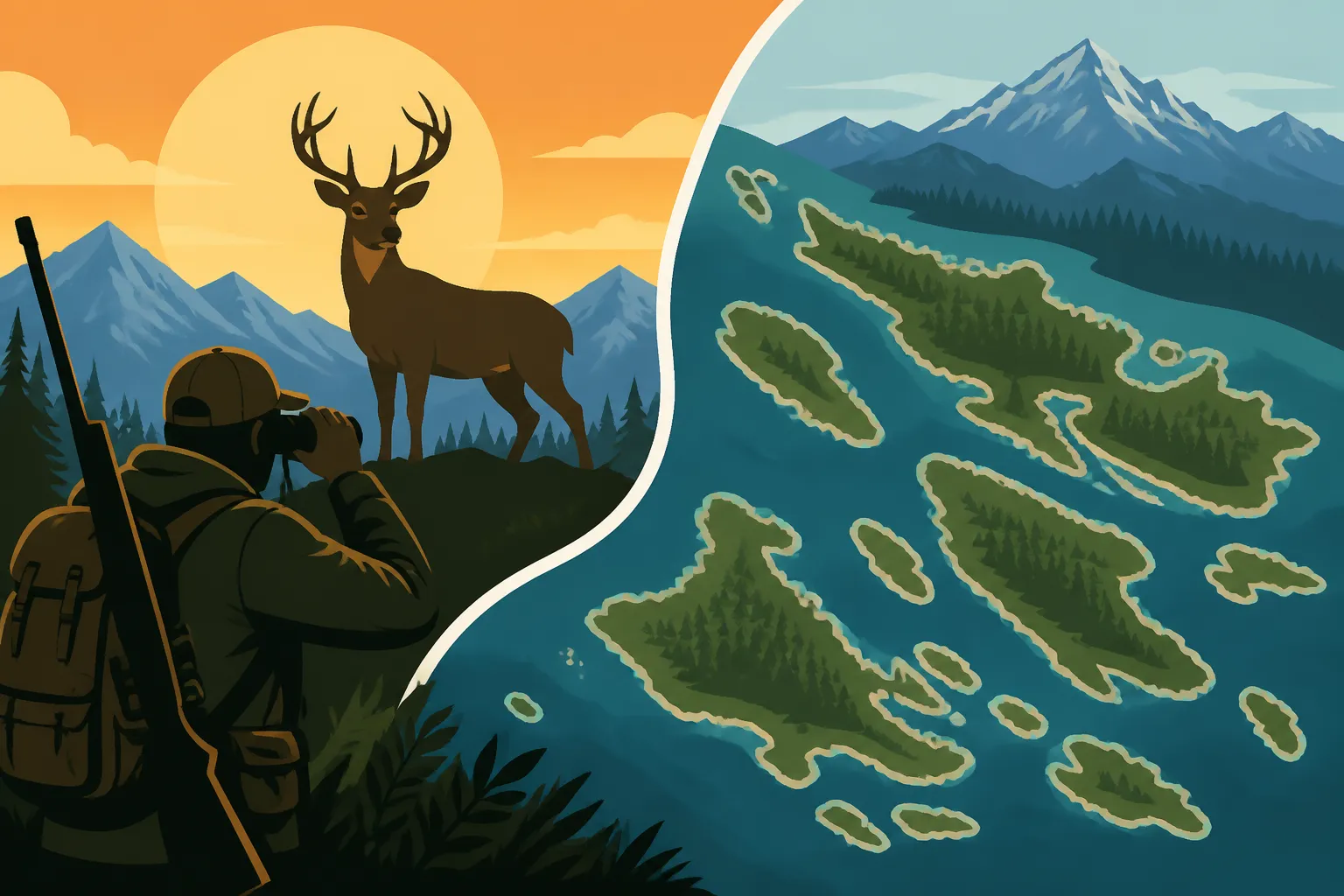
Hunting the deer islands around Petersburg and Wrangell in Southeast Alaska presents a truly unique challenge, one that often leaves hunters scratching their heads about where to even begin. Unlike road-accessible areas or large interior expanses, these islands demand intimate knowledge of tidal flows, dense coastal rainforest, and boat navigation, making finding those elusive Sitka blacktails a far cry from a walk in the park. This comprehensive guide aims to demystify the process, offering practical advice and insights for successfully pursuing deer in this rugged, beautiful corner of the Last Frontier.
Understanding the Southeast Alaska Landscape and Deer Behavior
Southeast Alaska is a world unto itself, a labyrinth of islands, fjords, and towering mountains blanketed in temperate rainforest. This isn't your typical open country deer hunt; it requires a completely different mindset and skillset. The Sitka blacktail deer that call these islands home are perfectly adapted to this environment, but their behavior and preferred habitats are shaped by it in ways hunters need to understand.
The Influence of Rainforest and Tides
Imagine stepping off your skiff onto a beach, only to be met by an impenetrable wall of devil's club, moss-draped spruce, and hemlock so thick you can barely see ten feet in front of you. This is the reality of much of the deer country around Petersburg and Wrangell. The rainforest creates incredibly challenging visibility and travel conditions, forcing deer into more open areas or along the fringes where they can move more freely. These areas often include beach fringes, old growth timber with a more open understory, clear-cuts from past logging operations (though many are now grown up and similarly thick), and occasionally higher alpine terrain if you're willing to climb.
The tides are another monumental factor, dictating access, hunting lanes, and even deer movement. During low tide, vast expanses of beach, mudflats, and rocky shorelines are exposed, providing both travel corridors for deer and potential hunting grounds for you. Deer will often graze on kelp and other vegetation exposed by the receding water. However, fail to pay attention to the tide tables, and you could find your skiff high and dry for hours or, worse, swept away. Always remember that what looks like a nice, open flat at low tide can become impassable, deep water at high tide, completely cutting off your return path to your boat or vehicle. Understanding Tide Tables and Beach Deer Hunting is crucial for both safety and success.
Sitka Blacktail Deer Habitat and Movement
Sitka blacktails are creatures of the forest edge and semi-open country within the dense timber. While you might spot them foraging on beaches at low tide, especially in the early mornings or late evenings, they're typically found in the transition zones. These zones could be where the forest meets the muskeg, along old logging roads, or in younger growth patches that offer both browse and cover. During periods of heavy snow, they'll concentrate on lower elevations and south-facing slopes, often near the coastline where vegetation is more accessible.
Their movement patterns are also heavily influenced by the availability of food and the need for cover. In the thick rainforest, deer don't necessarily travel long distances in open areas. Instead, they navigate a network of hidden trails and dense thickets. This means still-hunting or carefully pushing small areas can be effective, rather than trying to cover vast open ground. Recognizing these subtle signs of deer movement, like fresh tracks in mud or areas of heavily browsed vegetation, becomes paramount. Understanding Blacktail Rut Timing in Southeast Alaska can also inform your strategies, as bucks become more active and less cautious.
Accessing the Deer Islands: Boat Strategies and Logistics
Accessing the prime deer islands around Petersburg and Wrangell is almost exclusively boat-based. This isn't just about owning a boat; it's about understanding how to safely and effectively use it in a dynamic, unforgiving marine environment. The boat isn't just transport; it's your lifeline, your base camp, and your way to pack out your hard-earned game.
Choosing the Right Watercraft
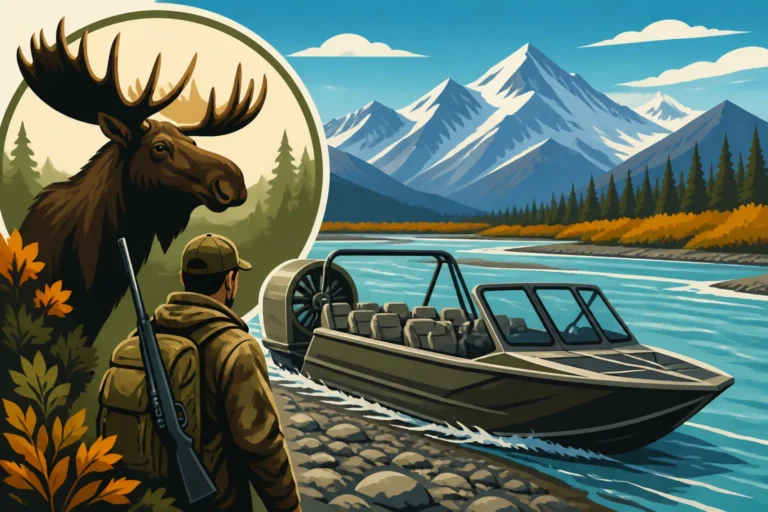
The type of boat you use will largely dictate where you can hunt and how comfortable your experience will be. For many, a sturdy aluminum skiff (16-20 feet) with an outboard motor is the workhorse of Southeast Alaska hunting. They're relatively easy to launch, capable of navigating shallow waters, and can handle a decent chop if you pick your weather windows. However, they offer minimal protection from the elements, which means you and your gear will get wet.
Larger, cabin-style boats, sometimes referred to as "packers" or "pocket cruisers," offer more comfort and protection, allowing for longer trips and overnight stays on the water. These are excellent for setting up a floating base camp and venturing out in a smaller skiff or even a kayak once you're in a bay. Kayaks and packrafts also have their place, particularly for accessing smaller, shallower coves or for a quiet approach to a beach. They are less forgiving in open water but offer unparalleled stealth. Consider the trade-offs: speed, capacity, comfort, and maneuverability versus the ruggedness and shallow-water access of smaller craft. When thinking about Boat-Based Deer Hunting on Alaska's Island Coastlines, your vessel choice is foundational.
| Boat Type | Pros | Cons | Ideal Use Case |
|---|---|---|---|
| Aluminum Skiff | Shallow draft, rugged, easy to launch | Exposed to elements, less comfortable, limited range | Day hunts, exploring coves, packing out a single deer |
| Cabin Cruiser | Weather protection, comfortable, overnight capability | Deeper draft, expensive, harder to launch/recover | Multi-day hunts, base camp, accessing outer islands |
| Kayak/Packraft | Stealthy, shallowest access, lightweight for portage | Limited capacity, slow, weather-dependent, exposed | Scouting, reaching very small coves, very light hunts |
Navigating the Waters and Securing Your Boat
Successfully navigating the waterways around Petersburg and Wrangell requires more than just a map. You need a keen eye for weather changes, an understanding of currents, and a healthy respect for the vastness of the ocean. Fog can roll in quickly, reducing visibility to zero, and sudden squalls can turn calm water into a treacherous mess. Always check the marine forecast before heading out, and be prepared to hunker down or change your plans if conditions deteriorate. Having reliable navigation, like a GPS with marine charts, is non-negotiable. Many hunters swear by apps like onX Hunt, even on the water, for marking potential landing spots, understanding land ownership around islands, and tracking their movements.
When you reach your chosen island, securing your boat is paramount. Tides, as we discussed, are relentless. Always anchor your skiff well above the high tide line if you can pull it ashore, or use a stern anchor to keep it from swinging on a falling tide. If you're using a larger boat as a base, ensure your anchor is well set and consider a second anchor for added security, especially if you plan to be away from it for an extended period. Nothing ruins a hunt faster than returning to find your ride home has floated away. Furthermore, be mindful of Packing a Deer Off a Beach at Low Tide; planning your recovery around the tides is essential.
Key Deer Islands and Hunting Tactics
The islands surrounding Petersburg and Wrangell are numerous, each offering its own character and hunting potential. While local knowledge is invaluable, understanding general principles can help you identify promising areas and tailor your tactics.
Mitkof, Kupreanof, and Etolin Islands
These larger islands, being closer to the communities, see more hunting pressure but also offer extensive habitat. Mitkof Island, just east of Petersburg, has a limited road system that can provide some access points, but to truly get into productive areas, you'll still need a boat to explore its numerous bays and inlets. Focus on areas with a mix of younger growth forest and muskeg openings, particularly those with good southern exposure. Old clear-cuts that are now regenerating offer excellent browse, but often present extremely thick travel.
Kupreanof Island, to the west of Petersburg, is a vast expanse of prime deer habitat. It’s known for its rugged terrain but also its healthy deer populations. Access is entirely by boat, and you'll want to explore the many arms and bays, looking for drainages that lead up into alpine fringes or old logging activity. Similarly, Etolin Island, situated between Wrangell and Prince of Wales Island, offers vast tracts of remote deer country. These areas require more extensive boat travel and careful planning but can reward hunters with less pressured animals. Remember, when you're considering hunting these larger, wilder areas, it's wise to carry reliable satellite communication devices and leave a detailed trip plan with someone responsible, especially when exploring far from towns. Signal Devices and Check-In Plans for Solo Alaska Hunts are vital here.
Hunting the Smaller, Unnamed Islands
Beyond the large named islands are countless smaller islets and rock outcroppings. While some are too small to hold deer consistently, others can be hidden gems, especially if they have enough suitable browse and cover. These smaller islands often see less pressure, making them excellent candidates for a exploratory day hunt. Look for islands with a relatively flat top, signs of fresh deer browse, and a good mix of timber and open areas.
The key to hunting these smaller spots is scouting and flexibility. Use detailed maps, whether paper or digital like onX Hunt, to identify potential candidates based on topography and vegetation. Look for small beaches for landing and signs of deer trails. Be prepared to hit several different islands in a day if the first few don't show promise. These smaller islands can be particularly productive for still-hunting, as deer don't have endless escape routes. Remember that the weather can change quickly, so keep an eye on the water and have an escape plan.
Effective Hunting Tactics in Southeast Alaska
Still-hunting is often the most effective tactic in the dense Southeast Alaska timber. Moving slowly, stopping frequently to scan and listen, and making minimal noise will allow you to pick apart the thick cover. Focus on edges: where forest meets muskeg, along creek bottoms, or the fringe of a beach. Deer will often hold tight, relying on their camouflage, so keen observation is key. Many hunters will also advocate for using a dog, where legal, to flush deer from thickets, which can be an incredibly effective strategy in this environment.
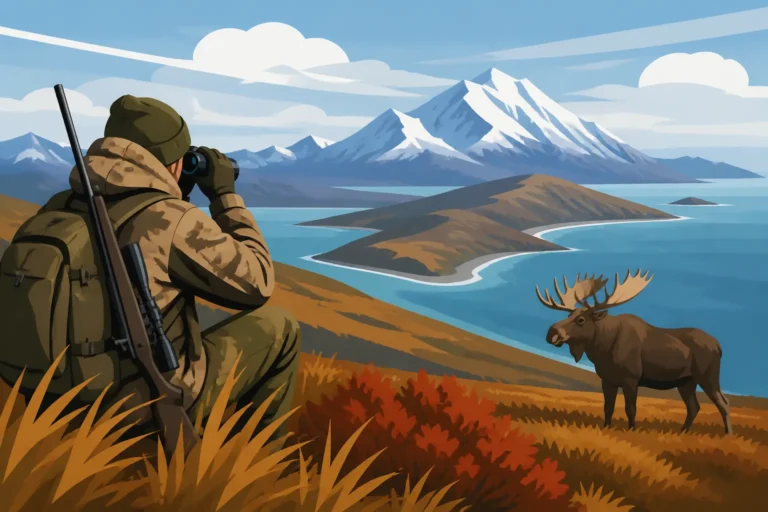
Another tactic, particularly in areas with old logging roads or clear-cuts, is to find a vantage point and glass, then plan a stalk. While open glassing is rare, small clearings or higher elevations can offer limited views. Patience is a virtue here. If you're hunting along beaches, especially at low tide, approaching quietly by skiff or kayak and then slipping ashore to stalk the tide line can yield results. For general knowledge about Deer Drives Versus Still Hunting in Southeast Alaska Timber, it's worth noting that smaller, quieter drives are sometimes used, but the primary method remains still-hunting.
Essential Gear and Planning for Island Deer Hunts
A successful deer hunt in the Petersburg and Wrangell area hinges heavily on proper preparation and bringing the right gear. The environment is demanding, and being unprepared can quickly turn an adventure into a dangerous situation.
Clothing and Rain Gear
This is Southeast Alaska, which means rain. Lots of it. And when it’s not raining, it’s often damp and misty. Investing in high-quality, durable rain gear is non-negotiable. We’re talking about a full rain suit – jacket, pants, and often gaiters – that can withstand hours of steady drizzle and keep you dry. Layering is also crucial: a good base layer to wick moisture, an insulating mid-layer (fleece or synthetic puffy), and then your bomb-proof rain shell. Cotton is your enemy in this environment; it holds moisture and loses its insulating properties when wet, leading to hypothermia. Think about what will keep you warm even when it's raining, and consider durable options that can stand up to thick brush and rough handling. When planning your layers, check out Rain Gear Guides Actually Recommend.
Footwear is equally important. Waterproof boots are a must, ideally tall rubber boots or sturdy hiking boots treated with waterproofing. You'll be crossing streams, wading through muskeg, and dealing with perpetual dampness. Even with the best gear, expect to get wet. The goal is to minimize its impact and stay warm.
Navigation and Communication
As mentioned earlier, reliable navigation is paramount. A good GPS unit, or a robust mapping app on your phone with downloaded offline maps (like those offered by onX Hunt), is indispensable. These tools help you track your location, mark game sign, navigate back to your boat, and avoid trespassing on private or closed lands. Always carry a physical map and compass as a backup, and know how to use them. Electronics can fail, especially in wet conditions, so don't rely solely on batteries.
For communication, cell service is spotty to nonexistent outside of the towns. A satellite communication device (like a Garmin inReach or Zoleo) is a smart investment, allowing you to send messages, check in with contacts, and call for help in an emergency. VHF marine radios are also critical for boat-to-boat communication and listening to weather forecasts. Never venture into these remote waters without a solid communication plan. Having a robust InReach Check-In Schedules for Solo Alaska Hunts in place, even if you’re not alone, is a sign of a responsible hunter.
Field Dressing, Meat Care, and Bear Safety
Once you’ve harvested a deer, the work truly begins. With the dense cover and often wet conditions, field dressing can be challenging. Carry a sharp knife, a small bone saw, and game bags that are durable and breathable. Game Bags That Breathe in Coastal Rain are particularly important to allow air circulation and help cool the meat, even in humid conditions. Getting the meat cooled quickly is vital to prevent spoilage, especially if temperatures are mild. If you're on a multi-day trip, consider how you'll keep the meat cool until you can get it back to town for processing.
Bear safety is another critical consideration in Southeast Alaska. Both black bears and brown bears inhabit these islands. While black bears are more common, brown bears are present and can be dangerous, particularly if they are surprised or protecting a food source. Always carry bear spray and know how to use it. A powerful firearm can also offer peace of mind, but bear spray is often recommended for close-quarters deterrent. Make noise as you move through the thick brush, especially in areas with fresh bear sign, to avoid surprising an animal. Be especially vigilant around a kill site, and consider hanging meat out of reach of bears if you plan to leave it for any length of time.
Disclaimer
This article is for general informational purposes only and does not constitute professional advice. Laws, prices and regulations vary by location and change over time. Consult a qualified professional for guidance on your specific situation.