Permits Required on the Yukon Delta Refuge
Hunting on federal lands in Alaska can feel like navigating a maze, especially when you're looking at vast, remote areas like the Yukon Delta National Wildlife Refuge. It's not uncommon for hunters to be scratching their heads, wondering exactly which permits they need on top of their standard state hunting license and tags. This guide is here to untangle that confusion, walking you through the specific permit requirements, the critical differences between state and federal rules, and how to properly prepare for a hunt in this unique and challenging landscape.
Understanding the Yukon Delta National Wildlife Refuge
The Yukon Delta National Wildlife Refuge is unlike almost any other hunting area in the United States. Sprawling across an immense landscape of tundra, wetlands, and winding rivers, it's a place of incredible natural beauty and profound cultural significance for the Yup'ik and Cup'ik peoples who call it home. Understanding its character is the first step to understanding its hunting regulations.
A Vast and Unique Landscape
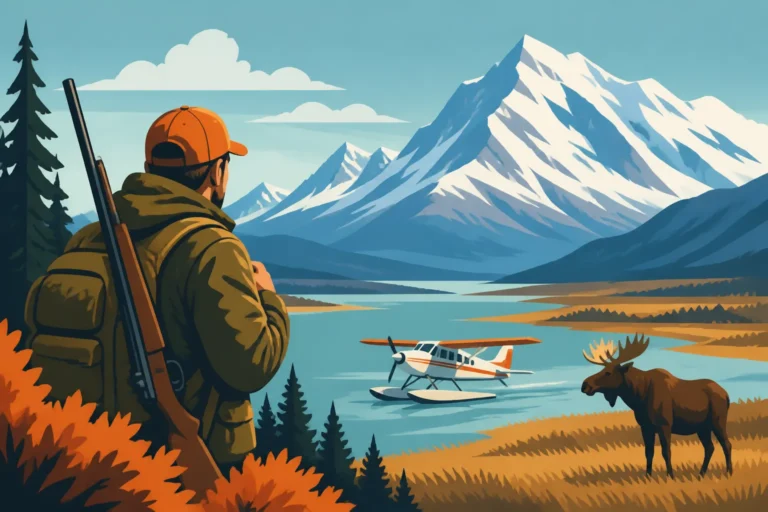
Imagine an area roughly the size of West Virginia, mostly roadless, defined by the deltas of two of North America's greatest rivers – the Yukon and the Kuskokwim. This isn't your typical national park with marked trails and visitor centers; it's a wild, dynamic ecosystem where the elements dictate everything. Hunters venturing here face immense logistical challenges, from unpredictable weather to navigating vast, featureless stretches of tundra. The sheer scale means that while game might be abundant, finding and accessing it requires a significant investment in time, resources, and self-reliance. It's truly a place where you are on your own, surrounded by an abundance of waterfowl, caribou, moose, and bear.
The refuge was established not only for its critical wildlife habitat, especially for migratory birds, but also to protect the subsistence way of life for its residents. This dual mandate profoundly shapes how hunting is managed and permitted within its boundaries. It means that while it's a federal refuge, it operates with a deep respect for the traditional practices that have sustained local communities for millennia.
The Dual Management System: State vs. Federal
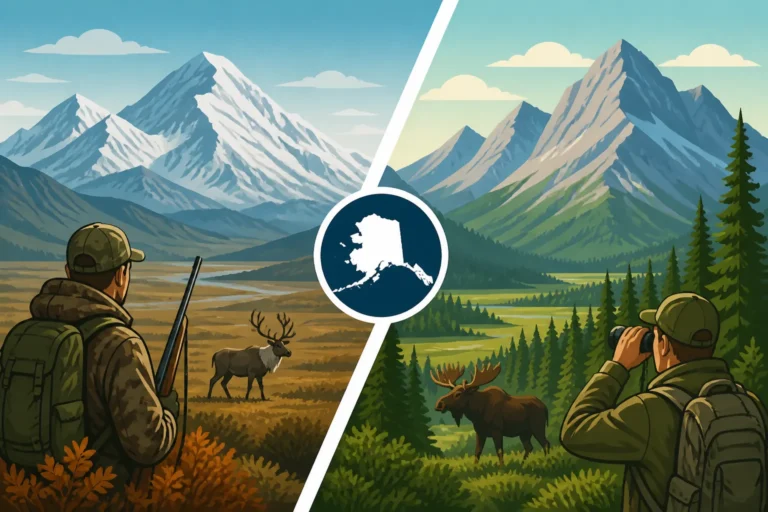
One of the most significant sources of confusion for hunters in Alaska, particularly on federal lands like the Yukon Delta Refuge, is the overlap and sometimes divergence of state and federal regulations. Essentially, Alaska operates under a dual management system, where both the State of Alaska and the federal government have jurisdiction over fish and wildlife resources. On federal lands like national wildlife refuges, national parks (where hunting is allowed in preserves), and national forests, the federal government often retains primary authority over subsistence uses.
For general season hunts, non-local residents typically follow state regulations. However, for those qualifying as rural residents under federal guidelines, a separate set of federal subsistence regulations often applies, which can include different season dates, bag limits, and methods of harvest. This creates a complex regulatory environment that requires diligent research. You might hold an Alaska state hunting license and tags, but if you're pursuing certain species within the refuge under federal subsistence rules, you'll need specific federal permits on top of that. This interplay is absolutely critical to grasp before planning any hunt.
Navigating Permit Requirements for Yukon Delta Hunts
Successfully hunting on the Yukon Delta Refuge requires meticulous attention to permits. It's not just about getting your state license; you'll often need to layer federal permits on top, especially for subsistence opportunities. Missing a single requirement can turn a once-in-a-lifetime hunt into a legal nightmare.
State Hunting Licenses and Tags
Regardless of where you hunt in Alaska, or what species you pursue, your journey always begins with an Alaska state hunting license. This is the foundational requirement for any hunter, resident or nonresident, planning to harvest game in the state. Beyond the general license, specific species you intend to hunt will require additional tags or harvest tickets. For example, if you're after moose or caribou, you'll need the appropriate Alaska Big Game Locking Tags and What Each Costs. If black bear or wolf is on your list, you might need a harvest ticket, which is typically free but still mandatory to possess and report on. Alaska Harvest Tickets, Registration Permits and Draw Permits outlines these differences.
These state requirements apply even if you are hunting within the Yukon Delta Refuge. Think of it as your base level of permission to hunt in Alaska. Whether you're targeting waterfowl, a bull moose, or a black bear, you must ensure your state license is valid for the current regulatory year and that you have purchased or obtained any necessary species-specific tags or permits. Always double-check the Alaska Department of Fish and Game regulations booklet for the most up-to-date information on state seasons, bag limits, and specific requirements for the game management unit that covers your target area within the refuge.
Federal Subsistence Permits
This is where hunting on the Yukon Delta Refuge becomes distinctly different from many other areas. The federal government, through the Federal Subsistence Board, manages subsistence hunting on federal lands in Alaska, including the Yukon Delta National Wildlife Refuge. These permits are specifically designed to prioritize hunting for "rural residents" of Alaska, defined by federal regulations, who depend on wild resources for food, clothing, and other necessities.
If you qualify as a rural resident and wish to participate in a federal subsistence hunt for species like caribou, moose, or specific waterfowl (many waterfowl species are managed under federal frameworks, but general seasons typically follow state/federal migratory bird regulations), you will almost certainly need a specific federal subsistence permit. These permits often come with unique hunt numbers, specific season dates that can differ significantly from state general seasons, and distinct bag limits. The application process for federal permits typically involves contacting the local U.S. Fish and Wildlife Service office or applying through the Federal Subsistence Management website. Deadlines are critical and often occur well in advance of the hunting season. Understanding Federal Subsistence Hunting on Alaska Public Lands and Rural Residency and Federal Subsistence Eligibility in Alaska is paramount if you intend to pursue game under these rules. These permits are not "draw" permits in the same way some state hunts are; rather, they are typically issued based on established eligibility criteria and quotas for federal subsistence users.
Special Use Permits and Other Considerations
Beyond the standard hunting licenses and species-specific tags, there might be other types of permits or authorizations required depending on your activities within the Yukon Delta Refuge. For example, if you plan to engage in commercial activities, such as guiding (even if you're a federally permitted guide), or if you're conducting scientific research, you would need a special use permit from the U.S. Fish and Wildlife Service.
While most recreational hunters won't need these, it's always wise to inquire if your planned activities venture beyond basic hunting and camping. Additionally, there might be restrictions on certain types of access or equipment that could require special permission or adherence to specific federal regulations. For instance, specific areas might have seasonal closures to protect nesting birds or caribou calving grounds, or restrictions on motorized vehicle use. Always consult the specific refuge regulations in addition to state hunting regulations to ensure you're fully compliant with all rules governing your presence and activities.
Planning Your Hunt on the Yukon Delta Refuge
Hunting the Yukon Delta Refuge is an expedition, not just a casual trip. It demands meticulous planning, in-depth research, and a profound respect for both the environment and the local cultures. This isn't a place you show up to on a whim; it's a commitment.
Essential Research and Preparation
The sheer remoteness and dynamic nature of the Yukon Delta mean that your planning must be incredibly thorough. First and foremost, you absolutely must obtain and pore over the current year's hunting regulations. This means both the Alaska Department of Fish and Game regulations booklet and the specific federal regulations for the Yukon Delta National Wildlife Refuge. These regulations are subject to change annually, so relying on outdated information is a recipe for trouble. Pay close attention to season dates, bag limits, legal methods of take, and any specific unit restrictions.
When it comes to understanding the landscape, mapping tools are your best friend. Services like onX Hunt are invaluable for discerning land status, identifying potential access points, and understanding terrain features. Since much of the refuge is flat and vast, traditional topographic maps can sometimes be less intuitive; satellite imagery on tools like onX Hunt can give you a much better sense of the actual ground conditions, water bodies, and vegetation patterns. Before you even think about flying in, you should be using these tools to identify potential camp locations, glassing knobs (if they exist), and likely game corridors. Remember to Downloading Offline Maps Before a Fly-In as cell service will be non-existent.
Transportation and Logistics
Accessing the Yukon Delta Refuge usually means utilizing air taxis or boats. There are no roads leading into the heart of this vast wilderness. Float planes or planes equipped with tundra tires are the lifelines for most hunters, dropping you off on a lake, river, or gravel bar. When booking a transporter, discuss your exact hunting plans, gear weight, and pickup schedule extensively. Weather delays are common and can strand you in the field for days, so always build extra days into your schedule and budget. For those considering flying to spot game, be acutely aware of Alaska's Same-Day-Airborne Rule and What It Bans, which strictly prohibits hunting the same day you've been airborne after spotting game.
Boats, particularly jet boats, are another common mode of transportation along the extensive river systems. If you plan to use a boat, be prepared for shallow water, strong currents, and floating debris. Logistics also include ensuring you have enough fuel, food, and emergency supplies for your entire trip, plus a buffer for unexpected delays. Self-sufficiency is paramount here; there are no quick resupply options. Before you head out, make sure you've communicated your check-in plan with a reliable contact back home, perhaps using a satellite communication device like an InReach.
Respecting the Land and Local Culture
Hunting on the Yukon Delta Refuge is not just about pursuing game; it's about being a respectful visitor in a living landscape that has sustained cultures for thousands of years. Always practice Leave No Trace principles, packing out everything you pack in, including all trash and waste. This pristine environment deserves our utmost care.
Furthermore, recognize that the refuge is home to numerous Alaska Native communities. Respect private lands (even unmarked ones, which is where a mapping app like onX Hunt becomes critical for identifying potential Native Corporation lands or allotments) and be mindful of local traditions and subsistence activities. Hunters are often drawn to Alaska for its wildness and the opportunity to experience a truly remote hunt. Part of that experience includes understanding and appreciating the deep connection local residents have to these lands. Educating yourself on the nuances of What Counts as a Rural Community in Alaska can foster a greater appreciation for the federal subsistence priority in this region.
Key Differences: State vs. Federal Regulations on the Yukon Delta
Understanding the distinction between state and federal regulations is perhaps the most critical aspect of hunting the Yukon Delta Refuge. Many hunters, especially nonresidents or those new to federal lands in Alaska, often overlook these nuances, leading to potential violations.
Who Has Priority?
The fundamental difference between state and federal hunting regulations on the Yukon Delta, and indeed on most federal lands in Alaska, revolves around priority of use. The federal subsistence law grants a priority for harvest to qualified "rural residents" of Alaska for subsistence uses on federal public lands. This means that for certain species or hunt areas within the refuge, federal subsistence seasons and quotas will often take precedence and are managed for the benefit of local, rural residents.
In contrast, state general seasons are open to all qualified hunters, residents and nonresidents alike, provided they hold the correct state licenses and tags. For example, a caribou herd might be managed with a specific federal subsistence quota and season for rural residents, while a separate (and potentially much smaller or later) state general season might exist for all other hunters. This distinction is vital: if you do not qualify as a federal rural resident, you cannot participate in federal subsistence hunts, even if you are an Alaska resident. Always confirm your eligibility and the specific regulations that apply to you before pursuing any game.
Different Season Dates and Bag Limits
This difference in priority often translates directly into varying season dates and bag limits. It's not uncommon for federal subsistence seasons for certain species, like caribou or moose, to open earlier or close later than the corresponding state general seasons in the same game management unit within the Yukon Delta Refuge. Federal seasons might also have more liberal bag limits or allow different methods of harvest, reflecting the subsistence needs of local communities.
For example, a federal subsistence permit might allow a rural resident to harvest a cow caribou in an area where the state general hunt is strictly bull-only. Similarly, the federal season for a particular species might open weeks before the state season, giving federal users a significant advantage. This divergence means that simply looking at the state regulations booklet is not enough for a hunt on the Yukon Delta Refuge. You must consult the specific federal subsistence hunting regulations for the refuge to understand all open seasons, bag limits, and any federal permit requirements applicable to your situation. Using resources like GoHunt can help you consolidate and compare these regulations, though always cross-reference with the official federal and state publications.
Reporting and Sealing
Both state and federal regulations come with strict reporting requirements. For any animal harvested under a state tag or harvest ticket, you are legally obligated to complete and submit a harvest report to the Alaska Department of Fish and Game by a specific deadline. Failure to do so can result in fines or loss of hunting privileges. You can find detailed information on these requirements in Alaska Harvest Report Deadline After the Hunt.
However, if you're hunting under a federal subsistence permit on the Yukon Delta Refuge, you will have additional reporting requirements specific to that federal permit. This means you might need to report your harvest to both the state and the U.S. Fish and Wildlife Service, sometimes with different forms or timelines. Furthermore, certain species, like brown bear and wolf, require mandatory sealing by an authorized Alaska Department of Fish and Game representative, even if harvested on federal land. Familiarize yourself with Alaska Sealing Requirements for Bear and Wolf Hides long before you head into the field. Keep all parts of the animal that are required for sealing, such as the skull and hide, in good condition until you can get them to the proper authorities. This dual reporting system underscores the importance of being fully informed about all regulations governing your hunt.
State vs. Federal Permit Generalizations for Yukon Delta
To help clarify the general distinctions, here's a simplified look at how state and federal permits often differ on the Yukon Delta Refuge. Remember, specific regulations change, so this is for illustrative purposes only, and you must check current rules.
| Feature | Alaska State General Hunting Permit | Federal Subsistence Permit (Yukon Delta) |
|---|---|---|
| Applicability | All eligible hunters (residents, nonresidents) | Qualified "rural residents" of Alaska only |
| Primary Purpose | Recreational, sustenance, management | Prioritize local traditional harvest for sustenance |
| License Required | State hunting license + species-specific tags (e.g., moose, caribou) | State hunting license + specific Federal Subsistence Permit (for certain species/hunts) |
| Season Dates | General seasons, generally open to all (may be later/shorter) | Often earlier, longer, or different dates (prioritizes rural users) |
| Bag Limits | Defined by state regulations (e.g., bull-only, specific antler rules) | Can be more liberal, or include cows/antlerless animals for subsistence |
| Reporting | Mandatory to Alaska Dept. Fish & Game | Mandatory to both Alaska Dept. Fish & Game (if state tag used) and USFWS |
| Access/Methods | General state regulations apply, sometimes limited on federal land | May allow specific traditional methods or access that differs from state |
| Eligibility Check | Age, hunter education (Alaska Hunter Education and Orientation Requirements) | Rural residency criteria, historical dependence on resources |
Hunting the Yukon Delta National Wildlife Refuge is an extraordinary opportunity to experience Alaska's wild heart. However, it's also a significant responsibility that demands diligence and respect for its unique regulatory framework. By thoroughly understanding and adhering to both state and federal permit requirements, and by approaching your hunt with preparation and cultural sensitivity, you can ensure a legal, ethical, and truly memorable adventure in this magnificent landscape.
Disclaimer
This article is for general informational purposes only and does not constitute professional advice. Laws, prices and regulations vary by location and change over time. Consult a qualified professional for guidance on your specific situation.