Getting Into Lake Clark National Preserve
Dreaming of a hunting adventure in Lake Clark National Preserve? You're picturing one of Alaska's truly wild, roadless landscapes, a place where majestic mountains meet the coast, and grizzlies roam free. But getting there isn't as simple as hopping in your truck. It involves meticulous planning, understanding unique access challenges, and coordinating with bush logistics. This guide is going to walk you through the practicalities of accessing Lake Clark, from the moment you start planning until you're on the ground, so you can transform that dream into a tangible, boots-on-the-ground reality.
Understanding Lake Clark's Unique Access Challenges
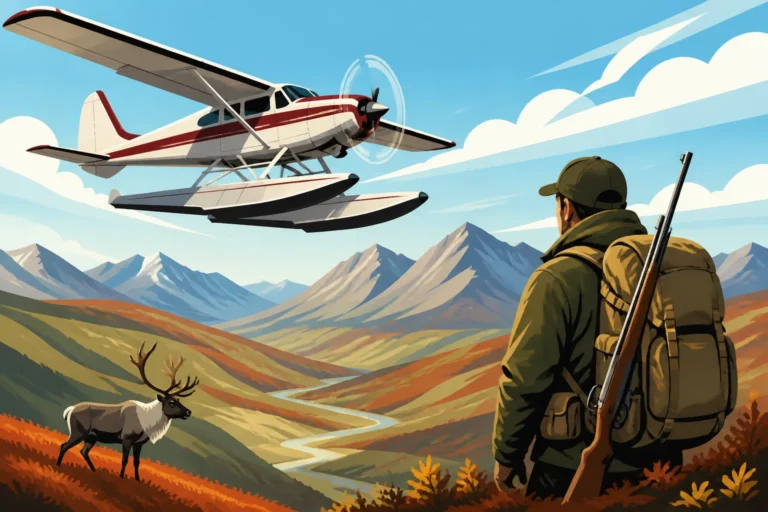
Lake Clark National Preserve and Park is a vast, formidable wilderness, largely untouched by human development. Unlike some other areas of Alaska where you might find a sparse road system or even ATV trails, Lake Clark offers no such luxury. This is truly the bush, and that means your approach has to be entirely airborne or waterborne, often both.
The Preserve Versus the Park: Why It Matters for Hunters
First things first, let's clarify a common point of confusion: Lake Clark National Park and Preserve isn't all open to hunting. The "National Park" designation usually means no hunting whatsoever, protecting wildlife for observation. However, the "National Preserve" designation is different; it allows for traditional activities like hunting, trapping, and fishing. This distinction is absolutely critical. When you're poring over maps, you'll see boundaries clearly marked between the Park and the Preserve. Make sure your intended hunting area falls squarely within the Preserve boundaries. Straying into the National Park can lead to severe penalties, so double-check your coordinates before you even think about setting up camp or pulling a trigger. You'll often find specific regulations that apply only within the Preserve, so always consult the latest Alaska hunting regulations booklet and the National Park Service's specific rules for Lake Clark.
The Reality of Roadless Access
When we say "roadless," we mean it. There are no highways leading to Lake Clark, no gravel roads to drive in on, and certainly no paved access. This fundamental truth shapes every aspect of a hunting trip here. It means your entry and exit are entirely dependent on aircraft or boats, which introduces a whole new layer of planning, cost, and vulnerability to weather. Hunters often underestimate the logistical complexities until they're deep into the planning process. You can't just drive out if the weather turns or if you forget a critical piece of gear. This remoteness also means that help, if needed, is hours away at best, underscoring the need for thorough preparation and self-sufficiency. This is wilderness hunting at its purest, demanding respect and careful forethought.
Primary Modes of Transportation to Lake Clark
Since the preserve is entirely off the road system, getting in and out relies on specialized bush transportation. Your choice will largely depend on your exact destination, the species you're pursuing, and your budget.
Air Taxi Services: Floatplanes and Wheel Planes
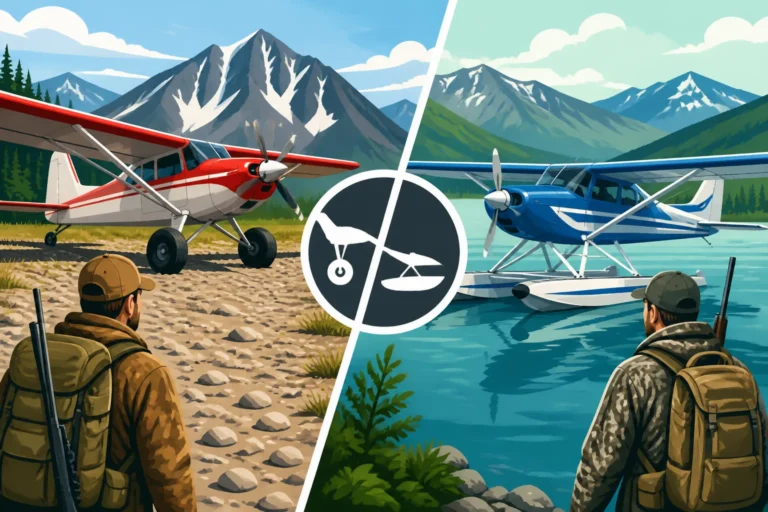
Air taxis are the lifeblood of remote Alaska hunting, and they will almost certainly be your primary mode of access to Lake Clark. When you're considering an air taxi, you're looking at two main types: floatplanes and wheel planes. Each has its advantages and limitations.
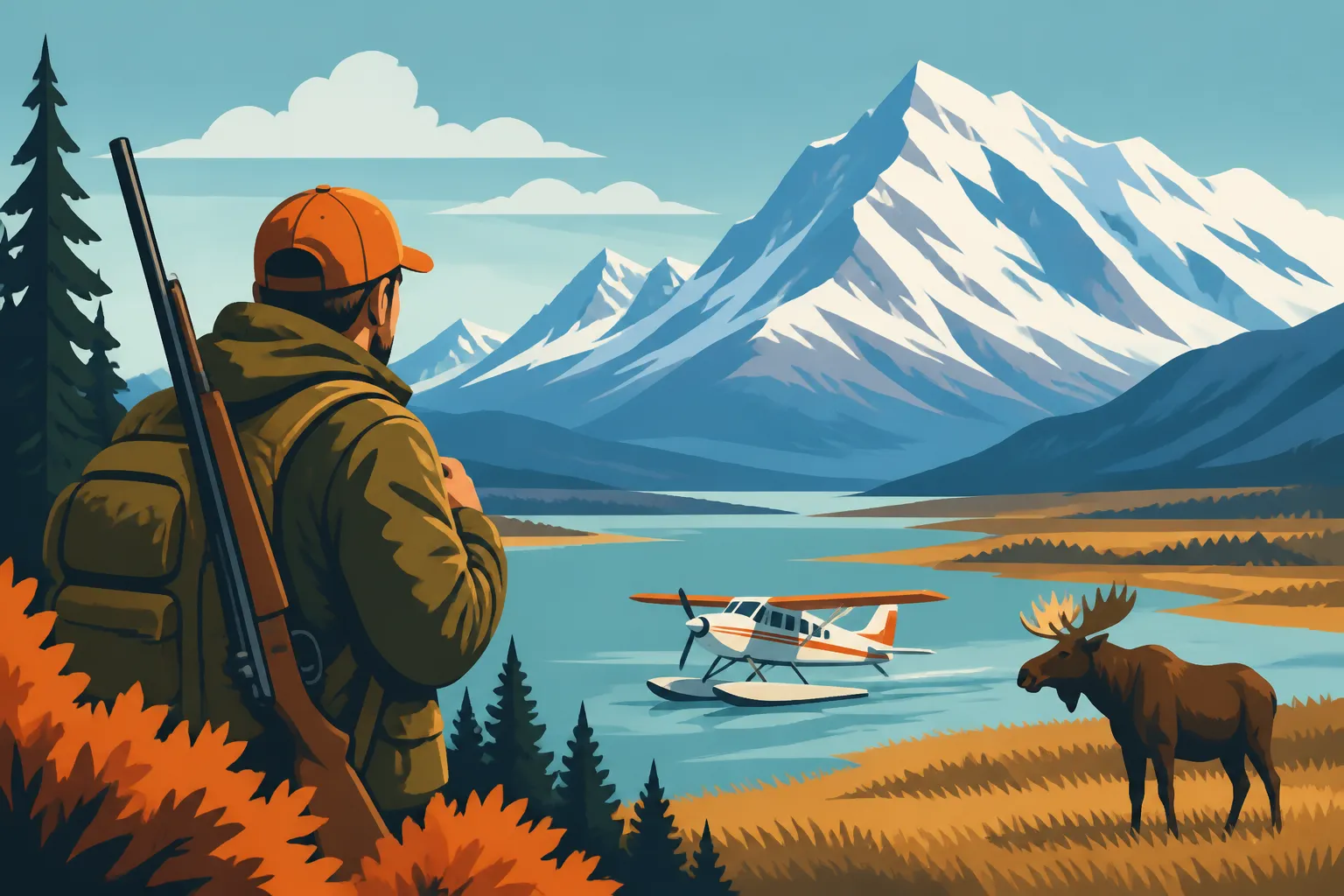
Floatplanes, like a De Havilland Beaver or Cessna 185 on floats, are fantastic for accessing the countless lakes and slow-moving rivers within the preserve. If your target species, like a moose, is found in willow flats near a lake, or if you're planning a base camp on the shore of one of the many pristine water bodies, a floatplane is often the best choice. They offer incredibly flexible landing options, allowing you to get dropped off exactly where you need to be. However, floatplanes are highly susceptible to wind and rough water, which can cause significant delays. A windy day can mean you're stuck in camp, or your pickup is pushed back.
Wheel planes, typically Super Cubs or larger short-takeoff-and-landing (STOL) aircraft, need a solid, relatively flat landing strip. These are often gravel bars, tundra strips, or occasionally pre-existing, primitive airstrips that may have been used historically. If your hunting area is away from major lakes, perhaps higher up in the mountains for Dall sheep, or in an area with numerous suitable gravel bars, a wheel plane might be more appropriate. They're generally less affected by wind than floatplanes, but still subject to fog and low ceilings. The challenge with wheel planes is finding a suitable landing strip close to your desired hunting grounds. This is where detailed scouting and communication with your air taxi pilot become paramount. They'll know the reliable spots and whether current conditions make a particular strip viable. You'll want to review your options with your pilot well in advance, perhaps looking at satellite imagery together. Fly-In Hunting: Working With an Alaska Transporter Pilot goes into more detail about working with these professionals.
| Feature | Floatplane (e.g., Beaver, Cessna 185 on floats) | Wheel Plane (e.g., Super Cub, Cessna 206) |
|---|---|---|
| Landing Surface | Lakes, slow-moving rivers, calm coastal waters | Gravel bars, tundra strips, primitive airstrips |
| Accessibility | High flexibility to water bodies | Limited to suitable flat ground, can be harder to find perfect spot |
| Weather Impact | Highly affected by wind, wave height, fog | Less affected by wind, but still by fog, low clouds, soft ground |
| Capacity | Often good for 2-3 hunters plus gear and meat (varies) | Super Cubs smaller (1-2 hunters), larger planes carry more (2-4 hunters) |
| Cost Factors | Can be similar to wheel planes, potentially more for specialized floats | Varies by aircraft type and distance, often chartered by the hour |
| Best For | Lake-rich areas, river floats, coastal access, base camps | Mountain hunts, tundra access, areas without large bodies of water |
Boat Access from Coastal Communities
While less common for deep interior hunts within Lake Clark, boat access can be a viable option for hunters targeting the preserve's coastal areas, particularly for brown bear or Sitka blacktail deer in some units that extend to salt water. Communities like Port Alsworth (which is on Lake Clark, but still requires a flight to get there), or coastal towns outside the preserve can serve as jumping-off points. You might charter a boat from a village like Iliamna or Port Alsworth to cross Lake Clark itself, or even come from coastal areas further south.
However, this still often involves an initial flight to get to these remote villages, and then a charter boat from there. This adds layers of logistics and cost. For example, getting dropped by a floatplane on a remote lake that then drains into a river you plan to float hunt could involve a boat on the river. It's a niche option and usually combined with air transport, rather than being the sole means of access for most big game hunters heading into the core of the preserve. For the vast majority of hunters seeking moose, caribou, or grizzlies deep in the preserve, air taxis are the definitive answer.
Navigating Within the Preserve and Planning Your Route
Once your air taxi drops you off, you're on your own in some serious wilderness. Effective navigation and route planning are critical for both success and safety. The terrain can be unforgiving, weather can change in an instant, and landmarks might look different from ground level than they did on satellite photos.
Essential Mapping and GPS Tools
Forget about cell service in Lake Clark; it simply doesn't exist. Your reliance will be entirely on traditional mapping, modern GPS units, and digital mapping apps with offline capabilities. A good, laminated topographic map (or several) is your first line of defense. Know how to read contour lines, identify drainages, and use a compass. Batteries die, electronics fail, so a physical map and compass are non-negotiable backups.
For primary navigation, a robust GPS unit, like a Garmin inReach or a similar device, is absolutely essential. These units not only provide accurate positioning but also offer satellite communication capabilities, which are crucial for check-ins and emergencies. You can preload detailed topo maps onto them, mark waypoints for your camp, kill site, water sources, and pickup location.
Beyond dedicated GPS units, apps like onX Hunt are game-changers for planning and on-the-ground navigation. Before you leave home, you can download entire areas for offline use. This means you have detailed satellite imagery, topographic maps, and crucially, land ownership data right on your phone or tablet, even without a signal. You can mark your intended route, potential glassing knobs, and animal sign locations. Knowing precisely where the Preserve boundaries are with onX Hunt can prevent accidental incursions into the National Park, saving you from serious trouble. This feature is particularly helpful in areas where the federal and state land designations get tricky. Downloading Offline Maps Before a Fly-In is a good read if you're new to this.
Understanding Land Status and Designated Hunting Areas
As we touched on earlier, Lake Clark National Preserve allows hunting, but it's vital to know precisely where you stand. Federal land designations can be complex in Alaska, with National Park Service, Bureau of Land Management, and even Native Corporation lands sometimes adjacent or interspersed. While the Preserve is largely federal land managed by the NPS, there might be state or Native corporation lands bordering it. onX Hunt is invaluable for clearly displaying these land boundaries. You don't want to find yourself on private Native corporation land without permission, or in the National Park where hunting is prohibited.
Alaska is divided into Game Management Units (GMUs), and Lake Clark National Preserve falls within GMU 19 and GMU 16, with some overlap into Unit 9 (Alaska Peninsula) for its coastal sections. Each GMU, and sometimes specific subunits within them, will have its own set of regulations, season dates, and bag limits for different species. It's not enough to know you're in Lake Clark; you need to know your specific GMU and what the rules are there for the species you intend to hunt. Consult the Alaska Department of Fish and Game regulations for your specific unit. Understanding Alaska Game Management Units and How They Are Numbered will help you decipher the maps and regulations.
Permits, Regulations, and Essential Planning for Your Hunt
A successful and legal hunt in Lake Clark isn't just about getting there; it's about meticulously adhering to regulations and preparing for every eventuality this wild country might throw at you.
State Hunting Licenses and Permits
Before you even think about stepping foot in Lake Clark with a rifle, you need to ensure all your state-level paperwork is in order. This starts with a valid Alaska hunting license. Non-residents will also need to purchase locking tags for specific big game species like moose, caribou, and brown bear. For certain species or areas within the preserve, a drawing permit or registration permit might be required. For instance, specific brown bear hunts might be draw-only, or a moose hunt might require a harvest ticket.
It's absolutely critical to review the current Alaska hunting regulations months in advance of your trip. These regulations are updated annually, and ignorance is no excuse. Pay close attention to season dates, bag limits, antler or horn restrictions, and any specific requirements for sealing hides or skulls. Missing a detail could turn your dream hunt into a legal nightmare. Websites like GoHunt can be helpful resources for researching draw odds, unit statistics, and sometimes even a summary of regulations for particular species in specific GMUs, though you should always cross-reference with official ADF&G sources.
Specific Preserve Regulations
Beyond the general state hunting regulations, Lake Clark National Preserve has its own set of rules established by the National Park Service. These often pertain to camping, food storage (to prevent bear encounters), fire restrictions, and waste disposal. For example, certain areas might have specific rules about where you can set up a spike camp, or require bear-resistant food containers.
- Bear Safety: Lake Clark is prime brown bear country. Alaska Brown Bears on the Coast Versus Interior Grizzlies highlights the prevalence of these animals. You are a guest in their home, and respecting them is paramount. This means carrying bear spray, knowing how to use it, carrying a firearm capable of stopping a bear, and practicing diligent food storage. Never leave food or anything with an odor unattended.
- Leave No Trace: Practicing "Leave No Trace" principles is more than just a good idea; it's often a regulation in federal lands like Lake Clark. Pack out everything you pack in, including all trash and spent casings. Bury human waste properly away from water sources. Minimize your impact on the pristine environment.
- Permit Specifics: While state licenses cover the "hunting" aspect, sometimes the National Park Service might require a specific permit for extended stays in the backcountry or for certain activities within the preserve. Always check the Lake Clark National Park and Preserve website for their most current rules and any specific permits you might need beyond your state hunting license and tags.
Emergency Preparedness and Communication Plans
Hunting in remote Lake Clark means being completely self-reliant. If something goes wrong, you are your own first responder.
- Satellite Communication: A satellite communication device, such as a Garmin inReach or a Zoleo, is non-negotiable. This allows you to send and receive text messages even without cell service, check in with family or your air taxi pilot, and, most importantly, send an SOS signal in a true emergency. Establishing a regular check-in schedule with a trusted contact back home is a critical safety measure. Signal Devices and Check-In Plans for Solo Alaska Hunts offers great insights.
- First Aid and Survival Gear: A comprehensive first aid kit is essential. Know how to use it. Beyond that, carry basic survival gear: fire starter, emergency shelter, extra layers of clothing, and enough extra food for several unexpected days in the field. Weather delays are common in Alaska, and you might be stuck waiting for your pickup for longer than anticipated. Building Extra Days Into a Fly-In Schedule is wise advice for any fly-in hunt.
- Weapon and Ammunition: Ensure your rifle or bow is sighted in and suitable for the game you are pursuing, and that you carry adequate ammunition. Bear safety often means having a reliable sidearm or a potent rifle with you at all times, especially around a kill site.
Working with Transporters and Guides
For many non-resident hunters, the logistics of a Lake Clark hunt often involve hiring an air taxi (transporter) for drop-off and pickup. For some species, like brown bear or Dall sheep, non-residents are legally required to be accompanied by a licensed Alaska guide, or a resident relative within the second degree of kindred. If you're pursuing one of these species, you'll need to factor in the cost and logistics of hiring a registered guide. Hunting Katmai and Lake Clark Preserve Hunting specifically discusses some of the guide considerations for these areas. Even if a guide isn't legally required, some hunters opt for a guided experience due to the extreme remoteness and the complexities of hunting such challenging terrain.
Disclaimer
This article is for general informational purposes only and does not constitute professional advice. Laws, prices and regulations vary by location and change over time. Consult a qualified professional for guidance on your specific situation.