Wrangell-St. Elias Preserve Hunting Areas
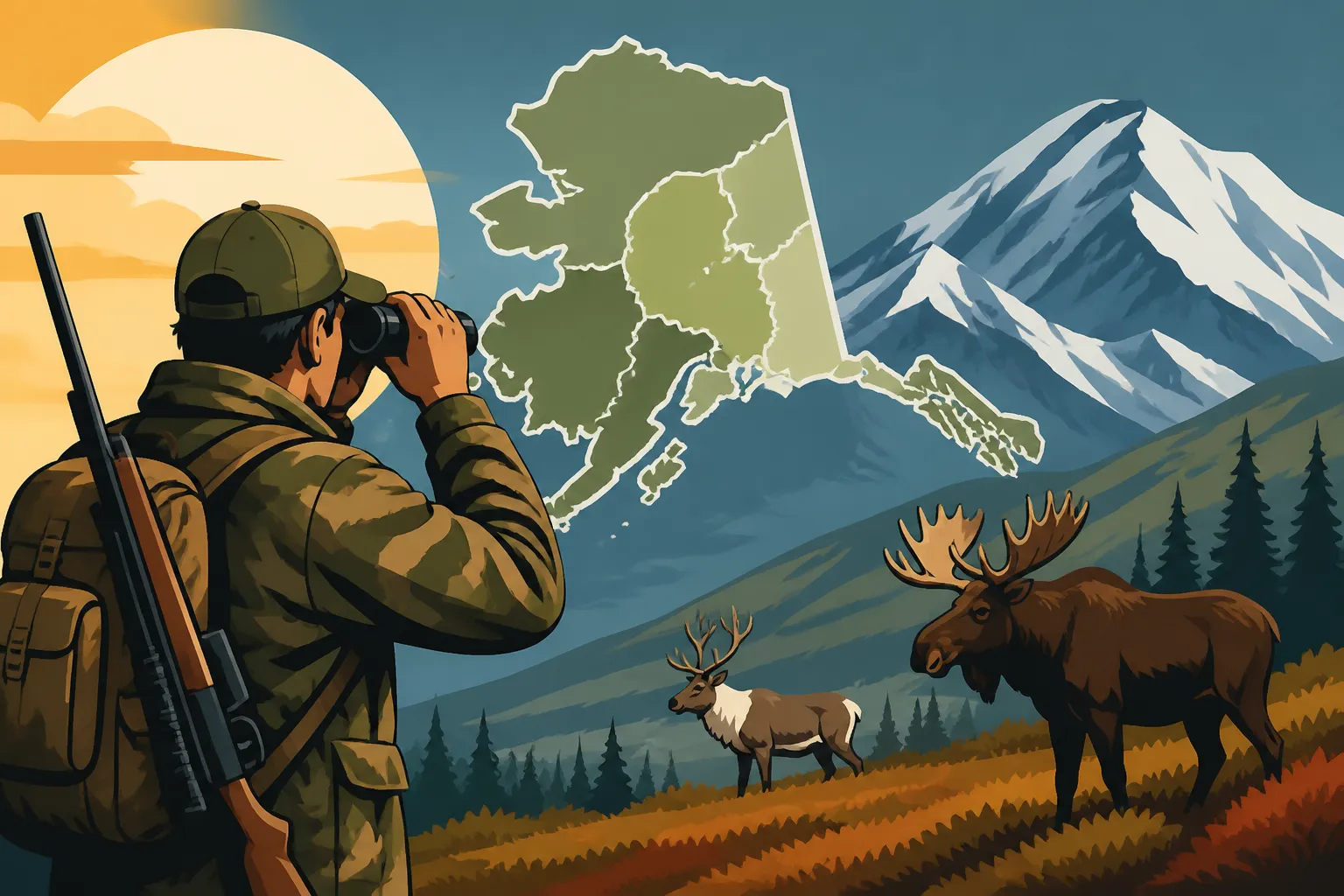
Many hunters gaze at a map of Alaska, eyes widening at the sheer scale of Wrangell-St. Elias, an area larger than Switzerland, only to feel a pang of confusion: can you even hunt in a National Park? The truth is, while national parks usually mean no hunting, Wrangell-St. Elias is a unique beast, encompassing both park and preserve lands. This guide will meticulously walk you through the specifics of hunting within the Wrangell-St. Elias National Preserve, clarifying access, species, and crucial regulations to ensure your adventure is both successful and legal.
Navigating the Legal Landscape: Park Versus Preserve
The biggest hurdle for many dreaming of a Wrangell-St. Elias hunt is understanding the nuanced difference between the National Park and the National Preserve. It’s a distinction that quite literally defines where you can legally carry a firearm and pursue game. Ignoring this crucial detail can turn an epic adventure into a nightmare of fines and confiscations.
The No-Hunting Zone: Wrangell-St. Elias National Park
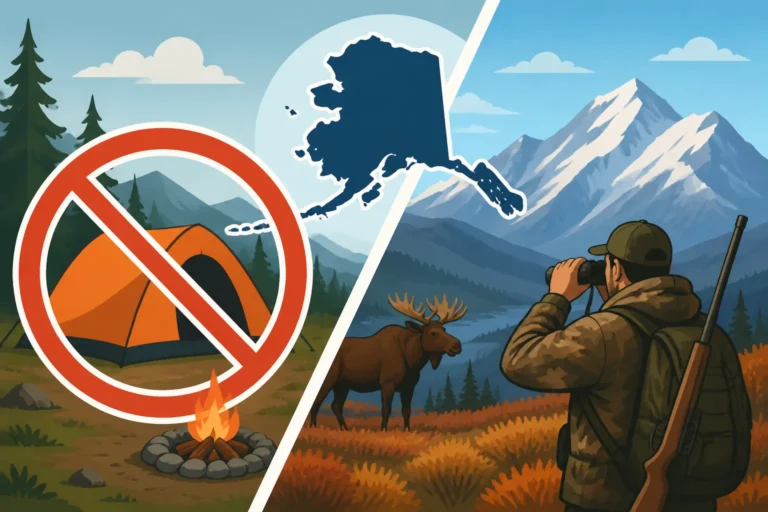
When we talk about a "National Park" in the Lower 48, the general understanding is that recreational hunting is strictly prohibited. This holds true for the National Park portions of Wrangell-St. Elias. These lands are managed primarily for preservation, wildlife viewing, and ecological integrity. While you can hike, camp, and explore the breathtaking landscapes, you cannot engage in sport hunting. This means no rifles, no bows, and no pursuit of game animals. For federal lands that are designated National Parks, the primary mandate is to leave nature unimpaired for future generations, and that includes protecting wildlife from sport harvest.
Imagine spending weeks planning a remote trip, only to discover too late that your chosen area falls within the park boundaries. All that effort, all that dreaming, dissolved because of a misunderstanding of land status. It's a common, heartbreaking scenario that responsible hunters absolutely need to avoid by thoroughly researching their specific hunt unit and understanding the precise boundaries.
Your Hunting Arena: Wrangell-St. Elias National Preserve
Fortunately for hunters, a significant portion of Wrangell-St. Elias is designated as a National Preserve. These federal lands are managed for a broader range of uses, explicitly allowing sport hunting, trapping, and even subsistence activities for qualified users, alongside other recreational pursuits. This is where your Alaska hunting dreams can become a reality within this incredible wilderness.
National Preserves were established to protect specific natural and cultural resources, much like parks, but with the added allowance for traditional resource-extractive activities like hunting. It’s a recognition of the deeply ingrained hunting culture in places like Alaska. So, when you hear about someone hunting moose or sheep in Wrangell-St. Elias, they are almost certainly referring to the Preserve lands. Understanding this difference is step one in planning any legal hunt here. These preserves offer vast, untamed hunting opportunities, but they come with unique challenges and responsibilities due to their remote and wild nature.
Pinpointing Boundaries for Legal Hunting
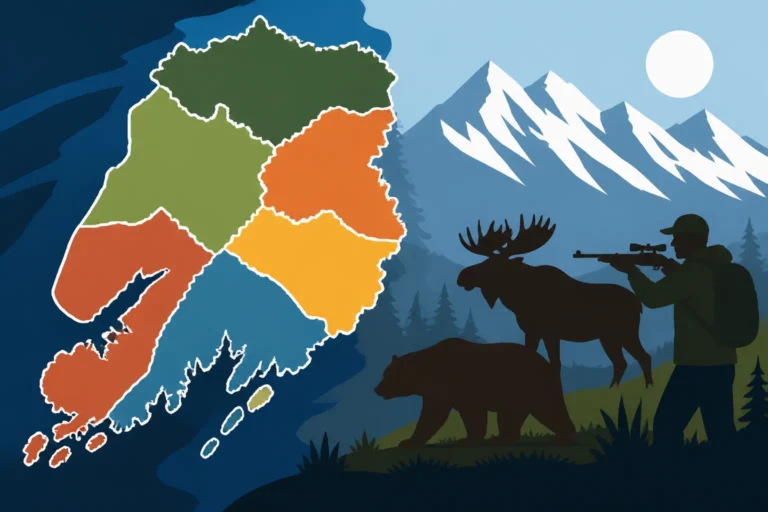
Given the complex patchwork of park and preserve lands, alongside state and sometimes even Native Corporation lands, accurately identifying your location is paramount. You simply cannot rely on a vague sense of direction or outdated paper maps alone. The consequences of straying into parkland with a firearm while hunting can be severe.
Modern tools are indispensable for this. A GPS unit loaded with detailed land status maps is a bare minimum. Better yet, mapping applications like onX Hunt have become invaluable for hunters, providing clear color-coded overlays that show federal, state, and private land ownership, including the critical distinction between National Park and National Preserve boundaries. Before you even set foot on the ground, or more likely, before your bush plane touches down, you should be meticulously studying these maps. Similarly, resources from GoHunt often include detailed breakdowns of hunt units and associated land statuses, helping you visualize your operational area. Always double-check with the Alaska Department of Fish and Game (ADF&G) regulations and the National Park Service (NPS) website for the most current boundary information and any specific area closures, as these can change.
| Feature | Wrangell-St. Elias National Park | Wrangell-St. Elias National Preserve |
|---|---|---|
| Primary Purpose | Resource preservation | Resource preservation & traditional uses |
| Hunting | Prohibited | Permitted |
| Firearms | Generally restricted for hunting | Permitted for hunting and self-defense |
| Trapping | Prohibited | Permitted |
| Activities Allowed | Hiking, camping, wildlife viewing | Hunting, trapping, hiking, camping, etc. |
| Federal Agency | National Park Service | National Park Service |
Accessing the Remote Hunting Grounds
Wrangell-St. Elias is not just vast; it's rugged, remote, and largely roadless. This means getting into hunting country is an adventure in itself, often requiring specialized logistics and a significant investment in time, gear, and transportation. Unlike road-system hunts in other parts of Alaska, truly delving into the Preserve demands a different approach.
The Dominance of Air Travel: Bush Planes and Air Taxis
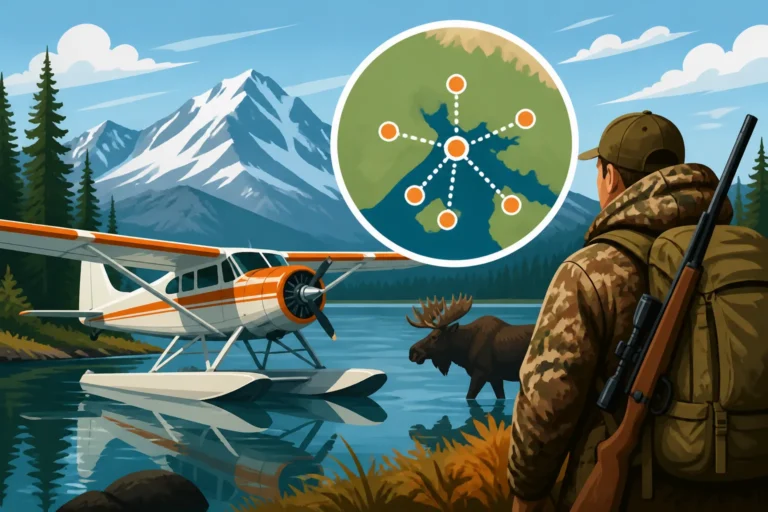
For most serious hunters, a bush plane is the lifeline into the heart of Wrangell-St. Elias National Preserve. These small aircraft, piloted by seasoned Alaska air taxi operators, are capable of landing on primitive gravel bars, tundra strips, or even lakes and rivers with floats. They offer the fastest and often the only practical way to reach the most productive and least pressured hunting grounds deep within the preserve. Working with a reputable air taxi service is absolutely crucial; they know the terrain, the weather, and the regulations.
Planning a fly-in hunt involves meticulous coordination, often weeks or months in advance. You'll need to discuss weight limits, fuel caches, and potential landing zones, understanding that weather can easily delay drop-offs and pickups. Many successful hunts here hinge on a reliable pilot and flexible schedule. Experienced hunters often consult with their air taxi service regarding suitable landing spots, which can range from Gravel Bar Landings for Wheel Planes in Alaska to Float Plane Lakes in Interior Alaska depending on the terrain and target species. Remember, the journey to your hunting spot is part of the overall Alaska experience, and it underscores the true wilderness you're about to immerse yourself in. This deep reliance on air support highlights the importance of understanding the rules, like Fly-In Hunting: Working With an Alaska Transporter Pilot.
Limited Road and River Entry Points
While the vast majority of the Preserve is accessed by air, there are a few very limited road systems that touch its periphery, offering a different, albeit more constrained, access experience. The McCarthy Road, a gravel track leading to the historic town of McCarthy and Kennicott, provides some foot access into adjacent areas. Similarly, the Nabesna Road, which branches off the Glenn Highway, offers access to a different sector of the preserve on its eastern side. These roads primarily serve as jumping-off points for backpackers or those targeting game closer to the road corridor, but they do not penetrate deep into the core wilderness.
Beyond roads, major river systems like the Copper and Chitina Rivers, which flow through or along the preserve's boundaries, can offer boat-based access. However, navigating these powerful glacial rivers requires specialized equipment and expertise. Jet boats can push upstream, and float trips downstream can be an option, but again, these methods are often limited in how far they can take you into the true preserve wilderness compared to a bush plane. These options provide limited Road-System Hunting in Alaska Off the Glenn and Richardson or Copper River Access and Charter Boats opportunities, but generally won't get you into the most remote sheep or interior brown bear country.
Self-Propelled Exploration: Backpacking and Packrafting
For the truly adventurous and physically capable hunter, backpacking and packrafting are viable methods to explore the Wrangell-St. Elias Preserve. Even after a fly-in drop, extensive backpacking is often necessary to reach prime hunting areas, especially for species like Dall sheep or mountain goats that inhabit the highest elevations. This involves carrying all your gear, food, and eventually, meat, on your back across incredibly challenging terrain. Backpack Hunting in Alaska: Gear Weight and Meat Loads becomes a critical consideration, where every ounce counts.
Packrafting combines lightweight inflatable rafts with backpacking, allowing hunters to traverse rivers and lakes that would otherwise be impassable. This method opens up new possibilities for navigating drainages and accessing areas that are difficult to reach solely on foot. Imagine floating down a pristine river after a successful hunt, your raft loaded with game meat, an experience that truly embodies the spirit of wilderness hunting. While incredibly rewarding, packrafting demands specific skills in river navigation and gear management. Understanding concepts like Packrafting Into a Roadless Alaska Drainage can make the difference between a successful hunt and a precarious situation. Both methods demand peak physical condition, extensive wilderness experience, and meticulous planning for safety, logistics, and bear encounters.
Big Game Species and What to Expect
The Wrangell-St. Elias National Preserve holds a diverse array of Alaska's iconic big game species. The types of animals you can hunt, and where you'll find them, are directly tied to the varied habitats found within this immense landscape, from towering peaks to broad river valleys and extensive tundra flats.
Majestic Dall Sheep in the Alpine
The high, rugged mountains within Wrangell-St. Elias, particularly in the northern and western reaches, are prime habitat for Dall sheep. These magnificent white wild sheep thrive on the steep, rocky slopes and alpine meadows above timberline. Hunting Dall sheep here is an immensely challenging and physically demanding pursuit, often considered the pinnacle of Alaska big game hunting. It involves extensive glassing, long arduous climbs at high elevations, and the ability to operate effectively in extremely remote and exposed conditions.
Hunters often spend days glassing mountainsides, searching for legal rams. The preserve's vastness means sheep populations can be dispersed, requiring patience and keen observational skills. Successful sheep hunts in Wrangell-St. Elias are a testament to physical endurance, mental fortitude, and precise marksmanship. Understanding the sheep's behavior, their preferred escape routes, and how to approach them stealthily in open country is crucial. Before you even think about pulling the trigger, you'll need to confidently judge a ram for legality, often from great distances, as detailed in guides like How to Judge a Full-Curl Ram in the Field. This area is truly one of the best for Dall Sheep in Alaska's Brooks and Alaska Ranges.
Moose and Caribou in the Lowlands and Tundra
While sheep dominate the high country, the lower valleys, river bottoms, and extensive tundra flats of the Preserve are home to moose and caribou. Moose, particularly the impressive Alaska-Yukon variety, favor the dense willow thickets and wetlands along major drainages. During the fall rut, the calls of a bull moose can echo through the landscape, drawing hunters into exhilarating close-quarters encounters. Hunting moose here often involves patience, calling tactics, and the ability to navigate dense cover. Alaska Moose: Where the Biggest Bulls Live can certainly be found in these fertile river bottoms.
Caribou, on the other hand, are migratory animals that traverse vast stretches of tundra and open country. While the preserve isn't known for the massive herd migrations seen elsewhere in Alaska, smaller resident herds or transient groups do utilize its expansive interior. Finding caribou often means covering a lot of ground, either on foot, with an ATV (where permitted), or by spotting them from elevated glassing points. Their erratic movements can make them a challenging, but rewarding, quarry. Knowing how to Field Judging a Legal Bull Under Alaska Antler Rules is essential, especially with these migratory animals. For a broader look, you can research Caribou Herds of Alaska and How They Move.
Encountering Bears: Brown and Black
Wrangell-St. Elias is undoubtedly bear country, home to both brown bears (grizzlies) and black bears. Brown bears are widely distributed throughout the preserve, from the alpine slopes down to the river valleys, especially where food sources like berries or salmon runs are present. They are apex predators, and hunters must always be bear aware, carrying appropriate deterrents and knowing how to react in an encounter. Hunting brown bears in the preserve offers a true wilderness experience, demanding careful stalking and often long-range shooting opportunities. Alaska Brown Bears on the Coast Versus Interior Grizzlies notes the distinctions, but these are all formidable animals.
Black bears are also present, though often less conspicuous than their brown bear cousins. They tend to favor timbered areas and brushy slopes, particularly in the lower elevations. Both species can be hunted, often as a secondary species on a primary hunt, but specific seasons and tag requirements apply. Bear hunting requires patience, keen observation, and an understanding of bear behavior. Regardless of whether you're actively hunting bears, it's paramount to practice strict Bear Safety While Butchering a Kill in Alaska and secure your camp from their curiosity. For a deeper dive, check out Alaska Black Bears in Spring and Fall.
Mountain Goats in the Rugged Chugach Peaks
In the southern portions of the Wrangell-St. Elias National Preserve, where the Chugach Mountains meet the preserve boundaries, mountain goats can be found. These incredibly hardy and agile animals inhabit the steepest, most precipitous cliff faces and high alpine terrain, often at even higher elevations than Dall sheep. Like sheep hunting, goat hunting is an intensely physical endeavor, requiring specialized gear, extreme caution, and excellent climbing ability.
The challenge of goat hunting isn't just the terrain; it's also the difficulty in distinguishing between billies (males) and nannies (females) at a distance. Harvesting a nannie, especially one with a kid, can have a detrimental impact on a localized herd, so careful identification is critical. Hunters planning a goat hunt in this area must be prepared for relentless vertical climbs, unpredictable weather, and potentially dangerous rockfall. This is truly the realm of the adventurous, as highlighted in Alaska Mountain Goats in Coastal Cliff Country.
Essential Planning and Regulatory Compliance
Embarking on a hunt in Wrangell-St. Elias National Preserve isn't a spur-of-the-moment decision. It requires meticulous planning, a thorough understanding of regulations, and rigorous preparation for the unique challenges of Alaska's vast and unforgiving wilderness.
Understanding State and Federal Regulations
Hunting in a National Preserve adds a layer of complexity because you're dealing with both state (Alaska Department of Fish and Game, or ADF&G) and federal (National Park Service, or NPS) regulations. Generally, state hunting laws apply within the preserve, but the NPS can impose additional restrictions or special conditions. For instance, some areas might have specific limitations on motorized access, camp locations, or even certain firearm types that are unique to federal land management.
It's absolutely critical to consult both the current ADF&G hunting regulations booklet and the specific regulations for Wrangell-St. Elias National Park and Preserve. These are typically available on their respective websites. Ignoring either set of rules can lead to serious legal issues. Always look for emergency orders or temporary closures that might affect your planned hunt. Hunters accustomed to hunting solely on state or private land will need to adapt to this dual regulatory environment. Getting familiar with Alaska Hunting Seasons and Tag Rules Explained is your first step.
Licensing, Tags, and Draw Permits
As with all big game hunting in Alaska, you'll need the appropriate licenses and tags. Nonresidents must purchase a general hunting license, and then specific locking tags for each big game species they intend to harvest (e.g., a moose tag, a brown bear tag, a Dall sheep tag). The cost of these tags for nonresidents can add up quickly and should be factored into your budget well in advance. For an idea of the base costs, check Nonresident Hunting License Costs in Alaska.
Many of the prime hunting opportunities for species like Dall sheep or brown bear within Wrangell-St. Elias are managed through drawing permits. This means you must apply months in advance, typically during the November 1 to December 15 application window, and hope to be drawn. There are no guarantee tags for these highly sought-after species, emphasizing the long-term planning required. Other hunts, particularly for moose or black bear, might be general season hunts requiring only a harvest ticket or registration permit, which are easier to acquire but still require reporting. Be sure to understand the distinction between Alaska Harvest Tickets, Registration Permits and Draw Permits and what applies to your target species in the specific unit you plan to hunt.
Safety and Logistics for a Remote Alaska Hunt
The sheer remoteness of Wrangell-St. Elias means that safety and logistics cannot be overstated. You are often days away from any human settlement or emergency services. This is not a place for unprepared individuals. Your gear needs to be top-notch, reliable, and appropriate for extreme and rapidly changing weather conditions. Think multiple layers of rain gear, robust shelter, and redundant communication devices.
A detailed trip plan, shared with a trusted contact, is a non-negotiable. Satellite communication devices like an InReach or Garmin Messenger are essential for check-ins and emergency contact, as cell service is non-existent. Signal Devices and Check-In Plans for Solo Alaska Hunts are vital, especially if you're venturing out alone. Bear safety, including carrying bear spray and potentially a large-caliber firearm, is paramount. You must be proficient in its use and always have it accessible. Finally, proper meat care in the field is critical to salvage your hard-won trophy. Temperatures in September can still be surprisingly warm, requiring quick cooling and proper game bags to prevent spoilage. Consult resources like Meat Care in 50-Degree September Weather to ensure your efforts aren't wasted. Every detail, from water purification to first aid, needs to be thoroughly considered and prepared for.
Disclaimer
This article is for general informational purposes only and does not constitute professional advice. Laws, prices and regulations vary by location and change over time. Consult a qualified professional for guidance on your specific situation.