Float Plane Lakes Within an Hour of Anchorage
For many Alaska hunters, the idea of a fly-in hunt conjures images of remote wilderness, days deep in the bush, and a significant financial commitment for charter flights far from civilization. But what if you could tap into that backcountry access without the multi-day journey or the huge price tag? This guide is for those who dream of a float plane adventure that's just a hop, skip, and a jump from Anchorage, allowing for everything from ambitious day hunts to quick overnighters, giving you a taste of the wild without leaving your urban base too far behind.
The Appeal of Near-Anchorage Float Plane Access for Hunters
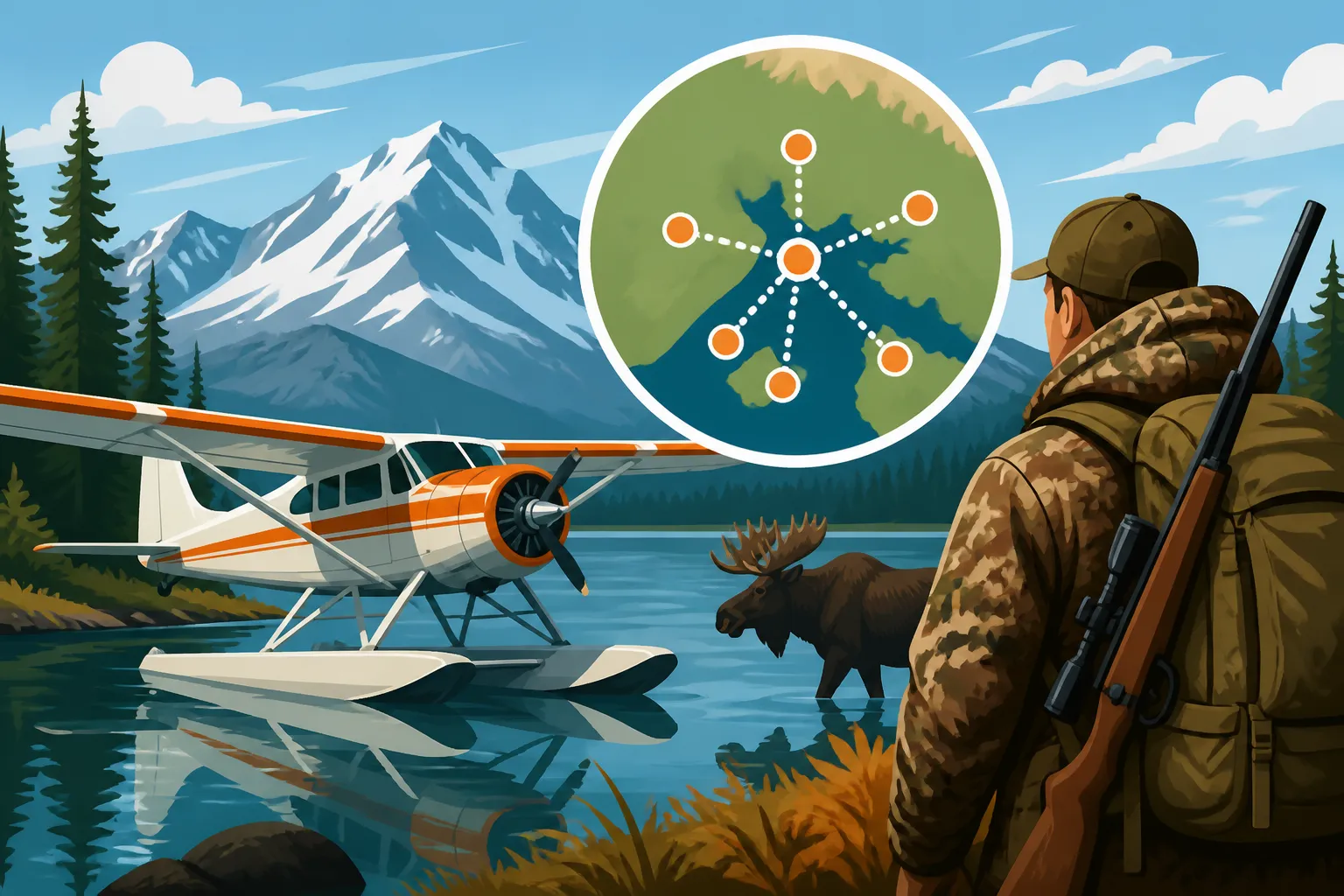
There's a unique allure to hunting areas accessible by float plane that are still within an hour's flight of Anchorage. It's the best of both worlds: the raw, untamed feel of the Alaskan backcountry, but with the convenience of being able to depart from and return to a major hub like Lake Hood or Merrill Field. This proximity doesn't diminish the quality of the hunting experience; rather, it makes fly-in hunting a more feasible option for many, reducing travel time, logistics, and often, overall cost.
Balancing Remote Experience with Logistical Ease
Think about it: instead of driving hours on a gravel highway, bumping down a rough two-track, and then still having miles of hiking ahead, you can be airborne within minutes of leaving Anchorage. A 30-to-60-minute flight can drop you deep into a pristine lake basin, miles from any road, and truly immerse you in solitude. This logistical ease means you can spend more of your valuable time actually hunting and less time traveling. It opens up opportunities for weekend warrior trips or even ambitious day hunts for small game, rather than requiring an entire week-long expedition. For busy hunters, or those just starting to explore fly-in hunting, these close-to-town options are a fantastic entry point into a world that often seems out of reach. You get the thrill of flying over breathtaking landscapes and the satisfaction of accessing areas that ground-based hunters simply cannot reach, all while knowing you're not too far from civilization should unforeseen circumstances arise.
Target Species Accessible from These Lakes
While a quick hop from Anchorage might not put you in front of a giant brown bear on the Alaska Peninsula or a full-curl ram in the Brooks Range, there's still plenty of big game and small game to be found. Black bear are often abundant in the burn scars and timbered areas around these lakes, particularly during spring and fall seasons. Moose can also be found in the willow-choked lake edges and river bottoms, especially as you move a bit further into the Susitna Valley or specific pockets east of the city. For small game, the opportunities are excellent. Waterfowl hunting can be surprisingly good on many of these lakes, offering fantastic opportunities for ducks and geese. Upland birds like spruce grouse and ptarmigan are also common in the surrounding timber and alpine fringes, providing a chance to fill the pot for camp meat or simply enjoy a different style of hunting. Black Bear Seasons and Bag Limits can vary by unit, so always check the regulations for your specific destination.
Navigating the Logistics of Float Plane Hunting from Anchorage
Even for a relatively short flight, planning a float plane hunt from Anchorage requires attention to detail. It's not just about booking a flight; it's about understanding the specific challenges and requirements that come with this mode of transport and the unique environment you'll be entering. This foresight will make your trip safer, more efficient, and ultimately, more successful.
Choosing Your Air Taxi and Understanding Rates
Anchorage is home to Lake Hood, the busiest float plane base in the world, and Merrill Field, which also hosts wheel plane operations. This means you have a good selection of air taxi operators, many of whom specialize in hunter drop-offs. When choosing an air taxi, look for operators with a strong safety record and good communication. Discuss your target lake, the anticipated hunting pressure, and the species you're after. Don't be shy about asking questions regarding their experience in the specific area you're interested in.
Regarding rates, float plane services typically charge by the hour, and that often includes "deadhead" time – the time the plane flies without you to get to or from the base, or to pick up other clients. Always clarify how the hourly rate is calculated and what factors might influence the final cost, such as extra pickups for meat or unexpected weather delays. Remember, How Air Taxi Pricing Works in Alaska can involve more than just flight time, so get a clear quote upfront. It’s also wise to consider a trusted operator like Alaska Seaplanes or Rust's Flying Service, which have long histories of serving hunters from Anchorage.
Gear Considerations and Weight Limits for Short Flights
Even if you're only gone for a day or an overnighter, weight limits are crucial on a bush plane. Small float planes like a Super Cub or a Beaver have strict payload capacities, and every pound counts. You'll need to be hyper-efficient with your gear. Pack only essentials: shelter (if overnight), food, water, first-aid, navigation tools, and your hunting equipment. If you're planning on taking an animal, consider the weight of game bags, butchering tools, and the potential for a second flight to retrieve meat.
Think minimalist. Do you really need that extra pair of boots for a day trip? Probably not. Can you split gear with a hunting partner? Absolutely. Weight Limits on a Super Cub Drop are real, and exceeding them isn't just a financial issue—it's a safety concern. For longer items like rifles, make sure they are properly cased and that you understand the air taxi's policies for firearms. Strapping Gear Loads for a Bush Flight securely is also paramount, as shifting weight can be dangerous in flight.
Permitting and Land Status Checks Near Populated Areas
This is one of the most critical aspects, especially when hunting close to a major city. Land ownership around Anchorage can be a complex patchwork of state, federal, municipal, and Native Corporation lands. What looks like wide-open public land from the air might be a private parcel on the ground. You must know where you are at all times and have legal access to hunt.
Tools like onX Hunt are invaluable here. They allow you to overlay land ownership maps with satellite imagery, so you can clearly see property boundaries, public access points, and restricted areas. Before you even set foot in the plane, use these tools to scout your intended landing zone and potential hunting areas. Confirm that you're landing and hunting on legal ground. Some Native Corporation lands, like those owned by CIRI, may require specific permits or outright prohibit hunting. Hunting CIRI Lands Near Anchorage is a good example of how complex land ownership can be. Don't assume anything; always verify land status. This diligence prevents trespassing violations and ensures a legal and ethical hunt.
Specific Lake Regions and Their Hunting Opportunities
While the idea of an "hour from Anchorage" might seem limiting, the geography around the city offers diverse landscapes and access points via float plane. Depending on which direction you fly, you can tap into entirely different ecosystems and hunting opportunities. The key is to understand what each general region offers and plan accordingly.
Lakes East of Anchorage: Chugach Foothills and Beyond
Heading east from Anchorage, you quickly enter the rugged terrain of the Chugach Mountains. While many of the immediate lakes are popular for recreation, flying a bit further into the foothills can open up some decent hunting grounds. These areas often feature a mix of dense spruce forests, alders, and open alpine terrain at higher elevations. Black bears are a common target here, especially in areas with berry patches in the late summer and fall, or on greening slopes in the spring. Moose populations can be localized, often found in willow-lined drainages or near larger rivers feeding into the lakes.
Access to these lakes often means flying into deeper valleys or basins where human presence is minimal once you're on the ground. You might find smaller lakes tucked into glacial cirques that rarely see human traffic. These spots can offer a truly remote experience despite their proximity to Anchorage. For species like ptarmigan, hiking up into the alpine tundra above these lakes can yield excellent results. Always confirm current regulations, as seasons and bag limits can change, and specific zones within the Chugach National Forest might have unique rules. Camping Limits on Alaska State Land are generally generous but always worth knowing.
Lakes West of Anchorage: Susitna Valley and Kenai Access
Flying west from Anchorage opens up an entirely different landscape: the vast Susitna Valley, characterized by sprawling wetlands, immense willow flats, and countless lakes and sloughs. This is classic moose and black bear country. A short flight can put you into prime habitat where these animals thrive. The Kenai Peninsula, though also very popular, has lakes on its northern fringes that can also be accessed by float plane within the hour, particularly for black bears or local moose populations. Moose Density on the Kenai Peninsula can be high in certain areas, but access via float plane often helps you get away from road-system pressure.
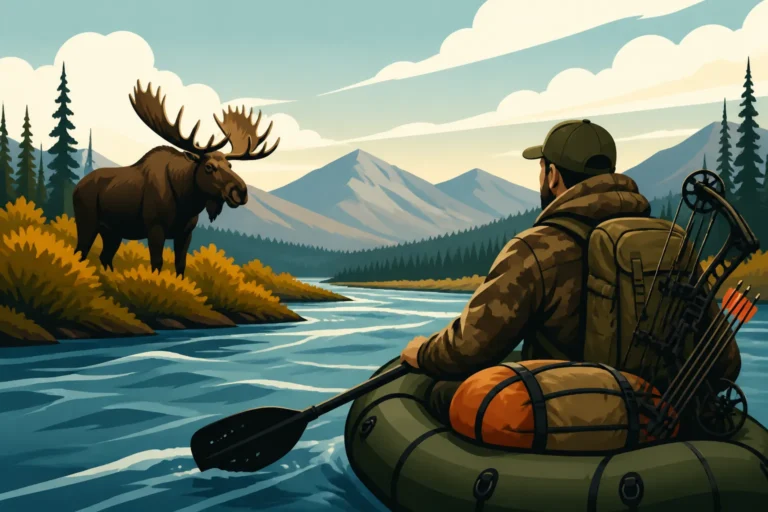
Many of these lakes are interconnected by small creeks, offering opportunities for float hunting with packrafts or small inflatable boats once you've landed. This allows you to cover more ground and access even more remote sections of the vast valley. Caribou are generally further north and west, requiring a longer flight, but you might occasionally find stray animals in certain areas during migration. Keep in mind that wetlands mean bugs, so be prepared with bug repellent and head nets, especially during summer and early fall.
Making the Most of a Shorter Float Plane Hunt
A float plane hunt, even a brief one, requires careful planning and a strategic approach to maximize your chances of success and ensure your safety. The shorter duration of these near-Anchorage trips means you have less buffer for mistakes, making preparation even more critical.
Scouting and Preparation for Day Hunts or Quick Overnighters
Before you ever book your flight, dedicate serious time to scouting. This isn't just about looking at a map; it's about understanding the terrain, vegetation, and potential game sign. Use satellite imagery on platforms like GoHunt or onX Hunt to identify willow thickets, old burn scars, natural clearings, and potential game trails around your chosen lake. Look for areas with good cover and water sources, as these are natural magnets for game. Pay attention to elevations and potential travel corridors.
For a day hunt, your strategy needs to be aggressive and efficient. You'll likely hit the ground running, covering as much prime habitat as possible, and focusing on a quick pack out. For an overnighter, you have a bit more flexibility, but shelter, food, and water still need to be lightweight and compact. Downloading Offline Maps Before a Fly-In is non-negotiable, as cell service will be nonexistent. Mark potential glassing points, emergency landing zones, and your planned hunting routes. Leave a detailed flight plan and itinerary with a trusted contact, including your expected return time and the air taxi's information.
| Hunt Type | Duration | Typical Target Species | Key Considerations | Pros | Cons |
|---|---|---|---|---|---|
| Day Hunt | 6-12 hours | Black Bear, Waterfowl, Ptarmigan, Spruce Grouse | Lightweight gear, aggressive pace, minimal camp setup | Maximize time in field, minimal cost, back home same day | Limited range, no buffer for delays, pressure to perform quickly |
| Quick Overnighter | 1-2 nights | Black Bear, Moose (localized), Waterfowl, Upland Birds | Compact shelter, efficient food/water, meat care plan | More time to explore, better chance for evening/morning activity | Still time-constrained, increased gear load, weather dependency |
| Multi-Day (within 1 hr flight) | 3-5 nights | Moose, Black Bear, Waterfowl, Upland Birds, opportunities for combination hunts | Durable camp, full food/water, robust meat care/pickup | Full immersion, wider area coverage, higher success odds | Increased cost, more gear, greater exposure to weather, longer commitment |
Safety and Emergency Planning for Close-to-Town Trips
Just because you're "only an hour" from Anchorage doesn't mean you're immune to the dangers of the Alaskan wilderness. Weather can change in an instant, mechanical issues can arise, and accidents can happen. Always have a robust safety plan in place. This includes carrying a satellite communication device like a Garmin InReach or Spot device, ensuring it's fully charged and tested. Plan regular check-ins with your pilot and your trusted contact back home. Radio or Satellite Check-Ins With a Pilot are vital for communicating any changes to your plans or emergencies.
Pack for unexpected delays: extra food, fire-starting materials, and an emergency shelter are critical. Be proficient in basic first aid and consider carrying a well-stocked wilderness first-aid kit. Understand basic bear safety protocols for both black bears and potential grizzlies, even if they are less common in certain areas close to Anchorage. Always carry bear spray and know how to use it. A rifle or shotgun appropriate for your target species is also a primary bear deterrent. Remember, Emergency Evacuation Plans in Remote Alaska should be discussed with your air taxi service before you even leave, ensuring you know their capabilities and response times in case of a serious incident. Even a short trip into the wilderness deserves the utmost respect and preparation.
Disclaimer
This article is for general informational purposes only and does not constitute professional advice. Laws, prices and regulations vary by location and change over time. Consult a qualified professional for guidance on your specific situation.