How Air Taxi Pricing Works in Alaska
Planning an Alaska hunting adventure often conjures images of pristine wilderness and trophy animals, but the practical reality for many remote hunts quickly hits a snag: how do you even get there? For most truly wild places in Alaska, an air taxi is your only ride, and the pricing can feel like a complete mystery, leaving many hunters frustrated and unsure how to budget. This guide is here to demystify air taxi costs, breaking down exactly how they're structured so you can plan your next remote Alaskan hunt with confidence, avoiding sticker shock and last-minute scrambling.
The Basics of Air Taxi Pricing: Beyond Just a Flight
It’s easy to think of an air taxi like a regular cab: you get in, you go, you pay for the miles. But in the backcountry of Alaska, where landing strips are often gravel bars or mountain lakes, and weather changes on a dime, the pricing model is a whole different beast. Understanding the foundational elements of how these specialized flights are priced is the first step to a successful and financially sound hunt.
The Hourly Rate: What It Covers and What It Doesn't
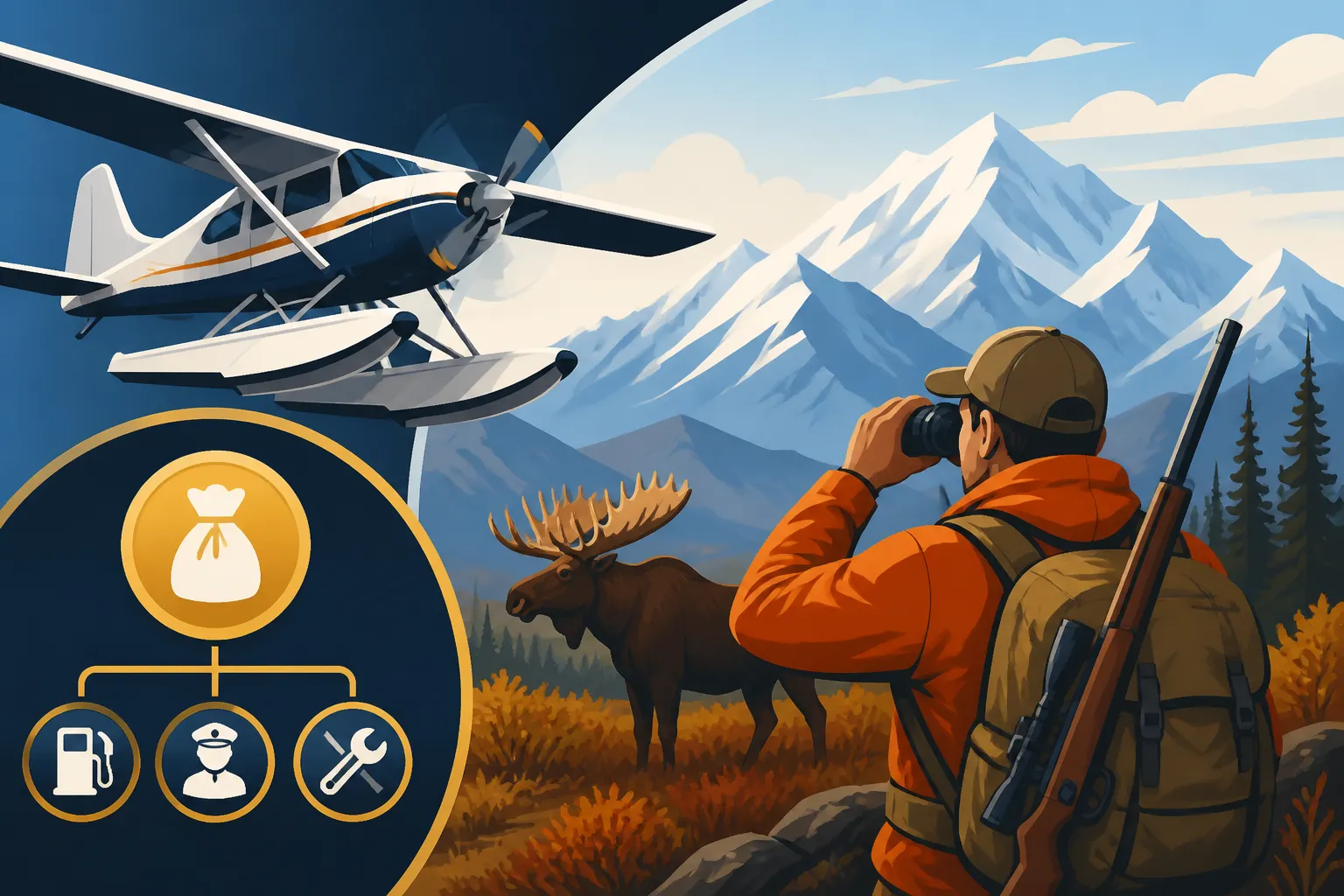
At the core of most air taxi bills is an hourly rate. This isn't just for the time you're literally strapped into the seat and airborne; it's a comprehensive figure designed to cover a multitude of operational expenses. Think of it this way: when that bush plane is flying, it's burning fuel, yes, but it's also incurring wear and tear on its engine and airframe, requiring highly skilled pilot time, and contributing to the overall maintenance schedule. These planes operate in some of the most demanding environments on earth, requiring rigorous and frequent upkeep.
Beyond the direct flying costs, that hourly rate often implicitly covers a portion of the air taxi operator's fixed overheads. This includes hangar space, administrative staff, insurance premiums (which are substantial for aviation in remote areas), and compliance with federal aviation regulations. So, while you might only be in the air for an hour each way, the rate reflects the entire infrastructure required to safely and legally operate a bush plane service in Alaska. It’s a significant investment, and the hourly rate is how they keep those planes flying.
Deadhead Time: The Unseen Cost
One of the biggest surprises for hunters new to flying in Alaska is the concept of "deadhead time." This refers to any flight time where the aircraft is flying without passengers or paying cargo. For example, if your air taxi is based in a small village like Iliamna or Bethel and has to fly 100 miles empty to pick you up at a remote lake, that 100-mile flight to get to you is deadhead time. Similarly, after dropping you off, if the pilot has to fly back to base empty, that's also deadhead.
Deadhead time is almost always charged at the same hourly rate as your occupied flight time. Why? Because the plane is still consuming fuel, the pilot is still working, and the engine is still accumulating hours towards its next overhaul. It's a necessary operational cost for air taxis serving remote areas, as they can't always guarantee a paying load in both directions. Understanding this upfront is critical; a 30-minute flight to your drop-off point might easily become a 1.5-hour bill if there's 30 minutes of deadhead to get to you and another 30 minutes to fly back to base after your drop. Always ask your transporter about estimated deadhead when getting a quote.
Minimum Flight Charges: Small Jobs Still Cost
Even if your intended flight is short – say, a quick hop across a valley or a scenic transfer from one lake to another that only takes 15 minutes of actual airtime – you'll almost certainly encounter a minimum flight charge. Air taxi operators have a significant amount of work involved in any flight, regardless of its duration. This includes pre-flight inspections, filing flight plans, fueling the aircraft, loading and securing gear, and post-flight procedures.
These fixed costs don't change whether the flight is 15 minutes or 2 hours. Therefore, a minimum charge ensures that the operator is compensated for all the necessary preparation and logistical work that goes into making even the shortest flight happen. It's not uncommon for a minimum charge to be set at 1 or 2 hours of flight time, even if your actual airtime is less. This means that a series of short, quick shuttles, while seemingly efficient, can quickly add up if each one triggers a new minimum charge. Clarify these minimums when discussing your itinerary.
Factors Influencing Your Air Taxi Bill
Beyond the base hourly rates and deadhead charges, several critical factors can significantly swing your final air taxi bill. These aren't hidden fees, but rather variables inherent to flying in the Alaskan bush that require careful consideration when planning your budget. Ignoring them can lead to unexpected costs and logistical headaches in the field.
Aircraft Type: Size, Speed, and Cost
The type of aircraft your air taxi employs is a major determinant of the hourly rate. You'll commonly see a range of planes serving hunters:
- Super Cubs (PA-18): These nimble, light aircraft are the quintessential bush planes, capable of landing on incredibly short, rough strips, river bars, or even tundral hummocks. They are ideal for one or two hunters and minimal gear. However, their smaller capacity often means more trips for larger parties or heavy loads, potentially increasing overall flight time. The hourly rate is generally lower than larger aircraft, but their limited payload means you might need multiple flights for gear or a harvested animal. Weight Limits on a Super Cub Drop are very real.
- Cessna 185/206/207: These are larger, faster single-engine planes, often equipped with floats or tundra tires. They can carry more passengers and gear than a Super Cub, making them popular for small groups. They require slightly longer landing strips but are still very versatile. Their hourly rates are typically moderate, striking a good balance between capacity and cost.
- De Havilland Beaver (DHC-2) and Otter (DHC-3): These are the workhorses of the Alaskan bush. The Beaver is a single-engine plane known for its robustness and large payload capacity, especially on floats. Otters are even larger, capable of carrying substantial loads (like an entire quartered moose) and more passengers. While their hourly rates are significantly higher due to their size, fuel consumption, and maintenance, they can often reduce the total number of trips required, especially for a successful moose hunt with multiple hunters. For a large group or a big animal, paying a higher hourly rate for one large plane might be more economical than multiple trips in smaller aircraft.
Choosing the right plane depends entirely on your group size, gear, and the expected harvest. Don't assume the cheapest hourly rate means the cheapest overall trip.
Distance and Terrain: More Than Just Miles
While distance directly impacts flight time, the type of terrain you're flying over and to can also influence the cost. Flying deep into the Alaska Range or across the vast flats of the Yukon-Kuskokwim Delta presents different challenges and costs than flying a shorter hop within a more accessible valley. Mountainous terrain, for example, often necessitates flying at higher altitudes, navigating passes, and dealing with more turbulent air, all of which can increase fuel burn and pilot workload.
Furthermore, the remote nature of many Alaskan hunting areas means fewer, if any, alternative landing sites. If a weather system rolls in, a pilot might have to fly a longer, circuitous route to avoid unsafe conditions, adding to the flight time. The sheer remoteness can also impact how quickly a pilot can return to base for fuel or in case of an unforeseen issue, implicitly factoring into their pricing structure. When you inquire about flying into a specific drainage or lake, the air taxi will already have a good understanding of these geographical nuances and how they affect the logistics and cost of that particular flight.
Weight and Volume: The Luggage Equation
This is perhaps the most critical factor for hunters and one that causes the most frustration. Bush planes, especially smaller ones, have strict weight and balance limitations. These aren't suggestions; they are federal aviation regulations and critical safety margins. Every pound counts. Overloading a plane is incredibly dangerous. This means your extensive gear list – your rifle, ammunition, camp gear, food, water, and personal items – all contribute to the payload.
If your combined weight of hunters and gear exceeds the plane's capacity, the air taxi operator will have to make multiple trips, which directly increases your total flight time and cost. Oversized items, even if they're not heavy, can also present a volume challenge, especially in smaller planes like a Super Cub. Imagine trying to fit a bulky cooler or a long rifle case into a small cargo hold. You might have to Splitting Gear Across Two Air Taxi Loads or even leave non-essential items behind. It’s an easy mistake to underestimate how much your gear weighs, so be honest and precise with your air taxi when giving them your load estimates. Extra Charges for Overweight Gear are a common reality.
Weather Delays and Standby Fees: The Alaskan Wildcard
Alaska's weather is famously unpredictable and can change dramatically in minutes. What starts as a clear, crisp morning can quickly turn into a whiteout blizzard, dense fog, or torrential rain, making flying impossible or unsafe. When booking an air taxi, you're not just booking a flight; you're booking access to a wilderness that dictates its own terms.
Weather delays are an inherent part of flying in Alaska. If a storm prevents your pilot from flying you in or picking you up on your scheduled day, you could face delays. While most reputable air taxis won't charge you for weather delays if they are unable to fly, some might have standby fees if they are waiting for you to be ready or if you request they stay on standby. More often, the cost comes in the form of extended time in the field, extra food consumption, or missed connections for your return home. It's crucial to Building Extra Days Into a Fly-In Schedule and budget for these possibilities. Discussing Weather Days and Who Pays for Them upfront with your air taxi is a must, and understanding their policy on Pickup Windows and Late Pickups is key.
Understanding Drop Camp Packages and Extra Services
For many self-guided hunters venturing into Alaska, especially non-residents, utilizing an air taxi for a "drop camp" is the primary mode of operation. This service is more than just transportation; it often includes elements that can simplify your logistics, but it's important to differentiate between a simple flight service and a more comprehensive package.
Package Deals Versus Hourly Rates
Some air taxi operators offer what they call "drop camp packages." Instead of charging purely by the hour for every flight leg (in, out, deadhead, meat pick-up), these packages often include a fixed price for a specific route, duration, and number of hunters. For example, a package might cover round-trip transportation for two hunters to a designated lake for ten days, including one meat pickup trip if needed. These can be attractive because they offer a predictable cost upfront, which helps immensely with budgeting.
The benefit of a package deal is cost certainty, allowing you to avoid the fluctuating charges of hourly billing, especially if weather or extra trips become a factor. However, these packages are typically less flexible. If you decide to shorten your hunt or move locations mid-trip, you might not get a refund for unused services. Conversely, if you stay longer or require more flights than allotted, additional charges will apply. Always read the fine print of any package deal and understand exactly what's included versus what incurs additional hourly rates. Many hunters find these package deals through platforms like BookYourHunt, which often lists outfitters and transporters with their various offerings.
Meat and Trophy Hauling: The Second Trip Scenario
This is arguably the most significant "extra service" cost that hunters frequently underestimate. If you're successful on a remote hunt, especially for large game like moose or caribou, you will likely need a second flight to retrieve your meat and trophy. A single bush plane, particularly smaller ones, cannot safely carry two hunters, their camp gear, and a quartered bull moose or a full caribou load in one go. The sheer weight and volume make it impossible.
This often means the pilot will drop off the hunters and their gear, and then, upon a successful kill and proper meat care, return to base. Then, they will come back to the kill site or designated pickup spot for a separate "meat flight," leaving the hunters to pack out the remaining camp gear on a final trip. This second trip (or even third, depending on the animal and aircraft) is almost always charged at the full hourly rate, including any deadhead. Factor this in from the very beginning. Asking about Second Trip Charges for Meat Hauling is crucial when getting your initial quote. Preparing your meat properly and consolidating it for transport can help, but a separate flight is almost a certainty for bigger game. You might also need to factor in Hanging Meat in Warm September Weather and securing it at the kill site while you await the meat plane.
Camp Gear Rentals and Logistics
To mitigate the strict weight and volume restrictions, some air taxis or associated outfitters offer the option to rent essential camp gear, like tents, stoves, and sometimes even cooking equipment. This can be a huge advantage, especially for non-resident hunters who might find it impractical or costly to fly up bulky items from home. By renting locally, you reduce the weight of your initial flight, potentially saving on the number of trips required or allowing for a smaller, more economical aircraft.
Renting gear adds to the overall cost, but often the savings on air freight make it a worthwhile trade-off. It also simplifies your packing and travel logistics significantly. Make sure to inquire about the quality and condition of rental gear, as reliable equipment is non-negotiable in the Alaskan bush. Your transporter should be able to provide details on Tent and Stove Rentals From an Alaska Transporter and what options are available. This also ties into the concept of making your overall load more efficient to reduce the flight bill, which also means Backpack Hunting in Alaska: Gear Weight and Meat Loads for the packing out segment on your own two feet.
Budgeting for Your Air Taxi: Tips and Strategies
Navigating air taxi pricing doesn't have to be a budget-busting guessing game. With a proactive approach and a clear understanding of the variables, you can effectively budget for this essential part of your Alaska hunting adventure. Planning is everything when dealing with the unpredictable nature of bush aviation.
Getting a Clear Quote: What to Ask For
Never accept a vague estimate. A reputable air taxi operator should be able to provide a detailed, written quote that breaks down the expected costs. When you call or email, be prepared with precise information about your group and hunt plan:
- Number of hunters: This impacts aircraft choice and capacity.
- Estimated gear weight: Be as accurate as possible, including food and water.
- Exact destination: Provide coordinates if possible, or a very specific lake name or drainage.
- Planned hunt duration: How many days you expect to be in the field.
- Species you're hunting: This helps the operator anticipate the likelihood of meat/trophy flights.
- Base of operations: Where are they flying from? This impacts deadhead.
Ask explicitly about:
- The hourly rate for the specific aircraft they plan to use.
- Any estimated deadhead time for your flights (in and out).
- Minimum flight charges per leg.
- Their policy on second trips for meat/trophy: is it included in a package, or will it be an additional hourly charge? Estimating Flight Cost From Base to Camp is far easier when you have all these details.
- Policies regarding weather delays or unforeseen extended stays.
Transparency is key. If an operator is evasive, it might be a red flag.
Planning for Contingencies: The "Weather Day" Fund
Alaska's weather doesn't care about your schedule. Fog, rain, or snow can ground planes for days, potentially leaving you stranded in camp longer than anticipated or delaying your pick-up. While you won't typically be charged for the actual flight time you didn't take due to weather, these delays can create other financial strains. You might need extra food supplies, an unplanned hotel stay back in town while waiting for a flight, or even a rebooked commercial flight home.
Therefore, always build a "weather day" fund into your budget. This means having an extra few hundred to a thousand dollars (or more, depending on the length of your trip) set aside specifically for unforeseen circumstances. This financial cushion can alleviate a lot of stress if your air taxi can't fly you out on your exact scheduled day. It's a pragmatic approach to hunting in a truly wild place. Remember, What Happens if Weather Traps You in Camp might also impact any arrangements for Signal Devices and Check-In Plans for Solo Alaska Hunts.
Maximizing Your Load: Smart Packing Pays Off
Every pound you eliminate from your gear translates to either less flight time (if it prevents an extra trip) or more capacity for meat/trophy on the way out. This is where meticulous gear planning becomes a cost-saving strategy. Focus on lightweight, multi-purpose items. Freeze-dried meals save significant weight compared to canned goods. Consider bringing water filters instead of gallons of bottled water. Share communal gear like stoves, fuel, and first-aid kits among your hunting party.
Pack efficiently. Use compressible bags for clothing and ensure all items are secured to prevent shifting during flight. Some air taxis can provide general Gear Lists Alaska Guides Send Before a Hunt that help you plan your packing. For example, if you're doing a float hunt, you might need to coordinate Raft Size for a Two-Hunter Moose Float with your gear. Every small decision about what you bring and how you pack it can add up to real savings on your air taxi bill.
Utilizing Booking Platforms and Consultants
For those feeling overwhelmed by the sheer number of air taxi operators and the complexities of pricing, platforms like BookYourHunt can be incredibly useful. While they primarily connect hunters with guides and outfitters, many transporters (who are distinct from guides, as we'll discuss) also list their services. These platforms can offer a centralized place to research different operators, compare services, and sometimes even find package deals that include air transportation.
Similarly, hunting consultants, though they often cater to fully guided hunts, can sometimes offer insights into transporter options and help clarify what to expect regarding pricing and logistics. Companies like GoHunt, known for their detailed research tools for drawing permits, might not directly book your air taxi, but their resources can indirectly help you understand the overall landscape and potential costs associated with hunting specific areas in Alaska. These services can add a layer of assistance, but it’s still on you to ask direct questions and understand the full scope of charges.
Common Air Taxi Pricing Questions Answered
Even after understanding the fundamentals, specific questions often arise. Clearing up these common points of confusion can further refine your understanding and budgeting for your Alaska air taxi service.
Splitting Costs with Hunting Partners
One of the most effective ways to reduce the per-person cost of an air taxi is to hunt with partners. Air taxis charge by the hour, not by the passenger (beyond the basic weight/balance considerations). So, a flight for two or three hunters often costs the same as a flight for one, assuming everyone and their gear fits within the aircraft's capacity and weight limits. This means the total cost of the flight is split among more individuals, significantly lowering the individual burden.
This is why many remote Alaska hunts are planned as group efforts. Not only does it make the air taxi more affordable, but it also provides a safety net in the wilderness and more hands for packing meat. If you're considering a remote hunt, actively seeking out compatible hunting partners can make the dream much more financially viable.
What About Fuel Surcharges?
Fuel prices are notoriously volatile, and for an industry as fuel-intensive as aviation, these fluctuations can directly impact your air taxi bill. While the base hourly rate usually factors in a typical fuel cost, significant spikes in aviation fuel prices can sometimes lead to a "fuel surcharge" being added to your bill. This isn't necessarily a trick; it's a way for operators to cover their rapidly increasing operational costs without constantly re-printing their rate sheets.
Always ask your air taxi operator if they have a fuel surcharge policy or if their quoted rates are inclusive of current fuel costs. This is particularly relevant if you're booking many months in advance, as fuel prices can change dramatically in that time. Understanding this possibility allows you to allocate a small buffer in your budget for any potential surcharges.
The Difference Between a "Guide" and a "Transporter" in Pricing
This is a critical distinction in Alaska hunting that often confuses new non-resident hunters, and it has profound implications for pricing.
- Air Taxi / Transporter: This service legally provides only transportation. They fly you and your gear into the bush, drop you off, and pick you up later. They cannot provide any services that aid in the taking of game, such as providing specific hunting locations, setting up camp beyond dropping gear, tracking animals, or helping with field dressing. Their pricing is based on flight time and associated costs, as discussed in this guide. This is what most self-guided hunters utilize. You can learn more about Alaska Transporter Services Versus Guide Services to really grasp the distinction.
- Registered Guide-Outfitter: A guide provides a full hunting service, offering advice, scouting, camp services, and direct assistance in the pursuit and taking of game. Non-residents are legally required to use a registered guide for certain species like Dall sheep, brown bear, and mountain goat, or hunt with a relative within the second degree of kindred. The cost of a guided hunt is exponentially higher than an air taxi service because you're paying for expertise, labor, equipment, and a higher level of service and liability. For example, What a Guided Moose Hunt Runs in Alaska is a completely different cost category than an unguided drop camp.
Understanding this difference is vital not just for your budget but also for legal compliance. An air taxi cannot legally act as a guide, and a guide's services are priced on an entirely different scale.
Disclaimer
This article is for general informational purposes only and does not constitute professional advice. Laws, prices and regulations vary by location and change over time. Consult a qualified professional for guidance on your specific situation.