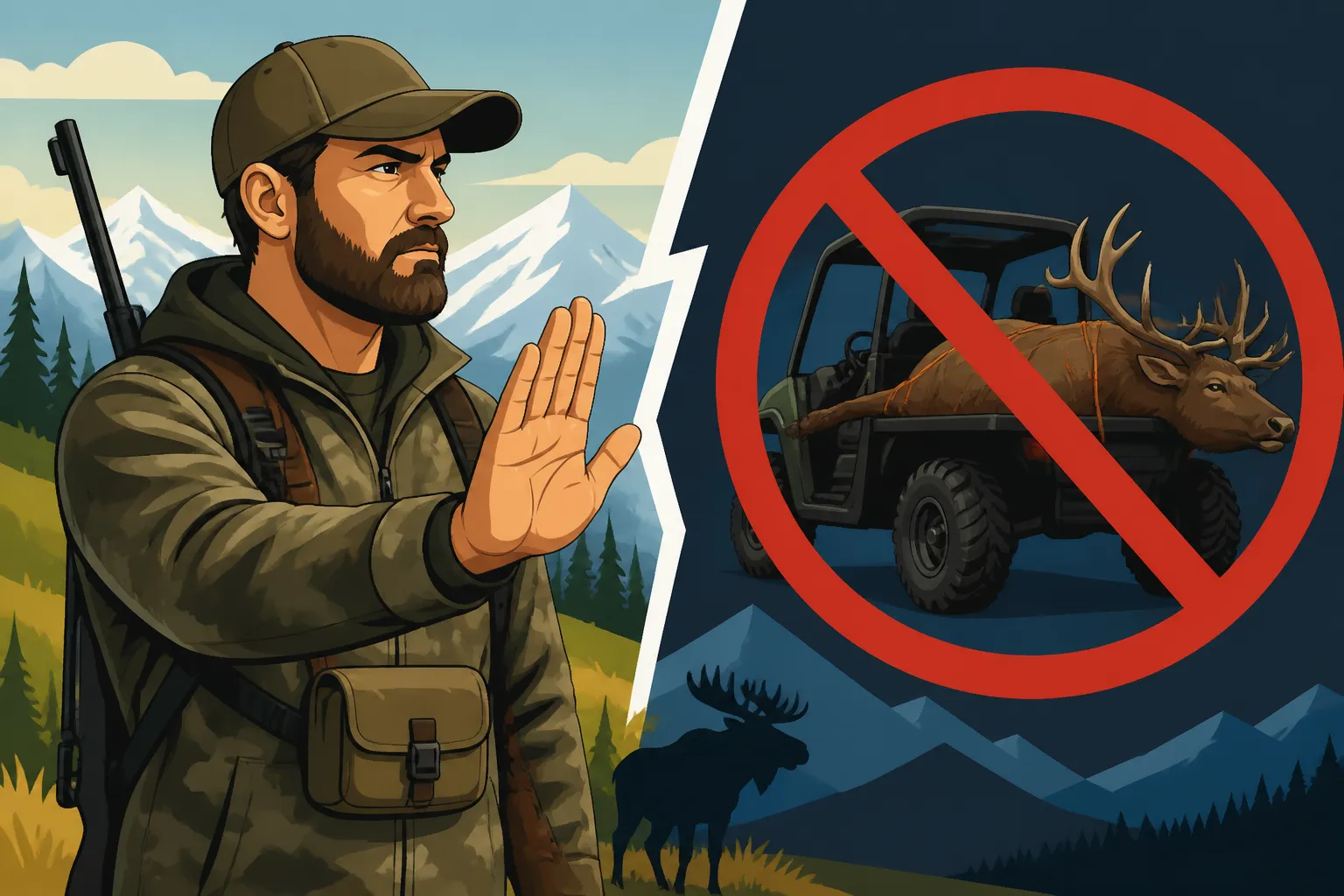
What an Alaska Transporter Cannot Legally Do
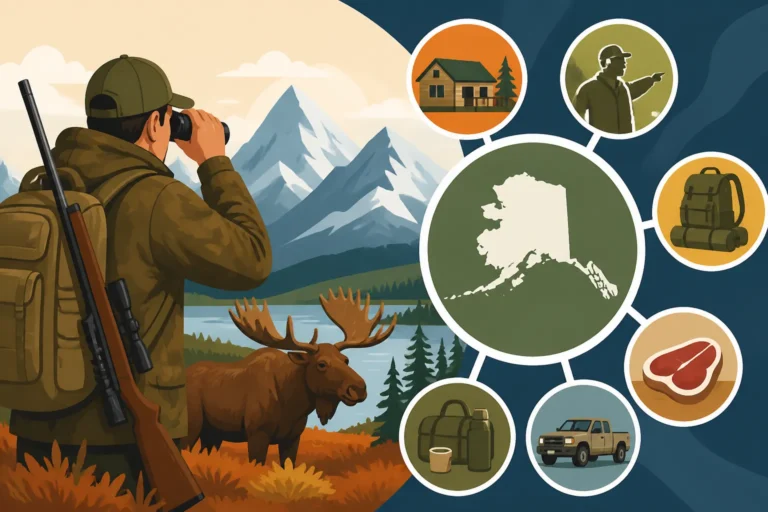
Many hunters dream of an Alaska adventure, a true wilderness experience far from the road system. For most of us, that means relying on an air taxi or boat service – what we call a "transporter" up here. But there's a really important legal line that sometimes gets blurred, or isn't fully understood, especially by folks new to the Last Frontier. It’s absolutely critical to know what an Alaska transporter cannot legally do, because misunderstanding these rules can lead to serious headaches, fines, and even losing your game, not just for the transporter but for you, the hunter. This guide is all about clarifying those boundaries so you can plan a legal and ethical hunt.
Understanding the Legal Line Between Transporters and Guides in Alaska
When you're planning a hunt in Alaska, particularly one that takes you off the beaten path, you'll inevitably encounter the terms "transporter" and "guide." On the surface, they both get you into the backcountry, but legally, their roles are as different as night and day. Blurring these lines, even unintentionally, can land everyone involved in hot water.
The Essential Distinction: Services Rendered
The core difference between an Alaska transporter and a guide boils down to the services they are legally permitted to render. A transporter's role is purely logistical: they move you, your gear, and your legally harvested game from point A to point B. Think of them as a wilderness taxi service. They get you to a remote lake or gravel bar, drop you off, and then pick you up at a pre-arranged time and place. Their expertise lies in aviation, boat operations, and navigating the Alaskan landscape safely.
On the other hand, an Alaska guide is someone who actively directs or assists a person in the taking of game. This includes offering advice on where to hunt, how to hunt, what size animal to shoot, tracking wounded game, or even calling animals for you. A guide is an active participant in the hunting process, making decisions and providing tactical assistance. They are experts in game movements, hunting strategies, and navigating specific hunting units. This is a highly regulated profession, and for good reason: it protects both the hunter and the wildlife resource.
This distinction is crucial because it ensures fair chase and prevents commercial operators from essentially selling a guaranteed kill by spotting game from the air and then putting hunters directly on them. It also protects the integrity of Alaska's robust guiding industry, which plays a vital role in wildlife management and the state's economy.
Alaska's Strict Guiding Regulations
Alaska takes its guiding regulations very seriously. The state's laws are designed to clearly define the services that can be provided by transporters versus registered guides. These regulations aren't just bureaucratic red tape; they are the backbone of fair chase hunting in a state where access to remote, game-rich areas is often dependent on air or boat travel. The Alaska Department of Fish and Game, alongside the Alaska Board of Game, meticulously crafts these rules to ensure sustainability and ethical hunting practices.
Violating these rules carries significant consequences for both the transporter and the client. For the transporter, it can mean heavy fines, suspension, or even permanent loss of their air taxi or guiding license. For the hunter, it can result in fines, confiscation of your harvested animal, and loss of hunting privileges. It's a costly mistake that no one wants to make.
For nonresidents, these distinctions are even more pronounced, as certain big game species, like brown/grizzly bear, Dall sheep, and mountain goat, legally require you to be accompanied by an Alaska-licensed guide or an Alaskan resident second-degree-of-kin. This guide requirement ensures that nonresidents, who may be unfamiliar with the terrain, weather, and specific hunting regulations, have expert assistance to ensure a safe and legal hunt. Understanding Alaska's Brown Bear, Sheep and Goat Guide Requirement is paramount if you're traveling from outside the state for these species.
Specific Services a Transporter Is Legally Prohibited From Offering
This is where the rubber meets the road. Knowing these prohibitions explicitly can help you, as a hunter, identify when a transporter might be inadvertently or intentionally crossing the line. Being aware of these limits protects you from legal repercussions and helps maintain the integrity of your hunt.
Directing or Influencing Hunting Decisions
This is perhaps the most fundamental restriction on transporters. An air taxi pilot or boat operator cannot, under any circumstances, direct or influence your hunting decisions. This means they cannot:
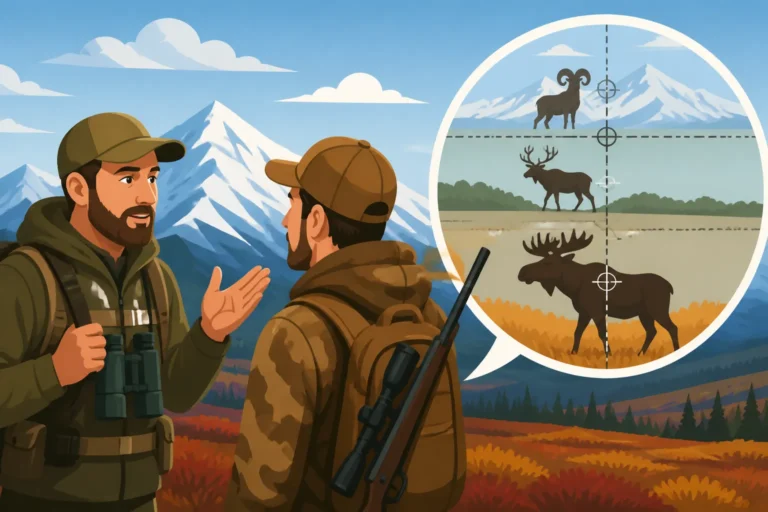
- Point out game: While flying into a drop-off site, a transporter cannot circle an area where they've spotted a bull moose or a band of sheep and say, "There's your animal!" or "That's a shooter right there!" Their job is to get you to your pre-determined drop-off point, not to act as an aerial scout. They shouldn't be interpreting the local game conditions for you in a way that dictates your hunt plan.
- Recommend specific hunting spots based on game sightings: They can take you to a drainage you chose on a map, but they cannot suggest, "Oh, you should try the north slope of that mountain; I saw a big ram feeding there yesterday." That crosses the line from transportation into guiding, as it provides tactical advice based on recent game intelligence.
- Advise on hunting tactics: A transporter cannot tell you how to approach a particular ridge, where to set up a calling station, or what time of day to hunt a certain area. That's a guide's job – to provide the specific, in-depth knowledge of how to actively pursue and harvest game in a given area.
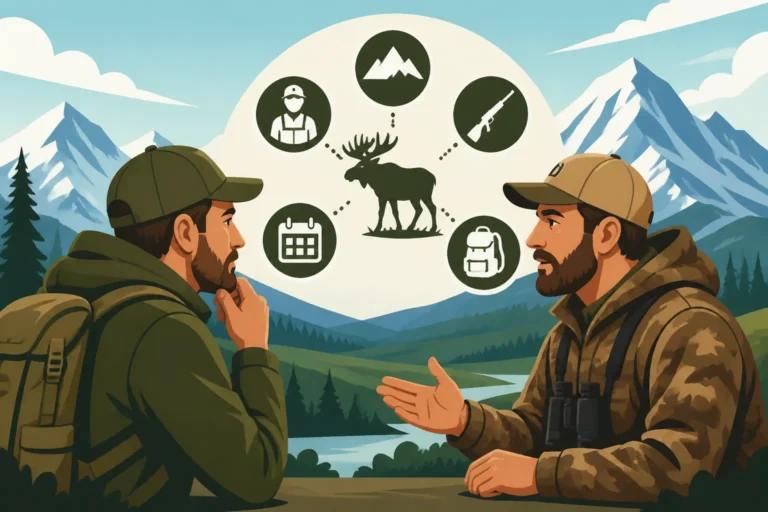
Imagine you're flying into a remote lake for a moose hunt. The pilot's job is to land you safely, unload your gear, and perhaps confirm a pickup time. If they start giving you a rundown of which willow patches the big bulls are using, or which river bends have been productive, they are overstepping their legal bounds. It's your responsibility, as the hunter, to have done your homework and chosen your hunting area beforehand, or to hire a guide if you need that level of assistance.
Providing Specialized Hunting Equipment or Advice Beyond Logistics
Another clear boundary for transporters is the provision of specialized hunting equipment or advice that goes beyond basic logistical support. Their business is moving things, not supplying hunting tools or expertise.
- No provision of hunting gear: A transporter can fly in your rifle, your camp stove, your game bags, and your calls, but they cannot provide you with these items as part of a hunting service. They are not outfitters in the sense of supplying your hunting tools. If you need a specific type of call or a durable game bag, you must bring it yourself. You might ask them about gear recommendations based on general experience in the area, like "What kind of boots hold up best to this tundra?" but that's different from them suggesting, "You should use this specific brand of cow call; it's what the big bulls respond to here."
- No instruction on hunting techniques: They cannot teach you how to field judge an animal, track wounded game, or perform a specific butchering technique. While many transporters are avid hunters themselves and might possess this knowledge, sharing it as part of their service would be considered guiding. If you're on a self-guided hunt, knowing Quartering a Bull Moose Alone in the Field or practicing Field Judging a Legal Bull Under Alaska Antler Rules is something you need to master before you're in the field, or learn from a guide.
- No interpretative advice on regulations: While a transporter might carry a copy of the hunting regulations, it is not their role to interpret complex antler restrictions or explain specific unit boundaries in the field for you. That responsibility falls solely on the hunter. They might give you a general overview of safety or weather, but detailed legal advice about your hunt is off-limits.
Think of it this way: a transporter's responsibility ends when your gear is unloaded and they've left your camp. What you do with your rifle, how you judge a legal animal, or how you call moose is entirely up to you and your hunting party.
Actively Assisting in the Pursuit, Harvest, or Retrieval of Game
This restriction defines the physical involvement a transporter can have during your hunt. Simply put, they cannot actively participate in any aspect of the hunt itself.
- No accompanying hunters into the field: A transporter cannot walk or boat with you while you are actively hunting, stalking game, or tracking a wounded animal. Their presence in the field while you are hunting is a violation of guiding laws. They are meant to deliver you and leave, returning only for a scheduled pickup or emergency.
- No tracking wounded animals: If you wound an animal, the responsibility for tracking and retrieving it falls on you and your hunting partners. A transporter cannot join the search party. The only exception would be a dire, life-threatening emergency where immediate assistance is required for human safety, not game retrieval.
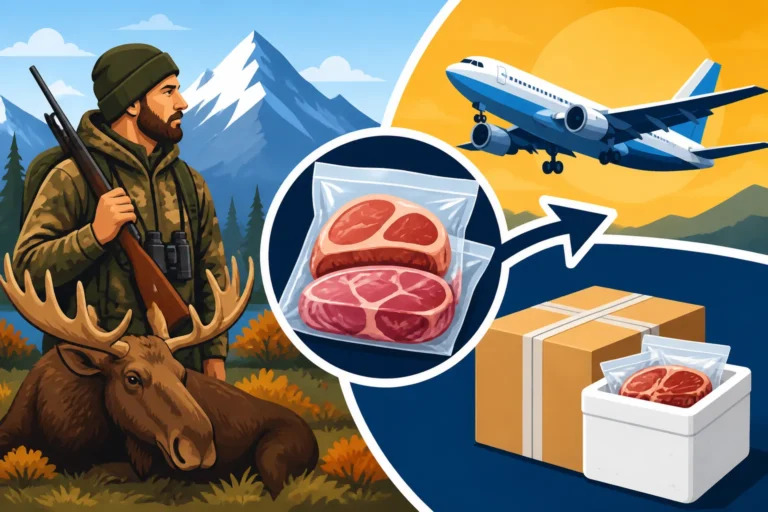
- No retrieval of game from the field without the hunter: This is a common point of confusion. A transporter can pick up your legally harvested, field-prepared game from your camp or a pre-arranged pickup point. They cannot, however, fly into a hillside where your animal is downed and haul it out for you if you are not present or if it's still in the field. You must do the hard work of Packing Out Meat in Alaska: The Salvage Law Hunters Must Follow and getting it to a location accessible by their aircraft or boat. If a transporter flies into a kill site where you've been working on an animal, they are there to pick you and your meat up, not to do the final retrieval themselves.
For example, if you shoot a moose a mile up a creek from your camp, the transporter can pick up the quarters you’ve packed back to camp. They cannot land their Super Cub on a tiny gravel bar near the moose and fly out the meat without you being actively involved in getting it there. This distinction reinforces the "self-guided" nature of a transporter-assisted hunt.
The "Same-Day-Airborne" Rule and Transporter Limitations
Alaska has specific rules designed to ensure fair chase, and one of the most important for fly-in hunters is the "Same-Day-Airborne" rule. This regulation directly impacts how and when you can hunt after being transported by aircraft.
What the Same-Day-Airborne Rule Prohibits
The core of Alaska's Same-Day-Airborne rule is quite straightforward: you cannot hunt big game on the same day you have been airborne for hire. This means if a transporter flies you into your hunting area, you must wait until the next calendar day to begin hunting big game. This rule applies whether you're being dropped off at a remote lake, a gravel bar on a river, or even if you just took a scenic flight over your hunting unit. The intent is to prevent hunters from gaining an unfair advantage by spotting game from the air and then immediately pursuing it. It's about maintaining the challenge and ethics of the hunt.
This regulation exists to uphold the principle of fair chase. Alaska's vastness and rugged terrain make aerial spotting a significant advantage, potentially reducing the skill and effort required to find game. By enforcing a waiting period, the state ensures that hunters must use their scouting, tracking, and wilderness skills on the ground, rather than relying on an aerial reconnaissance immediately followed by a pursuit. Understanding Alaska's Same-Day-Airborne Rule and What It Bans is absolutely critical for any fly-in hunt.
How This Affects Drop Camp Hunts
For those planning drop camp hunts, the Same-Day-Airborne rule fundamentally shapes your arrival day. When your transporter drops you off, your first order of business is setting up camp, getting organized, and making sure everything is secure. Hunting big game is simply not an option.
- Establishing camp first: Your arrival day is for logistics. You'll be busy pitching tents, organizing your cooking area, securing food from bears, and getting familiar with your immediate surroundings. This initial setup is an important part of any backcountry hunt, giving you a chance to acclimate and ensure your base camp is solid.
- No aerial scouting to inform immediate hunting: Even if your pilot points out general features or common game trails from the air on the way in, that information cannot be immediately acted upon for hunting that day. The spirit of the rule implies that a pilot should also not be actively scouting for you. They are taking you to a pre-arranged spot, and any game seen during that flight cannot be hunted until the next day.
- The waiting game: This rule often means you essentially lose your first day of hunting, but it's a necessary sacrifice for ethical hunting. Use this time wisely: scout the immediate vicinity of your camp on foot, practice your calls, make sure your rifle is sighted in (though hopefully you did that before you flew in— Sighting In Before You Fly to a Remote Alaska Camp), and mentally prepare for the days ahead. It's a built-in buffer that forces patience and gives you a chance to truly settle into the wilderness experience.
It’s crucial to remember that this rule is non-negotiable. Don't pressure your transporter or pilot to bend it, and don't try to bend it yourself. The consequences are simply not worth it.
Safeguarding Your Hunt: Vetting Transporters and Understanding Contracts
Embarking on an Alaska hunt, especially a remote fly-in or boat-in trip, is a significant investment of time, money, and effort. To ensure a smooth, legal, and successful experience, thorough preparation and clear communication with your transporter are paramount. You want to make sure you're partnering with a reputable, professional service that understands and adheres to all state regulations.
Thorough Research Before You Book
Finding the right transporter isn't a decision to rush. Don't just pick the cheapest option you find online. Start your research by looking for services with a strong track record, positive reviews, and a clear understanding of state regulations.
- Ask for references: A reputable transporter will happily provide you with contacts for past clients. Call these references and ask specific questions about their experience: Was the service reliable? Did the pilot stick to the schedule? Were there any misunderstandings about services provided? Did they feel safe? This firsthand feedback is invaluable.
- Utilize online resources and state registries: The Alaska Department of Fish and Game (ADF&G) and the Alaska Division of Corporations, Business and Professional Licensing often have lists or ways to verify licensed air taxis or outfitters. While general online searches can turn up options, more specialized platforms like GoHunt or BookYourHunt may feature listings of transporters, but it's always critical to cross-reference and do your own independent verification of their licensing and reputation. Don't rely solely on a website; confirm their status with the state.
- Understand their scope of operations: Some transporters specialize in certain areas or types of hunting (e.g., float plane access, wheel plane gravel bar landings, specific regions). Make sure their capabilities align with your hunt plan. For example, if you're planning a multi-drop moose float hunt, ensure they have experience with Choosing a Float Hunt River by Water Level and Length and can handle the logistics.
The Importance of a Clear Contract
Once you've narrowed down your choices, getting everything in writing is the next crucial step. A clear, comprehensive contract protects both you and the transporter and minimizes misunderstandings.
- Specify services, locations, and schedules: Your contract should explicitly detail the drop-off and pick-up locations (with GPS coordinates if possible), dates, and times. It should also clearly state the services provided (transportation of hunters, gear, and legally harvested game) and, importantly, what is not included (guiding services).
- Outline emergency plans and communication protocols: What happens if weather delays your pickup? How often will the transporter check in with you via satellite phone or InReach? Having a solid Signal Devices and Check-In Plans for Solo Alaska Hunts or group hunt is non-negotiable in remote Alaska. Ensure the contract covers these critical safety aspects. What are their procedures if a medical emergency arises?
- Discuss costs, weight limits, and potential extra charges: Be clear on the total cost, what's included, and any potential surcharges for overweight gear, extra flights for meat, or weather delays. Transparency upfront prevents nasty surprises later. Ask about their policies regarding fuel caches or multiple trips if you harvest a large animal like a moose.
- Explicitly state no guiding: A good contract will explicitly delineate the transporter's role as purely logistical and state that no guiding services will be provided. This safeguards both parties from inadvertently crossing legal lines. If a contract feels vague on this point, ask for clarification in writing.
Remember, a contract isn't just a formality; it's a mutual understanding. If you have questions, ask them before you sign anything.
What to Do if the Line is Blurred in the Field
Even with the best preparation, situations can arise in the field where a transporter might, intentionally or unintentionally, overstep their boundaries. It's your responsibility as the hunter to recognize this and act appropriately.
- Hunter's responsibility: Ultimately, ignorance of the law is no excuse. It is your responsibility to know Alaska's hunting regulations and the legal distinction between a transporter and a guide. If you are uncertain, consult the current Alaska hunting regulations booklet.
- Politely decline offers of guiding: If a transporter starts offering specific hunting advice or suggesting they accompany you, politely but firmly decline. You might say something like, "Thanks, but we prefer to stick to our own plan," or "I appreciate the offer, but I understand that falls outside your legal services as a transporter."
- Reporting violations: If you believe a transporter is consistently and knowingly violating guiding laws, you have a responsibility to report it to the Alaska Wildlife Troopers or the Alaska Board of Game. This helps maintain the integrity of hunting in Alaska and protects other hunters. While it might feel uncomfortable, accountability is crucial. You can find information on Alaska Guide Complaints and How to Check a Licence through state resources, which might also provide avenues for reporting transporter issues.
By being informed, proactive, and firm, you ensure your Alaska hunting adventure remains legal, ethical, and true to the spirit of self-guided exploration.
Penalties and Implications of Violating Guiding Laws
The rules governing transporters and guides in Alaska aren't just suggestions; they are serious laws with substantial repercussions for anyone who disregards them. Understanding these penalties is a strong incentive to ensure every aspect of your hunt adheres to the regulations.
Legal Consequences for Transporters and Hunters
The legal ramifications of crossing the line from transportation to guiding can be severe for both parties involved. For the transporter, it's a significant threat to their livelihood and reputation.
- For the Transporter:
- Fines: Transporters caught providing guiding services without the proper license can face substantial fines, often thousands of dollars per violation.
- License Suspension or Revocation: Their air taxi operator's license, or any guiding license they might hold, can be suspended or permanently revoked. This effectively puts them out of business.
- Confiscation of Equipment: In serious or repeated violations, aircraft or other equipment used in the illegal activity can be confiscated by the state.
- Criminal Charges: Depending on the severity and intent, charges can escalate beyond administrative penalties to criminal misdemeanors or even felonies.
- For the Hunter:
- Fines: Hunters who knowingly utilize illegal guiding services can also face hefty fines.
- Confiscation of Game: Your legally harvested animal, no matter how magnificent, can be confiscated. This means all your hard work, investment, and the meat itself could be lost. This penalty alone is often enough to deter most hunters from taking shortcuts.
- Loss of Hunting Privileges: You could lose your hunting license for a period of time, or even permanently, in Alaska and potentially other states through interstate compacts. This can be devastating for a passionate hunter.
- Criminal Charges: Like transporters, hunters can face criminal charges for their involvement, particularly if they are found to be complicit in a deliberate scheme to circumvent guiding laws.
Imagine investing thousands of dollars in an Alaska hunt, enduring challenging weather, and finally harvesting a magnificent bull moose. To have it confiscated and face fines because your transporter gave you a "hot tip" or helped you track it is a nightmare scenario that no one wants. It's a stark reminder that staying within the legal boundaries is not just about compliance, but about protecting your investment and your passion.
Ethical Considerations and Fair Chase
Beyond the explicit legal penalties, there are profound ethical considerations and implications for the broader hunting community when guiding laws are violated. The concept of fair chase is a cornerstone of ethical hunting, and these rules are designed to uphold it.
- Upholding fair chase principles: The restrictions on transporters exist to ensure that big game animals are taken in a manner that requires skill, effort, and respect for the animal. When a transporter oversteps by actively guiding, it undermines the fair chase ethic, creating an unfair advantage that can feel more like harvesting than hunting. It reduces the challenge and the satisfaction that comes from a truly earned kill.
- Respecting wildlife and the hunting community: Violations erode public trust in hunters and can lead to increased scrutiny and potentially more restrictive regulations. The vast majority of Alaska hunters, whether guided or unguided, are deeply committed to ethical practices. The actions of a few individuals who cut corners can cast a negative shadow over the entire community, potentially impacting future hunting opportunities for everyone.
- Long-term impact on hunting access and regulations: When instances of illegal guiding or transportation arise, it often triggers reviews by the Alaska Board of Game, potentially leading to new, stricter regulations that can affect legitimate operations and law-abiding hunters. These actions can also influence public perception, making it harder to advocate for continued hunting access and sound wildlife management.
In essence, knowing what an Alaska transporter cannot legally do is about more than just avoiding a ticket. It's about respecting the animals, respecting the land, and respecting the tradition of hunting in a place as wild and special as Alaska. It ensures that your adventure is not only successful but also truly honorable.
Here's a table summarizing the key distinctions:
| Service Category | What an Alaska Transporter Can Legally Do | What an Alaska Transporter Cannot Legally Do (Guide-Only Services) |
|---|---|---|
| Transportation | Fly or boat you, your gear, and legal game to designated points. | Actively scout for game from the air to direct your hunt on the same day. |
| Logistics | Provide pre-trip info on flight times, weight limits, camp locations. | Give specific advice on hunting strategies, locations of game, or shot placement. |
| Gear | Transport your hunting equipment, food, and camp supplies. | Provide specialized hunting equipment (e.g., firearms, calls) as part of a hunting service. |
| Game Retrieval | Pick up legally harvested and field-prepared game from a pre-arranged pickup point. | Enter the field to track wounded game, assist in a stalk, or retrieve game without the hunter present. |
| Camp Setup | Drop off camp supplies and help unload at the drop point. | Set up your hunting camp in a way that provides a hunting advantage for the client. |
| Presence in Field | Remain at the drop-off point for pick-up as scheduled; coordinate check-ins. | Accompany you into the field while you are hunting. |
| Advice | Offer general safety advice, weather updates. | Interpret complex hunting regulations or field-judge animals for you. |
Disclaimer
This article is for general informational purposes only and does not constitute professional advice. Laws, prices and regulations vary by location and change over time. Consult a qualified professional for guidance on your specific situation.