Questions to Ask an Alaska Guide Before Booking
Booking an Alaska hunting trip is a huge investment, both financially and emotionally. For many, it's a once-in-a-lifetime adventure, and the thought of committing thousands of dollars and precious vacation time to a guide without truly knowing what you're getting into can be incredibly stressful. This guide is here to empower you with the right questions to ask, ensuring you feel confident and prepared before shaking hands on your dream Alaska hunt.
Vetting Your Guide: Credentials and Reputation
When you're putting your trust, and potentially your safety, in someone else's hands in the wilds of Alaska, their credentials and reputation are paramount. Don't be shy about asking the tough questions upfront. A good guide will appreciate your thoroughness.
Guide Licensing and Experience
First and foremost, you need to verify that your prospective guide is legitimately licensed to operate in Alaska. The state has very clear regulations about who can guide non-residents for big game, especially for certain species. It's not enough for them to simply say they're a guide; you need to see proof.
Ask for their Alaska Registered Guide-Outfitter license number. This isn't a secret piece of information; it's public record. You can and should verify this directly with the Alaska Department of Fish and Game or the Guide Licensing Board. Furthermore, inquire about the guide's personal experience. How long have they been guiding specifically for the species you're pursuing? Do they work year-round in Alaska, or are they seasonal? What's their background in the specific units or regions where your hunt would take place? A guide who primarily hunts Kodiak for brown bears might be excellent there, but less experienced with interior moose hunts. Don't hesitate to ask about their Alaska Guide Licensing: Assistant, Registered and Master status, as this dictates what they can legally do.
References and Client Testimonials
A guide's past clients are often the best source of information about what a hunt is truly like. Ask for a list of at least three to five recent clients—ideally from the past two to three years, and specifically for the type of hunt you're looking for (e.g., sheep hunt, not a bear hunt, if you're after sheep).
When you call these references, don't just ask "Was it good?" Dig deeper. Ask about the guide's demeanor, their patience, their commitment to safety, the quality of their gear, the food, and the overall camp experience. Did the guide and client mesh well? Were there any unexpected challenges, and how did the guide handle them? A particularly useful question is: "What's one thing you wish you had known before you went on that hunt?" This can uncover invaluable insights. Reputable guides will be eager to provide references and stand by their track record; be wary of anyone who is hesitant or provides only very old references.
Concessions and Hunting Areas
Alaska is a vast state, but not all of it is open for commercial guiding. Guides need specific permits, known as concessions, to operate on federal lands like national preserves and some state lands. Understanding where your guide legally operates ensures your hunt isn't compromised by improper permits.
Ask your guide exactly where your hunt will take place. Is it on state land, federal land (like a national preserve), or Native Corporation land? If it's federal land, do they hold the necessary concessions for that specific area? For instance, guiding in a national preserve like Wrangell-St. Elias requires a concession permit. You also want to ask how they select specific hunting spots within their permitted areas. Do they rotate camps to avoid over-hunting? How far are you typically expected to travel each day from camp? Knowing these details helps you understand the logistics and potential for success.
Understanding the Hunt Logistics and Expectations
Once you've vetted the guide, it's time to dive into the nitty-gritty of the hunt itself. This is where you clarify what your adventure will actually look like, day by day.
What's Included in the Price
This is a critical area where misunderstandings often arise. Never assume anything is included unless it's explicitly stated in writing. Ask for a detailed breakdown of what your "all-inclusive" price actually covers.
Does it include your hunting license and locking tags? (Often, this is a separate cost, and you'll want to budget for Nonresident Hunting License Costs in Alaska and Alaska Big Game Locking Tags and What Each Costs). Does it cover air taxi fees from the base camp to your spike camp, or is that an additional charge based on flight time or fuel? What about food, lodging (before and after the hunt), field transportation (boats, ATVs, horses), and trophy care in the field? Some guides include basic caping and quartering, while others charge extra for detailed skull cleaning or hide salting. Make sure you understand the full scope of services from the moment you arrive in Alaska until you depart.
Camp Life and Accommodations
The "camp" in an Alaska hunt can range from a rustic tent on a gravel bar to a comfortable lodge with amenities. Your comfort and mental state during a challenging hunt are heavily influenced by your living conditions.
Inquire about the type of camp you'll be staying in. Will it be a permanent cabin, a heated wall tent, or small backpacking tents for spike camps? What are the sleeping arrangements? Is it one hunter per tent, or shared? What about cooking facilities? Will you have a dedicated cook, or will the guide handle all meal prep? Ask about the availability of fresh water, power (for charging devices), and communication methods (satellite phone, InReach). Discuss hygiene arrangements – are there showers, or is it wet wipes and a stream? Understanding these details prevents unpleasant surprises and allows you to pack appropriately for the realities of Alaskan bush life. If you're planning a multi-day trip into the backcountry, you might want to ask about Setting Up a Spike Camp Above a Sheep Basin or what a typical camp looks like.
Physical Demands and Daily Routine
Alaska hunting is rarely a leisurely stroll. It demands a certain level of physical fitness and mental toughness. You need an honest assessment of what your body will be put through.
Ask for a detailed description of a typical hunting day. What time do you wake up? How much hiking, climbing, or strenuous activity is involved? What kind of terrain will you be covering (alpine, thick timber, muskeg, river bottoms)? How far do you anticipate walking in a day, especially with a pack? If it's a Backpack Hunting in Alaska: Gear Weight and Meat Loads trip, what will your maximum pack weight be, both daily and for packing out meat? Be honest with your guide about your fitness level, and expect honesty in return about the demands of the hunt. This is a critical conversation, as underestimating the physical challenge can lead to a miserable, or even dangerous, experience.
Assessing Success Rates and Realistic Expectations
Every hunter dreams of success, but an ethical guide will manage expectations with realism, especially in the unpredictable Alaskan wilderness.
Historical Success Rates
While no guide can guarantee a kill, they should be transparent about their historical success rates for the specific species and area you're interested in.
Ask for their success rate (harvesting an animal) and their opportunity rate (having a legitimate shooting opportunity) over the past few seasons. How many clients did they take, and how many were successful? Be aware that "success rate" can be misleading if not properly qualified. A guide might have a high success rate on easy hunts, or if they only take a few clients. A good follow-up question is, "What contributes to your success, and what are the most common reasons clients don't harvest an animal?" This helps you understand potential challenges and what you can do to improve your own odds. Remember, some species like Dall sheep or mountain goats inherently have lower success rates due to terrain and animal behavior, and a guide with 50% success on those might be truly excellent. This is also where platforms like GoHunt can be useful for research, as they sometimes aggregate guide data, allowing you to cross-reference or find guides that specialize in specific areas or species like Alaska Moose: Where the Biggest Bulls Live.
Ethical Hunting Practices and Fair Chase
Alaska hunting is governed by strict regulations, and a reputable guide operates with the highest ethical standards. You need to ensure your guide adheres to fair chase principles and all legal requirements.
Inquire about their approach to fair chase. How do they handle situations where an animal is wounded? What's their policy on shot distance or taking marginal shots? Discuss their understanding and adherence to specific regulations for the hunt area, such as Alaska's Same-Day-Airborne Rule and What It Bans or antler restrictions. A good guide will prioritize ethical hunting and conservation over simply getting a kill. They should also be able to clearly articulate the legal requirements for Packing Out Meat in Alaska: The Salvage Law Hunters Must Follow and trophy care, ensuring no wanton waste.
Contingency Planning and Safety
Alaska is wild, and things can go wrong. Weather can turn, gear can break, and emergencies can happen. A professional guide will have robust contingency plans and prioritize client safety above all else.
Ask about their safety protocols. What communication devices do they carry (satellite phone, InReach, VHF radio)? What is their emergency evacuation plan in case of a serious injury or illness? How do they handle severe weather delays, both getting into and out of camp? What medical training do they and their staff have (Wilderness First Responder, EMT)? Discuss Bear Safety While Butchering a Kill in Alaska and general bear protocols in camp and in the field, as encounters are always a possibility. Understanding these plans not only reassures you but also demonstrates the guide's professionalism and preparedness. A safe hunter is a happy hunter.
Post-Hunt Logistics and Financial Transparency
The hunt doesn't end when the animal is down. There's a whole cascade of logistics, and you need to understand the financial implications beyond the base fee.
Meat and Trophy Handling
Proper care of your hard-earned meat and trophy is essential, especially in Alaska's often remote and challenging conditions. This impacts everything from food safety to taxidermy costs.
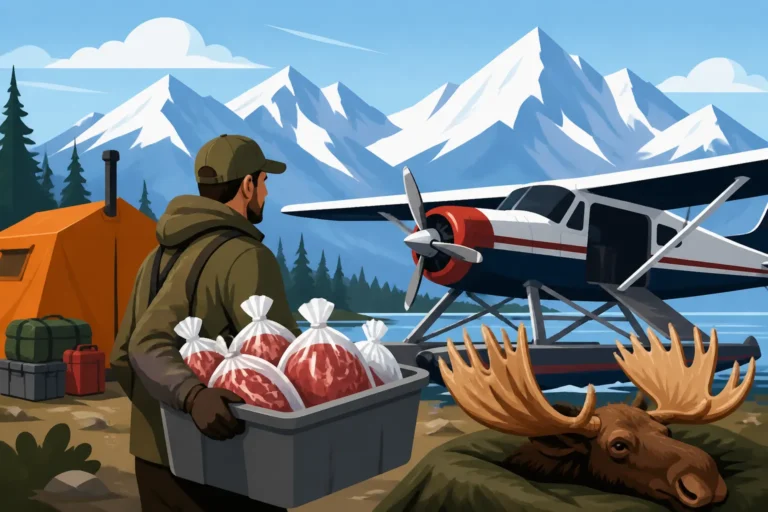
Ask about their standard operating procedure for field care of meat and trophies. How quickly will the meat be cooled and placed in game bags? What are the plans for hanging meat to protect it from bears? How is the trophy (cape and skull) handled for transport to ensure it reaches a taxidermist in good condition? Will they assist with processing the meat for transport, or is that your responsibility? Discuss freight options for getting meat and trophies from the field back to civilization, and ultimately to your home. This could involve small bush planes, cargo flights, or specialized shipping. Don't forget to inquire about Cape and Skull Care for a Brown Bear Hide if you're targeting bear, as specific regulations apply to sealing.
Travel and Communication After the Hunt
Getting home after a successful (or even unsuccessful) hunt can have its own set of challenges, particularly in bush Alaska.
Clarify the transportation plan for getting you from the hunting area back to the nearest town or major airport. Does the guide assist with booking commercial flights or provide transportation to the airport? What is the expected timeline for being picked up from your final camp? Remember that weather can cause significant delays, so ask about contingency plans for extra nights in the bush or unexpected layovers. Ask about check-in procedures if you're using an air taxi for a drop camp – for instance, Radio or Satellite Check-Ins With a Pilot. A reliable guide will have a clear plan for your departure, ensuring a smooth transition back to civilization.
Financial Clarity and Cancellation Policies
Hidden costs and unclear cancellation terms can quickly sour an otherwise excellent experience. Demand full transparency on all financial matters.
Table: Key Financial Questions to Ask Your Alaska Guide
| Category | Specific Questions to Ask |
|---|---|
| Base Price | What exactly is included in the stated price? Are there any hidden fees or surcharges? |
| Additional Costs | What are typical extra costs (e.g., tags, license, air taxi overages, extra days, gratuities, meat/trophy shipping)? |
| Payment Schedule | What is the deposit amount? When are subsequent payments due? What payment methods are accepted? |
| Cancellation Policy | What happens if I need to cancel? Is the deposit refundable or transferable? What if the guide cancels? |
| Weather Delays | Who bears the cost if the hunt is delayed due to weather (extra charter flights, additional camp days)? |
| Trophy Fees | Are there any trophy fees for specific species or for taking an additional animal? |
| Gratuities | What is the customary tipping protocol for guides and camp staff? |
Get all financial terms in writing as part of your Guide Contracts and Deposits in Alaska. Discuss their cancellation policy in detail. What happens if you have to cancel due to unforeseen circumstances? What if they have to cancel or cut short a hunt due to weather, mechanical issues, or other reasons? Will you receive a refund, a credit, or a rescheduled hunt? Understanding these terms upfront can save a lot of heartache and financial strain later. You might also consider hunt insurance for cancellations, which some providers offer. This is where researching guides on platforms like BookYourHunt can be beneficial, as they often have standardized booking processes and cancellation policy disclosures, making comparisons easier.
Final Preparations and Expectations
Even after the contract is signed, there are still important questions to ask to ensure you're fully prepared and that your expectations align perfectly with your guide's.
Gear Lists and Physical Conditioning Advice
A good guide is invested in your success, and that includes ensuring you show up physically and mentally ready, with the right gear.
Ask for a detailed gear list well in advance of your hunt. Don't just get a generic list; ask if there are specific brands or types of gear they recommend or discourage, especially for critical items like rain gear, boots, and sleep systems given the specific climate of your hunting area. If it's a strenuous hunt, ask for advice on Training for a Backpack Sheep Hunt or general physical conditioning suggestions. They might recommend specific exercises or dietary considerations to help you prepare. Your guide's experience with the local conditions is invaluable here.
Communication Protocols and Emergency Contacts
Clarity on communication during the hunt and who to contact in an emergency is paramount for both your safety and peace of mind for those back home.
Before the hunt, establish a clear check-in schedule and method, both for you with your guide, and for your guide to communicate with outside contacts on your behalf. If you'll be using an InReach or satellite phone, confirm who carries it and how often it will be used for communication with family or friends. Ask about their designated emergency contact back home who can coordinate if anything goes wrong. Always leave a detailed Leaving a Trip Plan With a Contact who knows where you're going and when you expect to return. This simple step is one of the most important safety measures you can take.
Your Role and Responsibilities as a Client
Remember, this is a partnership. While the guide leads, you have responsibilities too, both ethical and practical.
Ask your guide to outline what they expect from you as a client. This might include carrying your own gear (within reason), assisting with camp chores, being attentive to instructions, following ethical hunting practices, and maintaining a positive attitude even when conditions are tough. Understanding your role helps foster a better working relationship and contributes to a more successful and enjoyable hunt for everyone involved. Don't be afraid to ask about Non-Hunting Companions in Camp if you are considering bringing someone along who isn't participating in the hunt, as guides often have specific policies and fees for this.
Taking the time to ask these detailed questions before booking an Alaska hunting trip will not only help you choose the right guide but also ensure you have a clearer understanding of the adventure ahead. It builds trust, minimizes surprises, and sets the stage for a truly unforgettable experience in the Last Frontier.
Disclaimer
This article is for general informational purposes only and does not constitute professional advice. Laws, prices and regulations vary by location and change over time. Consult a qualified professional for guidance on your specific situation.