Choosing a Float Hunt River by Water Level and Length
Choosing the right river for an Alaska float hunt can feel like trying to hit a moving target, especially with so many variables like unpredictable weather, fluctuating water levels, and the sheer vastness of the terrain. It’s easy to get overwhelmed trying to balance your desired trip length with the practical realities of river navigation. This comprehensive guide will walk you through the critical factors of water level and river length, helping you make an informed decision for a successful and safe float hunting adventure in the Last Frontier.
Understanding the Unique Demands of an Alaska Float Hunt
There's nothing quite like an Alaska float hunt. It's an immersive experience, blending the thrill of big game hunting with the adventure of river travel. But it's also a serious undertaking, demanding careful planning and a realistic understanding of what you're signing up for. Unlike road-system hunts or fly-in spike camps where your base is stationary, a float hunt means your camp moves with you, daily, through an ever-changing landscape.
What Makes a River Float Hunt Unique
A float hunt means you're not just a hunter; you're also a boatman, a navigator, and a wilderness traveler, all rolled into one. Your raft or packraft becomes your lifeline, carrying all your gear, food, and hopes for a successful trip downriver. This means every piece of equipment needs to be chosen for its multi-functionality and durability, and your navigation skills need to be sharp. You’re not just looking for game; you’re constantly evaluating the river ahead—scanning for hazards like sweepers, log jams, and hidden rocks, while simultaneously keeping an eye out for fresh sign on the banks or distant animals on the tundra.
The freedom of a float hunt is unparalleled. You can access remote areas that are otherwise difficult or impossible to reach on foot, covering significant ground each day. This mobility can be a huge advantage when targeting species like moose or caribou, which might be spread out along river corridors. Imagine drifting silently around a bend and spotting a bull moose feeding in the willows; that's the magic of a float hunt. However, this mobility also means you're always adapting. You're constantly setting up and breaking down camp, securing your boat, and ensuring all your valuable gear stays dry and intact, no matter what the river throws at you. It's a dance between patience and preparedness, where every decision matters.
Gear and Logistical Considerations for River Travel
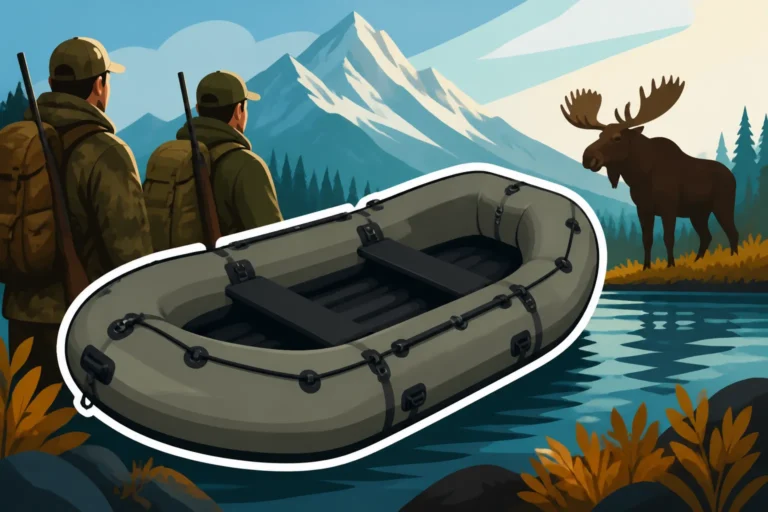
Before you even think about which river to float, you need to think about the vessel itself and what it entails. The size and type of raft you choose will heavily influence what kind of river you can safely navigate and how much gear you can bring. For instance, a larger raft designed for two hunters or more will offer more stability and cargo capacity, which is crucial if you plan on quartering a bull moose alone in the field and need to load a bull moose into a raft. However, a larger raft also requires more effort to paddle and maneuver, especially in tight sections or against headwinds.
Logistically, you'll be coordinating with an air taxi or bush pilot for both your drop-off at the headwaters and your pick-up at a designated take-out point downstream. This involves strict weight limits and careful packing, as everything you bring in must be packed into a compact, durable system. You'll need to consider how your gear will withstand constant exposure to water, mud, and rough handling. Dry bags are your best friend, and robust tie-down systems are non-negotiable. Furthermore, knowing how to properly set a take-out date with your pilot is crucial, as you’ll need to factor in not just your floating time, but also potential delays due to weather, scouting, or an unexpected harvest that requires extra days for butchering and meat care.
The Critical Role of Water Levels
When you’re planning an Alaska float hunt, the river’s water level isn’t just a detail; it’s a make-or-break factor that dictates everything from your travel speed to your safety. Alaska’s rivers, especially those fed by glaciers or heavy rainfall, can change dramatically in a matter of hours, presenting a completely different challenge than what you might have scouted on a map. Understanding how to interpret and anticipate these changes is paramount to a successful trip.
High Water: The Risks and Rewards
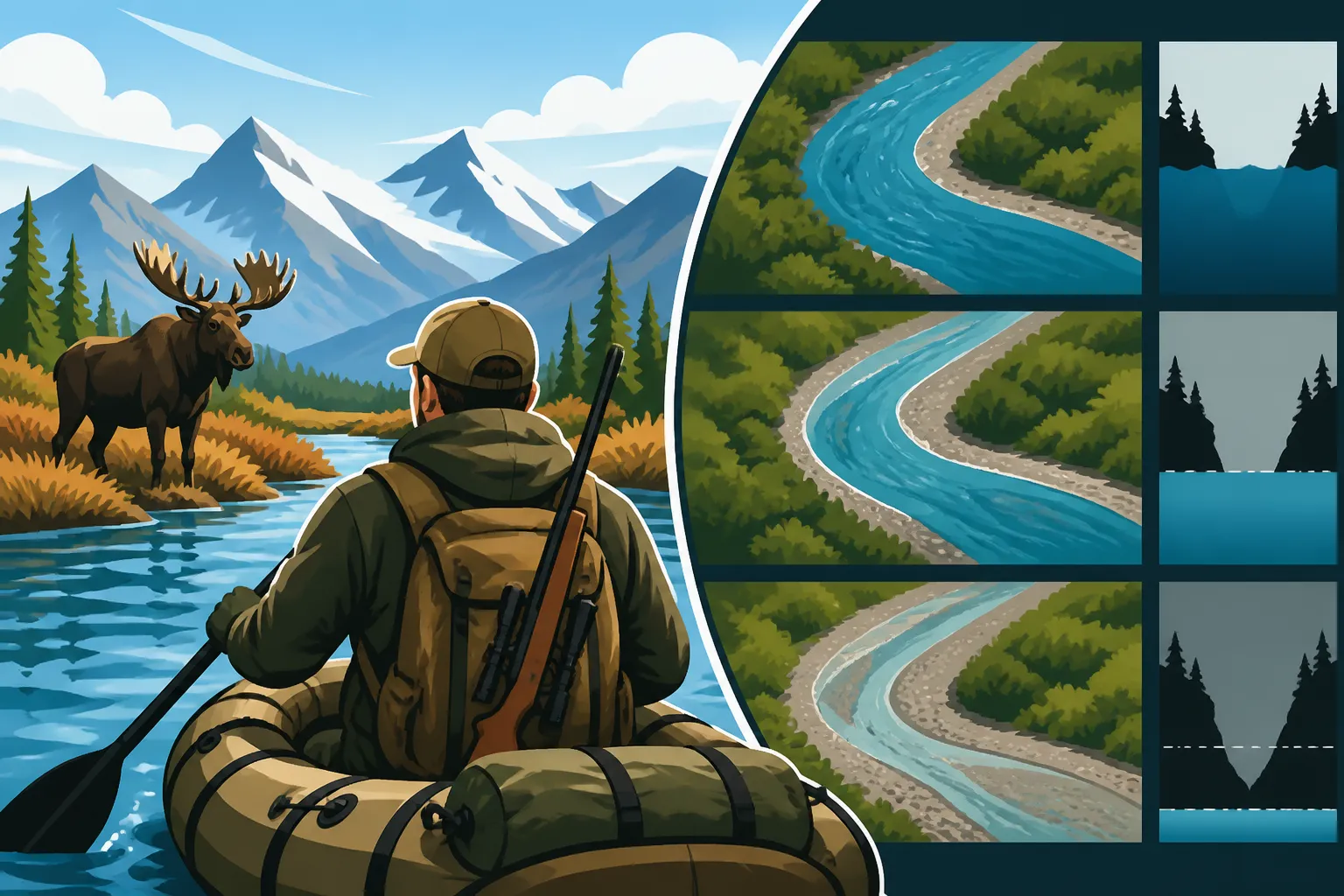
Floating a river during high water can be exhilarating. The current is often fast and powerful, allowing you to cover significant mileage with less effort. This means you can potentially access more hunting grounds or complete your float within a shorter timeframe, which is a major draw for hunters on a tight schedule. The river often spreads out, potentially opening up new channels that are usually too shallow to navigate. In some cases, high water can make certain stretches of river more accessible by submerging obstacles that would otherwise require portaging.
However, high water brings serious risks. The increased volume and speed of the current make the river far more dangerous. Sweepers and log jams, which are already significant hazards on Alaska rivers, become even more treacherous as they are often partially submerged and harder to spot, yet still capable of capsizing a raft or pinning you against their immense force. Scouting game can be much harder as the fast current gives you less time to observe the banks, and the water itself can be murky, making it difficult to spot fish or submerged obstacles. High water also often means recent rainfall, which can make for miserable, wet conditions in camp, and can also lead to more widespread flooding, impacting game movement and travel on land.
Low Water: Navigating the Challenges
Conversely, low water levels present a different set of challenges. While the current might be slower and the river seemingly more benign, you'll quickly discover that low water means more work. You'll spend a lot of time dragging your raft over exposed gravel bars and shallow riffles, which is physically exhausting and can significantly slow your progress. This often means you cover less ground each day than anticipated, forcing you to re-evaluate your float plan and potentially extend your trip. The slower current means you’ll be paddling more, adding to the physical toll of the hunt.
Despite the extra effort, low water can offer some distinct advantages. The clear, slower water makes it easier to spot submerged rocks and other obstacles, allowing for safer navigation. It also means excellent visibility for spotting game, as animals often concentrate near the more defined river channels for water. Gravel bars, which might be underwater during high flow, become exposed and offer prime camping spots or easy access for glassing. Additionally, lower water can concentrate fish in deeper pools, potentially providing an excellent opportunity for catching camp meat. The key here is patience and a willingness to put in the physical work required to navigate the shallow sections.
Predicting and Monitoring Water Levels
Predicting Alaska’s river levels is less of an exact science and more of an educated guess, but there are resources to help you prepare. Glacial rivers are often highest in the afternoon on warm, sunny days due to meltwater, while rain-fed rivers surge after significant precipitation events. Before your trip, check online resources from the National Weather Service (NWS) or the U.S. Geological Survey (USGS) for historical data and current streamflow conditions, if available for your chosen river. While remote Alaska rivers may not have real-time gauges, nearby rivers with similar characteristics can offer a good proxy.
Beyond numerical data, paying attention to the weather forecast for your specific hunt area is critical. Heavy rains upstream can cause a river to swell unexpectedly, even if the weather at your current location is clear. Conversely, a prolonged dry spell can lead to alarmingly low water. It’s also wise to talk to air taxi operators or guides who regularly fly into these areas. They often have invaluable, up-to-the-minute local knowledge about river conditions. When you're in the field, learn to read the river itself—look for fresh debris lines indicating recent high water, or exposed root wads that show a dropping trend. Your ability to adapt to these changes is a cornerstone of a successful Alaska float hunt.
Evaluating River Length and Trip Duration
Just like water levels, the length of your chosen float hunt river, and consequently the duration of your trip, is a central puzzle piece that needs to fit snugly with your available time, physical conditioning, and hunting goals. A river that looks manageable on a map can become a grueling test of endurance if not properly accounted for.
Matching River Length to Your Timeframe
The "length" of a river on a map doesn't always translate directly to how long it will take to float. A fast-flowing river with a good current might allow you to cover 20-30 miles in a day, while a slower, braided river could see you struggling to make 10 miles. It's easy to underestimate this, especially if you're excited and eager to get out there. Many hunters fall into the trap of trying to cram too many miles into too few days, leading to rushed hunting, missed opportunities, and unnecessary exhaustion.
Realistically, you need to budget for more than just floating time. This includes time for setting up and breaking down camp each day, scouting promising looking areas, hiking away from the river to hunt, processing any game harvested, and, crucially, contingency days for bad weather or unexpected delays. If your goal is a nine-day hunt, you might only budget six or seven days for actual floating, leaving a few buffer days. Overly ambitious itineraries are a leading cause of stress and can lead to dangerous decisions when you feel pressured to make miles. Remember, you're not just on a river trip; you're on a hunting trip, and hunting takes time.
Pacing Your Float for Success
Pacing is everything on an Alaska float hunt. It’s not a race; it’s an expedition. A well-paced float allows for productive hunting, enjoyable camp life, and time to truly appreciate the wilderness around you. This means being honest about your group's paddling experience, physical fitness, and how much time you genuinely want to spend on the water versus off the water, actually hunting. If you're constantly paddling just to make miles, you won't have the energy or focus to effectively scout for game or set up for a shot.
Consider what species you're targeting and their typical behavior. Moose, for example, often frequent river bottoms and willow thickets, making river bends and oxbows prime spots to slow down and glass thoroughly. Caribou might be found higher up on the tundra benches or crossing the river itself. A good float plan builds in flexibility. It allows for a "zero day" if a promising area demands more attention, or if weather pins you down. It also ensures you’re not still frantically paddling downstream as dusk approaches, looking for a suitable camp spot, which can be dangerous on an unfamiliar river.
Considering Take-Out Logistics
The take-out point is just as critical as the put-in. When choosing a river, you need to confirm that your intended take-out location is a viable landing strip for your air taxi pilot. River gravel bars that work as landing strips can change dramatically with water levels. What was a perfect landing strip last year might be too short, too soft, or entirely submerged this year. Communication with your air taxi operator is key here. They have intimate knowledge of these locations and can advise on the best spots based on current conditions and aircraft type.
Beyond the physical landing site, consider the logistics of retrieving your gear and game. If you've been successful, you might be looking at significant meat loads. This might necessitate multiple plane loads, adding to the cost and complexity. You’ll also need a plan for protecting your meat and trophies from bears while you wait for your pickup. Leaving gear cached on public land requires specific precautions and good planning. Always have a clear communication plan with your pilot, including signal devices and check-in plans for solo Alaska hunts or group hunts, so they know your progress and can be alerted to any changes or emergencies.
Researching Potential Rivers and Resources
Deciding on the perfect float hunt river isn't a spur-of-the-moment decision. It requires deep research, tapping into various resources, and understanding the nuances of different river systems in Alaska. The more you know before you go, the better equipped you'll be to handle whatever the wilderness throws your way.
Harnessing Topographic Maps and Satellite Imagery
Before you even speak to a pilot or read a single forum post, immerse yourself in maps. Topographic maps, like USGS quads, will show you elevation changes, which directly relate to gradient and current speed. Look for sections where contour lines are close together; these indicate steeper gradients and faster water, potentially with rapids or falls. Conversely, wider spacing suggests flatter, slower water, which might mean more paddling but also more time to glass. You can also glean information about surrounding terrain, which helps you plan for side hikes and identify potential game habitat.
Satellite imagery, available through tools like Google Earth or hunt planning platforms, is an absolute game-changer. This allows you to "virtually" scout a unit from satellite imagery before you fly, examining the river from above. You can spot braids, identify log jams, locate potential gravel bar landing strips, and get a feel for the density of vegetation along the banks. Look for clearings, old burn areas, or open tundra adjacent to the river, all of which can be prime hunting areas. Pay close attention to river bends and oxbows, as these often create excellent habitat and travel corridors for moose and caribou. Downloading offline maps before a fly-in is an absolute must, as cell service will be nonexistent in most remote areas.
Consulting Local Experts and Online Forums
Once you’ve done your digital homework, it’s time to tap into human experience. Air taxi operators are often a wealth of information. They fly these rivers constantly and have firsthand knowledge of current conditions, past hunter success, and specific hazards. Don't just ask about transportation; ask them about river characteristics, typical water levels for the season, and common animal movements. They might even suggest alternative rivers you hadn't considered.
Online hunting forums and social media groups dedicated to Alaska hunting are another excellent resource. Many experienced hunters are happy to share their knowledge, tips, and even river recommendations (though be prepared for some closely guarded secrets!). Search for trip reports from previous years for the rivers you're considering. Pay attention to details about water levels, float times, challenges encountered, and game seen. While every trip is unique, these accounts can offer invaluable insights into what to expect.
Leveraging Hunt Planning Tools like GoHunt
In today's age, technology can significantly streamline your hunt planning. Platforms like GoHunt offer incredible resources for Alaska hunters, combining mapping tools, detailed unit information, and data analysis all in one place. You can use their mapping features to mark potential put-in and take-out locations, scout game habitat, and even overlay satellite imagery with land ownership boundaries. This allows you to confirm that the river you're planning to float traverses public lands where hunting is permitted.
GoHunt also provides data on draw odds, harvest statistics, and season dates, which can influence your choice of river and species. For instance, if you're targeting moose, you can research which areas have higher success rates for float hunters and cross-reference that with rivers that are suitable for your skill level. By integrating all this information, GoHunt helps you move beyond guesswork, allowing you to build a robust, data-driven plan for your Alaskan float hunt, ensuring you maximize your chances of success and safety.
Safety Considerations and Contingency Planning
Alaska’s wilderness is as unforgiving as it is beautiful. A float hunt, by its very nature, puts you in remote, challenging environments where self-reliance is not just a virtue, but a necessity. Ignoring safety precautions or failing to plan for contingencies can quickly turn an adventure into a life-threatening ordeal.
Assessing River Hazards and Navigation Skills
Every river has its personality, and some are far more challenging than others. Before committing to a float, you must realistically assess your group's river navigation skills. Have you all paddled class I, II, or III rapids before? Do you know how to read currents, identify eddies, and maneuver a loaded raft through tight spots? Alaska rivers often feature powerful currents, tricky braids, and numerous sweepers and log jams on a hunting float. These can appear suddenly, especially after heavy rains or high winds, and demand quick, decisive action.
It's not enough to be proficient; you must be hyper-aware. One moment of inattention can have dire consequences. Practice self-rescue techniques before your trip, ensure your boat is properly rigged to prevent gear loss in a capsize, and always wear a PFD (personal flotation device). Understanding how to properly handle a boat in various river conditions, including strong headwinds or cross-currents, is paramount. Never assume the river will be easy; always prepare for the worst.
Communication and Emergency Protocols
In the vast expanse of Alaska’s backcountry, traditional communication methods like cell phones are practically useless. This makes satellite communication devices, such as an InReach or a satellite phone, absolutely essential. These devices allow you to send and receive text messages, track your progress, and, most importantly, send an SOS signal in an emergency. Establishing clear InReach check-in schedules for solo hunts or group hunts with a trusted contact back home is non-negotiable. This contact should know your float plan, including put-in/take-out locations, estimated daily mileage, and expected return date.
Beyond electronics, every member of your group should know basic first aid and CPR. Carrying a comprehensive first-aid kit, well-stocked for wilderness injuries, is critical. Understand how to treat common issues like hypothermia, severe cuts, fractures, and bear spray exposure. Have a clear, rehearsed plan for what to do in medical emergencies, animal encounters, or if a raft capsizes. This includes knowing how to signal for help, stabilize an injured party, and activate your satellite emergency beacon. Leaving a trip plan with a contact before you depart is one of the simplest yet most effective safety measures you can take.
Packing for the Unexpected
Packing for an Alaska float hunt means being prepared for everything. The weather can shift from sunny and warm to freezing rain and snow in a single day, regardless of the season. Your gear list needs to reflect this reality. Focus on layered clothing systems that can be adjusted to changing conditions. Quality rain gear, rated for sustained downpours, is absolutely critical. Imagine being stuck in a wet camp for days while waiting for weather to clear, or needing to quarter a bull moose alone in the field in a driving rain.
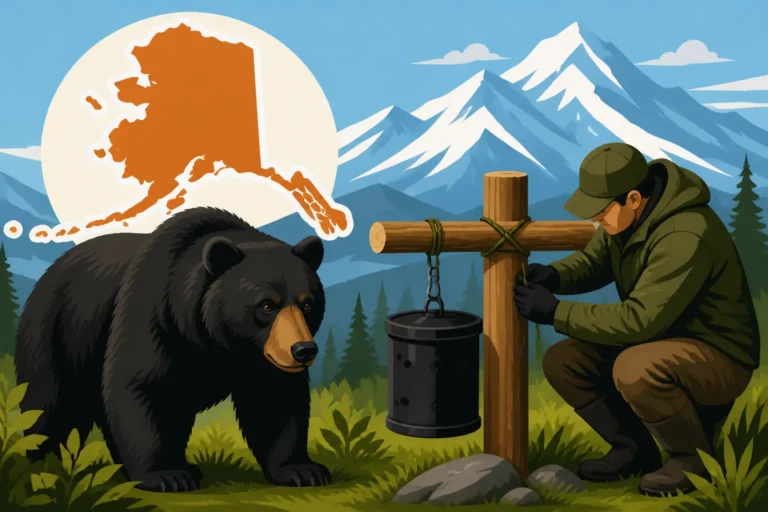
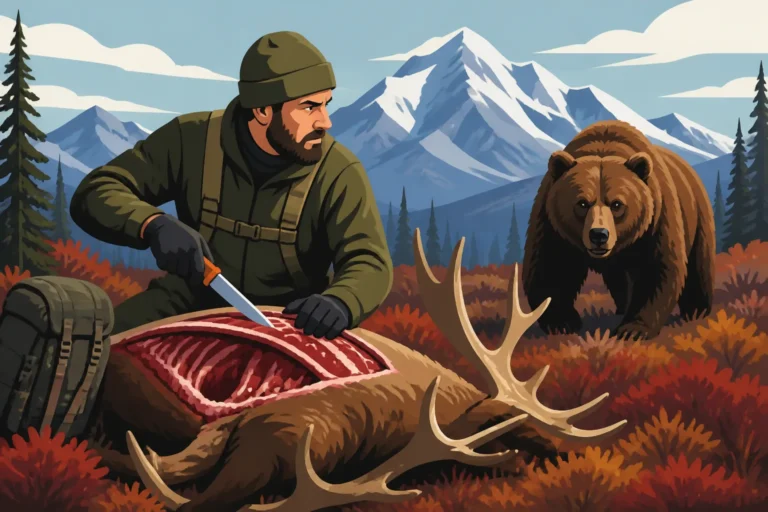
Beyond clothing, think about contingency gear: extra food for several unexpected days, a robust repair kit for your raft and other essential equipment, redundant fire-starting methods, and a reliable water filtration system. Even if you plan for a specific number of days, always carry a supply that could last longer. Bear safety while butchering a kill in Alaska is a significant concern, so reliable bear spray, a large caliber rifle, and a bear fence setup at a meat cache are not optional extras. The mantra for Alaska is "two is one, one is none." Have backups for your most critical items.
Making Your Final River Selection
After all the research, planning, and self-assessment, it’s time to bring it all together and make your final decision. Choosing the right river is about aligning your aspirations with the practicalities of the Alaskan wilderness and your own capabilities.
Balancing Expectations with Reality
It’s easy to get swept up in the romantic notion of an epic Alaska float hunt, but it’s crucial to temper those dreams with a dose of realism. Are you and your hunting partners truly in the physical condition required for potentially long days of paddling, hiking, and meat packing? Are your navigation skills sharp enough for challenging river sections? Have you honestly assessed your budget for air taxi costs, gear, food, and licenses, including something like the cost of a guided Alaska brown bear hunt or an unguided moose float?
One common frustration is the desire for a "trophy" hunt without the matching preparation. While Alaska certainly holds giant animals, they don't simply appear on demand. Success often comes down to hard work, patience, and adaptability. Don’t pick a Class III river if your group only has Class I experience, just because it holds bigger moose. There are plenty of fantastic hunting opportunities on more moderate rivers that will provide an unforgettable experience without pushing your safety limits. Choose a river that allows you to safely enjoy the journey and hunt effectively, rather than one that will stress you out or put you in danger.
Creating a Detailed Float Plan
Once you've settled on a river, the next step is to create a meticulously detailed float plan. This isn't just a casual itinerary; it's your roadmap for the wilderness and a vital document for your contact person back home. Your plan should include:
- Put-in and Take-out Locations: Precise GPS coordinates.
- Daily Mileage Targets: Realistic estimates based on river characteristics and your group's pace.
- Contingency Days: Account for weather delays, extra scouting, or meat processing.
- Camp Locations: Potential overnight spots, especially those with good bear protection or elevated terrain.
- Communication Schedule: Exact times you plan to check in via satellite device.
- Emergency Contacts: Air taxi, local Alaska State Troopers, and emergency medical services numbers.
- Gear List: A comprehensive inventory of everything you’re bringing.
- Bear Safety Protocols: Your plan for securing food and meat.
A great float plan isn't rigid; it's a living document. It has primary and secondary options for camp spots, alternative take-out points if conditions change, and a clear understanding of what triggers a "call for help." Share this plan with your air taxi pilot and your emergency contact. The more prepared you are, the more confident you'll feel, and the more you'll be able to focus on the magic of your Alaska float hunt.
Alaska Float Hunt River Considerations
| Feature | High Water Conditions | Low Water Conditions |
|---|---|---|
| Current Speed | Fast, powerful; covers more mileage | Slow, often requires more paddling/dragging |
| Navigation | Challenging; hidden sweepers, log jams; murky water | Easier to spot obstacles; exposed gravel bars; clear water |
| Hazards | Increased risk of capsizing, strainers, difficult rescues | Risk of getting stuck, raft damage from dragging over rocks |
| Scouting Game | Less time to glass, harder to spot game on fast banks | More time to observe, easier to spot game near water |
| Access | Can open new channels; easier to float over shallow areas | Restricted to main channel; frequent dragging over shallow spots |
| Camping | Fewer accessible gravel bars, muddy banks; higher water risk | More exposed gravel bars, easier beach access for camps |
| Game Retrieval | Fast current makes maneuvering with heavy loads more difficult | Slower current allows for more controlled loading and travel |
| Best For | Experienced paddlers, covering long distances | Patient hunters, meticulous scouting, less technical paddling |
| Prep Needed | Advanced whitewater skills, robust raft, heavy-duty tie-downs | Durable raft bottom, patience, strong paddling stamina |
Disclaimer
The information provided in this guide is for general informational purposes only and does not constitute professional advice. Alaska's wilderness environment is inherently unpredictable and dangerous. Hunting and river travel carry significant risks, including injury or death. Always exercise caution, conduct thorough personal research, and consult with experienced professionals such as licensed guides, air taxi operators, and local authorities before undertaking any hunting or float trip in Alaska. Adhere strictly to all Alaska Department of Fish and Game regulations and safety guidelines. Your safety is your responsibility.