Alaska Transporter Packages and Two-Hunter Minimums
Planning an Alaska hunting adventure often brings up a big question mark: how do you even get to those remote, untouched areas? For many independent hunters, the dream involves flying into the bush, dropping off, and tackling the wilderness on their own terms. But navigating the world of Alaska transporter packages and understanding the common "two-hunter minimum" can feel like deciphering ancient runes, leaving many feeling frustrated and confused about how to make their dream hunt a reality. This guide will meticulously break down what to expect from Alaska transporters, why group size matters so much, and how to successfully plan your unguided drop-off hunt without unnecessary stress.
Understanding Alaska Transporters Versus Guides
It’s crucial to understand the foundational difference between an Alaska transporter and a registered guide. This isn't just semantics; it's a legal distinction that profoundly impacts what services you can expect and, more importantly, what you're legally allowed to do in the field. Many new hunters, particularly nonresidents, mistakenly believe a transporter offers some form of basic guidance, but that's simply not the case in Alaska.
The Legal Distinction and What it Means for Your Hunt
In Alaska, a licensed big game guide is someone who, for compensation, accompanies or assists another person to take big game. This means they are actively involved in the hunt itself—they might scout, call game, track animals, provide advice on shot placement, or even retrieve game. They are responsible for ensuring you adhere to regulations and offering expertise in the field. Nonresidents hunting certain species, such as brown bear, Dall sheep, or mountain goat, must be accompanied by a licensed guide or a close relative who is an Alaska resident, thanks to Alaska's Second-Degree-Kindred Alternative to a Guide.
A transporter, on the other hand, is legally restricted to providing transportation only. They fly you and your gear to a remote location, drop you off, and pick you up at a pre-arranged time and place. That's it. They cannot offer advice on where to hunt, what to hunt, how to hunt, or even help you decide if an animal is legal. They can't set up your camp, retrieve your game, or assist in any way that could be construed as guiding. Their primary responsibility is your safe transportation into and out of the bush. It's vital to remember this distinction to avoid any misunderstandings or potential legal issues during your hunt. You are truly on your own once they drop you off, which is a big part of the appeal for many. For more detail on these services, you can look at Alaska Transporter Services Versus Guide Services.
Why Transporters are a Popular Choice for DIY Hunters
For hunters who relish independence, the challenge of a true wilderness experience, and the satisfaction of a self-accomplished hunt, transporters are an absolute game-changer. They open up vast tracts of roadless country that would otherwise be inaccessible, allowing you to immerse yourself in Alaska's raw beauty and test your skills against truly wild game. The primary draw for many is the significant cost savings compared to a fully guided hunt. While a guided brown bear hunt, for instance, can cost a substantial sum, a drop-off hunt with a transporter, even for an extended period, is typically far more affordable. This allows hunters to stretch their budget further, perhaps affording a longer trip or investing in better gear.
Beyond cost, the appeal lies in the freedom. You set your own schedule, plan your own movements, and make all the decisions in the field. There's an immense sense of personal achievement that comes from successfully navigating a remote landscape, locating game, and executing a hunt without professional assistance. This deep connection to the land and the animal is what many hunters seek, and a transporter makes it possible to access these wild places. However, this independence also comes with immense responsibility; every decision, every risk, every success, and every failure rests squarely on your shoulders.
Deciphering Transporter Packages
When you start looking into air taxi services in Alaska, you'll quickly realize that "transporter package" can mean a few different things. It’s not always a neatly bundled all-inclusive deal, and understanding what you’re actually getting (and what you’re not) is key to avoiding unpleasant surprises.
What's Typically Included in a Standard Package
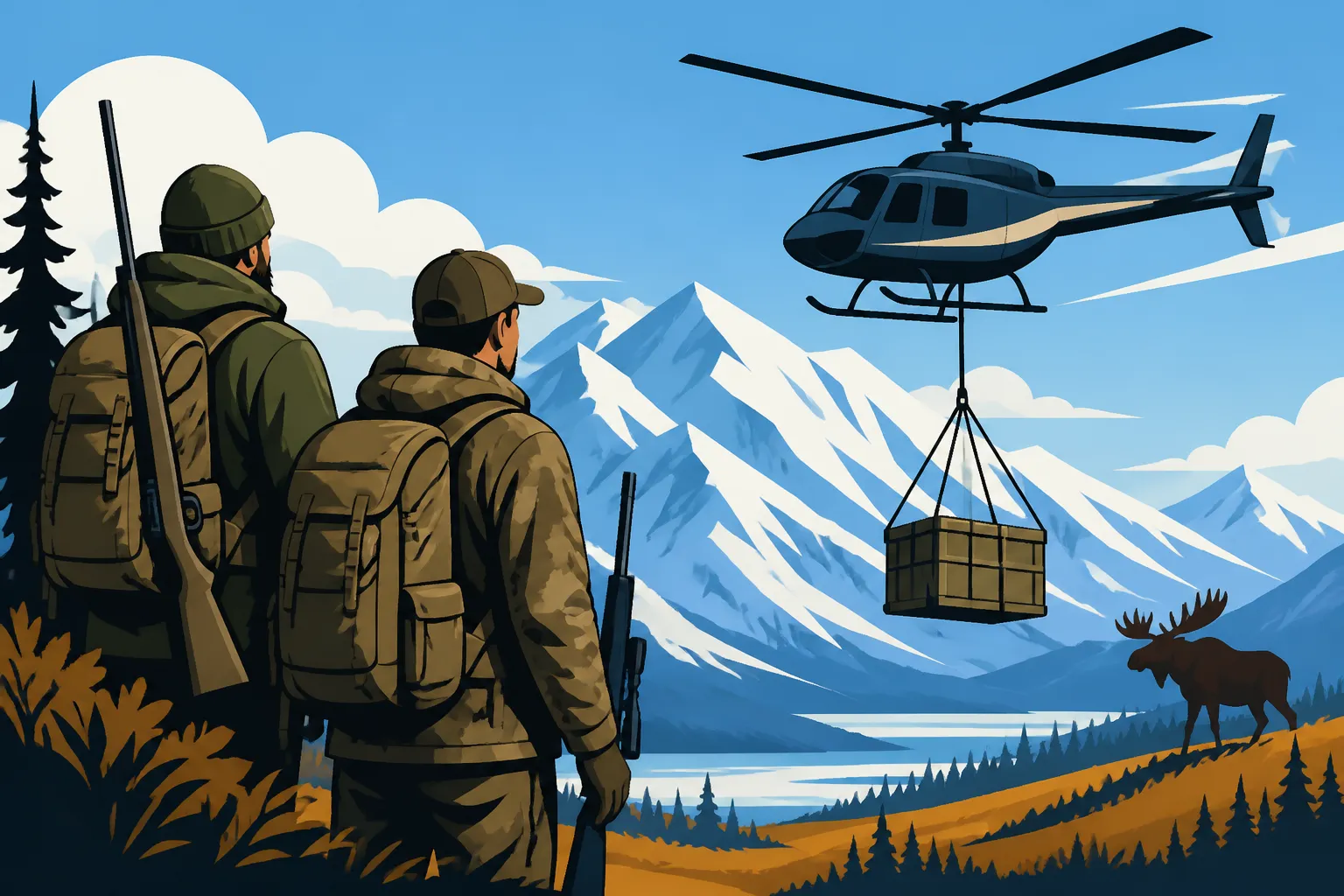
A standard transporter package usually focuses on the core service: air transport. This almost always means round-trip airfare for you and your gear from their base of operations (often a small town like Iliamna, Bettles, or King Salmon) to a pre-determined landing strip or lake in the bush. The type of aircraft might be a bush plane like a Super Cub, Cessna 185, or Beaver, depending on the terrain and your group's size and gear weight. Often, this includes an initial drop-off and then a later pickup, with a specific number of days booked in between.
Some transporters might offer very basic add-ons, such as rental of a canvas wall tent, a small cooking stove, or a satellite phone for check-ins. These are often offered as optional extras rather than automatically included. Crucially, the expectation is that you arrive at their base camp fully self-sufficient with all your food, personal hunting gear, and emergency supplies. For remote locations, the transporter might also include the cost of hauling out your meat and trophy, but this is an important detail to confirm, as extra flights for heavy loads can add significantly to the bill. Details on these costs are often available if you directly contact the transporter, but a good place to start researching options and what to expect might be a platform like BookYourHunt, which aggregates various outfitters and transporters.
Common Exclusions and Hidden Costs to Anticipate
Here's where many hunters run into trouble if they haven't planned meticulously. Transporter packages are rarely all-inclusive in the way a guided hunt might be. Expect to pay separately for your Alaska hunting license and any required big game locking tags. Food is almost never provided; you’ll need to plan and pack all your meals for the duration of your trip. Personal hunting gear, specialized cold-weather clothing, sleeping bags, shelters beyond what might be rented, and firearms are all your responsibility.
The "hidden" costs often stem from the unpredictable nature of bush Alaska. Weather delays are incredibly common. Fog, high winds, or heavy rain can ground planes for days, meaning extra nights in a hotel before or after your hunt, or even extended time in the field. Most transporters will charge for these additional flight hours if they have to wait for you or if you need to be picked up late due to weather. Heavy meat loads are another big one. If you kill a large moose or caribou, and your initial plane can't carry all the meat and your gear in one trip, you'll likely incur a charge for an extra "meat flight." This is where understanding Extra Charges for Overweight Gear and Second Trip Charges for Meat Hauling becomes critical. Furthermore, consider the costs associated with trophy care, taxidermy, and shipping your meat and antlers home from the remote drop-off point, or from the transporter's base camp. These can quickly add up and need to be factored into your overall budget.
| Service Category | Typically Included in Transporter Package | Often Excluded / Extra Cost |
|---|---|---|
| Transportation | Round-trip flight to/from bush camp | Extra flights for heavy meat/gear, weather delays |
| Accommodation | None (you bring your own tent) | Tent/stove rental (sometimes optional add-on) |
| Food & Drink | None | All meals, snacks, water purification supplies |
| Licensing | None | Alaska hunting license, big game tags |
| Gear | None (you bring all personal gear) | Specialized gear, firearms, sleeping systems, optics |
| In-Field Support | None (transport only) | Guiding, scouting, game recovery, camp setup, advice |
| Post-Hunt | Varies (meat haul sometimes included) | Meat processing, taxidermy, trophy shipping, overnight lodging |
The Ubiquitous Two-Hunter Minimum
You'll notice almost immediately when researching Alaska transporters that many, if not most, list a "two-hunter minimum" for their drop-off packages. This isn't an arbitrary rule designed to inconvenience solo adventurers; it's a practical necessity driven by safety, logistics, and economic realities in the Alaskan bush.
Why Transporters Often Require Two Hunters
The primary reason for the two-hunter minimum boils down to safety. Hunting in remote Alaska, far from any roads or towns, carries inherent risks. Weather can change drastically, accidents happen, and the presence of large predators like brown bears is a constant factor. Having at least two people significantly enhances safety. If one hunter is injured, the other can provide immediate first aid, build shelter, or attempt to contact the outside world via a satellite communication device. A solo hunter facing a serious injury or unexpected illness in the deep bush is in a far more precarious situation, relying solely on their communication device to work and for someone to respond and extract them.
Beyond safety, there are practical logistical considerations, particularly concerning weight distribution in bush planes. Small aircraft, like the iconic Super Cub, have strict weight limits. Balancing a plane with one person and all their gear, especially if they’re bringing back meat and a hide, can be challenging and less efficient. Two hunters allow for better weight distribution and often fill the plane closer to its economical carrying capacity. From an economic standpoint, flying an aircraft to a remote strip costs roughly the same in fuel and pilot time whether there's one person or two. Splitting that fixed cost between two individuals makes the trip more financially viable for the transporter, allowing them to offer a more competitive rate per person.
Implications for Solo Hunters and Small Groups
For the intrepid solo hunter, the two-hunter minimum can feel like a significant hurdle. It essentially means you'll likely pay the equivalent of two full fares to secure the plane. While it might sound daunting, some solo hunters embrace this, viewing it as the price of true solitude and ultimate independence. If you're determined to hunt solo, be prepared for this increased cost. It's often non-negotiable for safety reasons, as well as to ensure the transporter covers their operational expenses.
Small groups of three or five hunters might also face challenges, as bush planes are often configured for two to three passengers and a specific amount of gear. A group of three might be able to fit in a larger Cessna 185 or Beaver, but five might require two separate plane loads or a much larger, more expensive aircraft. Always discuss your exact group size and gear needs early in the planning process with any potential transporter to get accurate pricing and logistical feasibility. A platform like GoHunt, which focuses on providing detailed planning tools and outfitter information, can be useful for finding transporters that cater to different group sizes or for connecting with potential hunting partners.
Exceptions and Alternatives to the Two-Hunter Rule
While the two-hunter minimum is common, it's not universally absolute. Some transporters, especially those operating larger aircraft or offering specific pre-scheduled "milk run" flights to certain areas, might have limited availability for single hunters where you can purchase just one seat. However, this is often at the full per-plane rate, not a discounted single-person rate. It also means you're often tied to their specific schedule and drop-off points, which might not align perfectly with your hunt plan.
Another alternative for solo hunters is to actively seek out a compatible hunting partner. Online forums, hunting clubs, and even networking through services that connect hunters can be good avenues. Just ensure you thoroughly vet any potential partner to ensure they share your hunting philosophy, fitness level, and commitment to safety in the remote Alaskan wilderness. Compatibility is paramount when you're relying on someone else for safety in a challenging environment. Sometimes, if a transporter has an existing group booked for a specific time and area, they might be able to add a single hunter if space and weight allow, though this is less common and depends heavily on their schedule and policies.
Budgeting for an Alaska Transporter Hunt
Embarking on an unguided hunt in Alaska is a significant financial undertaking, even with the cost savings of using a transporter instead of a guide. A detailed budget is not just helpful; it’s absolutely essential to ensure you don’t run out of funds mid-trip or find yourself unprepared for unexpected expenses.
Breaking Down the Main Expenses
Let's dissect the typical costs you'll encounter. First and foremost is the transporter fee itself. This will be the largest single expense for most drop-off hunts, covering your round-trip flight. Remember, if you’re a solo hunter, you might be paying the two-person minimum rate. Next are your hunting license and tags. Nonresident license fees are higher than resident fees, and specific species tags (like moose or caribou) also come with their own costs. Always check current regulations and prices well in advance. Nonresident Hunting License Costs in Alaska and Alaska Big Game Locking Tags and What Each Costs are great resources for understanding these.
Food and gear represent another substantial category. Plan for all your meals, snacks, and drinks, calculating weight carefully. High-quality, lightweight backpacking food can be expensive, but crucial for an enjoyable and effective hunt. Specialized gear—such as high-quality rain gear, durable boots, a reliable tent, a warm sleeping system, and communication devices like a satellite phone or inReach—are investments, but absolutely necessary for safety and comfort in the Alaskan bush. Don’t skimp here. Travel to and from Alaska (airfare, potentially car rental, lodging in Anchorage or other gateway cities) needs to be factored in. Finally, meat and trophy processing and shipping can be surprisingly costly. Getting a moose or caribou hide and hundreds of pounds of meat from a remote camp to a processor, and then from Alaska to your home state, involves significant freight charges and potentially taxidermy fees.
The Value of Planning and Contingency Funds
The wild nature of Alaska means that perfect plans often go awry. This is why a contingency fund is not a luxury, but a necessity. Imagine you’re dropped off for a ten-day moose hunt, and on day nine, a fierce storm rolls in, grounding all flights for three days. You’ve just extended your trip by 30%, incurring extra lodging costs, potentially more transporter fees for the delay, and possibly needing to buy extra food if your supplies run low. These are real-world scenarios that happen frequently in Alaska. Building in an extra 20-30% buffer on top of your estimated costs for unexpected delays, additional gear needs, or unforeseen circumstances is a wise move.
Careful planning can help mitigate some risks. Researching Building Extra Days Into a Fly-In Schedule can help set realistic expectations. Utilizing resources like GoHunt or other detailed planning platforms can provide insights into typical costs, help you compare different transporter options, and refine your gear list. It’s also wise to investigate trip insurance, particularly for hunts in remote areas. This can cover some costs associated with flight delays, medical emergencies, or trip cancellations, offering peace of mind when venturing into the unpredictable Alaskan wilderness.
Choosing the Right Transporter and Package
Selecting the right transporter is just as critical as choosing your hunting area or your rifle. This person or company will be your lifeline to and from the remote wilderness, and their reliability, professionalism, and experience can make or break your hunt.
Researching Reputable Air Taxis and Their Services
Start by doing your homework long before you plan to depart. Look for air taxi services with a long-standing history of operating in the specific region you intend to hunt. Experience matters immensely in the Alaskan bush, where weather, terrain, and regulatory knowledge are paramount. Check online reviews, ask for references from past clients, and investigate their safety record. A good transporter will be transparent about their operations, aircraft maintenance, and pilot experience. Don't be shy about asking direct questions about their fleet, specific aircraft types, and their capabilities for different conditions. Some transporters specialize in certain areas or types of flying, such as float planes for lake access versus wheel planes for gravel bars.
Ensure the transporter is properly licensed and insured. While it's rare, issues can arise, and you want to know you're working with a legitimate and responsible operator. Services like BookYourHunt or specialized forums can be good places to gather initial information and compare options, but always follow up with direct communication and verification. The relationship you build with your air taxi pilot is often one of trust, as they hold your safety in their hands.
Asking the Right Questions Before Booking
Once you've narrowed down your choices, prepare a comprehensive list of questions for potential transporters. Don't assume anything.
- Weight Limits: What are the absolute maximum weight limits per hunter, including gear, firearms, and anticipated meat? Is there flexibility, or will excess weight require an extra flight at your expense?
- Gear Policy: Are there restrictions on firearms, ammunition, or certain types of camp gear? Ammunition Limits on Alaska Bush Flights is a good read.
- Communication: What are their check-in protocols once you're in the field? How often do you need to call, and what are their emergency communication procedures? Understanding Signal Devices and Check-In Plans for Solo Alaska Hunts is vital.
- Weather Delays: What is their policy if weather prevents your drop-off or pickup? Who covers the cost of extra days in the field or additional hotel nights? This is a crucial area to clarify. Look into What Happens if Weather Traps You in Camp.
- Meat and Trophy Haul: Is the cost of hauling out your game included in the initial fee, or is it an extra charge, particularly for large animals like moose? What are the logistics for a meat flight?
- Aircraft Type: What specific aircraft will they use? What are its capabilities for your chosen landing spot and load?
- Landing Sites: Can they land at multiple spots, or are you limited to specific airstrips or lakes?
- Payment and Cancellation: What are their deposit requirements, cancellation policies, and refund structures? Consider Hunt Insurance for Cancellations in this context.
A good transporter will patiently answer all your questions and instill confidence in their service. Be wary of anyone who is evasive or seems to rush you through the booking process without providing clear answers.
Preparing for Your Transporter Drop-Off
The period leading up to your drop-off in the Alaskan bush is intense, filled with anticipation and a flurry of last-minute preparations. Proper planning and packing are absolutely crucial for a successful and safe hunt.
Gear Weight Restrictions and How to Pack Smartly
Every bush plane has strict weight limitations, and exceeding them is not an option. Your transporter will give you a per-person weight allowance, typically ranging from 50 to 75 pounds, sometimes a bit more for larger aircraft. This includes everything you bring: your pack, rifle, food, tent, sleeping bag, and personal items. You’ll need to be ruthless in cutting weight.
Start by laying out all your gear and weigh it. Prioritize essentials. Opt for lightweight versions of everything. Soft-sided duffel bags are preferred over rigid suitcases, as they are easier to load into irregular spaces in a plane's cargo hold. Distribute heavy items evenly across your group's luggage. Consider what you absolutely need versus what would be merely nice to have. Do you really need that extra pair of boots if your primary pair is reliable? Can you get by with a smaller, lighter stove? Dehydrated meals are excellent for weight savings. Remember, every ounce counts, not just for the plane, but for your back when you’re packing out meat. Getting a handle on Weight Limits on a Super Cub Drop will be paramount here.
Essential Communication and Emergency Protocols
Once you're dropped off, you are on your own, but not entirely cut off. Communication with your transporter is paramount. Most groups carry a satellite phone or a two-way satellite messenger like an inReach or Zoleo. Establish clear check-in schedules with your pilot: daily, every other day, or at specific intervals. Stick to these check-ins. If you miss a check-in, the transporter will initiate their search and rescue protocol, which is expensive and time-consuming.
Before you leave the transporter's base, ensure you have a detailed flight plan, including your intended pickup location and date. Have a backup plan for communication should your primary device fail. What happens if you can't reach them at your scheduled pickup time? Discuss Pickup Windows and Late Pickups with your pilot. Know the nearest emergency services or contact points. Always leave a detailed trip plan with a trusted contact back home, outlining your itinerary, your transporter's contact information, and your emergency protocols. In the event of a medical emergency, understand the steps to take for potential evacuation. While transporters focus on transport, they are often the first point of contact for emergencies in the bush, and a clear plan saves valuable time when minutes count.
Disclaimer
This article is for general informational purposes only and does not constitute professional advice. Laws, prices and regulations vary by location and change over time. Consult a qualified professional for guidance on your specific situation.