Blacktail Deer Numbers After Deep Snow
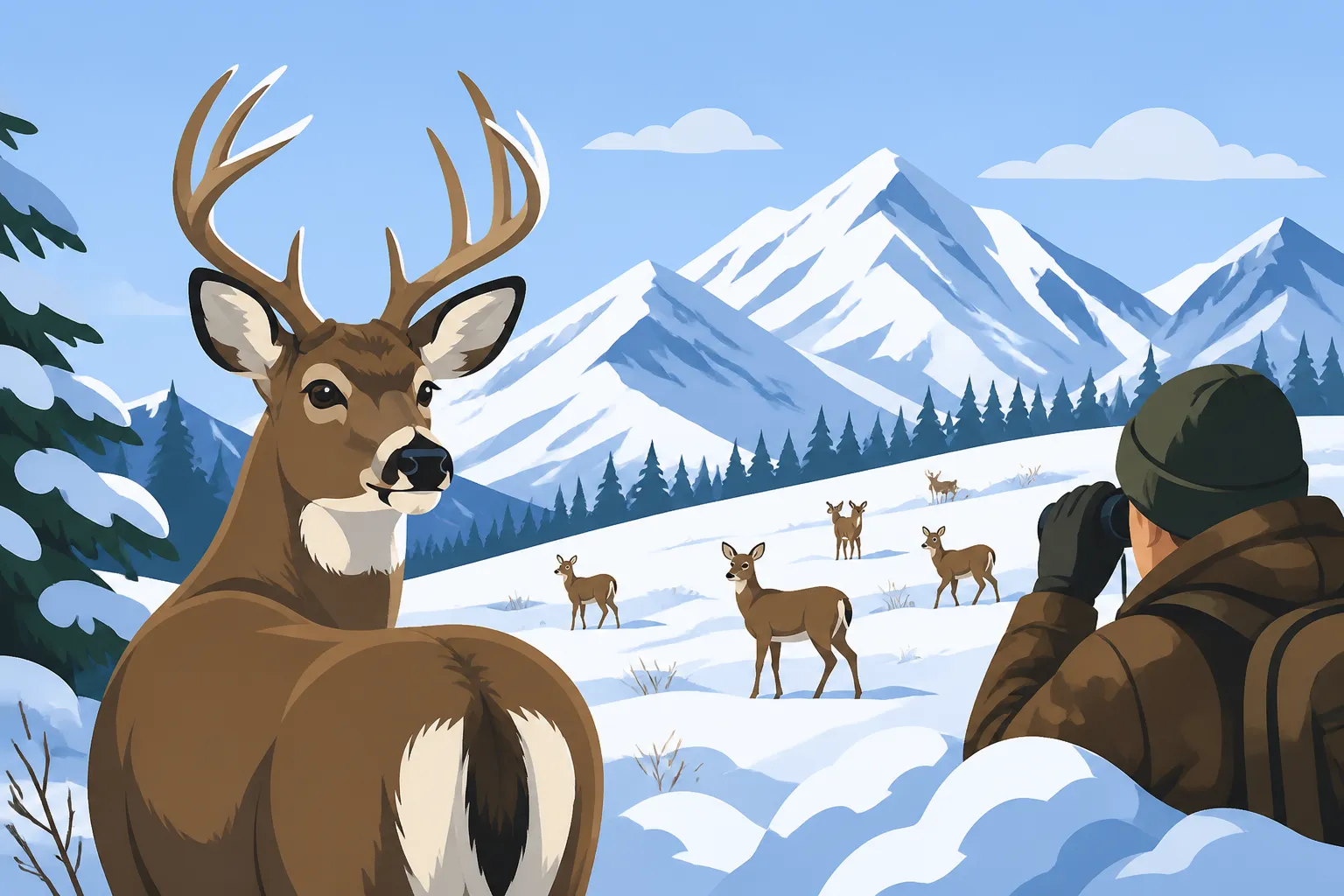
After a brutally long, snowy winter in Alaska, one of the first thoughts that runs through a deer hunter’s mind is often, "How did the blacktails make it?" The worry is real, and it’s a valid concern. Deep snow isn’t just an inconvenience; for Sitka blacktail deer, it can be a matter of life and death, dramatically impacting their numbers and challenging hunters to adapt. This guide will delve into the harsh realities deep snow imposes on these resilient deer, how their populations recover, and how you can approach hunting them after a severe winter.
The Brutal Reality: How Deep Snow Decimates Sitka Blacktail Deer
When the snow starts piling up in November and December, and then just keeps coming, it creates a cascade of problems for Sitka blacktail deer. These animals are incredibly tough, but there’s a biological limit to what they can endure. Unlike larger ungulates like moose, blacktails don't have the long legs to easily wade through chest-deep snow for weeks on end. The impacts are profound and often lead to significant reductions in herd numbers.
The Energy Drain and Starvation Factor
Imagine trying to walk through deep drifts all day, every day, just to find enough to eat. That's the reality for blacktail deer in a hard winter. Every step through heavy snow burns precious calories. Deer build up fat reserves in the fall, hopefully enough to sustain them through the leanest months. But prolonged deep snow depletes these reserves at an alarming rate. When snow is deeper than about 18-20 inches, deer have to work exponentially harder to move. For a deer, their energy budget is everything.
They're constantly looking for exposed browse — twigs, lichens, and moss that aren't buried. When the snow covers everything, especially in crucial wintering areas like low-elevation timber or south-facing slopes, the deer literally can't reach their food. You'll start to see distinct "browse lines" high up on shrubs and trees where deer have stripped everything within reach, indicating intense feeding pressure. If these browse lines extend high, it means deer are standing on considerable snowpack. This struggle often leads to starvation, especially among fawns and older animals who are less resilient. Deep Snow Winters and Alaska Deer Die-Offs are a somber, but important, topic to understand in this context.
Increased Vulnerability to Predators
A deer that’s struggling to move through deep snow is a deer at a severe disadvantage. Their natural agility and speed, their primary defenses against predators, are severely hampered. While Southeast Alaska typically has fewer large predators like wolves compared to the Interior, they are present on some islands and the mainland. Even smaller predators like coyotes or domestic dogs can become a significant threat when deer are weakened and bogged down.
Beyond direct predation, the sheer stress of constant evasion, coupled with the energy drain, leaves deer weaker and more susceptible to other dangers. They might try to escape to less snowy areas, exposing them to unfamiliar territory or road hazards. It's a compounding effect where one challenge leads to another, all contributing to overall mortality.
Disease and Delayed Breeding
A deer under severe nutritional stress isn't just thin; its immune system is compromised. They become much more vulnerable to diseases and parasites that a healthy deer might shrug off. Pneumonia, for instance, can become a significant killer in weakened herds.
Furthermore, the long-term impacts can extend to the following spring. Does that barely survive a harsh winter are often in poor body condition. This can lead to lower conception rates, smaller fawn crops, or even late-term abortions. Fawns born to stressed does may also be smaller and weaker, reducing their chances of survival into their first winter. So, even if the spring brings relief, the ripple effect of a deep snow winter can reduce population numbers for years to come by impacting reproductive success.
Reading the Landscape: Signs of a Struggling Herd
As hunters, we're constantly trying to understand what's happening in the woods. After a winter of heavy snow, this becomes even more critical. You can't just assume numbers will be the same. Learning to read the subtle (and sometimes not-so-subtle) signs of a struggling herd is essential for an ethical and successful hunt.
Visual Cues on the Ground
When you first get out into your favorite deer country after a tough winter, pay close attention. The most obvious sign of a population decline will be a noticeable decrease in deer sign. You'll see:
- Fewer Tracks: Where you might usually find a network of deer trails packed with fresh tracks, you'll now find sparse, isolated tracks, or none at all. This is especially true in areas that typically hold high numbers of deer.
- Carcasses: Sadly, after a truly devastating winter, you might encounter deer carcasses. These are grim reminders of the winter's toll. While difficult to see, they are definitive proof of mortality.
- Over-Browsed Areas: Look for shrubs and young trees that have been heavily browsed, with twigs stripped bare beyond what's normal. This indicates that deer were desperate for food. Combine this with browse lines that are unusually high, suggesting deep snow for extended periods.
- Lack of Fresh Sign: Beyond tracks, look for fresh droppings, beds, and rubs. A noticeable absence of these, particularly in prime feeding or bedding areas, is a strong indicator of reduced deer activity.
Comparing what you find to what you'd typically see after a mild winter can be stark. After a mild winter, deer sign is abundant, and the browse looks healthy. After a hard winter, the landscape tells a story of scarcity and survival.
Reports and Data from ADF&G (General)
Alaska Department of Fish and Game (ADF&G) biologists work tirelessly to monitor game populations across the state. They conduct aerial surveys, collect hunter harvest reports, and study winter severity indexes. While they won't have real-time data on every single drainage, their broader reports on winter conditions and population trends for specific Game Management Units (GMUs) can be invaluable. These reports might indicate areas that experienced particularly severe snowpack or where biologists anticipate lower fawn recruitment. Checking these general reports, often released well before hunting season, can give you a crucial heads-up on what to expect.
The Role of Scouting and Hunter Observation
There's no substitute for getting boots on the ground, or a boat on the water, to personally assess conditions. Early season scouting, even if it's just a hike into your usual hunting spots or a boat trip along the coastline, is incredibly important. You’re looking for evidence, or lack thereof, of deer activity.
Sometimes, the local knowledge is the best knowledge. Hunters talking to each other, sharing observations from their own scouting trips, can paint a more complete picture. While GoHunt doesn't provide real-time snow data, its platform often includes historical harvest data and community forums where hunters discuss conditions. Leveraging these resources for broad trends and anecdotal insights from other hunters can contribute to your understanding of where deer might be struggling or recovering. Knowing the general Sitka Blacktail Deer Population Cycles in Alaska is helpful, but severe winters can reset or delay these cycles.
The Long Road to Recovery: How Blacktail Populations Bounce Back
While deep snow can be devastating, Sitka blacktail deer are remarkably resilient creatures. Given the right conditions, their populations can, and often do, rebound. However, this recovery isn't instantaneous and depends on a mix of natural factors and careful management.
Natural Resilience and Favorable Summers
The inherent reproductive capacity of blacktail deer is a powerful tool for recovery. If enough does survive the winter in decent condition, they can produce fawns in the spring. A mild, abundant summer following a hard winter provides ideal conditions for these fawns to grow quickly and build up their own fat reserves. Lush, nutritious forage means does can recover their condition and be better prepared for the next breeding season. The survival of these fawns, and their subsequent breeding when they reach maturity, is the engine of population growth.
However, it's not just about one good summer. Consistent mild winters and productive summers are needed to truly rebuild a herd that has experienced a significant die-off. Sometimes, it can take several years of favorable conditions to see a noticeable increase in deer numbers back to pre-winter levels.
The Impact of Habitat Quality
The quality of the habitat plays an enormous role in both survival during a harsh winter and the speed of recovery afterward. Areas with a diverse mix of forage, abundant protective cover (especially dense conifer stands that intercept snow), and south-facing slopes that melt out quickly offer deer better chances. These "micro-climates" can be critical refuges. Deer that concentrate in these areas during the winter often represent the breeding stock that will kickstart the recovery.
For example, on islands like Prince of Wales or Kodiak, where deer populations can be robust, areas with good mixed forest cover and diverse plant communities will typically fare better than open, exposed areas. Hunters need to recognize these prime wintering habitats, as they will be the strongholds from which deer populations expand. Deer Populations on Prince of Wales Island can fluctuate significantly based on winter severity and habitat availability.
Management Adjustments and Hunter Patience
Wildlife agencies are keenly aware of the impact of severe winters. It's not uncommon for ADF&G to implement management adjustments, such as reducing bag limits, shortening seasons, or even closing specific areas to deer hunting for a season or two to allow populations to recover. These decisions are made based on population surveys and assessments of winter mortality.
As hunters, exercising patience and understanding these necessary adjustments is vital for the long-term health of the deer resource. Respecting reduced bag limits, even if you feel you could harvest more, is a key part of conservation. The goal is to ensure a sustainable population for future hunting opportunities.
Adapting Your Hunting Strategy to Post-Snow Conditions
After a hard winter, you can't just hunt the same way you always have. Successful hunters are adaptable. Your strategy needs to reflect the reality of potentially lower deer numbers and altered deer behavior.
Shifting Focus and Lowering Expectations
The first step is to temper your expectations. It’s highly unlikely you’ll see the same number of deer you might have encountered after a mild winter. Instead of focusing on quantity, shift your focus to quality of experience and the pursuit itself.
Your hunting areas might need to change, too. Deer that survived a harsh winter will likely concentrate in the best available habitat. This means targeting traditional wintering grounds, areas with dense cover, lower elevations, and those coveted south-facing slopes that cleared of snow first. Forget about glassing vast alpine basins early in the season; deer will be much lower than usual, conserving energy and seeking easy forage. Consider Hunting Sitka Blacktail Deer in the Alpine Before Snow an unlikely prospect if the previous winter was brutal, at least for the early part of the season.
Prioritizing Ethics and Conservation
After a significant die-off, every deer that makes it through contributes to the herd’s recovery. This is a time to consider your hunting ethics carefully.
- Passing on Younger Deer: Think about letting younger bucks and healthy does walk. Allowing them to mature and reproduce is a direct contribution to population recovery.
- Focusing on Older Animals: If you are committed to a harvest, consider targeting older bucks. While there's no official "trophy hunting only" rule, focusing on mature animals can leave younger, reproducing deer to rebuild the herd.
- Enjoying the Experience: Sometimes, the most rewarding hunt isn't about filling the freezer, but about the challenge, the scouting, and being in the Alaskan wilderness.
Utilizing Data and Community Knowledge
Even when deer numbers are down, knowledge is power. Continuing to consult resources that compile historical hunting data can be very helpful. Platforms like GoHunt are excellent for looking at long-term harvest trends for specific units. While they can't predict current deer numbers, seeing how a unit has performed historically after known severe winters can give you a better idea of recovery timelines and potential success rates in different areas. The community aspects of such platforms also allow hunters to share their observations, giving you a wider anecdotal picture of conditions on the ground.
It's also worth remembering that Kodiak Nonresident Deer Bag Limit and other area-specific regulations are often set with these population fluctuations in mind, so always double-check the current regulations for your specific hunt area.
Exploring Diverse Habitats
Don't be afraid to try new approaches or areas that you might not typically hunt for blacktails. If the high country or deep timber seems devoid of deer, consider other options:
- Coastal Beaches: Skiff Hunting Deer Along Saltwater Beaches can be incredibly effective, especially if deer were pushed to the coast for exposed forage. Tidal flats and beach fringes often provide accessible food during and after heavy snow. Be prepared for Packing a Deer Off a Beach at Low Tide.
- Southeast Alaska Timber: Deer might be concentrated in the densest timber, seeking thermal cover and any available browse. Pushing Deer Out of Southeast Alaska Timber might be a tactic to explore, though it's labor-intensive.
- Less Traveled Areas: Sometimes, overlooked pockets of habitat, accessible by Tongass National Forest Deer Country trails or small boat, can hold surprising numbers of deer that managed to escape the worst of the winter.
After a deep snow winter, every hunting trip becomes a reconnaissance mission. You're not just hunting; you're actively assessing, learning, and contributing to the understanding of these amazing animals. The resilience of Sitka blacktails is remarkable, and with careful management and thoughtful hunting, they will always be a cornerstone of Alaska's hunting heritage.
Snow Depth and Blacktail Deer Impact
Understanding how different snow depths generally affect Sitka blacktail deer can help you assess conditions. This is a general guide; local factors like temperature, crusting, and available forage will also play a significant role.
| Snow Depth | General Impact on Deer | Implications for Hunters |
|---|---|---|
| 0-12 inches | Minimal impact; deer move freely, browse easily. | Deer widely dispersed, can be found in alpine, timber, and coastal areas. |
| 12-20 inches | Increased energy expenditure; movement slightly restricted; some forage harder to access. | Deer may start concentrating in traditional wintering grounds, lower elevations. |
| 20-30 inches | Significant energy drain; severe movement restriction; critical browse often covered. | Deer highly concentrated in thermal cover, south-facing slopes. Mortality begins. |
| 30+ inches | Extreme energy drain; severe starvation risk; high mortality rates, especially fawns. | Very low deer numbers; survivors in most protected areas; recovery will take years. |
Disclaimer
This article is for general informational purposes only and does not constitute professional advice. Laws, prices and regulations vary by location and change over time. Consult a qualified professional for guidance on your specific situation.