Copper River Delta Moose Hunting
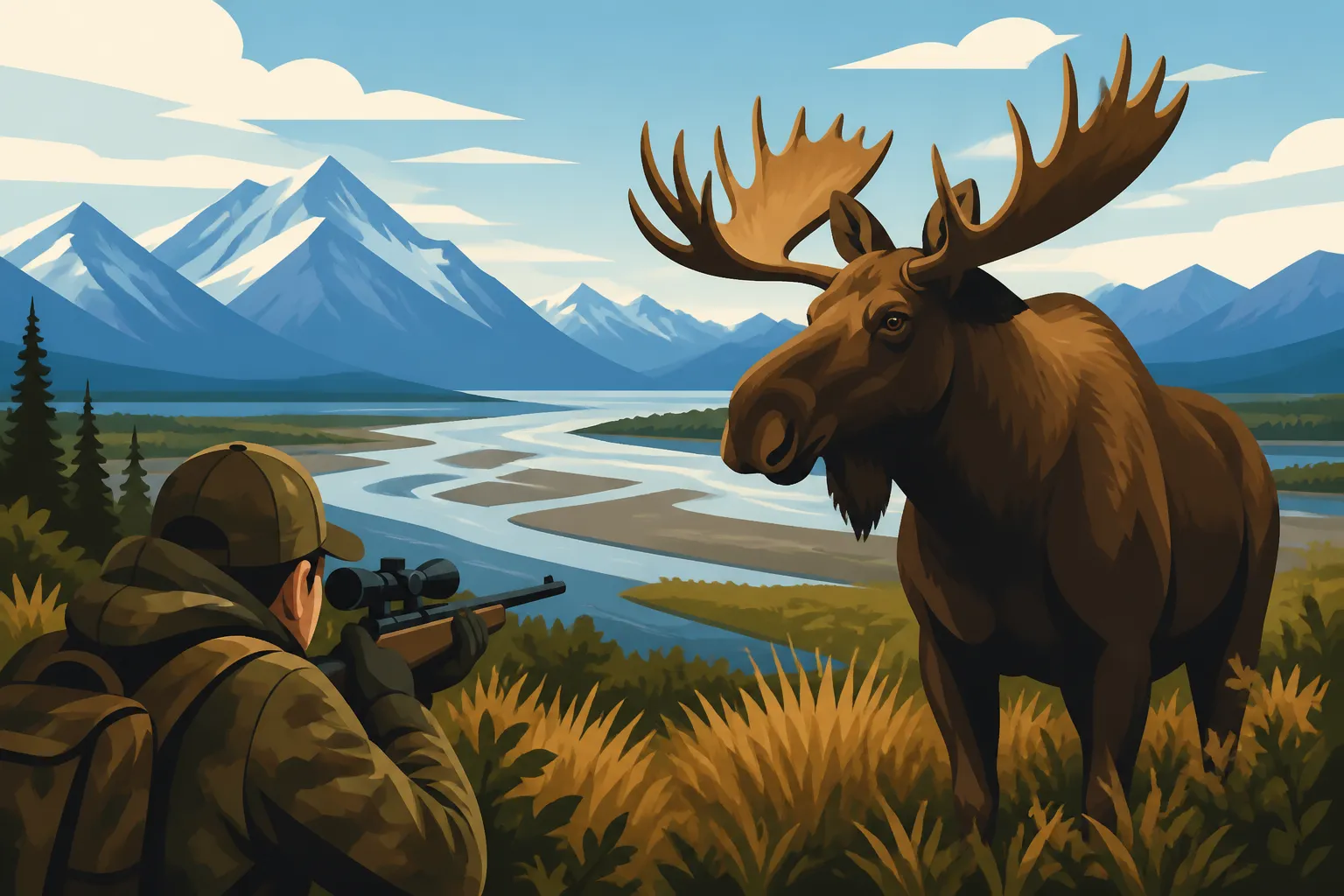
Hunting moose on Alaska's vast Copper River Delta isn't for the faint of heart; it's a wilderness of braided rivers, dense alders, and unpredictable weather that can overwhelm even seasoned hunters. This guide is here to unravel the complexities of this unique landscape, helping you understand the terrain, access options, and strategies needed to successfully pursue a bull in one of Alaska's most challenging yet rewarding hunting areas.
Understanding the Copper River Delta as a Moose Hunting Area
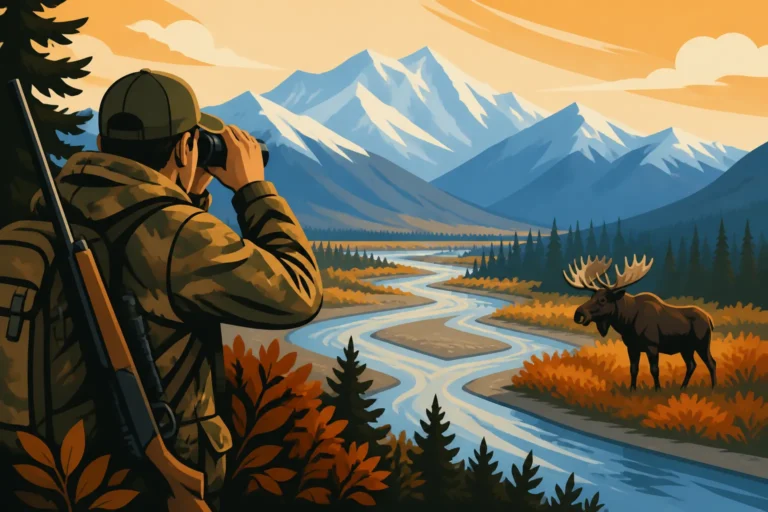
The Copper River Delta is a truly immense and dynamic landscape, carved by glacial outwash and fed by the powerful Copper River itself. Imagine an area roughly the size of Rhode Island, but instead of towns and roads, picture a sprawling tapestry of braided river channels, countless sloughs, sand and gravel bars, thick alder thickets, and scattered pockets of spruce and cottonwood. It’s an ecosystem in constant flux, where the rivers routinely re-route themselves, and the tides push saltwater far upstream, influencing both vegetation and animal behavior.
The Unique Habitat and Moose Concentration
Unlike the Interior's vast boreal forests or the brushy hillsides of the Kenai, the Delta offers a different kind of moose habitat. While the sheer amount of water and alder can make travel incredibly difficult, it also provides an incredible abundance of browse, especially young willow and alder regrowth. Moose thrive in these nutrient-rich environments. The sheer scale of the Delta means moose populations can be quite healthy, but they are also spread out, making them a challenge to locate. Finding those pockets of high-quality browse, particularly in older burn scars or along the edges of higher ground that don't flood, is critical. Look for areas where the alders are just tall enough to provide cover and feed, but not so dense that a bull can disappear entirely without a trace. Understanding Moose Habitat in Alaska Burn Scars can be helpful, as the Delta experiences wildfires, too.
Coastal Influence and Weather Realities
One of the most defining characteristics of the Copper River Delta is its proximity to the Gulf of Alaska. This means weather patterns are heavily influenced by the ocean, often resulting in persistent rain, strong winds, and dense fog. A sunny, calm morning can quickly give way to a white-out downpour. This isn't just an inconvenience; it can impact visibility, scenting conditions, and travel plans, especially for those relying on small aircraft or boats. Hunters must be prepared for everything from crisp, clear days to multiple days of relentless drizzle, and gear choices, from rainwear to tents, need to reflect this reality. This coastal influence also means that tides play a significant role in water levels on many sloughs and side channels, affecting boat access and even exposing vast mudflats at low tide.
Accessing the Delta: Water, Air, and Limited Road Systems
Getting into the Copper River Delta is often half the battle, and it requires careful planning. There are very few roads, and the vast majority of the hunting area is only accessible by watercraft or aircraft. Your choice of access method will heavily dictate your hunting strategy, the amount of gear you can bring, and your overall timeline.
Float Hunting the Braided River Systems
Float hunting is arguably one of the most iconic and effective ways to access the heart of the Delta. Hunters typically fly into an upstream lake or gravel bar and then float down one of the myriad river channels back towards the coast or a pre-arranged pick-up point. This allows you to cover vast distances, access areas unreachable by other means, and effectively hunt from the water. However, it's not without its challenges. The braided nature of the Copper River and its tributaries means constant vigilance for snags, sweepers, and ever-shifting channels. You need to be prepared for shallow water, strong currents, and potentially long portages if you hit a dead-end slough. A sturdy raft of appropriate Raft Size for a Two-Hunter Moose Float is essential, as is knowing how to navigate these dynamic waterways.
The logistics of a float hunt require careful planning, from your put-in to your take-out. You’ll need a solid understanding of how much gear your raft can handle, and realistic expectations about how much ground you can cover each day. Many float hunters focus their efforts on glassing the banks as they drift, looking for moose feeding in the willows or standing on gravel bars. Once a bull is spotted, it’s often a sprint to beach the raft and get into a shooting position. The sheer amount of meat from an Alaska-Yukon moose means you'll need ample space in your raft to pack out quarters, hide, and antlers. For a comprehensive overview, look into Float Hunting Alaska Rivers for Moose and Caribou.
Fly-In Access to Remote Delta Areas
For those looking to reach truly remote pockets of the Delta, or specific areas that aren't conducive to floating, an air taxi is an excellent option. Float planes can drop you off on suitable lakes or wider, deeper sloughs, while wheel planes can land on numerous River Gravel Bars That Work as Landing Strips scattered throughout the system. This method offers unparalleled flexibility in choosing your hunting location, often allowing you to get further from any potential pressure.
However, fly-in hunts come with their own considerations. Weight limits on bush flights are strict, so meticulous gear planning is paramount. You'll need to pack light, but not so light that you compromise safety or comfort in the notoriously wet Delta weather. Weather delays are also a very real possibility, and it's wise to plan for Building Extra Days Into a Fly-In Schedule into your itinerary for both drop-off and pick-up. Always have an emergency communication plan in place, and understand the terms of your air charter regarding delays and extra flights for meat. Mapping tools like onX Hunt become absolutely invaluable here. You can download offline maps to track your movements, mark key game sign, and pinpoint potential landing zones or pick-up spots for your air taxi, even far from any cell service.
| Access Method | Pros | Cons |
|---|---|---|
| Float Hunting | Covers vast distances; accesses otherwise unreachable areas; "hunt from the boat" efficiency; good for packing out large animals. | Requires significant river navigation skills; prone to snags/sweepers; weather dependent; limited to river corridors; long retrieve for kills off the main channel. |
| Fly-In (Float Plane) | Accesses deep interior lakes/sloughs; precise drop-off; good for base camps. | Strict weight limits; weather dependent for landing/takeoff; can be more expensive; limited to lakes/deep water; challenging retrieve if kill is far from water. |
| Fly-In (Wheel Plane) | Accesses numerous gravel bars; more flexible with landing spots than float planes; good for base camps. | Strict weight limits; weather dependent for landing/takeoff; often requires longer hikes from landing strip; gravel bar quality can vary. |
Key Strategies for Hunting Moose in the Copper River Delta
Hunting moose on the Copper River Delta demands a specific set of strategies, primarily due to the dense cover, expansive waterways, and often vocal nature of the animals during the rut. Patience, keen observation, and the ability to adapt to changing conditions are your greatest assets.
Calling and Locating Bulls
The Delta moose, like most Alaska-Yukon moose, are highly responsive to calling, especially during the peak of the rut in mid-September. The thick alders and willows mean that visual spotting can be extremely difficult, making calling an indispensable tool. Aggressive cow calls, coupled with antler rattling or raking a scapula through brush, can effectively draw bulls out of the dense cover. Many hunters will set up near known Willow Flats Versus Spruce for Bull Moose, particularly those interspersed with small ponds or sloughs, and then begin their calling sequences. Early mornings and late evenings are typically the most productive times.
When a bull responds, be prepared for him to circle downwind before committing. This means positioning yourself carefully, often using natural terrain features or dense cover to conceal your approach. Be ready to move quickly and quietly once a bull starts coming in. Sometimes, the only glimpse you’ll get is a dark shape moving through the alders or the tell-tale shimmer of antlers. Persistence is key; if a bull answers but hangs up, try subtle calls, or even backing off slightly and re-engaging to make him curious enough to close the distance.
Spot-and-Stalk in Open Areas and Glassing
While much of the Delta is choked with thick brush, there are also more open areas, particularly along river channels, gravel bars, and older burn scars. These spots are ideal for traditional spot-and-stalk tactics. Glassing from any elevated position—even a small knoll or a tall spruce stand—can significantly increase your chances of spotting a moose. Take your time and thoroughly scan the edges of willow thickets, beaver ponds, and transition zones between different vegetation types. A high-quality spotting scope and binoculars are critical for picking out a rack at a distance.
Once a moose is spotted, particularly a bull, the stalk requires careful planning. Consider wind direction, available cover, and the moose's likely escape routes. With such dense cover, a missed shot or a spooked animal can easily disappear without a trace. Always consider the recovery. Quartering a Bull Moose Alone in the Field is a serious endeavor, especially in this wet, brushy environment. Remember to carry a sidearm and practice Bear Safety While Butchering a Kill in Alaska, as the Delta is prime brown bear country.
Regulations, Access, and Preparation for a Delta Hunt
Before you even step foot on the Copper River Delta, you need to understand the regulatory framework and put in the necessary preparation. This isn't a casual weekend trip; it's a serious expedition that requires attention to detail regarding permits, gear, and safety.
Permits and Seasons for Copper River Moose
The Copper River Delta falls within specific Game Management Units (GMUs) with their own regulations for moose hunting. It's crucial to consult the Alaska hunting regulations booklet for the most current information regarding season dates, bag limits, and specific permit requirements for the units you plan to hunt. While some areas might offer general season opportunities, others could require registration permits or even drawing permits. Always double-check When Moose Seasons Open Across Alaska Units for your chosen unit.
For nonresidents, it's also important to remember that Alaska has specific requirements regarding guided hunts for certain species. While moose generally don't require a guide for nonresidents, confirming this for your specific hunt area and permit type is always wise. Understand the Alaska Moose Meat Salvage Requirements as well; you're responsible for salvaging all edible meat.
Essential Gear for the Wet and Wild Delta
Given the relentless rain, dense brush, and potential for deep water, your gear choices are paramount for a successful and safe Copper River Delta hunt.
- Rain Gear: This is not the place for cheap rain gear. Invest in top-tier, waterproof, breathable outer layers – jacket, pants, and gaiters. You'll be spending days in the wet, so staying dry is essential for comfort and preventing hypothermia. Think about Game Bags That Breathe in Coastal Rain to protect your meat as well.
- Footwear: Neoprene hip boots or chest waders are often indispensable, especially for wading sloughs or crossing flooded areas. Combine them with sturdy, waterproof hiking boots for when you're on drier ground.
- Navigation: A reliable GPS unit with pre-loaded maps, along with downloaded offline maps on a device like onX Hunt, is non-negotiable. The landscape can be disorienting, and features often look similar. Carry a compass and physical maps as a backup.
- Communication: Satellite messenger devices (like Garmin InReach or Spot) are critical for checking in with contacts, getting weather updates, and calling for emergency assistance. Cell service is practically nonexistent.
- Meat Care: Plan for how you'll handle a large animal in potentially warm, wet conditions. High-quality game bags are a must. Consider how you'll cool the meat, potentially using shaded areas or even submerging bags in cold water, especially if you're dealing with Hanging Meat in Warm September Weather.
- Shelter: A robust tent that can withstand heavy winds and rain is essential. Bring a lightweight stove for cooking and drying out wet clothes.
Before you even leave home, extensive research is key. Platforms like GoHunt offer a wealth of information and insights that can help you plan your Delta adventure, from unit data to hunting reports, giving you a competitive edge in one of Alaska’s wildest places.
Disclaimer
This article is for general informational purposes only and does not constitute professional advice. Laws, prices and regulations vary by location and change over time. Consult a qualified professional for guidance on your specific situation.