Yentna Drainage Hunting in Unit 16B
The Yentna Drainage in Game Management Unit 16B represents a vast, wild expanse of Alaska that calls to hunters seeking a true backcountry experience. However, the sheer scale and remoteness of this area can be incredibly daunting, leading many hopeful hunters to feel overwhelmed before they even begin planning. This guide aims to break down the complexities of hunting the Yentna Drainage, offering practical insights into its unique geography, the prime species it holds, crucial access methods, and essential preparation tips to help you navigate this iconic Alaskan hunting ground successfully.
Understanding Game Management Unit 16B: The Yentna Drainage
When we talk about Unit 16B, we're really diving into the heart of the Yentna Drainage, a substantial chunk of Southcentral Alaska that sprawls west of Anchorage and the Matanuska-Susitna Valley. It’s a place defined by its wildness, a massive roadless area crisscrossed by intricate river systems and studded with countless lakes. Understanding its layout is the first step in unlocking its hunting potential.
Geographical Scope and Key Features
Unit 16B stretches from the foothills of the Alaska Range south towards Cook Inlet, encompassing a mosaic of habitats. The dominant features are undoubtedly the major river systems: the Yentna, Skwentna, and Kahiltna rivers, all major tributaries of the mighty Susitna River, which itself forms part of the unit's eastern boundary. These rivers, along with countless smaller streams and sloughs, carve through vast lowlands characterized by dense spruce forests, extensive willow thickets, and large areas of boggy muskeg. It's a land saturated with water, which defines both its challenge and its bounty.
Imagine flying over this unit – what you'd see is an endless tapestry of green, broken by the winding ribbons of glacial rivers and the shimmering expanses of lakes, big and small. There are no towns, no major roads, just pure, untamed wilderness. This remoteness is a double-edged sword: it means less human pressure on game, but it also demands a higher level of self-sufficiency and planning from hunters. The landscape dictates everything, from how animals move to how you can even get your boots on the ground. For a broader perspective on how Alaska structures its hunting areas, you might find Alaska Game Management Units and How They Are Numbered a useful read.
Primary Game Species and Their Habitat
The Yentna Drainage is synonymous with big game, primarily moose and bears, though other species do roam these lands. Each animal has carved out its niche within this diverse habitat.
Moose: The Undisputed Monarchs
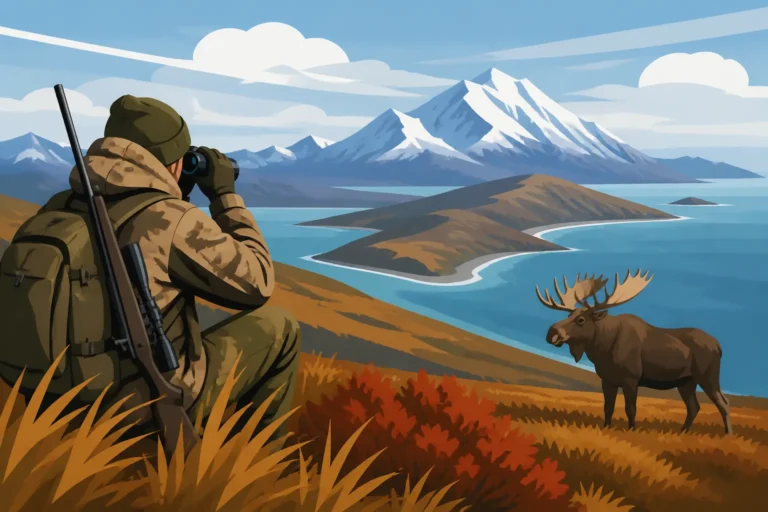
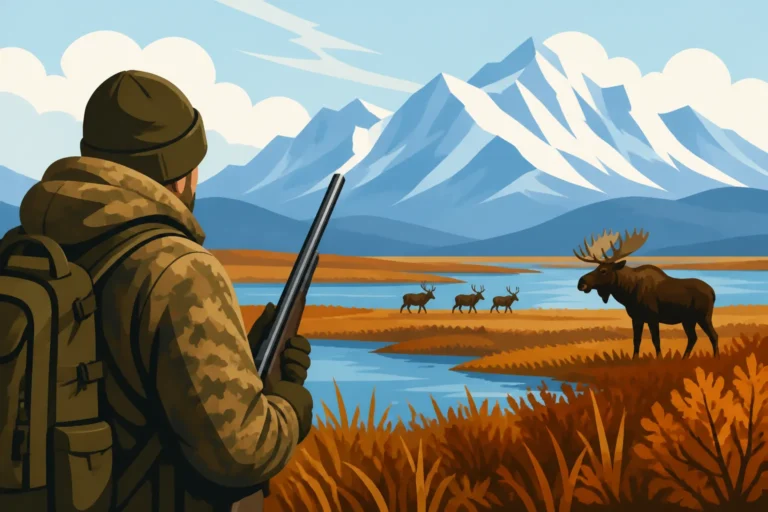
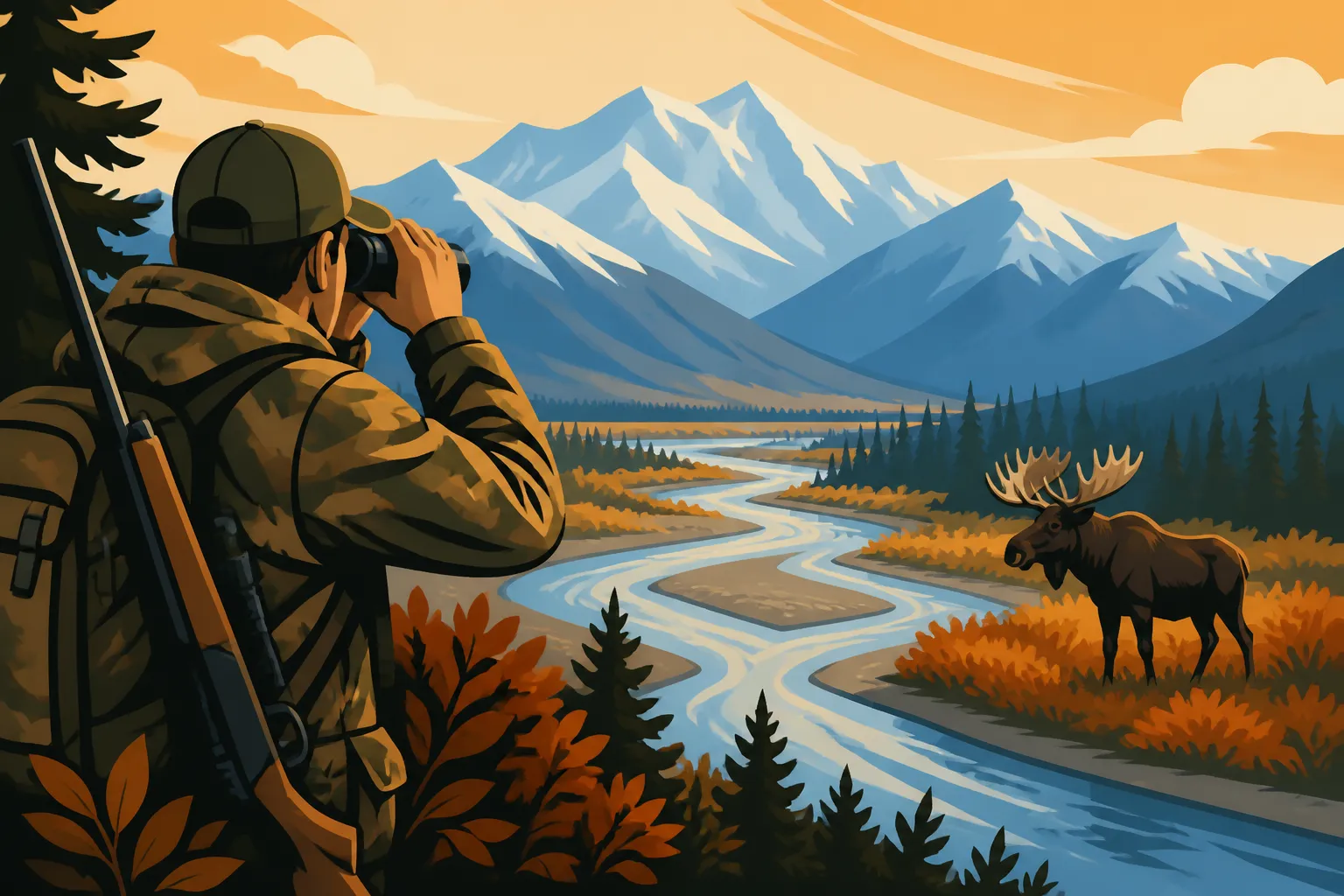
If there's one animal that defines hunting in Unit 16B, it's the Alaska-Yukon moose. This unit has a long-standing reputation for producing impressive bulls, a testament to its prime moose habitat. The vast willow flats, particularly in areas that have seen wildfires or glacial recession, provide an abundant food source. The countless waterways offer security and escape routes, and the general remoteness allows bulls to reach maturity with less disturbance.
During the pre-rut and rut, these river bottoms and willow pockets become prime territory for calling in bulls. Hunters often employ methods like float hunting, utilizing rafts or small boats to drift silently down rivers, spotting game along the banks, and then making a move. Understanding Alaska Moose: Where the Biggest Bulls Live can give you a deeper appreciation for the potential in this unit. It's a game of patience, stealth, and knowing when to use a cow call to pull a bull out of the thick brush.
Black Bear: A Widespread Presence
Black bears are common throughout Unit 16B, adapting well to the mixed spruce forests and river corridors. You might encounter them in a variety of color phases, from the typical black to cinnamon or even chocolate, adding another layer of excitement to an encounter. While not typically the primary target for most hunters venturing into the Yentna, they offer a fantastic opportunity for an incidental harvest or a dedicated pursuit, especially in areas rich with fall berries. Their presence requires constant vigilance, as they are often around, even if unseen. For more on these adaptable creatures, check out Alaska Black Bears in Spring and Fall.
Brown Bear/Grizzly: The Apex Predators
Unit 16B is also home to both black bears and brown bears (which are often referred to as grizzlies in interior Alaska). These powerful animals are particularly prevalent in areas closer to salmon spawning streams or the higher elevations leading towards the Alaska Range foothills. Nonresident hunters pursuing brown bear are required by Alaska law to hunt with a licensed guide, making a dedicated brown bear hunt a significant undertaking. The presence of brown bears adds a serious element of wilderness realism and mandates strict adherence to bear safety protocols, particularly when you're working a kill site. Knowing Rifle Choice for Alaska Brown Bear Country is paramount if you're venturing into their domain.
Other Wildlife
While moose and bears steal the spotlight, Unit 16B also supports populations of wolves and wolverines, offering incredible opportunities for those seeking to harvest these elusive predators. You might also spot smaller game like beaver and various waterfowl. However, for most hunters, the draw remains the sheer abundance and quality of the moose and bear hunting.
Accessing the Yentna Drainage: Getting Into Unit 16B
Given the complete lack of roads within Unit 16B, access is the cornerstone of any successful hunt here. You essentially have two main options, each with its own set of advantages, disadvantages, and logistical considerations.
Air Taxi and Float Plane Access
For many, the only realistic way to penetrate the vast interior of the Yentna Drainage is by air. This typically involves chartering an air taxi, often a float plane, which can land on the numerous lakes and rivers throughout the unit. Major departure points for air taxis serving 16B include Lake Hood or Merrill Field in Anchorage, or smaller airfields in Talkeetna or Wasilla.
Choosing an air taxi means relying on experienced bush pilots who know the terrain intimately. They understand the nuances of landing on remote gravel bars or tucked-away lakes, and they're well-versed in the weather patterns that can make or break a flight. Pre-booking your air taxi is absolutely critical, especially during the peak moose rut in September, as these pilots are in high demand.
When flying in, weight limits are a strict reality. Every pound counts, and hunters must be meticulous in paring down their gear to the essentials. You might need to split your gear into multiple loads or even make multiple trips to camp. Weather delays are also a significant factor; low clouds, fog, or high winds can ground aircraft for days, affecting both your drop-off and, more critically, your pickup. Building extra days into your schedule for these contingencies is not just a suggestion, it's a necessity. For a deeper dive into working with these vital service providers, consider reading Fly-In Hunting: Working With an Alaska Transporter Pilot.
Before you even step foot in a plane, tools like onX Hunt and maps downloaded from GoHunt can be invaluable. Use them to scout potential landing zones – identifying suitable lakes or lengthy gravel bars on rivers – and to visualize your route from the landing strip to your intended hunting grounds. This foresight helps you communicate effectively with your air taxi pilot and develop a robust plan.
River Boat Access on the Yentna and Its Tributaries
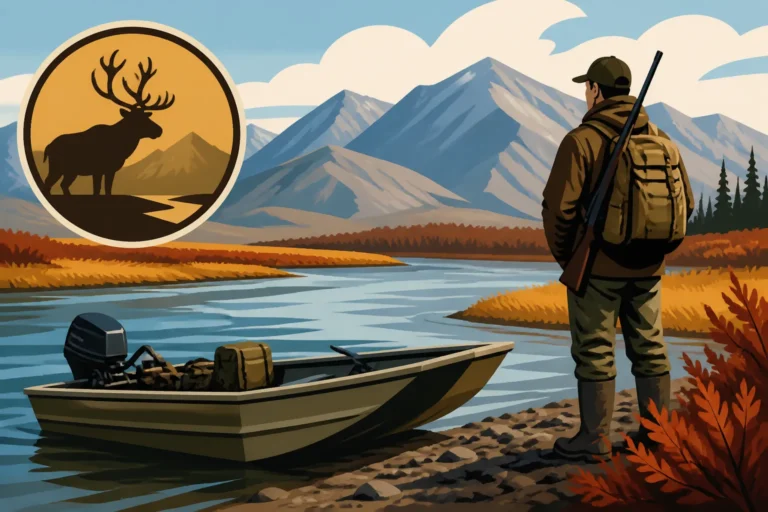
Another primary access method, particularly for those hunting the more accessible portions of 16B closer to the road system, is via jet boat. Hunters can launch from spots like Susitna Landing and navigate upstream on the Susitna River, then turn into the Yentna River.
This method allows for a much greater gear capacity compared to an air taxi, meaning you can bring more comforts, larger tents, and more fuel. It also offers more control over your schedule, as you're not dependent on a pilot's availability once you're on the water. However, jet boat access comes with its own set of challenges. The Yentna River, like many glacial rivers in Alaska, is braided, shallow, and constantly shifting. Navigation requires considerable skill and experience with river travel, as you'll encounter submerged logs, sweepers (trees that have fallen into the water and are partially submerged), and constantly changing sandbars. Getting stuck or damaging your boat is a very real possibility. You'll want to review advice on Susitna River Jet Boat Access and prepare for hazards like Sweepers and Log Jams on a Hunting Float.
Furthermore, while you can bring more gear, the range of a jet boat is still limited by fuel capacity and the navigability of the river system. It’s typically best suited for hunting closer to the main river channels, rather than deep in the interior. The time spent traveling upstream can also significantly eat into your hunting days, making careful planning of your duration crucial.
| Feature | Float Plane/Air Taxi | Jet Boat/River Access |
|---|---|---|
| Reach | Deep into remote areas, direct to lakes/gravel bars | Limited by river navigability, closer to road system |
| Speed | Fast, direct flight to destination | Slower, dependent on river conditions and hazards |
| Cost | High charter fees, potential for extra loads | High fuel cost, boat maintenance, wear and tear |
| Gear Capacity | Strict weight limits (often 50-75 lbs per person) | Higher capacity, but limited by boat size and weight |
| Flexibility | Dependent on pilot schedule and weather | More control over schedule once on the water |
| Required Skills | Minimal (rely on pilot) | Advanced river navigation, boat maintenance, repair |
| Risks | Weather delays, mechanical issues, remoteness | Getting stuck, submerged hazards, motor issues, long-distance travel |
| Best For | Deep wilderness, quick access, specific lake/area hunts | Extended river systems, heavier gear loads, multiple trips for meat |
Planning Your Hunt in Unit 16B: What to Expect
A successful hunt in the Yentna Drainage requires more than just knowing where the animals are; it demands meticulous planning, realistic expectations, and a profound respect for Alaska's wilderness.
Species-Specific Hunt Considerations (Moose, Bear)
Your hunting strategy will largely depend on your target species and the time of year you choose to hunt.
Moose Hunting in Unit 16B
The moose season in 16B typically opens in late August and runs through September, sometimes into October, covering both the pre-rut and peak rut periods.
- Early Season (Late August/Early September): This period can be excellent for glassing river bars and willow flats for feeding bulls. Spot-and-stalk tactics often prevail, as bulls might not be responsive to calling yet. This is a time when bulls are building up their fat reserves and are often more predictable in their feeding patterns.
- Peak Rut (Mid-September to Early October): This is when moose calling becomes incredibly effective. Bulls are actively seeking cows, and a well-executed series of cow calls, grunts, and even branch-raking can pull a bull right into your lap. Understanding Calling Bull Moose During the Alaska Rut can significantly boost your success. It's a thrilling, intense way to hunt, and the Yentna offers fantastic opportunities for it.
- Antler Restrictions: Always, always, always check the current Alaska Department of Fish and Game regulations for Unit 16B. Moose hunts in various units, including parts of 16B, often have antler restrictions such as spike-fork, 50-inch spread, or three brow tines. Misidentifying a legal bull can lead to citations, so spend time learning Alaska Moose Antler Restriction Areas and how to correctly field-judge antlers.
- Float Hunting Advantage: For moose, float hunting is a highly effective strategy in 16B. It allows you to cover a significant amount of ground, access areas away from traditional landing strips, and, crucially, provides an easier way to transport a harvested moose and its meat out of the bush. Imagine tying your quarters onto a raft and floating them downriver to your pickup point – a logistical game-changer compared to backpack hunting.
- Camp Setup: Whether you're flying in or boating, a sturdy camp is essential. Many hunters opt for wall tents with wood stoves for comfort and warmth, especially as temperatures drop. Consider the terrain for your camp: higher ground to avoid unexpected water, access to fresh water, and good visibility for spotting game.
Bear Hunting in Unit 16B
Black bear hunting often occurs incidentally during a moose hunt, but dedicated black bear seasons also exist. Spot-and-stalk methods are common, especially in areas with concentrations of berries in the fall. Unlike some other units in Alaska, baiting for black bears is not allowed in Unit 16B, so all hunting is fair chase.
For brown bears, as mentioned, nonresidents must be accompanied by a licensed guide. These hunts are often focused on areas known for salmon runs, which draw bears to feed and provide excellent opportunities for spotting large coastal browns or interior grizzlies.
Regardless of the bear species, vigilance is key. This is bear country, and understanding how to act defensively and safely is paramount. Reviewing Bear Safety While Butchering a Kill in Alaska is not just good advice; it's essential for anyone hunting in this region.
Navigating Terrain and Weather Challenges
The Yentna Drainage is a wild place, and its challenges are as significant as its rewards. Prepare for them, and you'll increase your odds of success and, more importantly, safety.
The Terrain Underfoot
Walking in the Yentna can be deceptively difficult. While much of it is low-lying, it's not open country. You'll encounter dense spruce forests with thick undergrowth, seemingly impenetrable willow and alder thickets, and vast stretches of wet, boggy muskeg. Every step can be a struggle, sucking at your boots and draining your energy. Waterproof, high-quality boots are not an option; they are an absolute necessity. Expect to get wet and muddy. River crossings can be frequent, and glacial rivers are always cold and often swift, requiring careful assessment and sometimes specialized gear.
Unpredictable Alaskan Weather
The weather in Unit 16B is famously unpredictable. Even in September, you can experience glorious sunshine one day and torrential rain, cold temperatures, and even snow the next. Low clouds and fog are common, especially in the mornings, and can persist for days. These conditions can quickly ground aircraft, leaving you stuck in camp longer than anticipated. Always, always, always build extra days into your schedule for weather delays, especially for your pickup. It's not uncommon for hunters to wait out weather for an extra day or two. Reading Building Extra Days Into a Fly-In Schedule is highly recommended.
Good rain gear is your best friend in Alaska. Invest in high-quality, durable, and truly waterproof outer layers. Cheap gear will fail, leaving you cold, wet, and miserable, which can quickly turn a challenging hunt into a dangerous situation. Think about the tips in Rain Gear Guides Actually Recommend when packing.
Navigation and Bear Encounters
With dense brush and often featureless terrain, it's incredibly easy to get disoriented in the Yentna. Cell service is virtually nonexistent, so relying on your phone alone is a recipe for trouble. A reliable GPS unit with downloaded, offline maps (like those from onX Hunt or GoHunt) is non-negotiable. Additionally, carrying a satellite communication device (like an InReach or Zoleo) for emergency communication and daily check-ins is a wise safety measure, especially for solo hunters. Mark your camp, mark your kill sites, and track your routes.
Given the healthy populations of both black and brown bears, bear encounters are a possibility. Always carry bear spray and know how to use it. Having a large-caliber rifle with you is also prudent, and understanding the differences between using Bear Spray Versus Rifle at Close Range is vital. Make noise when moving through thick brush, especially in areas with limited visibility. Keep your camp clean and free of food odors to avoid attracting bears.
Meat Care: A Top Priority
Once you've harvested an animal, particularly a moose, the work truly begins. Alaskan law requires hunters to salvage all edible meat, and in remote areas like the Yentna, proper meat care is paramount to prevent spoilage. Even in September, temperatures can be warm enough for meat to spoil quickly if not handled correctly. Promptly quartering the animal, getting the hide off, and hanging the meat in breathable game bags to cool are critical steps. Consider strategies for Hanging Meat in Warm September Weather and Meat Care in 50-Degree September Weather. Getting the meat off the ground and into an airy, shady spot, out of reach of bears, is essential.
Hunting the Yentna Drainage in Unit 16B is an incredible adventure, offering some of Alaska's most authentic wilderness hunting experiences. It demands thorough preparation, a resilient mindset, and a deep respect for the wild. Go prepared, stay safe, and you might just find yourself bringing home a trophy and a lifetime of memories from one of Alaska's truly legendary hunting grounds.
Disclaimer
This article is for general informational purposes only and does not constitute professional advice. Laws, prices and regulations vary by location and change over time. Consult a qualified professional for guidance on your specific situation.