Taylor Highway Access to Fortymile Caribou
For many hunters, the dream of an Alaska caribou hunt conjures images of remote fly-in camps, miles from civilization. While those experiences are certainly iconic, the reality for many Alaskans and intrepid non-residents is finding accessible ways to chase the migrating herds without chartering a bush plane. The Taylor Highway, often overlooked in favor of more famous routes, offers a unique opportunity to access the vast Fortymile caribou country right from your vehicle, presenting its own set of challenges and incredibly rewarding moments. This guide will walk you through everything you need to know about utilizing the Taylor Highway for your next caribou adventure.
The Allure and Challenge of Fortymile Caribou Hunting
There's something deeply primal about pursuing caribou. Their vast migrations, the sheer numbers, and their constant movement across the open tundra make them a truly wild quarry. The Fortymile herd, in particular, represents a significant draw for hunters, offering one of the more accessible opportunities for a herd hunt in Interior Alaska.
Understanding the Fortymile Caribou Herd's Movements
The Fortymile Caribou Herd is one of Alaska's most renowned and historically significant herds. Its range sprawls across vast stretches of Interior Alaska and into Canada's Yukon Territory. What makes hunting this herd so captivating – and challenging – is its migratory nature. Caribou are constantly on the move, driven by forage availability, insect pressure, and predator avoidance. One year, they might stream past a certain ridge for weeks; the next, they might be fifty miles away. This unpredictable movement is why Fortymile Caribou Herd Range and Migration is a topic many hunters study intently.
Trying to pin down their exact location requires diligence. Hunters often rely on recent reports, scouting efforts, and even word-of-mouth from locals who've seen groups crossing roads or rivers. The herd's movements dictate where and when hunting pressure will be concentrated, and understanding these patterns is paramount to success. It's not uncommon for hunters to drive significant distances along the highway, relocating their camp several times, just to get into the path of the main migration.
The Draw of a Road-Accessible Caribou Hunt
For many, the appeal of a Taylor Highway caribou hunt lies squarely in its relative accessibility. Unlike hunts requiring expensive air charters or multi-day river floats, the Taylor Highway allows hunters to drive their vehicles directly into prime caribou habitat. This cuts down on logistical complexities and often significantly reduces the overall cost of the hunt, making it a viable option for those on a tighter budget or with less experience in deep bush expeditions.
Imagine packing your truck with all your gear, perhaps a small trailer for an ATV, and heading out on a gravel road that promises thousands of square miles of wild country. This road system access means you can bring more creature comforts, more robust camp setups, and more options for meat care and transportation than a typical backpack hunt. It's a chance to experience a true Alaska hunt without needing a super cub or specialized river craft, democratizing the experience for many. However, "road accessible" doesn't mean "easy." The Taylor Highway is a rugged route, and the caribou often require significant effort to locate and pursue once you leave the pavement.
Navigating the Taylor Highway for Hunting Access
The Taylor Highway itself is a journey. It's a predominantly gravel road that winds through some truly spectacular and remote country, connecting communities like Tok and Chicken to Eagle, and eventually, the Canadian border. Preparing for the road is as important as preparing for the hunt.
Key Access Points and Hunter Services Along the Road
The Taylor Highway stretches about 160 miles from Tetlin Junction (near Tok) north to Eagle, with a spur connecting to the Fortymile River and ultimately the Canadian border at Little Gold Creek. Along this route, there are a few key points hunters should be aware of:
- Tok: This is generally the last major service hub before heading onto the Taylor. Stock up on fuel, groceries, and any last-minute supplies here. It’s also a good place to double-check local regulations and get current road conditions.
- Chicken: A historic gold mining town, Chicken offers limited fuel, basic services, and a sense of classic Interior Alaska charm. It's often a first stop or a turn-around point for hunters who don't plan to go all the way to Eagle or the Canadian border.
- Eagle: At the northern terminus of the highway, Eagle is a historic village on the Yukon River. While it has limited services, it offers unparalleled access to the Fortymile River drainage and is a jumping-off point for those looking to explore more remote areas by boat.
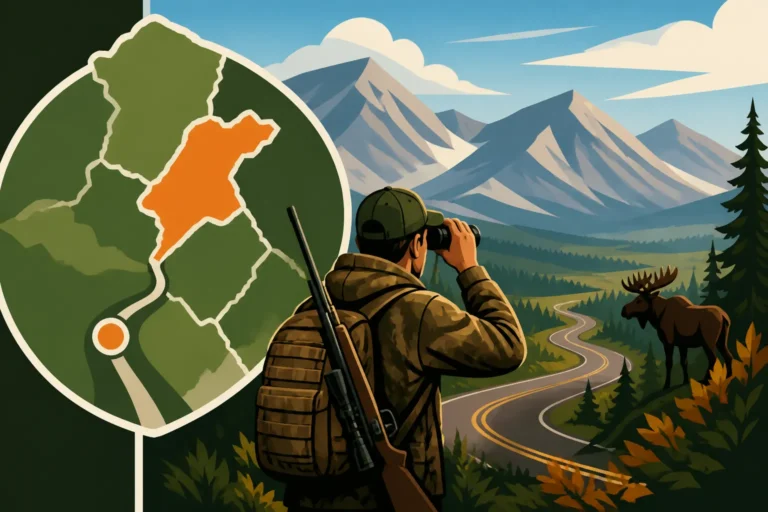
- Logging Roads and Two-Tracks: Throughout its length, the Taylor Highway is punctuated by numerous logging roads, seismic lines, and ATV trails that branch off into the vast surrounding public lands. These are your primary access points for getting off the main road and into potential caribou country. Carefully consult maps, like those offered by onX Hunt, to identify these entry points and understand land ownership. Taylor Highway and Fortymile Country is essentially a web of these tracks and trails.
Hunter services beyond Tok are minimal, so self-sufficiency is key. Expect long stretches without cell service, gas stations, or any form of commercial support.
Vehicle and Equipment Considerations for the Taylor
Driving the Taylor Highway is not like cruising on an interstate. This road demands respect and preparation.
- Vehicle: A high-clearance 4×4 truck or SUV is highly recommended, especially if you plan to venture onto any of the rougher side roads or two-tracks. The gravel can be sharp, creating tire hazards, and dust can be incredibly thick. Bring two full-size spare tires, a tire repair kit, and a reliable jack. Heavy-duty suspension and all-terrain tires are not just a luxury; they're almost a necessity. Many hunters will also consider bringing an ATV or side-by-side to travel beyond the main highway and penetrate deeper into the backcountry. Keep in mind that ATV Trail Rules on Alaska State Land are specific and must be followed.
- Fuel: Carry extra fuel. While Chicken might offer some, it's often at a premium, and you can't count on it always being available. Plan your mileage carefully. A few 5-gallon jerry cans can be a hunt-saver.
- Communications: Cell service is virtually nonexistent for most of the highway. A satellite communication device like an InReach or a satellite phone is crucial for emergency contact and daily check-ins. Don't rely on being able to "just call out" if you have trouble. Having Signal Devices and Check-In Plans for Solo Alaska Hunts is vital.
- Survival Gear: Even though you're on a "road system," you're still in remote Alaska. Pack a comprehensive survival kit, including food, water, warm clothing, fire starters, and emergency shelter, suitable for multi-day self-reliance in case of a vehicle breakdown or getting stuck.
- Camp Equipment: Think robust and reliable. Heavy-duty tents, durable sleeping bags rated for cold temperatures, and a reliable cooking setup are paramount. A substantial wall tent with a wood stove can make a base camp incredibly comfortable in changeable Alaska weather.
Hunting Strategies and Regulations Specific to the Taylor Corridor
Hunting the Fortymile caribou along the Taylor Highway requires more than just showing up. You need to understand the herd's dynamics, specific regulations, and how to operate ethically in this unique environment.
Understanding the Fortymile Quota and Reporting Requirements
The Fortymile Caribou Herd is actively managed, and hunting opportunities are directly tied to its population health and movement. This often means that hunting seasons are quota-based, and bag limits can change, sometimes with little notice via emergency order. It’s critical to consult the most current Alaska Department of Fish and Game (ADF&G) regulations for the Game Management Unit (GMU) you intend to hunt. Information about Fortymile Caribou Quota for the Season and Fortymile Bull-Only Bag Limit is updated annually and can be critical to your hunt's success and legality.
Hunters are almost always required to possess a valid hunting license and the appropriate harvest ticket or registration permit for caribou. These are typically available online or at ADF&G offices and license vendors. Pay close attention to reporting deadlines. Alaska is serious about harvest reporting, and missing a deadline can result in penalties or future permit restrictions. Alaska Harvest Ticket Reporting Deadlines are not suggestions; they are strict requirements. Make sure you understand how to correctly tag your animal immediately after the kill and report it promptly.
Ethical Hunting Practices and Respecting Land Ownership
The Taylor Highway corridor is a mix of state, federal, and sometimes private or Native Corporation lands. It’s imperative to know whose land you are on before you hunt or set up camp. Resources like onX Hunt are invaluable for overlaying land ownership boundaries onto topographic maps, helping you avoid accidental trespass. Many hunters find using an app like GoHunt to scout areas beforehand provides significant advantages for land ownership and terrain assessment.
Ethical hunting here also means respecting other users. The Taylor is popular with hunters, but also with gold miners, residents, and other recreationists.
- Road Hunting: Be extremely mindful of Alaska's strict "same-day-airborne" rule, and generally, avoid road hunting. The spirit of the law and ethical practice mean pursuing game away from the easy access of the highway. Do not shoot from or across the road. Ensure your kill is well off the traveled surface before you even think about putting crosshairs on an animal.
- Meat Care: Caribou meat is excellent, but proper field care is essential, especially in early season hunts where temperatures can still be warm. Meat Care in 50-Degree September Weather is a real concern. Get the hide off quickly, quarter the animal, and get the meat cooled as fast as possible. Hang it in game bags where air can circulate.
- Leave No Trace: Pack out everything you pack in, and then some. This includes all trash, spent cartridges, and any remnants from your camp or kill site. Leave the land better than you found it.
- Wildlife Viewing: Be aware that the caribou, especially during large migrations, attract sightseers and photographers. Be courteous and share the road and the landscape.
Planning Your Taylor Highway Caribou Adventure
A successful caribou hunt off the Taylor Highway is more about thorough planning and preparation than sheer luck. It's about being ready for anything Alaska throws at you.
Essential Gear and Supplies for a Remote Hunt
When heading into the Fortymile, think self-sufficient. This isn't a place to run out of essentials.
| Category | Essential Items | Notes |
|---|---|---|
| Navigation | GPS device, physical maps, compass, satellite communicator | Download offline maps to your phone (e.g., onX Hunt) before you leave service. |
| Shelter | Sturdy tent (4-season recommended), sleeping bag (0°F or colder) | Consider a wall tent with a stove for base camp comfort. |
| Clothing | Layers (synthetic/wool), rain gear (heavy-duty), warm hat/gloves | Alaska weather is notoriously unpredictable. Waterproof is non-negotiable. |
| Food & Water | Non-perishable food for extra days, water filter/purifier, stove | Always pack more food than you think you need. Natural water sources are abundant but filter them. |
| Hunting Gear | Rifle/bow, optics (binoculars, spotting scope), rangefinder, ammo | Extra ammo, cleaning kit. Consider a backup rifle in camp. |
| Field Dressing | Sharp knives, bone saw, game bags (many!), cordage, tarp | Heavy-duty game bags are essential for protecting meat from flies and dirt. |
| Vehicle/ATV | Spare tires, repair kit, fuel cans, shovel, tow strap, winch | Tools for basic repairs. Ensure your ATV is road legal and maintained. |
| Safety | First-aid kit (comprehensive), bear spray, headlamp/flashlight | Personal locator beacon (PLB) is a good backup to a sat-phone. |
| Miscellaneous | Camp chairs, cooking gear, cooler for processed meat, trash bags | Don't forget bug spray – mosquitoes and flies can be relentless. |
Beyond this list, think about the unique challenges of caribou: they are often found in open country, requiring good optics to spot at a distance. Having a sturdy tripod for your binoculars or spotting scope is key. While you might not be packing an entire caribou out on your back, having a good pack frame is still useful for getting quarters back to an ATV or vehicle. Many hunters find Backpack Hunting in Alaska: Gear Weight and Meat Loads useful even for road-system hunts where distances can be surprisingly long from the road.
Maps, Scouting, and Emergency Preparedness
Your planning starts long before you hit the highway. Thoroughly scout potential hunting areas using satellite imagery and topographic maps. Services like onX Hunt or GoHunt provide excellent tools for this, allowing you to mark potential caribou crossings, access trails, and possible camping spots. Pay attention to elevation changes, treeline breaks, and water sources. Downloading Offline Maps Before a Fly-In applies equally to road-based hunts where cell service is unreliable.
Emergency preparedness for a Taylor Highway hunt means having multiple plans and redundancies.
- Communicate your plan: Always leave a detailed itinerary with a trusted contact back home, including your expected route, specific hunting area, and return date. Establish clear check-in times.
- First Aid: A robust first aid kit is non-negotiable. Consider taking a wilderness first aid course before your trip.
- Bear Safety: While grizzlies are generally less dense in this interior region than on the coast, they are present. Always carry bear spray and know how to use it. A rifle in bear country is also a wise choice.
- Weather: Alaska weather can change in an instant. Be prepared for rain, snow, wind, and sudden temperature drops, even in September. Good rain gear is critical.
- Vehicle Recovery: Know how to self-recover your vehicle if you get stuck, or have a plan for calling for help via your satellite communicator. Roadside assistance is not a common luxury here.
The Taylor Highway offers an incredible avenue into the vast and wild domain of the Fortymile caribou. With meticulous preparation, respect for the land, and a robust understanding of the regulations, this road can lead you to an unforgettable Alaska hunting experience. It demands effort, resilience, and a spirit of adventure, but the reward of a hard-earned caribou in this breathtaking country is truly priceless.
Disclaimer
This article is for general informational purposes only and does not constitute professional advice. Laws, prices and regulations vary by location and change over time. Consult a qualified professional for guidance on your specific situation.