Ahtna Lands in the Copper Basin
Navigating the vast and varied landscape of Alaska for hunting can feel like deciphering an ancient map, especially when you encounter lands managed by Alaska Native Corporations. Many hunters, particularly those eyeing the rich game habitat of the Copper Basin, run into a wall of confusion trying to understand how to legally access Ahtna lands. This guide aims to clear up that confusion, providing a comprehensive look at what Ahtna lands are, how to secure access, and how to hunt them responsibly.
The Unique Landscape of Ahtna Lands in the Copper Basin
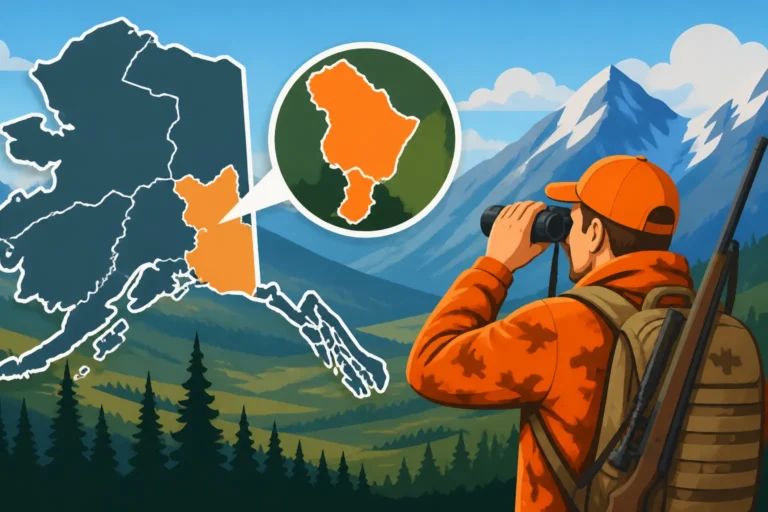
The Copper River Basin, a region of stunning beauty and abundant wildlife, sits in Southcentral Alaska, encompassing diverse habitats from towering mountains to sprawling river flats. This area, known for its incredible moose, caribou, bear, and even sheep and goat hunting opportunities, is also home to Ahtna, Incorporated, one of the twelve Alaska Native Regional Corporations established under the Alaska Native Claims Settlement Act (ANCSA) of 1971.
Unlike state or federal public lands, Ahtna lands are private property. This is a crucial distinction that many outside of Alaska don't fully grasp. When ANCSA was passed, it transferred millions of acres of ancestral lands to Alaska Native Corporations and village corporations. These lands, while often appearing "wild" and remote, are not open to the public in the same way federal or state lands are. They are privately owned and managed by the Corporation for the benefit of its shareholders and the long-term economic well-being of the Ahtna people. This means that to hunt, fish, trap, or even recreate on these lands, you must have explicit permission, usually in the form of a permit. Understanding this fundamental difference is the first, most important step for any hunter looking to explore the Copper Basin. The region itself falls under various Alaska Game Management Units and How They Are Numbered, with Ahtna lands often interspersed within or adjacent to these units, making careful planning paramount.
Navigating Access and Permit Requirements on Ahtna Lands
The biggest hurdle for many hunters is the permit system, and let me tell you, it's not always as straightforward as buying a state hunting license. Ahtna, Inc. has a well-defined process for granting access to its lands, and it's essential to follow it to the letter. Their permits cover a range of activities, including hunting, fishing, trapping, and general recreation. They understand that people want to enjoy these lands, but they also have a responsibility to manage them sustainably and protect shareholder interests.
First and foremost, never assume access. Even if you've historically used a trail or an area that now falls within Ahtna's boundaries, those rules changed when the land transferred to private ownership. You absolutely need to acquire a permit before setting foot on their land for hunting. The permits usually come in various forms: annual permits for residents or non-residents, and sometimes shorter-term or daily permits. The costs can vary significantly based on your residency status and the duration of the permit. For example, a non-resident hunting permit will likely be a different price point than a resident recreational permit. It's vital to check Ahtna's official website or contact their land and resource management department directly for the most current information on fees and regulations. This isn't a "one-and-done" deal; rules can change, so always verify before each hunting season.
Obtaining a permit typically involves an application process, often available online through their portal. You'll need to provide personal information and agree to their terms and conditions. These terms aren't just suggestions; they are legally binding agreements designed to protect the land, its resources, and the safety of all users. When planning your hunt, consider using a mapping tool like onX Hunt which is incredibly valuable for identifying land ownership boundaries, including Ahtna, Inc. lands. This can prevent accidental trespassing and help you understand exactly which parcels require an Ahtna permit versus those that might be state or federal land. Before you even apply for an Ahtna permit, having a clear understanding of the specific area you intend to hunt is critical. For broader hunt planning and insights into specific game units, GoHunt can also provide useful data to pair with your land access research. For a detailed breakdown of costs and processes, you can refer to What an Alaska Native Corporation Permit Costs.
Understanding Permit Categories and Purchase
Ahtna, Inc. typically categorizes permits based on the activity and the user's residency. For hunters, this is particularly important.
- Hunting Permits: These are generally the most specific and often have the highest fees, especially for non-residents. They grant you the privilege to pursue game on designated Ahtna lands, in accordance with state hunting regulations and Ahtna's own rules. These might also be separated by species or specific areas.
- Recreational Permits: While you might also be recreating while hunting, a specific hunting permit is usually required. Recreational permits are more for general activities like hiking, photography, or camping without the intent of harvest.
- Resident vs. Non-Resident: As with state hunting licenses, Ahtna often has different pricing tiers for Alaska residents and non-residents. This is a common practice to support local communities and economies.
The process for purchasing these permits is increasingly digital. Most hunters will find themselves navigating Ahtna's online land-use permit system. This system allows you to select your desired activity, duration, and input your personal details. After payment, you typically receive a digital permit that you should keep readily accessible, either printed out or on your mobile device, as proof of access. Remember, simply having a valid Alaska hunting license and tag is not enough; you must have the Ahtna land permit in hand as well. This additional step can be frustrating for new hunters, but it's a non-negotiable part of hunting on these private lands. You can find more general information on this topic in Hunting Alaska Native Corporation Land.
| Land Type | Access Requirement | Primary Permit Needed | Ownership/Management |
|---|---|---|---|
| Ahtna, Inc. Lands | Explicit Permission Required | Ahtna Land Permit | Private (Alaska Native Corporation) |
| State Public Land | Generally Open (with state regulations) | AK Hunting License/Tags | State of Alaska |
| Federal Public Land | Generally Open (with federal & state regulations) | AK Hunting License/Tags (+ specific federal permits for some refuges/parks) | Various Federal Agencies (NPS, USFWS, BLM, USFS) |
| Private (Non-Native Corp.) | Explicit Permission Required | Landowner Permission | Individual or corporate landowners |
Rules, Respect, and Responsible Hunting on Ahtna Lands
Hunting on Ahtna lands isn't just about securing a permit; it's about showing profound respect for the land, the Ahtna people, and their cultural heritage. These are not just hunting grounds; they are ancestral lands deeply significant to the Ahtna community. Violating their rules isn't just a minor infraction; it's a breach of trust and can carry serious consequences.
Ahtna, Inc. will have specific terms and conditions attached to their permits. These commonly include prohibitions against littering, defacing natural features, disturbing cultural sites (which are often unmarked), and building fires outside of designated areas. They may also have restrictions on motorized vehicle use, requiring you to stick to established trails or roads, or even banning them entirely in certain seasons or locations. Imagine spending months planning your dream hunt in the Copper Basin, only to have it cut short because you unknowingly drove your ATV where it wasn't allowed. It's a real frustration, but it's entirely avoidable with proper research.
One of the most important aspects is respecting cultural sites. The Copper Basin is rich in history, and archaeological sites, burial grounds, and traditional use areas may exist without clear signage. Hunters are expected to be mindful of their surroundings and avoid disturbing anything that looks like it could be a site of historical or cultural significance. When you sign your permit agreement, you are agreeing to uphold these principles. Failure to do so can result in permit revocation, fines, and potentially even being banned from future access. This isn't just about avoiding a citation; it's about being a good steward and showing respect for the original inhabitants of the land. It also helps to maintain good relationships between the hunting community and the Native Corporations, which is beneficial for everyone in the long run. When planning your route, use tools like onX Hunt to double-check land ownership and understand adjacent public lands, but always prioritize Ahtna's specific rules for their parcels. Knowing How to Check Alaska Land Status Before a Hunt is a critical skill for any Alaskan hunter, especially in areas with mixed ownership like the Copper Basin.
Planning Your Hunt: Logistics and Resources
Planning a hunt on Ahtna lands requires meticulous preparation, integrating both state hunting regulations with Ahtna's specific access rules. You can't just throw your gear in the truck and head out. First, you'll need to know which game management unit you'll be in (e.g., portions of Unit 13 or Unit 11 are within the Copper Basin) and what species are open during your desired season. This information is readily available through the Alaska Department of Fish and Game (ADF&G) regulations.
Once you know what you're hunting and when, layer on the Ahtna land access requirements. Confirm the boundaries of the Ahtna parcels you intend to traverse or hunt on. This is where modern mapping applications become invaluable. Tools like onX Hunt allow you to overlay land ownership data, making it crystal clear where Ahtna property begins and ends. You can identify potential access points, understand the topography, and scout satellite imagery for game habitat from your home computer. This helps ensure you're applying for the correct Ahtna permit for the exact area you plan to be in.
For deeper insights into specific hunt units within the Copper Basin, GoHunt provides detailed harvest data, drawing odds, and biological information that can help you strategize your hunt. While GoHunt might not directly address Ahtna land permits, it's an excellent resource for understanding the game populations and patterns in areas like Unit 13 and the Nelchina Basin or what Unit 11 Covers in the Wrangells, which often overlap with Ahtna interests.
Beyond permits and maps, consider the practicalities of hunting in the Copper Basin. This region is known for its rugged beauty but also its challenging weather and remote conditions. Always have a robust emergency plan, including satellite communication devices like an inReach, especially if you're venturing off road systems. Proper Signal Devices and Check-In Plans for Solo Alaska Hunts are not just good ideas, they are lifesavers. Be prepared for bear encounters, as both black and brown bears are common in the Copper Basin. Knowing about Bear Safety While Butchering a Kill in Alaska is crucial. And if you're flying in, remember to check into Scouting a Unit From Satellite Imagery Before You Fly to maximize your limited time on the ground. Hunters looking at Copper River Delta Moose Hunting for example, may find themselves traversing a mosaic of land ownership.
When planning your logistics, think about:
- Transportation: Will you be using an ATV, hiking, or accessing via boat or plane? Verify if Ahtna's permit allows your chosen method of transportation in your specific hunting zone.
- Camping: If you plan to camp on Ahtna lands, ensure your permit covers camping and understand any restrictions on fire, waste disposal, or duration.
- Communication: Cell service is sparse to non-existent in much of the Copper Basin. Reliable satellite communication is not optional; it's essential for safety and coordinating with your pick-up.
- Meat Care: Alaska's salvage laws are strict. If you're successful, you'll need to quarter your animal quickly and properly. Consider how you'll manage your meat to prevent spoilage, especially if you're far from refrigeration.
- Weather: The Copper Basin can experience rapid weather changes. Pack for all conditions, regardless of the forecast.
By taking the time to thoroughly understand Ahtna's rules and integrating them into your overall hunt plan, you're setting yourself up for a respectful, legal, and ultimately more enjoyable and successful hunting experience in one of Alaska's most incredible regions.
Disclaimer
This article is for general informational purposes only and does not constitute professional advice. Laws, prices and regulations vary by location and change over time. Consult a qualified professional for guidance on your specific situation.