Federal Subsistence Permits on Alaska Refuges
Navigating the labyrinth of Alaska's hunting regulations can be a monumental challenge, and it only gets more complicated when you venture onto federal lands. Many hunters, especially those new to the Last Frontier or those whose livelihoods depend on harvesting wild game, find themselves utterly bewildered by the distinct rules governing federal subsistence permits on National Wildlife Refuges. This guide is here to shed light on this often-confusing system, helping you understand who qualifies, how to apply, and the critical differences between state and federal regulations so you can hunt legally and confidently.
Understanding Federal Subsistence Permits and Their Role on Refuges
When we talk about hunting in Alaska, it's easy to assume a single set of rules applies everywhere. However, the reality is far more nuanced, especially when you consider the vast expanse of federal public lands throughout the state. Federal subsistence permits are a critical part of this picture, allowing specific groups of Alaskans to harvest game on federal lands under a different set of regulations than those issued by the state. This distinction isn't just bureaucratic; it reflects a deeply ingrained federal policy aimed at preserving traditional ways of life.
Distinction from State Permits
One of the biggest hurdles for hunters to overcome is understanding that federal and state jurisdictions can, and often do, operate under different rules. The Alaska Department of Fish and Game (ADF&G) manages hunting on most state-owned and privately-owned lands under regulations set by the Alaska Board of Game. However, federal public lands, which include National Wildlife Refuges, National Parks, National Preserves, National Forests, and Bureau of Land Management (BLM) lands, are managed by various federal agencies. On these federal lands, the Federal Subsistence Board sets the rules for subsistence hunting, fishing, and gathering for federally qualified users.
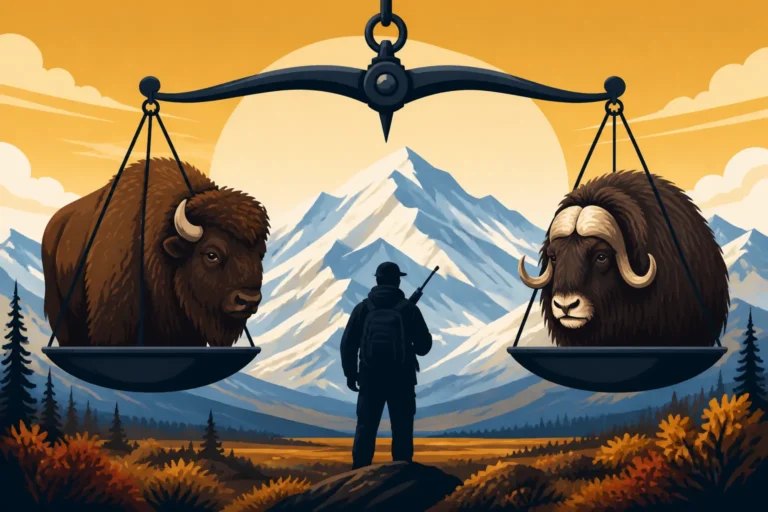
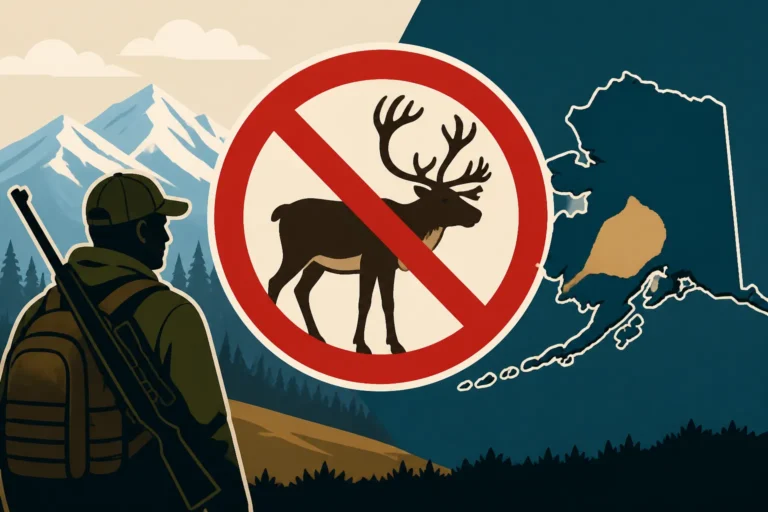
This means you might encounter situations where a species is closed to general hunting under state regulations, but an open federal subsistence season exists for qualified individuals on federal land. The harvest limits, season dates, and even the legal methods of take can diverge. It’s absolutely vital to know which jurisdiction you're under for any given hunt, especially since the consequences of misinterpreting the rules can range from confiscated game to significant fines and license revocations. Hunters who depend on these resources for their tables really need to understand the nuances, as the state's Tier I and Tier II Subsistence Hunts in Alaska, while important, are often distinct from the federal system.
Why Refuges Have Different Rules
National Wildlife Refuges are established primarily for the conservation of wildlife and their habitats. However, in Alaska, Congress recognized the unique role of subsistence hunting and fishing in the lives of rural Alaskans. Therefore, federal law mandates that subsistence uses by federally qualified rural residents are given a priority on these lands. This isn't just a courtesy; it's a legal requirement. The specific management plans for each refuge are designed to balance this subsistence priority with the refuge's overarching conservation goals.
For example, a refuge might have specific areas or times of year where general hunting is restricted to minimize disturbance to nesting birds or calving moose, while still allowing qualified subsistence users to access resources outside those critical periods or in different designated zones. These regulations are meticulously crafted to ensure that traditional, customary uses of fish and wildlife resources can continue in a sustainable manner, recognizing that for many Alaskans, hunting isn't just a pastime—it's a way of life, integral to their culture and food security. The focus is on providing for local communities, not on recreational hunting for the broader public.
Who Qualifies for Federal Subsistence Permits in Alaska
The question of "who qualifies" for federal subsistence hunting permits is perhaps the most critical and often misunderstood aspect of the entire system. It's not simply about being an Alaska resident; it's about meeting specific criteria related to where you live and how your community traditionally uses natural resources. This focus is designed to protect and prioritize the hunting practices of those who truly rely on these resources for their daily sustenance.
Rural Residency Requirements
The cornerstone of federal subsistence eligibility in Alaska is undoubtedly the rural residency requirement. To qualify, you must reside in a rural area of Alaska. This isn't a vague definition; the Federal Subsistence Board has a clear process for determining which communities are considered rural. Generally, it boils down to population density, lack of road access to larger urban centers, and the historical reliance of the community on wild resources. If you live in Anchorage, Fairbanks, Juneau, or Ketchikan – Alaska's four largest communities – you are automatically disqualified from federal subsistence privileges, regardless of how much you might depend on wild game.
This distinction is crucial because it directly informs who can apply for these specific federal permits. Living outside these designated "non-rural" areas is the first, non-negotiable step. Understanding your residency status and how it aligns with federal definitions is paramount. For a deeper dive into this, you might find more helpful details in our article on Rural Residency and Federal Subsistence Eligibility in Alaska.
Community of Dependence Criteria
Beyond simply living in a rural area, federal regulations also consider a "community of dependence." This criterion assesses whether your community has a customary and traditional dependence on specific fish and wildlife resources. It's not enough to just live in a rural village; your community's historical and current reliance on subsistence harvests for food, shelter, clothing, tools, or handicrafts must be demonstrated. This often involves looking at historical harvest data, cultural practices, and community surveys.
The Federal Subsistence Board goes through a rigorous process to identify and periodically review these communities and their customary and traditional uses for various species. For example, a village might have a customary and traditional use determination for caribou, allowing its residents special access to that resource on federal lands, while another nearby community might not have the same designation for caribou but perhaps does for moose or salmon. If you're wondering about the specifics of what makes a community qualify, our article What Counts as a Rural Community in Alaska provides more context. This distinction ensures that the benefits of federal subsistence prioritize those communities whose way of life is intrinsically linked to harvesting wild game.
Navigating the Application Process for Refuge Permits
Once you understand the eligibility criteria, the next step is actually applying for these permits. This isn't a one-size-fits-all process; each National Wildlife Refuge, and even specific hunt numbers within a refuge, might have its own unique application form, deadlines, and requirements. It's a system that demands attention to detail and proactive research.
Finding Specific Refuge Permits
The first rule of thumb when applying for federal subsistence permits on a refuge is to never assume. You absolutely must contact the specific refuge office you intend to hunt within. For instance, if you're looking to hunt on the vast Yukon Delta National Wildlife Refuge, their specific permit application and regulations will differ from those on, say, the Kenai National Wildlife Refuge. The U.S. Fish & Wildlife Service (USFWS) manages these refuges, and their individual offices are the primary points of contact for permit information.
Their websites are often a good starting point, but a direct phone call can clarify many nuances. Each refuge has its own management plan, which dictates how various species are managed and how subsistence permits are issued. For example, regulations for Kenai National Wildlife Refuge Hunting Rules might be quite different from the specific requirements covered in Permits Required on the Yukon Delta Refuge. You'll need to know which game unit you're targeting and then identify the federal land within that unit and the managing federal agency.
The Application Process
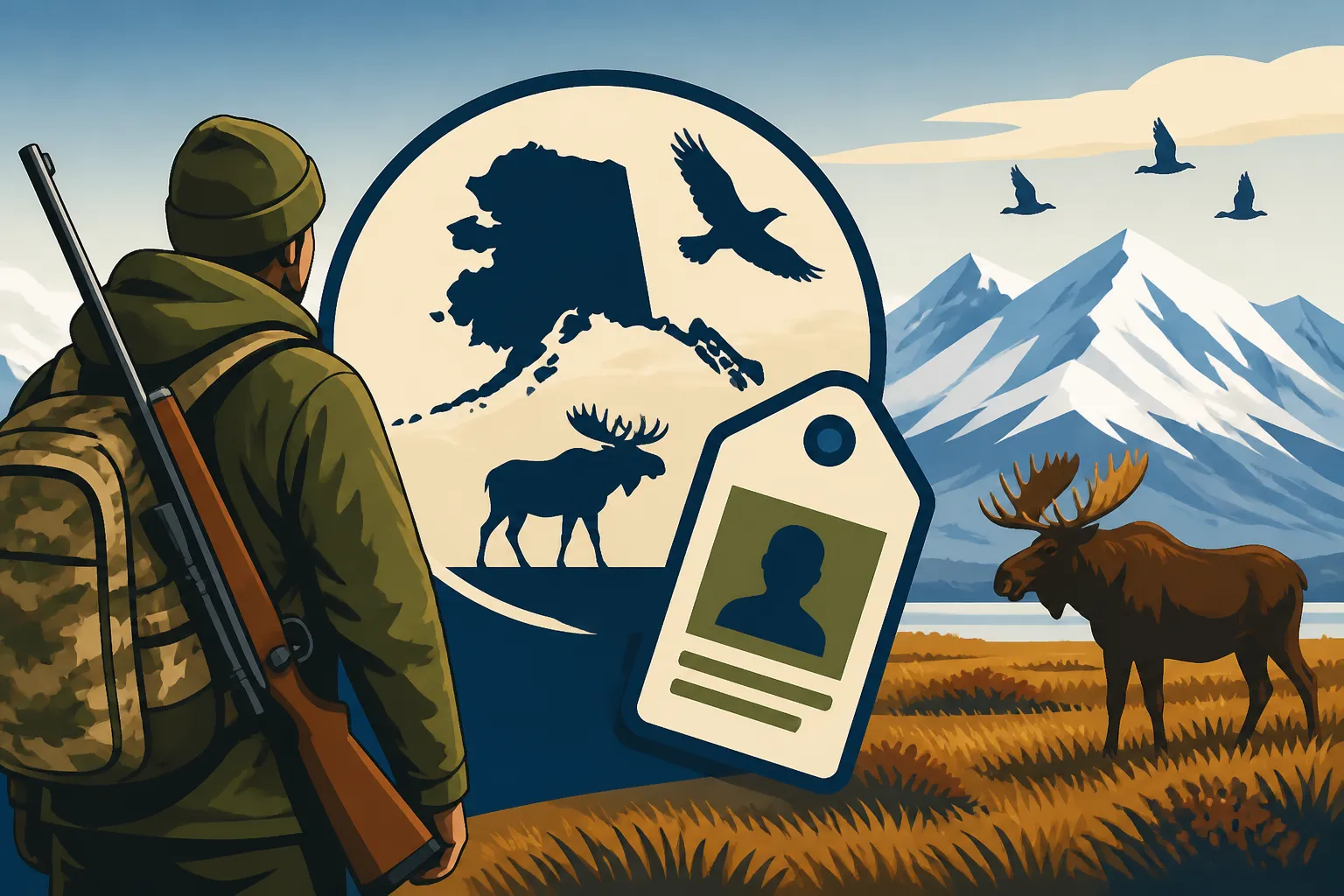
Once you've identified the correct refuge and obtained the relevant application, you'll find that the process is typically quite detailed. Applications can often be downloaded from the refuge's website, but some may require an in-person visit or mailing. You'll usually need to provide proof of your rural residency and potentially a statement confirming your community's customary and traditional dependence on the species you intend to hunt. Information requested often includes your Alaska hunting license number, past harvest data (if applicable), and specific details about your intended hunt, such as dates and proposed locations.
Pay extremely close attention to deadlines. Federal subsistence permit application periods can be rigid, and missing a deadline often means missing out on the hunt entirely. These deadlines are set to allow federal managers enough time to process applications, allocate permits, and ensure sustainable harvest levels. While state-level applications like those tracked by services like GoHunt are typically well-publicized, federal refuge permits require a more direct approach to research and application. Ensure all information is accurate and complete; any errors could lead to your application being rejected.
Permit Conditions and Reporting
Receiving a federal subsistence permit isn't the end of your responsibilities. These permits come with specific conditions that you are legally bound to follow. These conditions can include limitations on the type of weapon you can use, the precise areas you can hunt within the refuge, specific dates or windows of time, and strict bag limits. It's not uncommon for permits to specify "bull moose only" or "one caribou per household," for example.
Perhaps one of the most critical aspects of federal subsistence permits is the mandatory harvest reporting. After your hunt, whether successful or not, you are usually required to submit a harvest report by a specified deadline. This data is invaluable to federal biologists and managers, allowing them to monitor population trends, assess harvest impacts, and make informed decisions for future seasons. Failing to report your harvest, even if you didn't harvest an animal, can result in penalties, including future permit denials, fines, or even more severe legal consequences. Always read the reporting instructions carefully and submit your report promptly.
Key Considerations for Federal Subsistence Hunters
Embarking on a federal subsistence hunt in Alaska requires more than just a permit; it demands a deep understanding of the regulatory landscape and meticulous planning. The unique interplay between federal and state laws, coupled with the dynamic nature of wilderness hunting, means you need to be prepared for anything.
Understanding Federal Versus State Seasons
This is where many hunters get tripped up, and it’s a point that cannot be overstated: federal subsistence seasons and bag limits can be, and often are, different from state regulations. On federal lands, the Federal Subsistence Board holds authority over these regulations for federally qualified users, which may supersede state rules. This means you might find a federal season open for a particular species on a National Wildlife Refuge while the corresponding state season is closed, or vice-versa, or the bag limits are entirely different. For instance, what's allowed under Federal Versus State Subsistence Priority in Alaska can dictate your legal options.
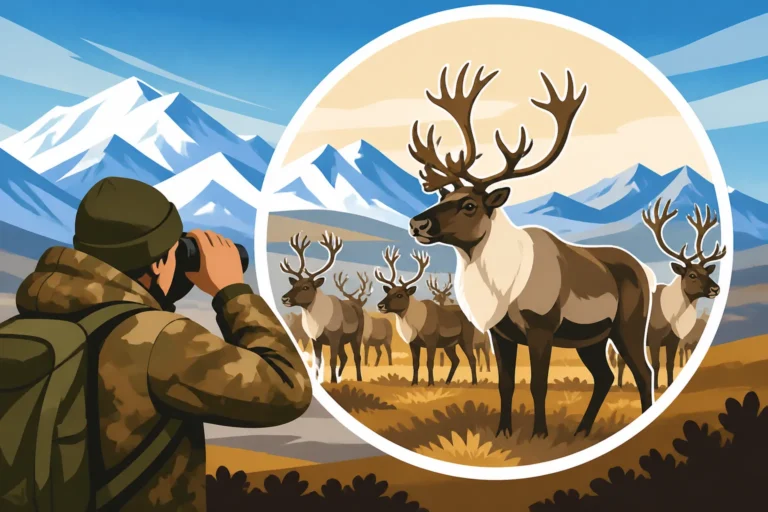
Always, and I mean always, consult both the Alaska Department of Fish and Game regulations and the specific federal subsistence regulations for the unit and federal land you plan to hunt. Do not rely solely on one or the other. Imagine planning a trip to the Hunting Unit 23 and the Western Arctic, where massive caribou herds roam. If you’re a federally qualified rural resident, you might have access to a federal subsistence hunt with different dates or limits than the general state hunt, which can be critical for filling your freezer. Missing this distinction can turn a legal hunt into an expensive and disheartening violation.
Staying Up-to-Date with Regulations
Regulations in Alaska are not static. They can change annually, sometimes even mid-season through emergency orders issued by either the state or federal authorities in response to declining populations or other management concerns. Relying on last year's regulations or hearsay from a friend is a recipe for disaster. The official sources are your best friends: the Federal Subsistence Management Program website, the U.S. Fish & Wildlife Service websites for individual refuges, and the ADF&G regulatory booklets.
Before every single hunt, take the time to review the most current regulations for your specific area and species. Sign up for email alerts from federal and state agencies, if available, to stay informed about emergency orders or significant changes. While hunting resources like GoHunt excel at compiling state-level regulations and draw odds, the federal subsistence rules often require going directly to the federal sources. Still, for comprehensive planning, a platform that helps you keep track of all potential changes and boundaries, as GoHunt aims to do, can be invaluable. This proactive approach ensures you’re always operating within the bounds of the law, protecting both yourself and the resource.
Planning Your Hunt on a Federal Refuge
Beyond securing your permit and understanding the regulations, the logistical planning for a hunt on a federal refuge is paramount. Federal lands, including refuges, often encompass vast and remote wilderness areas, many with specific access restrictions. You'll need to consider how you'll get to your hunting grounds, what kind of transportation is permitted (e.g., motorized vehicles, ATVs, aircraft), and where you can establish camp. For example, while much of Federal Subsistence Hunting on Alaska Public Lands is open, certain controlled use areas might prohibit aircraft or motorized vehicles during specific periods.
You'll need to research the specific refuge's rules on camping, bear safety, and waste disposal. Some areas, like portions of the Denali National Preserve Hunting Access or Wrangell-St. Elias Preserve Versus Park Lands, have unique guidelines for everything from bear-resistant food containers to human waste management. Knowing the terrain, potential hazards, and emergency procedures is vital, especially when hunting in remote federal areas like those covered by Katmai and Lake Clark Preserve Hunting or Hunting Access Inside Togiak National Wildlife Refuge. A good hunting app, particularly those offered by GoHunt, can be a game-changer for mapping land status, understanding boundaries, and pre-planning routes to ensure you're compliant with all regulations and prepared for the challenging Alaska wilderness. These tools, combined with careful reading of the specific refuge's brochures and maps (or those for areas like What You Can Hunt on Tetlin Refuge), will set you up for a more successful and responsible hunt.
| Feature | Alaska State Subsistence | Federal Subsistence (on Federal Lands) |
|---|---|---|
| Jurisdiction | State-managed lands and waters | Federal public lands (Refuges, Parks, Preserves, BLM, Forests) |
| Eligibility | Broader; resident status, some permits tied to rural residency via Tier I/II | Strictly Rural Alaska Residents demonstrating customary & traditional use |
| Permit Issuance | ADF&G (Alaska Department of Fish & Game) | Federal agencies (e.g., USFWS for refuges, NPS for parks/preserves) |
| Seasons/Bag Limits | Set by Alaska Board of Game; generally uniform statewide | Can differ significantly from state rules; set by Federal Subsistence Board |
| Purpose | Sustainable harvest for personal use (food, clothing) | Priority for customary & traditional uses by rural residents |
| Reporting | Mandatory harvest tickets/reports for many species | Mandatory harvest reports for federal permits |
Disclaimer
The information provided in this guide is for general informational purposes only and does not constitute legal advice. Hunting regulations in Alaska are complex and subject to change. Always consult the most current official regulations from the Alaska Department of Fish and Game and the relevant federal agencies (e.g., U.S. Fish & Wildlife Service, National Park Service, Bureau of Land Management) before planning and executing any hunt. Failure to do so could result in fines, penalties, or loss of hunting privileges.