Alaska Hunter Education Requirement by Age
Navigating the world of Alaska hunting regulations can feel like trying to find your way through a dense willow thicket in a whiteout, especially when it comes to understanding who needs hunter education and when. It’s easy to get confused by the different rules, especially if you’re new to the state or bringing younger family members along. This comprehensive guide is here to untangle those knots, explaining the specific hunter education requirements by age in Alaska, so you can focus on preparing for your adventure with confidence and compliance.
Why Hunter Education Matters for Every Hunter
Before we dive into the nitty-gritty of age requirements, let's talk about why hunter education isn't just a hurdle to jump, but a fundamental cornerstone of safe and responsible hunting in Alaska. Many folks, especially those from states with less rigorous requirements, might see it as just another piece of paper. But up here, where the landscape is vast and unforgiving, and the wildlife demands respect, knowing your stuff is truly vital.
Promoting Safety and Preventing Accidents
The number one reason for hunter education is safety, plain and simple. Hunting in Alaska often means dealing with extreme weather, remote locations, large and potentially dangerous game, and challenging terrain. A hunter education course doesn't just teach you how to handle a firearm safely; it instills a broader understanding of ethical shot placement, field dressing protocols, and crucial bear safety practices while butchering a kill in Alaska. It’s about minimizing risks, not just for yourself, but for your hunting partners and other outdoor users. Without this foundational knowledge, accidents are far more likely to occur, turning an exciting trip into a tragic memory.
Think about the sheer power of an Alaska-Yukon moose, or the unpredictable nature of a brown bear. These aren’t backyard deer hunts. Proper gun handling, understanding zones of fire, and knowing how to react in an emergency are skills that can literally save lives. The courses emphasize responsible equipment use, from firearms to treestands, ensuring that every participant understands the mechanics and inherent dangers. It's not just theory; it often includes practical exercises to solidify these critical safety habits.
Fostering Ethical Hunting and Conservation
Beyond safety, hunter education is a powerful tool for promoting ethical hunting practices and fostering a deep respect for wildlife and the land. Alaska is a place of wild beauty and abundant resources, and we have a collective responsibility to protect it. The courses delve into wildlife conservation principles, teaching hunters about game management, sustainable harvesting, and the importance of respecting bag limits and season dates. It’s about more than just taking an animal; it’s about participating in a tradition that ensures healthy populations for future generations.
Learning about the life cycles of game animals, their habitats, and the role of hunting in population control helps create a more informed and ethical hunter. You'll learn about preventing wanton waste penalties in Alaska, proper meat salvage, and the legalities of various hunting methods. It’s about understanding your place within the ecosystem and acting as a steward, not just a consumer, of its resources. Many courses touch on the history of wildlife conservation and how hunters have historically been, and continue to be, major contributors to funding these efforts.
Ensuring Legal Compliance for All Hunters
Finally, hunter education ensures that everyone participating in a hunt is aware of and complies with the state's complex hunting regulations. Alaska’s rules can be quite detailed and change frequently, making it easy to inadvertently commit a violation. From antler restrictions on moose to full-curl ram requirements, knowing the law is paramount. The course covers these legal aspects, helping hunters avoid costly fines, citations, or even loss of hunting privileges.
This knowledge isn't just about avoiding trouble; it’s about upholding the integrity of the hunting community. Each hunter who complies with regulations contributes to a positive public perception of hunting. The courses also clarify permit requirements, like those discussed in Alaska Harvest Tickets, Registration Permits and Draw Permits, and ensure you understand your obligations after a successful harvest, such as reporting deadlines and sealing requirements for certain species. It’s the foundation for any successful and lawful hunt in the Last Frontier.
The Age Breakdown: Who Needs What for Hunter Education
Alaska's hunter education requirements are primarily age-based, designed to ensure that hunters, especially younger ones, have the necessary knowledge and maturity to hunt safely and ethically. It’s not a one-size-fits-all rule, and understanding the nuances is crucial before heading into the bush.
Hunters Born On or After January 1, 1986
If you were born on or after January 1, 1986, the Alaska Department of Fish and Game (ADF&G) requires you to successfully complete a certified hunter education course before you can obtain a hunting license in Alaska. This is the primary rule that impacts a significant portion of today's hunting population, both residents and non-residents.
This rule was put in place to ensure that anyone who came of age in the modern era of hunting safety and ethics receives formal training. It doesn't matter if you’ve hunted your whole life in other states; if your birthdate falls into this category, you’ll need proof of completion. This proof usually comes in the form of a hunter education card or certificate issued by any state, province, or country that is recognized by the International Hunter Education Association (IHEA-USA). Alaska has reciprocity with most other jurisdictions, so if you've completed a course elsewhere, you're likely good to go. You can confirm reciprocity by checking out the guide on Alaska Hunter Education Reciprocity With Other States. Many hunters use resources like GoHunt to stay updated on these specific requirements. It’s a pretty straightforward rule, but one that can trip up hunters who assume their out-of-state experience is enough.
The idea here is to create a baseline of knowledge and responsibility across the entire hunting population. For those who grew up around firearms and hunting, some of the information might seem redundant, but the structured curriculum often covers topics that even seasoned hunters might not have formally learned, such as advanced map reading, wilderness survival basics, and specific Alaskan regulations regarding big game species. It’s about standardizing the safety education for a new generation of hunters.
Hunters Born Before January 1, 1986
For those fortunate enough to have been born before January 1, 1986, the requirement for mandatory hunter education is waived. This means if you fall into this age bracket, you are generally not required to complete a hunter education course to purchase an Alaska hunting license. This historical exemption acknowledges that many older hunters gained their experience and knowledge through generations of informal mentorship and practical experience, long before formal hunter education became widespread.
While hunter education isn’t mandatory for this group, it’s still highly recommended. Alaska’s hunting environment presents unique challenges, and refresher courses or specialized training, especially in areas like bear awareness or advanced navigation without cell service, can be incredibly valuable. Even if you've hunted your entire life, regulations change, and new best practices emerge. Checking out the latest information in the Alaska Hunting Regulations Booklet is always a good idea, regardless of your birth year. It's about personal responsibility and continuous learning to ensure the safest and most ethical hunt possible.
Many experienced hunters still choose to take a course or parts of one, especially if they are looking to brush up on specific skills or plan to hunt new species. It's never a bad idea to expand your knowledge base, and even for veteran hunters, there's always something new to learn. The landscape of hunting ethics and technology is constantly evolving, and staying current benefits everyone.
Youth Hunters Under 16 Years Old
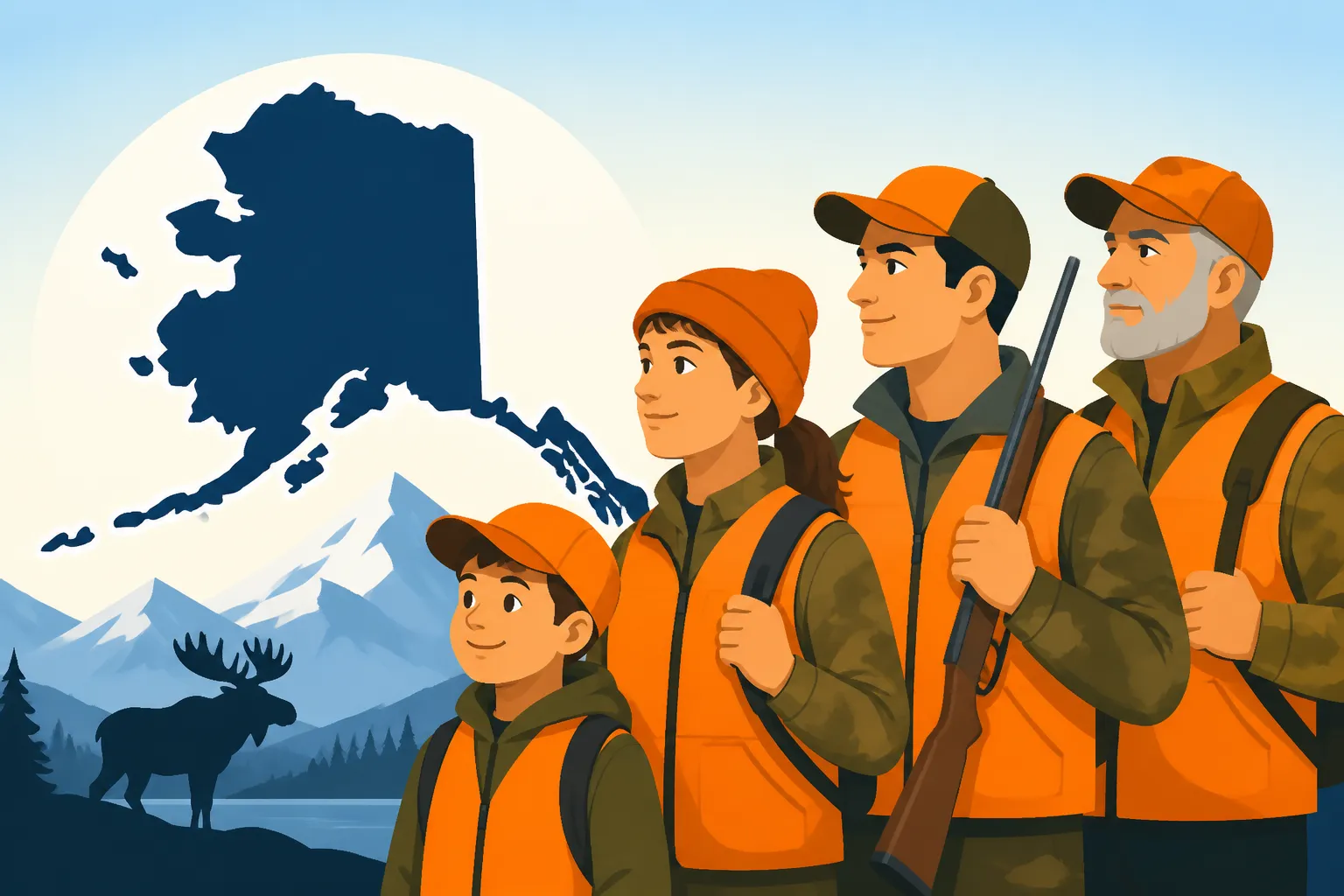
This is where things can get a little more nuanced. Generally, hunters under 10 years of age are not permitted to hunt big game in Alaska. For youth hunters aged 10 through 15, they are specifically exempted from the hunter education requirement if they are accompanied in the field by a licensed hunter who is 16 years of age or older, and who holds a valid hunting license. This accompanying adult must be within "normal conversation or hearing distance" of the youth hunter.
The goal of this provision is to allow young people to gain practical hunting experience under direct supervision before they are required to complete the formal education course. It’s a fantastic way to introduce the next generation to hunting, allowing them to learn firsthand from an experienced mentor. However, the supervising adult takes on a significant responsibility, not just for the youth's safety but for their adherence to all regulations. The adult must ensure the youth understands safety protocols, shot placement, and ethical considerations. The Alaska Youth Hunting License Rules offer more details on this.
It's important to stress that this "accompanying adult" exemption does not mean the youth hunter is exempt from all rules. They still need appropriate tags for the species they are hunting, and all bag limits and season dates apply. The adult is essentially serving as their on-the-spot hunter education instructor and legal guardian for the hunt. Once a youth hunter turns 16, they generally fall under the "born on or after January 1, 1986" rule and will need to have completed hunter education if they haven't already.
Hunter Education Requirements by Age Group in Alaska
| Age Group | Hunter Education Required? | Notes |
|---|---|---|
| Born On or After Jan 1, 1986 | Yes | Must complete an approved hunter education course (any state/province/country recognized by IHEA-USA). Required to obtain an Alaska hunting license. |
| Born Before Jan 1, 1986 | No | Not legally required to complete a hunter education course to purchase a license. Highly recommended for updated knowledge and safety. |
| Under 10 Years Old | No | Not permitted to hunt big game in Alaska. |
| 10 to 15 Years Old | No, with adult supervision | Exempt if accompanied in the field by a licensed hunter 16 years or older, who is within normal conversation/hearing distance. The adult takes full responsibility for the youth's safety and legal compliance. Hunter education will be required once they turn 16 if born after Jan 1, 1986. |
Exemptions and Special Considerations
While the general rules cover most scenarios, Alaska, with its unique hunting culture and vast landscapes, does have a few special considerations and exemptions that are worth knowing about. These exceptions cater to specific circumstances and ensure flexibility without compromising safety or ethical standards.
Alaska Hunter Education Card Reciprocity
One of the most common questions revolves around hunter education cards obtained in other states or countries. The good news is that Alaska generally recognizes hunter education certificates issued by any state, province, or country that adheres to the standards of the International Hunter Education Association (IHEA-USA). This means if you took your course in, say, Montana, Texas, or British Columbia, your certification is very likely valid in Alaska.
This reciprocity is a huge relief for non-residents planning a hunt in Alaska, as it means they typically don't need to take a second course just for the Last Frontier. You just need to be able to provide proof of your certification when purchasing your license. It’s always wise to carry your physical hunter education card or a digital copy, along with your hunting license, while in the field. This simplifies things for those looking at a guided versus unguided hunting in Alaska trip, as proof of education is generally a requirement across the board for non-resident hunters. Always double-check with the ADF&G if you have an unusual or very old certification, but for the vast majority, an IHEA-approved course from elsewhere will suffice.
Bowhunter Education Requirements
Beyond the general hunter education, if you're planning to hunt certain big game with a bow and arrow in Alaska, you'll need to complete a separate bowhunter education course. This is not universally required for all bowhunting in the state, but it is mandatory in designated "archery-only" areas or for specific draw hunts where archery is the only legal method of take. This distinction is crucial because general hunter education typically focuses on firearms, while bowhunter education delves into the unique challenges and ethical considerations of archery hunting.
The bowhunter education course covers topics like shot placement specific to archery equipment, bowhunting ethics, effective range limitations, and blood trailing techniques that differ from those used after a rifle shot. It ensures that archers are proficient and capable of making quick, clean kills. If you're considering Bowhunting Alaska Big Game in Archery-Only Areas, this specific certification will be a requirement. Just like general hunter education, many states offer IHEA-USA recognized bowhunter education courses that Alaska will accept. Make sure your bowhunting aspirations align with the correct certifications, as a general hunter education card won't cut it in an archery-only zone. GoHunt resources often specify when and where these additional requirements apply.
Military Personnel
Members of the U.S. armed forces, whether active duty, Reserves, or National Guard, often have specific provisions regarding hunter education. Generally, if you are actively serving or have been honorably discharged, and you can provide proof of completing basic training that included firearms instruction, you may be exempt from the general hunter education requirement. This recognizes the extensive firearms training inherent in military service.
However, it's critical to verify this with the ADF&G, as the exact interpretation and required documentation can vary. This exemption typically applies to the general hunter education, but if you're targeting archery-only areas, the separate bowhunter education may still be required. Always carry your military ID or discharge papers as proof. This can be a significant convenience for military residents and non-residents alike who wish to take advantage of Alaska's incredible hunting opportunities, but proper documentation is key to avoiding issues.
Getting Your Hunter Education Certification in Alaska
If you find yourself needing to complete hunter education for an Alaska hunt, don't worry—it's a well-established process with various options to suit different learning styles and schedules. Whether you prefer an in-person class or the flexibility of online learning, Alaska provides pathways to get certified.
Choosing Your Course: Online vs. In-Person
The Alaska Department of Fish and Game offers a few primary ways to complete your hunter education. The most traditional method is an in-person classroom course. These courses are typically taught by certified volunteer instructors, often over a weekend or a series of evenings. They offer direct interaction with experienced hunters, hands-on practice with inert firearms, and the chance to ask questions and learn from local experts. Many people find the camaraderie and practical elements of an in-person course invaluable, especially for youth hunters who benefit from the structured environment and peer interaction.
Alternatively, for those with busy schedules or who live in more remote areas, online hunter education courses are a popular option. These courses allow you to learn at your own pace from anywhere with an internet connection. However, most online courses in Alaska require a mandatory field day or "skills evaluation" component to complete the certification. This hands-on portion ensures that students demonstrate practical safety skills, firearm handling, and often include a live-fire exercise. It bridges the gap between theoretical knowledge and real-world application, which is crucial for hunting in Alaska's challenging conditions. GoHunt often points hunters towards approved online courses and outlines the field day requirements.
What to Expect During the Course
Regardless of whether you choose an online or in-person format, a certified hunter education course will cover a broad spectrum of topics essential for safe and ethical hunting. You'll learn about firearm safety rules (the four main rules are usually drilled in thoroughly), safe gun handling in the field and at home, and proper storage. Ethical considerations are a big part of the curriculum, including fair chase principles, respecting private property (a significant concern given the complex land status in Alaska), and the importance of leaving no trace.
Beyond firearms, courses often touch on wildlife identification, basic first aid, survival skills (which are non-negotiable for Backpack Hunting in Alaska: Gear Weight and Meat Loads), and how to read the terrain. You'll also get an overview of Alaska's specific hunting regulations, season structures, and permit requirements, which can be dense. For instance, understanding the nuances of Alaska Game Management Units and How They Are Numbered is key for legal hunting. Expect to cover topics like shot placement for various game, field dressing basics, and how to prevent meat spoilage. The goal is to produce well-rounded, responsible hunters prepared for the challenges of the Alaskan wilderness.
Finding a Course and Registering
Finding an approved hunter education course in Alaska is relatively straightforward. The Alaska Department of Fish and Game (ADF&G) website is the official source for scheduling and registration. They maintain an up-to-date list of available courses, both in-person and those with required field days, across various locations in the state. You can usually filter by region and date to find one that fits your schedule.
Registration typically involves signing up online and paying a small fee. Courses, especially the popular in-person ones, can fill up quickly, so it's a good idea to plan ahead, especially if you're trying to get certified before a specific hunting season. Don't wait until the last minute, as you might miss the window to get your certification before you need to purchase your license. It's often advisable to check for course availability several months before you intend to hunt. This forward planning ensures you have all your ducks in a row for a successful season, avoiding any last-minute scramble for certification.
The Consequences of Non-Compliance
It might seem like a minor detail, but overlooking or intentionally ignoring Alaska’s hunter education requirements can lead to serious repercussions. The state takes its hunting regulations very seriously, and ignorance of the law is generally not considered an excuse. Understanding the potential penalties can certainly motivate you to get certified long before you head afield.
Legal Penalties and Fines
The most immediate consequence of not meeting the hunter education requirement is the inability to legally obtain an Alaska hunting license. If you are required to have hunter education and try to purchase a license without proof, you simply won't be issued one. Attempting to hunt without a valid license, or with one obtained fraudulently, can lead to significant fines and penalties.
These penalties can range from hundreds to thousands of dollars, depending on the specifics of the violation and whether it’s a first offense. Beyond monetary fines, you could face confiscation of your gear, including firearms, and even the loss of your hunting privileges for a certain period. For a nonresident, this could mean an expensive trip to Alaska for a hunt you can’t legally participate in. Alaska's hunting regulations are designed to be a deterrent, and wardens are diligent in enforcing them. It’s always cheaper and less stressful to get properly certified.
Safety Risks and Ethical Dilemmas
Beyond the legal ramifications, hunting without proper hunter education poses substantial safety risks. As we discussed, these courses are designed to teach fundamental safety principles. A lack of this training can lead to negligent discharges, accidental shootings, or simply poor decision-making in the field that could endanger yourself or others. The Alaskan wilderness is no place for inexperience when it comes to firearms and wildlife encounters.
Ethically, not complying with hunter education requirements also undermines the integrity of the hunting community. It suggests a disregard for the principles of responsible hunting that the majority of hunters uphold. This can cast a negative light on all hunters, making it harder to maintain public support for hunting as a conservation tool. An ethical hunter takes every step to ensure they are prepared, safe, and lawful, which includes getting the necessary certifications. You should always aim to adhere to the highest standards, even if it means putting in the extra effort to get certified.
Impact on Future Hunting Opportunities
A violation related to hunter education or hunting without a valid license can have long-lasting impacts on your ability to hunt in Alaska and potentially in other states as well. Many states participate in interstate wildlife violator compacts, meaning a conviction in Alaska could result in the suspension of your hunting privileges in your home state and other participating states. This makes it a national issue, not just an Alaskan one.
Furthermore, a history of hunting violations can make it difficult or impossible to apply for certain draw permits or participate in guided hunts with reputable outfitters, who often conduct background checks on their clients. Future opportunities for hunts like those requiring Alaska's Big Game Drawing Permits could be jeopardized. The best advice is always to prioritize compliance. Invest the time upfront to understand and meet the hunter education requirements; it's a small investment compared to the potential costs and lost opportunities of non-compliance.
Final Thoughts on Hunter Education
Navigating the hunter education requirements in Alaska can seem like a lot, especially when you factor in age, residency, and specific hunt types. But ultimately, it boils down to ensuring that everyone who steps into Alaska's incredible hunting grounds does so safely, ethically, and legally. Whether you're a seasoned veteran or introducing a new youth hunter to the tradition, understanding these rules is a critical part of a successful and responsible adventure. Don't let confusion be the reason you miss out on an unforgettable Alaska hunting experience. Get informed, get certified, and get out there!
Disclaimer
The information provided in this guide is for general informational purposes only and does not constitute legal advice. Hunting regulations in Alaska are subject to change. Always consult the official Alaska Department of Fish and Game regulations, current emergency orders, and local authorities before planning or engaging in any hunting activities.