Alaska Moose Draw Six-Choice Rule
Navigating Alaska's big game draw system can feel like trying to solve a complex puzzle, especially when it comes to securing a coveted moose permit. The unique "six-choice rule" for moose applications often adds another layer of confusion, leaving many hopeful hunters wondering how to best strategize. This comprehensive guide will demystify the Alaska Moose Draw Six-Choice Rule, helping you understand its mechanics and empowering you to craft a more informed and strategic application to boost your chances of drawing that dream tag.
Deciphering Alaska's Moose Draw System
Before we dive into the specifics of the six-choice rule, it’s crucial to understand the foundation of Alaska’s draw permit system. Unlike over-the-counter tags available for some species, draw permits are allocated through a lottery for hunts with limited quotas, often in areas with high demand or specific management objectives. Moose hunts, particularly those for trophy-class bulls or in easily accessible areas, are almost exclusively draw-only, making them highly competitive. Residents and nonresidents alike enter this lottery, with specific quotas often set for each group, and the odds can be long, indeed.
The Alaska Department of Fish and Game (ADF&G) uses this system to manage harvest levels, distribute hunting pressure, and offer quality hunting experiences without overharvesting specific populations. It’s a vital tool in wildlife management, ensuring healthy game populations for future generations of hunters. However, for the individual hunter, it means careful planning and a deep understanding of the application process. Knowing the ins and outs of Alaska Harvest Tickets, Registration Permits and Draw Permits is your first step. These draw hunts are highly sought after, and a successful application is often the result of more than just luck – it’s about strategic choices and diligent research.
Many hunters find themselves in a yearly ritual of poring over statistics and hunt details, trying to predict the elusive winning combination. The emotional rollercoaster from the Alaska Draw Application Opening Date in November to the Alaska Draw Results Release in February is very real. It's easy to get frustrated by low odds, but understanding that every choice matters is key. This isn’t just about putting down any six hunts; it's about making each one count in a meaningful way.
Understanding the Six-Choice Application Mechanism
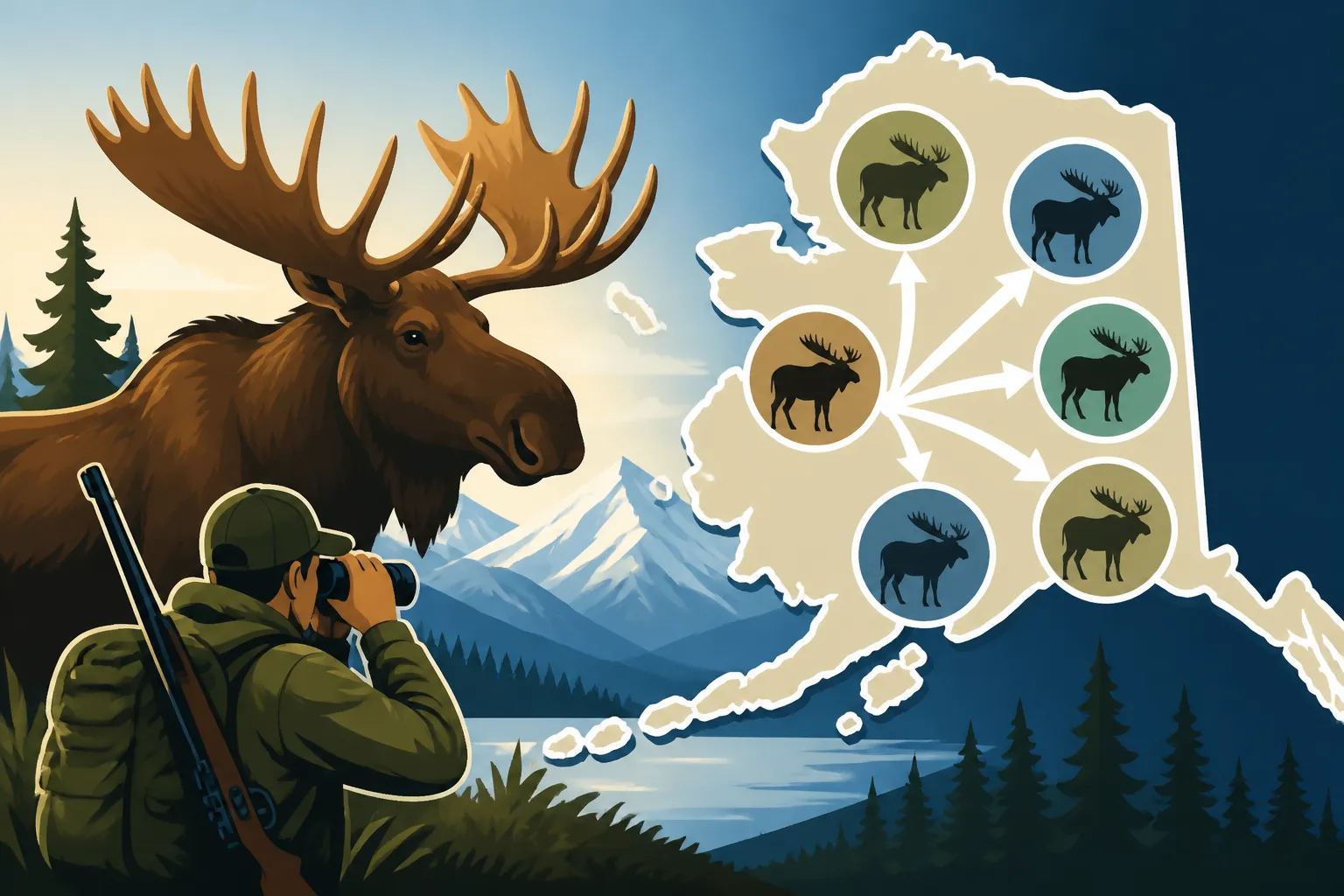
The Alaska Moose Draw Six-Choice Rule is unique in that it allows applicants to select up to six distinct hunt choices for moose permits on a single application. This isn't six separate chances to draw, but rather a prioritized list that the ADF&G lottery system processes sequentially. Here’s how it typically works: When your application is processed, the system first checks if you've been drawn for your first choice. If you are successful, fantastic – you get that permit, and your application stops there. If you are not drawn for your first choice, your application then moves to your second choice, where it's considered again. This process continues down your list, through your third, fourth, fifth, and finally, your sixth choice, until you are either drawn for one permit or your application exhausts all six choices without success.
The critical takeaway here is that you can only ever receive one moose draw permit per application. This isn't a system for accumulating multiple permits; it's designed to give you multiple chances to be successful for a permit. This sequential processing means your first choice is your absolute priority, but a highly competitive first choice could effectively eliminate your chances of ever being considered for your second or third choices if all available permits for those choices are drawn by applicants who listed them as their higher preference. This makes the order of your choices incredibly important. For instance, if you apply for a highly desirable hunt in Hunting Unit 13 and the Nelchina Basin as your first choice, and it has abysmal odds, you might be out of the running before your application ever reaches your more realistic fifth choice.
This structure demands a thoughtful approach beyond just listing your dream hunts. You need to consider the historical draw odds for each choice, the number of permits available, and the overall demand. Using resources like GoHunt can provide invaluable data on previous years' draw statistics, helping you gauge the competitiveness of different hunts. They often compile success rates, applicant numbers, and detailed unit information that can give you an edge. Many hunters, especially those new to Alaska’s system, fail to fully grasp this sequential processing, often leading to disappointment when they realize their highly-sought-after first choice essentially "burned" their other, more realistic options.
Strategizing Your Six Choices for Maximum Odds
Crafting your six choices isn't just about picking your favorite units; it's a strategic exercise designed to maximize your chances of drawing any moose permit while still taking a shot at a dream hunt. The key is to balance ambition with realism. Start by researching various hunt units and their specific regulations. Are you looking for a massive Alaska-Yukon bull, or is the experience of a successful moose hunt, regardless of antler size, your primary goal? For some, Alaska Moose Antler Restriction Areas might be a good strategic choice if the odds are better, even if it means judging a bull carefully in the field to avoid Why Antler Restriction Hunts End in Citations.
A smart strategy often involves layering your choices from highly aspirational to more attainable. Your first choice might be that truly once-in-a-lifetime hunt with notoriously low odds, a real "needle in a haystack" hunt. But as you move down your list, your subsequent choices should gradually increase in realistic draw odds. This means diving deep into historical data. Tools like GoHunt are absolute game-changers here, providing comprehensive data on draw odds, success rates, and permit numbers for each hunt code. You can see how many applicants applied for a specific hunt number last year, the number of permits issued, and the resulting odds. This data-driven approach is far more effective than just guessing. You can even filter by resident versus nonresident success rates, which often differ significantly.
Consider a practical example: A hunter might list a highly sought-after trophy bull hunt as their first choice, knowing the odds are slim. Their second and third choices might be for good, but less competitive, bull hunts in different areas. Their fourth and fifth choices could then be for "any moose" permits or antler-restricted hunts in areas with higher historical draw success, perhaps areas that require more effort to access or are less glamorous. Finally, their sixth choice might be a hunt with the highest statistical chance of success, even if it means a smaller bull or a hunt in a less-than-ideal timeframe. The goal is to avoid leaving those last few choices to chance or wasting them on hunts that are equally as competitive as your first. Remember to factor in Party Applications in the Alaska Draw if you're applying with friends or family, as this can affect how your application is processed as a group. Taking the time to Scouting a Unit From Satellite Imagery Before You Fly can also give you a significant advantage, even before you apply.
Researching Hunt Units and Regulations
Thorough research is your best friend when applying for an Alaska moose permit. Each Game Management Unit (GMU) and specific hunt code comes with its own set of rules, season dates, and access challenges. Some hunts are open longer, others are very short, and many have specific antler restrictions. You need to consider what kind of hunt experience you're truly seeking. Do you prefer a remote fly-in hunt, or are you looking for road-accessible options? Will you be Field Judging a Legal Bull Under Alaska Antler Rules, or is it an "any legal moose" hunt? All these factors play a role in the difficulty of drawing a permit and the type of hunt you'll have.
The ADF&G website is the official source for all regulations, but it can be a dense read. This is where supplementary tools and resources come in handy. Websites that compile and analyze this data, like GoHunt, can simplify your research process immensely. They often categorize hunts by species, weapon type, and accessibility, making it easier to filter for what's relevant to you. Pay close attention to season dates, weapon restrictions (archery-only areas, for instance), and any specific hunter education requirements. Missing a crucial detail on your application could lead to immediate disqualification, or worse, a citation if you hunt illegally.
When researching, also look at the typical weather patterns and terrain for each unit during the hunt dates. A unit with high success rates might be appealing, but if it's notoriously rugged, swampy, or requires specialized gear you don't possess, it might not be the best fit for you. Be honest about your physical capabilities and hunting style. A challenging hunt with high draw odds might still be a bad choice if you're unprepared for the conditions.
Common Pitfalls and Key Considerations
While the six-choice rule offers flexibility, it also presents opportunities for common mistakes that can sink your chances. One major pitfall is failing to understand that you can only draw one permit. If your first choice is a tough draw, and you then list five other equally tough draws, you haven't actually improved your overall odds much. The system doesn't magically increase your chances for each consecutive choice; it simply tries to fulfill your highest available preference. This means truly diversifying your list with varying levels of competitiveness is crucial.
Another critical consideration is the Alaska Draw Application Deadline Time Zone. Missing this deadline means you're out for the year, plain and simple. Applications must be submitted online by 5:00 PM (Alaska Time) on December 15th, or the next business day if the 15th falls on a weekend. Don't be that hunter who misses out because of a time zone miscalculation or waiting until the last minute when the system is overloaded. There's also an Alaska Draw Application Fee Per Hunt choice, which can add up, so budget accordingly. These fees are typically non-refundable, whether you draw or not.
Always double-check the current year's hunting regulations booklet, as Alaska Hunting Seasons and Tag Rules Explained can change annually. Emergency orders or legislative changes can affect hunt dates, bag limits, or even legal animal definitions. Never rely solely on information from previous years or unofficial sources. The ADF&G website is your authoritative source. Once the draw results are out, be sure to check them promptly. You'll want to know the Alaska Draw Results Release in February and plan your hunt accordingly if you're successful. This will include understanding The Three-Hunt-Number Limit on Alaska Draw Applications for other species and how the Alaska Moose Draw Six-Choice Rule fits into that overall strategy. Don't forget that if you successfully draw, you still need to obtain your physical license and tag, which sometimes has its own deadlines and procedures.
| Choice Priority | Hunt Code (Example) | Unit | Species | Antler Restriction | Historical Draw Odds (Non-Res) | Strategy |
|---|---|---|---|---|---|---|
| 1 | RM001 | 13B | Moose | >50" or 3 Brow | < 1% | Dream Hunt: Low odds, high reward. |
| 2 | DM002 | 20A | Moose | Spike-Fork or >50" | 2-5% | Solid Hunt: Better odds, still good trophy potential. |
| 3 | SM003 | 16A | Moose | Bull, any size | 5-10% | Good Hunt: Realistic chance for a bull. |
| 4 | WM004 | 19C | Moose | Any Legal Moose | 10-15% | Higher Odds: Increased chance, potentially more accessible. |
| 5 | KM005 | 21D | Moose | Any Legal Moose | 15-20% | High Odds: Focus on harvest, possibly harder access. |
| 6 | HM006 | 23 | Moose | Any Legal Moose | 20-25% | Safety Net: Best statistical chance for a permit. |
This table provides a hypothetical illustration of how you might structure your six choices, balancing your desire for a trophy hunt with increasing realistic chances of drawing any moose permit. The specific codes and units are examples, and actual odds fluctuate yearly.
Disclaimer
The information provided in this guide is for general informational purposes only and does not constitute legal advice. Hunting regulations in Alaska are complex and subject to change. Always consult the official Alaska Department of Fish and Game (ADF&G) regulations for the current year before applying for permits or planning a hunt. It is the individual hunter's responsibility to understand and comply with all applicable state and federal laws and regulations.