Alaska Tags That Residents Do Not Have to Buy
Navigating the intricate world of Alaska hunting regulations can feel like trying to track a grizzly through a blizzard – confusing, challenging, and prone to missteps if you don't know the landscape. For many residents, one of the biggest points of confusion, and frankly, frustration, revolves around which species require an expensive locking tag and which are accessible with simply their hunting license and a free permit. This guide aims to clear up that confusion, offering a realistic look at the Alaska tags that residents do not have to buy, and how you can take advantage of these incredible opportunities.
Understanding Alaska's Tag System for Residents
Before we dive into the species that residents can pursue without additional locking tags, it's absolutely crucial to grasp the fundamental structure of Alaska's hunting authorization system. It's not as simple as just buying a single "hunting license" and heading out. There are layers, and understanding them is key to a successful, legal hunt.
The Core Distinction: License vs. Tags
First things first: every single hunter in Alaska, resident or nonresident, must purchase a valid Alaska hunting license. Think of this as your foundational entry pass into the world of hunting here. Without it, nothing else matters. This license is an annual requirement, and for residents, it's significantly more affordable than what our nonresident friends pay, reflecting a long-standing commitment to making hunting accessible to those who call Alaska home. It’s what allows you to carry a firearm or bow in the field for the purpose of hunting and to participate in general seasons for various species.
However, a hunting license alone isn't always enough. For many big game species, an additional authorization, often referred to as a "tag" or "permit," is required. These are species-specific and dictate what you can actually harvest. The real difference-maker for residents comes in the form of these additional authorizations – specifically, the physical "locking tags" that carry a significant monetary cost for certain animals, even for residents, versus the free harvest tickets or registration permits that cover many other species. This financial advantage is one of the most significant perks of being an Alaska resident hunter, opening up a world of opportunities that would be prohibitively expensive for others.
To truly understand the comprehensive system, it helps to review the broader picture of Alaska Harvest Tickets, Registration Permits and Draw Permits, as these are the mechanisms that govern access to most hunts where locking tags aren't required.
Locking Tags Explained
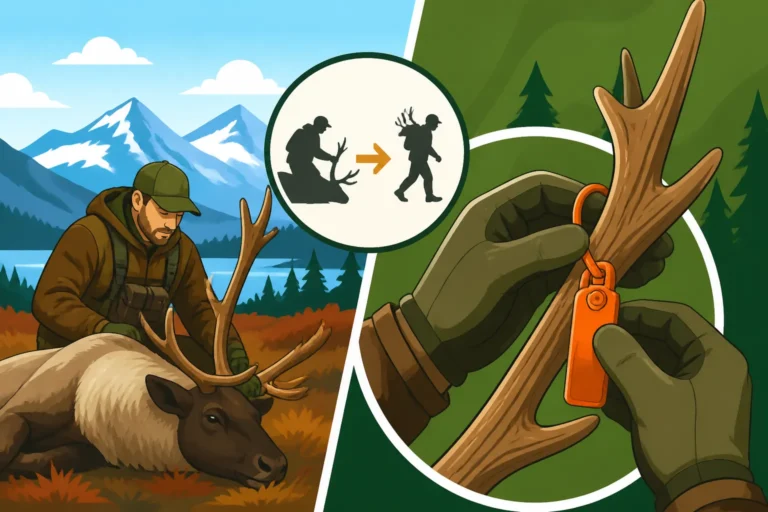
So, what exactly is a "locking tag," and why does it matter so much? A locking tag is a physical, metal or plastic tag that you purchase from the Alaska Department of Fish and Game (ADF&G) or an authorized vendor. When you successfully harvest an animal for which a locking tag is required, you must immediately attach this tag to the animal in a specific manner, "locking" it in place. This tag then stays on the animal, often through the entire process of packing out, transportation, and even initial processing, serving as proof of legal harvest.
The critical aspect of locking tags for residents is their cost. While significantly cheaper than nonresident tags, they still represent a substantial expense. For example, species like brown/grizzly bear, Dall sheep, mountain goat, muskox, bison, and elk do require residents to purchase these locking tags. These tags can range from tens to hundreds of dollars, adding a significant financial layer to pursuing these premier big game animals. For a comprehensive overview of these costs, it's worth understanding Which Alaska Species Need a Locking Tag. This means that while residents have a massive advantage over nonresidents in terms of general license fees and the ability to hunt many species without costly tags, these specific trophy animals still represent a financial commitment that needs to be budgeted for.
Big Game Species Residents Often Hunt Without Locking Tags
For Alaska residents, the sheer number of big game animals that don't require a separate, expensive locking tag is truly remarkable. These opportunities form the backbone of many Alaskans' hunting traditions, providing crucial sustenance and unparalleled outdoor experiences.
Moose: The Resident Staple
When most Alaskans think of putting meat in the freezer, moose are often at the top of the list. And here's the good news: for the vast majority of moose hunts, Alaska residents do not have to buy an expensive locking tag. Instead, these hunts are managed through either free harvest tickets or free registration permits. This is a huge financial advantage that opens up broad areas of the state for moose hunting.
Harvest tickets are typically available over-the-counter or online, allowing you to participate in general season hunts within specified Game Management Units (GMUs) and dates. You simply get the ticket, carry it with you, and if you harvest a moose, you fill it out and report your kill by the deadline. Registration permits, while also free, often come with a few more stipulations. You "register" for the hunt, usually online or at an ADF&G office, and these hunts often have quotas. This means that once a certain number of animals are harvested in that unit, the hunt will close, sometimes with little notice. This system ensures that harvest levels are managed sustainably, but it also means hunters need to stay incredibly vigilant for emergency orders. For example, popular areas like Unit 20A in the Tanana Flats or portions of Unit 13 often operate under these permit systems, providing incredible opportunities without the added financial burden of a locking tag.
The contrast with nonresident moose tag costs is stark; a nonresident moose tag can be well over $800. This resident privilege allows Alaskans to truly make moose hunting a core part of their lifestyle and food procurement strategy, making it a truly accessible pursuit for those living in the state. Many residents spend weeks, or even months, planning their annual moose hunt, leveraging their knowledge of local terrain and their understanding of Float Hunting Alaska Rivers for Moose and Caribou or other access methods.
Caribou: Following the Herds
Similar to moose, caribou are another iconic Alaska species that residents can typically pursue without purchasing a locking tag. Again, these hunts are predominantly managed through free harvest tickets or registration permits, making caribou hunting a fantastic and accessible opportunity for food and sport. Alaska is famous for its vast caribou herds, and for residents, the ability to join in the annual migrations is a deeply ingrained tradition.
Whether you're looking at the Fortymile Herd in the Interior, the Nelchina Herd in Unit 13, or the Western Arctic Herd in the northwest, residents usually just need to acquire the appropriate harvest ticket or registration permit for the specific hunt area and season. These permits are free, but they come with the crucial responsibility of accurate and timely harvest reporting. Understanding the dynamics of Caribou Herds of Alaska and How They Move is essential, as these animals are nomadic, and their locations can change rapidly, often requiring hunters to be flexible and adapt their plans. While the permit is free, the logistics of pursuing caribou can still be substantial, often involving bush flights or extensive ATV travel.
Staying on top of current regulations is paramount, especially for caribou. Herd sizes fluctuate, and management strategies can change quickly through emergency orders, which might open or close seasons or specific zones with little lead time. For instance, a hunt might close early if the quota is met, or an area might be unexpectedly shut down due to herd movements or biological concerns. While the tag itself is free, the ongoing commitment to staying informed is the real "cost" for these dynamic hunts.
Black Bear: Abundant and Accessible
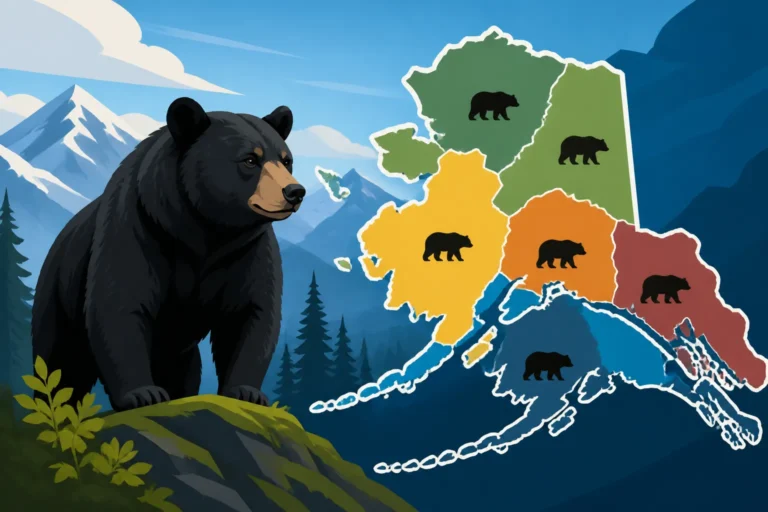
For Alaska residents, black bear hunting represents another excellent opportunity that generally does not require a costly locking tag. Black bears are widespread across much of the state, from the temperate rainforests of Southeast Alaska to the Interior forests and even up into parts of the Arctic. They are often one of the most accessible big game animals for residents, offering both a challenging hunt and a source of high-quality meat.
Most black bear hunts for residents fall under the general hunting license, with no additional tag fee required. Depending on the Game Management Unit (GMU), hunters might need to acquire a free harvest ticket, but this is a simple process. Seasons are often generous, sometimes running for several months in both spring and fall, and bag limits can allow for multiple bears in some areas, further enhancing their accessibility. Residents can employ various methods, from spot-and-stalk hunting in newly greened-up areas in spring or berry patches in the fall, to Bear Baiting in Alaska: How the Registered Site System Works which is a popular and effective method in many units.
One of the fascinating aspects of black bear hunting in Alaska is the incredible variety of color phases encountered. While "black" bear is in their name, residents frequently encounter cinnamon, brown, and even "glacier bears" in some coastal regions. This adds another layer of excitement to these hunts. For residents looking to fill their freezer or enjoy a challenging chase without the financial burden of an expensive locking tag, black bear offer an outstanding opportunity.
Deer and Other Game: Simpler Requirements for Residents
Beyond the larger big game species, Alaska offers a wealth of other hunting opportunities where residents enjoy simplified tag requirements, often needing nothing more than their basic hunting license and a free harvest ticket. These species contribute significantly to the Alaskan hunting lifestyle, providing both sport and sustenance throughout the year.
Sitka Blacktail Deer: Southeast Alaska's Bounty
For residents of Southeast Alaska, and those willing to travel to coastal regions like Kodiak Island, Sitka blacktail deer are a truly exceptional resource that does not require a locking tag. These hunts are managed through free harvest tickets, making them incredibly accessible to residents seeking some of the finest venison available. The temperate rainforests and island ecosystems provide ideal habitat, and the hunting culture surrounding these deer is strong.
Hunters typically acquire a free harvest ticket for the specific GMU or island group they plan to hunt. Seasons are often long, extending from early August through the late fall and into winter in some areas. This allows for diverse hunting opportunities, from chasing bucks in the alpine before the snow flies, a tactic explored in Hunting Sitka Blacktail Deer in the Alpine Before Snow, to glassing clearcuts or cruising beaches by skiff in the colder months. The bag limits for residents are generous in many areas, often allowing for multiple deer per season, which makes them a critical food source for many coastal families.
It's important to note that Sitka blacktail deer populations can fluctuate dramatically based on winter severity. Deep snow winters can lead to significant die-offs, and regulations might be adjusted in response. However, even with these natural cycles, residents consistently find excellent hunting for these small but mighty deer without the added cost of a locking tag, solidifying their status as a cornerstone of resident hunting in Alaska.
Wolves and Wolverine: Predator Opportunities
Alaska residents interested in predator hunting will be pleased to know that both wolves and wolverine generally do not require a separate locking tag. These elusive and challenging species offer unique hunting experiences, and their management often focuses on population control, making them accessible to residents with their general hunting license and sometimes a free harvest ticket.
Wolf hunting seasons are often quite long, frequently extending through much of the fall and winter, and bag limits can be very liberal in many areas. This reflects their widespread distribution and often robust populations across Alaska. Residents can pursue wolves through various methods, from incidental encounters during a big game hunt to dedicated efforts involving calling, as detailed in Predator Calling for Alaska Wolves and Wolverine, or even setting up near winter kill sites. Wolverine, while much rarer and more difficult to hunt, also do not require a locking tag for residents. Their solitary nature and vast home ranges make them a truly prized trophy for those fortunate enough to encounter them.
While these animals offer fantastic hunting opportunities without the tag cost, hunters must be absolutely diligent about sealing requirements. Even though no purchase tag is needed, successful harvest of wolves and wolverine must be reported and the hides sealed by an ADF&G representative within a specified timeframe, often 30 days. This process helps biologists gather crucial data on harvest rates and population health. For residents, pursuing these species adds a rich dimension to their hunting repertoire, offering challenging hunts and valuable fur, all without the burden of an expensive locking tag.
Small Game and Waterfowl: No Tags Needed
For the everyday hunter, or those looking to extend their time in the field, Alaska's small game and waterfowl species provide abundant opportunities that require nothing more than a basic hunting license. There are no additional tags, harvest tickets, or permits needed for most of these species, making them incredibly accessible for residents across the state.
Small game includes popular targets like ptarmigan (willow, rock, and white-tailed), various grouse species (spruce and ruffed), and snowshoe hare. These species offer fantastic opportunities for new hunters, youth hunters, or anyone looking to add some variety to their camp menu. Chasing ptarmigan in the alpine or grouse along the timberline can be a highly rewarding experience, providing both sport and delicious wild game. For a resident looking to supplement their camp food on a big game hunt, or simply enjoy a day afield, small game is always an option. Understanding the ins and outs of Waterfowl and Ptarmigan as Camp Meat can even elevate your backcountry dining experience.
Waterfowl hunting is similarly accessible. While residents need their Alaska hunting license, they also need to purchase a federal duck stamp if they are 16 years or older. This stamp is a federal requirement, not state, and the funds go directly to wetlands conservation. Beyond that, no specific Alaska "tag" is required for ducks, geese, or swans. Alaska boasts incredible waterfowl migrations, particularly along its vast coastline and interior wetlands, offering world-class hunting for a variety of species. This makes chasing ducks and geese a fantastic, low-cost option for residents to enjoy Alaska's rich hunting heritage.
Navigating Permits, Quotas, and the Draw System
Even when specific locking tags aren't required, Alaska's hunting landscape isn't entirely a free-for-all for residents. Many of the accessible hunts still operate under systems of permits, quotas, and even draw applications. Understanding these mechanisms is crucial to ensure a legal and successful hunt, and there are invaluable resources available to help residents navigate these complexities.
Registration and Harvest Tickets: Your Free Access Pass
For many of the species discussed—like moose, caribou, black bear, and Sitka blacktail deer—Alaska residents primarily operate under free harvest ticket or registration permit systems. These are essentially your "free access passes" to hunt specific species in designated areas during set seasons. Obtaining them is usually straightforward: you can typically get them online through the ADF&G website, or in person at ADF&G offices and various license vendors throughout the state. The simplicity of acquiring them belies their importance; carry them with you, understand their specific rules, and know that they are your authorization to hunt these species.
However, the "free" aspect doesn't mean "no responsibility." One of the most critical requirements associated with these permits is timely harvest reporting. If you harvest an animal on a harvest ticket or registration permit, you must report it by the specified deadline, whether that's online, by mail, or in person. Missing this deadline can result in penalties, including fines or the inability to obtain permits in the future. This reporting helps ADF&G biologists gather crucial data for managing populations and setting future seasons. To avoid any issues, it’s vital to be aware of the Alaska Harvest Report Deadline After the Hunt.
Furthermore, many registration hunts are quota-based. This means that ADF&G sets a maximum number of animals that can be harvested in a particular area to maintain healthy populations. Once that quota is met, the hunt will close, often with little notice via an emergency order. This dynamic nature means that hunters need to stay constantly informed of current conditions. Imagine planning your caribou hunt only to find the season closed early due to a rapid harvest. This highlights the need for vigilance, especially in popular hunting units.
Understanding the Draw for Unique Opportunities
While many resident hunts don't require expensive locking tags, it's important to understand that some highly coveted hunting opportunities, even for species that don't require a locking tag, are managed through a lottery or "draw" system. These draw permits are free for residents to apply for and, if successful, free to receive. However, the competition can be fierce for limited permits, offering access to areas or seasons with exceptional success rates or trophy potential.
For example, certain moose or caribou hunts in specific units might be designated as draw hunts, even though the species generally doesn't require a locking tag. This system is put in place to tightly control harvest in sensitive areas or to provide high-quality, low-pressure hunting experiences. Navigating this draw system can be complex. You're dealing with application periods, hunt numbers, choice selections, and odds that can vary wildly year to year and by species and unit. This is where tools like GoHunt can be incredibly valuable for residents looking to understand these draw odds and application strategies for species where tags are free but permits are limited. Their data-driven insights can help you identify hunts with better odds or those that align with your hunting goals.
The application window for most big game draws in Alaska typically runs from November 1 to December 15, as covered in Alaska's November 1 to December 15 Draw Application Window. Residents can apply for multiple hunts across various species, but careful strategy is required to maximize your chances. Understanding which hunts are highly sought after and which might offer more realistic odds is key, especially if you're hoping for a specific type of hunt, like a bull-only moose permit in a certain drainage. Even without the tag cost, the planning and strategic application process for draw hunts can be a significant undertaking.
Resources for Staying Informed
In Alaska, hunting regulations are not static. They can change annually, and sometimes even mid-season, through emergency orders. Relying on outdated information is a sure-fire way to end up with a citation or miss out on a prime hunting opportunity. Therefore, for residents capitalizing on the "no locking tag" hunts, staying informed is arguably the most critical "cost" of the hunt.
The primary source for all regulatory information is the Alaska Department of Fish and Game (ADF&G) website. Here you'll find the most current hunting regulations booklets, emergency orders, permit information, and harvest reporting portals. It’s not just a good idea to check; it’s essential. Additionally, subscribing to ADF&G's email alerts can provide timely notifications about season changes, closures, or new permit announcements, especially crucial for those quota-based registration hunts. For detailed analysis of draw permit odds, historical harvest data, and unit-specific insights, platforms such as GoHunt provide invaluable resources that can help residents make informed application decisions, even for those "free" permits.
Beyond official channels, local knowledge and community engagement are invaluable. Visiting local ADF&G offices, sporting goods stores, or simply talking to experienced hunters in your area can provide ground-level insights that online resources might miss. These local networks are often the first to hear about changing conditions or emerging opportunities. By leveraging comprehensive tools like GoHunt and staying connected to local information, Alaska residents can fine-tune their hunting strategy, ensuring they are always operating legally and making the most of the incredible, often free, hunting opportunities available in the Last Frontier.
Summary of Resident Tag and Permit Requirements
To help simplify the landscape, here’s a quick overview of common big game species and their typical tag/permit requirements for Alaska residents:
| Species | Resident Tag/Permit Requirement | Cost/Complexity for Residents | Notes |
|---|---|---|---|
| Moose | Free Harvest Ticket or Registration Permit | Free (permit), Moderate (logistics) | Most common system. Requires reporting. Registration hunts may close on quota. |
| Caribou | Free Harvest Ticket or Registration Permit | Free (permit), Moderate (logistics) | Similar to moose. Herd movements dictate access. Vigilance for emergency orders is critical. |
| Black Bear | Hunting License + (sometimes) Free Harvest Ticket | Free, Low | Widespread opportunities in spring and fall. Bag limits often generous. |
| Sitka Blacktail Deer | Hunting License + Free Harvest Ticket | Free, Low | Primarily in Southeast Alaska and Kodiak. Populations subject to winter severity. Great for meat hunting. |
| Wolf | Hunting License + (sometimes) Free Harvest Ticket | Free, Low-Moderate | Seasons often long. Requires sealing of hide after harvest. Focus on population management. |
| Wolverine | Hunting License + (sometimes) Free Harvest Ticket | Free, Moderate-High | Highly elusive. Requires sealing of hide after harvest. Opportunistic hunting common. |
| Brown/Grizzly Bear | Locking Tag (Resident price, ~$25-$75) | Paid, High | Requires an actual purchased locking tag for residents. Higher cost reflects trophy status. |
| Dall Sheep | Locking Tag (Resident price, ~$25-$75) | Paid, High | Requires an actual purchased locking tag for residents. Highly sought-after, challenging hunt. |
| Mountain Goat | Locking Tag (Resident price, ~$25-$75) | Paid, High | Requires an actual purchased locking tag for residents. Often draw-only or specific permits within general seasons. Nanny identification crucial. |
| Muskox / Bison / Elk | Locking Tag (Resident price, higher, ~$25-$400+) | Paid, Very High | Often very limited draw-only hunts. Tags are costly even for residents, reflecting extreme trophy status and rarity. |
| Small Game (Ptarmigan, Grouse, Hare) | Hunting License | Free, Very Low | No additional permits/tags. Great for camp meat or casual hunting. |
| Waterfowl | Hunting License + Federal Duck Stamp (for 16+) | ~$25 (stamp), Very Low | No Alaska-specific tags. Excellent opportunities during migration. |
Disclaimer
The information provided in this guide is intended for general informational purposes only and does not constitute legal advice. Hunting regulations in Alaska are complex and subject to change. It is the individual hunter's responsibility to review and understand the most current Alaska Hunting Regulations issued by the Alaska Department of Fish and Game (ADF&G) before participating in any hunting activity. Always confirm season dates, bag limits, permit requirements, and legal hunting methods for your specific Game Management Unit (GMU) and species. Failure to do so can result in significant penalties.