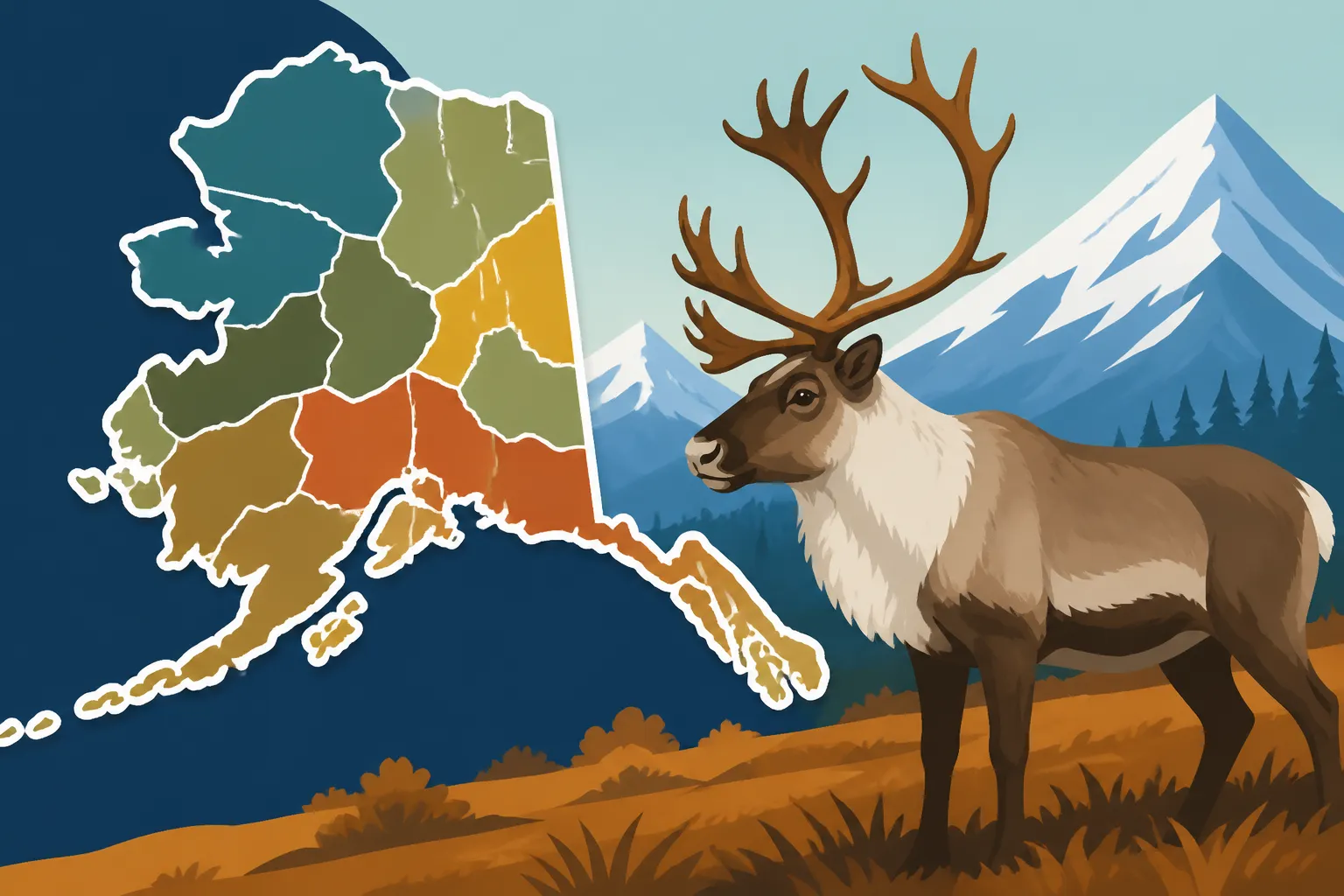
Alaska Caribou Bag Limits by Unit
Navigating the labyrinthine regulations for Alaska caribou hunts can feel like trying to track a caribou herd itself—constantly moving, full of twists, and often overwhelming, especially when trying to understand the specific bag limits for different units. It's a common frustration for both seasoned Alaskans and hopeful non-residents alike, given how quickly things can change with emergency orders and herd dynamics. This comprehensive guide aims to demystify those specific caribou bag limits by unit, helping you plan your next hunt with clarity and confidence, ensuring you stay well within the legal boundaries.
Understanding Alaska's Caribou Management Complexities
The vastness of Alaska means that caribou populations are managed not as a single entity, but as distinct herds, each with its own management strategy tailored to its unique ecology, migration patterns, and interaction with local communities. This decentralized approach is what often leads to the intricate web of regulations you encounter in the field. It’s not just about one statewide rule; it's a dynamic system responding to real-time biological data and human needs.
The Dynamic Nature of Caribou Herds and Regulations
Caribou herds in Alaska are magnificent, but they are also incredibly volatile. Their populations can swing dramatically due to factors like harsh winters, calf predation, disease, and habitat changes. For instance, the renowned Western Arctic Herd, one of the largest in North America, has seen its numbers fluctuate by hundreds of thousands over the decades. The Alaska Department of Fish and Game (ADF&G) is constantly monitoring these herds, and their findings directly inform the hunting seasons and bag limits. This means what was true last year might not be true this year, and emergency orders are a common tool used by the department to adjust seasons and bag limits on the fly to protect the resource or respond to increased harvest pressure.
Consider a scenario where an early, heavy snowfall pushes a herd onto accessible terrain, leading to higher-than-expected hunter success rates. To prevent overharvest, ADF&G might issue an emergency order to close the season early or reduce the bag limit. Conversely, a robust population year might see more liberal opportunities. This constant adaptation is a core part of managing a migratory species like caribou. The need to understand Alaska Caribou Seasons and the Winter Hunt Split is crucial, as often these splits are designed to manage harvest pressure across different times of year.
General Regulations Versus Specific Unit Rules
While there might be overarching statewide principles for big game hunting, caribou management almost exclusively happens at the Game Management Unit (GMU) level, and sometimes even within specific subunits or zones. You can't just read the "caribou" section of the regulations and assume it applies to every caribou hunt in the state. Each major herd often spans multiple GMUs, and the regulations for taking a caribou might differ significantly from one GMU to the next, even if it's the same herd.
For example, a unit might have a general "one caribou" bag limit, but then further specify "bull only" or "antler restrictions apply" within certain subunits or for specific time frames. These nuances are often designed to target certain age classes of animals, protect breeding cows, or distribute harvest evenly. For non-residents, some units might even have additional restrictions or require specific permits that residents don't need, reflecting Alaska's complex resident preference and subsistence regulations. It's a system that truly demands a close reading of the specific regulations for your chosen unit.
Resident, Non-Resident, and Federal Land Considerations
Alaska’s hunting regulations also differentiate between resident and non-resident hunters, particularly concerning species requiring guide services or in specific subsistence areas. While caribou generally do not require a guide for non-residents (unlike brown bear, Dall sheep, or mountain goat), federal subsistence regulations can significantly impact access and bag limits on federal lands for non-local hunters. On certain federal lands, residents of specific rural communities have priority for subsistence harvests, which can influence when and how other hunters can participate, sometimes leading to reduced opportunities or different bag limits for non-federally qualified users.
Understanding the interaction between state and federal regulations, and your residency status, is paramount. Many hunters, especially those traveling from outside Alaska, might not realize that a hunt they've seen advertised might have different rules or access restrictions on federal lands versus state lands. It's an extra layer of complexity that requires diligent research before you even pack your bags.
Specific Caribou Bag Limits by Key Units
Let’s delve into some of the most popular and often-discussed caribou hunting units in Alaska, highlighting the typical bag limits and regulatory considerations you'll encounter. Remember, these are general guidelines, and the current year's regulations and any subsequent emergency orders are your ultimate source of truth.
Fortymile Caribou Herd (Units 20E, 25C, 12, 20F)
The Fortymile Caribou Herd is one of Alaska's iconic success stories, having rebounded significantly from low numbers in previous decades. This herd ranges across a vast area of Interior Alaska and into the Yukon Territory, encompassing several GMUs. For hunters, this herd is often a prime target due to its size and accessibility from road systems like the Taylor and Steese Highways.
Typically, the Fortymile hunt is managed under a tiered system, often involving a bull-only bag limit for the general season. ADF&G often divides the season into fall and winter segments, with specific quotas for each. The bag limit usually revolves around one caribou per regulatory year, sometimes with further restrictions on antler size, such as "any bull" or "antlerless if a specific permit is drawn." Hunters often need to closely monitor Fortymile Caribou Quota for the Season and Fortymile Zone Openings and Delays as the herd's migratory patterns dictate which zones are open at any given time. What might be open in Unit 20E in early September could be closed by mid-month as the caribou move. Sometimes, limited cow hunts are allowed through drawing permits in specific zones to manage population growth or address local needs, but these are rare for non-residents in the general season. Hunters must also be aware of the Fortymile Bull-Only Bag Limit which is a common restriction for this herd.
Nelchina Caribou Herd (Unit 13)
Unit 13, home to the Nelchina Caribou Herd, is arguably the most popular and accessible caribou hunting unit in Alaska, primarily due to its proximity to Anchorage and Fairbanks and good road access via the Glenn and Denali Highways. This herd is managed through a highly structured registration permit system.
For the Nelchina, the bag limit is almost universally one caribou per regulatory year, and typically it's restricted to bulls only. Hunters are required to obtain a harvest ticket (which is a form of registration permit) specific to Unit 13 before heading out. These permits are typically available over-the-counter but often have strict start and end dates. ADF&G closely monitors the harvest, and the season can, and often does, close early by emergency order once a predetermined quota is met. This makes staying updated on Alaska Emergency Orders That Close a Season Early absolutely critical for Nelchina hunters. You might have a permit, but if the season closes, you're out of luck. The Nelchina Caribou Movement Along the Denali Highway can influence hunter success and areas of focus within the unit.
Western Arctic Caribou Herd (Units 23, 24, 26A)
The Western Arctic Caribou Herd (WAH) is a colossus, often boasting hundreds of thousands of animals, making it the largest caribou herd in North America. Its range covers vast areas of northwestern Alaska. While the sheer numbers might suggest liberal hunting, the management of the WAH is complex due to its critical role in the subsistence lifestyle of numerous rural communities.
For state hunters (which includes most non-residents), the bag limit is generally one caribou per regulatory year, often restricted to bulls only, or sometimes "any caribou" depending on population health and herd movements. However, access for non-local hunters, particularly in Unit 23, can be heavily restricted or even closed if the herd drops below certain population thresholds, as outlined by the Western Arctic Herd Threshold for Unit 23 Access. This is where the distinction between state and federal regulations, and who qualifies as a federally recognized subsistence user, becomes incredibly important. The Western Arctic Herd's Population Swings directly dictate these access rules and bag limits. It's vital to remember that just because the herd is massive doesn't mean opportunities are always open to everyone.
Other Notable Herds and Units
While the Fortymile, Nelchina, and Western Arctic herds are the big players, several other caribou herds exist throughout Alaska, each with its own specific unit regulations.
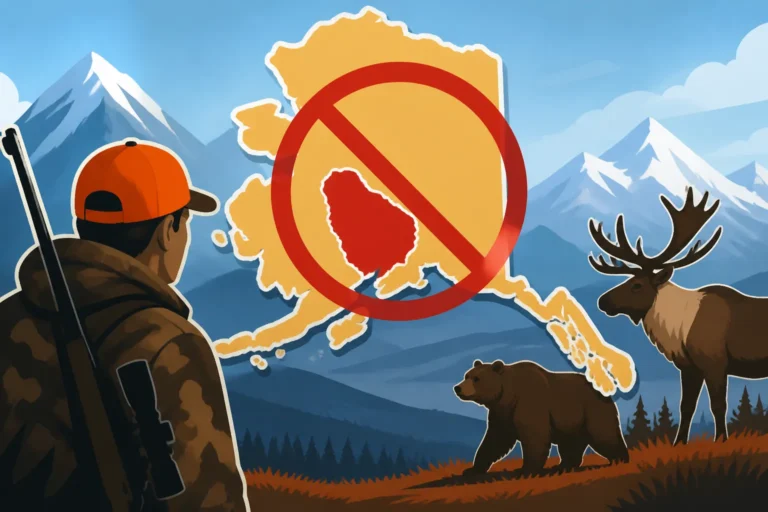
- Mulchatna Herd (Units 17, 18, 19, etc.): Sadly, the once-great Mulchatna Herd has experienced a severe decline. Consequently, hunting opportunities for this herd have been closed since 2021 due to conservation concerns. This is a stark reminder of how quickly caribou management can change, and why checking current regulations is not optional. Mulchatna Caribou Closure Since 2021 is a critical piece of information for anyone looking at units in Southwest Alaska.
- Adak Island (Unit 10): This is a unique situation involving a transplanted herd of caribou. Hunting on Adak is often managed through a tiered permit system, sometimes allowing for more liberal bag limits (e.g., two caribou) to manage the population on the island.
- Delta Herd (Unit 20A, 20B): Another Interior Alaska herd, often managed with similar bull-only restrictions and harvest tickets as the Nelchina, though typically with lower overall harvest quotas.
- Central Arctic Herd (Units 25, 26): Ranging across the North Slope, opportunities here often require significant logistical planning (like Fly-In Hunting: Working With an Alaska Transporter Pilot) and adherence to specific seasonal opening dates.
The following table offers a simplified overview of typical bag limits and permit types for some of Alaska's major caribou units. Always consult the current ADF&G regulations for the most up-to-date and accurate information.
| GMU (Unit) | Primary Caribou Herd | Typical Bag Limit (General) | Permit Type (General) | Common Restrictions | Notes/Considerations |
|---|---|---|---|---|---|
| 13 | Nelchina | 1 Caribou (Bull Only) | Registration Permit | Bull only, quota-based | Season often closes by EO; very popular. |
| 20E, 25C, 12, 20F | Fortymile | 1 Caribou (Bull Only) | Harvest Ticket/Permit | Bull only, specific zones | Hunt zones and season splits are common. |
| 23, 24, 26A | Western Arctic | 1 Caribou (Bull Only) | Harvest Ticket | Bull only, Federal subsistence priority | Population triggers affect non-local access. |
| 17, 18, 19 | Mulchatna | CLOSED | N/A | N/A | Season closed since 2021 due to decline. |
| 10 | Adak Island | 2 Caribou (Either Sex) | Draw Permit (Tier I/II) | Limited permits | Unique island hunt, higher success possible. |
| 20A, 20B | Delta | 1 Caribou (Bull Only) | Harvest Ticket | Bull only | Road accessible, monitor closures. |
Reading the Regulations and Staying Compliant
Understanding caribou bag limits is more than just memorizing a number; it's about knowing how to interpret the regulations and stay current. Alaska's system is designed to be responsive, which means hunters must be equally responsive to changes.
The Importance of the Current Regulations Booklet
There is simply no substitute for reading the actual Alaska hunting regulations booklet for the current year. This isn't just a suggestion; it's absolutely paramount to a legal and ethical hunt. The printed booklet, or its digital equivalent on the ADF&G website, contains all the general provisions, unit-specific rules, and definitions you need. It details everything from Alaska Moose Antler Restriction Areas (which don't apply to caribou, but show the level of detail) to specific caribou bag limits, open and closed areas, legal methods of take, and reporting requirements.
Too often, hunters rely on hearsay, outdated online information, or assume that because they hunted a unit last year, the rules are identical this year. This is a recipe for a citation. Always download or pick up the latest copy. You can find detailed instructions on Where to Get the Alaska Hunting Regulations Booklet on the ADF&G website. Pay close attention to the small print, the footnotes, and the maps – they are all critical to piecing together the full picture of any given hunt.
Understanding Emergency Orders and Quota Closures
This is where the rubber meets the road for caribou hunters. Because caribou are migratory and their populations can fluctuate, ADF&G frequently uses emergency orders (EOs) to open, close, or modify seasons and bag limits. These EOs can happen with very little notice, sometimes just a few days or even hours before a closure. For herds managed by quota (like the Nelchina or Fortymile), the season will close once the harvest target is met, regardless of the published end date.
It's your responsibility as a hunter to check for these emergency orders regularly, especially as your hunt date approaches and even while you're in the field if you have the means. ADF&G publishes EOs on its website and often through local media. Sites like Where Alaska Posts Season Changes are vital resources. Failure to do so can result in unwittingly hunting out of season or exceeding bag limits, leading to fines, confiscation of game, and loss of hunting privileges. A classic scenario involves hunters heading out for a week-long hunt, only to discover upon their return that the season closed three days into their trip. Always check.
Post-Hunt Reporting Requirements
After a successful caribou hunt, your responsibilities don't end when the animal is on the ground. Alaska mandates harvest reporting for almost all big game species, and caribou are no exception. For harvest ticket hunts (which most caribou hunts are), you'll have a specific deadline to report your harvest, whether successful or not. This information is crucial for ADF&G to manage herds effectively and set future seasons.
Missing the reporting deadline, even if you harvested nothing, can result in penalties, including being ineligible for future permits or drawing permits. Make sure you understand the Alaska Harvest Report Deadline After the Hunt for your specific permit. It's often within 15-30 days of the season's end, but some permits have different requirements. Keep a copy of your permit and a record of your report for your own files.
Tools and Resources for Caribou Hunters
Beyond the official regulations, a wealth of tools and resources can help you understand caribou bag limits and successfully plan your hunt. Leveraging these can be the difference between a frustrating trip and a rewarding one.
Online Mapping and Scouting Tools
In this digital age, online mapping and scouting tools have become indispensable for hunters, especially when dealing with vast and complex landscapes like Alaska's caribou country. Platforms like GoHunt (and others like OnX Hunt, Gaia GPS) allow you to overlay Game Management Unit boundaries directly onto satellite imagery and topographical maps. This is incredibly useful for visually understanding which specific areas are covered by a certain unit's bag limits. Imagine trying to decipher a hand-drawn map showing Fortymile zones versus seeing it clearly delineated on your phone or computer screen.
These tools also help with Scouting a Unit From Satellite Imagery Before You Fly by identifying potential access points, caribou migration corridors, and historical herd locations. Some even integrate real-time weather, land status (state, federal, private), and historical harvest data. While GoHunt can't tell you the exact moment an emergency order closes a season, it can provide a strong foundation for understanding the legal boundaries of your hunting area and help you visualize the terrain caribou might use. These platforms often summarize regulations as well, providing a quick reference point, though always cross-reference with the official ADF&G booklet.
Connecting with Alaska Department of Fish and Game (ADF&G)
When in doubt, go to the source. The Alaska Department of Fish and Game is staffed by knowledgeable biologists and technicians who are there to help. If you have specific questions about caribou bag limits for a particular unit, the best course of action is often to call the local ADF&G office for that region. They can provide clarification on regulations, current herd status, and any potential upcoming emergency orders.
Don't hesitate to reach out. It's much better to ask a "dumb" question before your hunt than to face a citation later. They often have insights into Caribou Antler Shedding and Bull Identification during certain times of the year, or what recent Caribou Herds of Alaska and How They Move have been observed in specific units. These conversations can provide critical, up-to-the-minute details that aren't always immediately available in a static regulations booklet.
Using Forums and Social Media (With Caution)
Online hunting forums and social media groups dedicated to Alaska hunting can be fantastic places to connect with other hunters, share experiences, and learn tips. You might find discussions about recent caribou movements, successful strategies for certain units, or even real-time alerts about season closures (though always verify these independently!). Hunters often share personal stories, like the challenge of Quartering a Bull Moose Alone in the Field (even though this is about moose, the logistical challenges apply to caribou too), which can offer valuable insights into the realities of hunting Alaska.
However, a word of caution: while these platforms can be great for general information and community, they are not official sources for regulations. Always verify any information regarding bag limits, season dates, or emergency orders with ADF&G directly. Misinformation, outdated advice, or even well-meaning but incorrect interpretations can lead to serious problems. Use them for camaraderie and general tips, but never for definitive legal guidance.
Disclaimer
Please be advised that the information provided in this guide is intended for general informational purposes only and does not constitute legal advice. Hunting regulations in Alaska are subject to change, and emergency orders can alter season dates and bag limits at any time. It is the individual hunter's sole responsibility to consult the current Alaska Department of Fish and Game (ADF&G) hunting regulations booklet, official emergency orders, and other relevant state and federal laws before planning or engaging in any hunting activities. Failure to comply with all applicable regulations may result in penalties, fines, or loss of hunting privileges.