Alaska Brown Bear Tag Validity Period
Planning a brown bear hunt in Alaska is a monumental undertaking, filled with dreams of vast wilderness and the ultimate challenge. Yet, amidst all the excitement and meticulous preparation, navigating Alaska's intricate hunting regulations can often feel like wrestling a grizzly yourself – complicated, intimidating, and full of potential pitfalls. One of the most common sources of anxiety and confusion for many hunters, especially those carefully budgeting and timing their once-in-a-lifetime adventure, is pinning down precisely how long an Alaska brown bear tag remains valid. This guide is here to untangle that knot for you, breaking down the validity period for these crucial tags with real-world context, helping you plan your hunt with clarity and confidence.
Understanding the Alaska Brown Bear Tag System
Before we dive into the specifics of validity, it’s really helpful to understand what an Alaska brown bear tag is and how it fits into the overall hunting framework. Alaska has a comprehensive system designed to manage its diverse wildlife populations, and big game species like brown bears have particular requirements. This isn't just a simple license; it's a specific authorization for a specific animal.
The Basics of Big Game Locking Tags
For many of Alaska's most sought-after big game animals – think moose, caribou, Dall sheep, and, of course, brown bears – the state employs what are known as "locking tags." These aren't just pieces of paper you carry in your wallet. They are physical tags, often made of durable plastic or metal, that you are legally required to attach to the animal immediately after a kill. It's a critical step in the chain of custody for your trophy and meat. Each tag is unique, tied directly to your hunting license, and specific to the species it's issued for. The cost of these tags can be significant, especially for non-residents, adding another layer of financial commitment to your hunt. Knowing what to expect regarding Alaska Big Game Locking Tags and What Each Costs is a crucial part of your pre-hunt research and budgeting.
The whole idea behind a locking tag is accountability. When you successfully harvest an animal, you notch the date and time on the tag and then secure it to the hide or antler, usually in a way that it can't be removed without destroying it. This system helps wildlife officials track harvests and ensures that hunters are only taking one animal per tag purchased. It’s not just a formality; it’s a fundamental aspect of ethical hunting and game management in the state. Missing this step or improperly attaching your tag can lead to serious legal issues, which is the absolute last thing you want after a successful hunt.
Why Brown Bear Tags Are a Special Case
While the general locking tag system applies to brown bears, there's a heightened level of scrutiny and specific rules that apply to these apex predators. Brown bears are incredibly iconic, and their management is a top priority for the Alaska Department of Fish and Game (ADF&G). This means their tags often come with additional stipulations, such as mandatory sealing requirements after the harvest, or, for non-residents, the requirement to hunt with an Hiring an Alaska Registered Guide-Outfitter or a close relative. These additional layers of regulation are designed to protect the population, ensure proper data collection, and maintain the integrity of the hunt.
The high cost of a brown bear tag, particularly for non-residents (which can easily be $1,000 or more, as detailed in articles like Why an Alaska Brown Bear Tag Costs $1,000), also underscores its importance. It's not a casual purchase. It represents a significant investment in a hunt that requires extensive planning, often years in advance. This financial commitment alone makes understanding every nuance of its validity period incredibly important, because losing that investment due to a misunderstanding of the rules would be a devastating blow. These tags represent the culmination of dreams, savings, and immense effort.
Navigating the Tag Validity Period
This is where many hunters hit a snag. Unlike some states where a tag might be valid for a specific season or a rolling 365 days, Alaska's big game tags, including those for brown bears, generally adhere to a calendar year system. This is a critical distinction that can profoundly impact your hunting plans.
The Calendar Year Rule for Alaska Tags
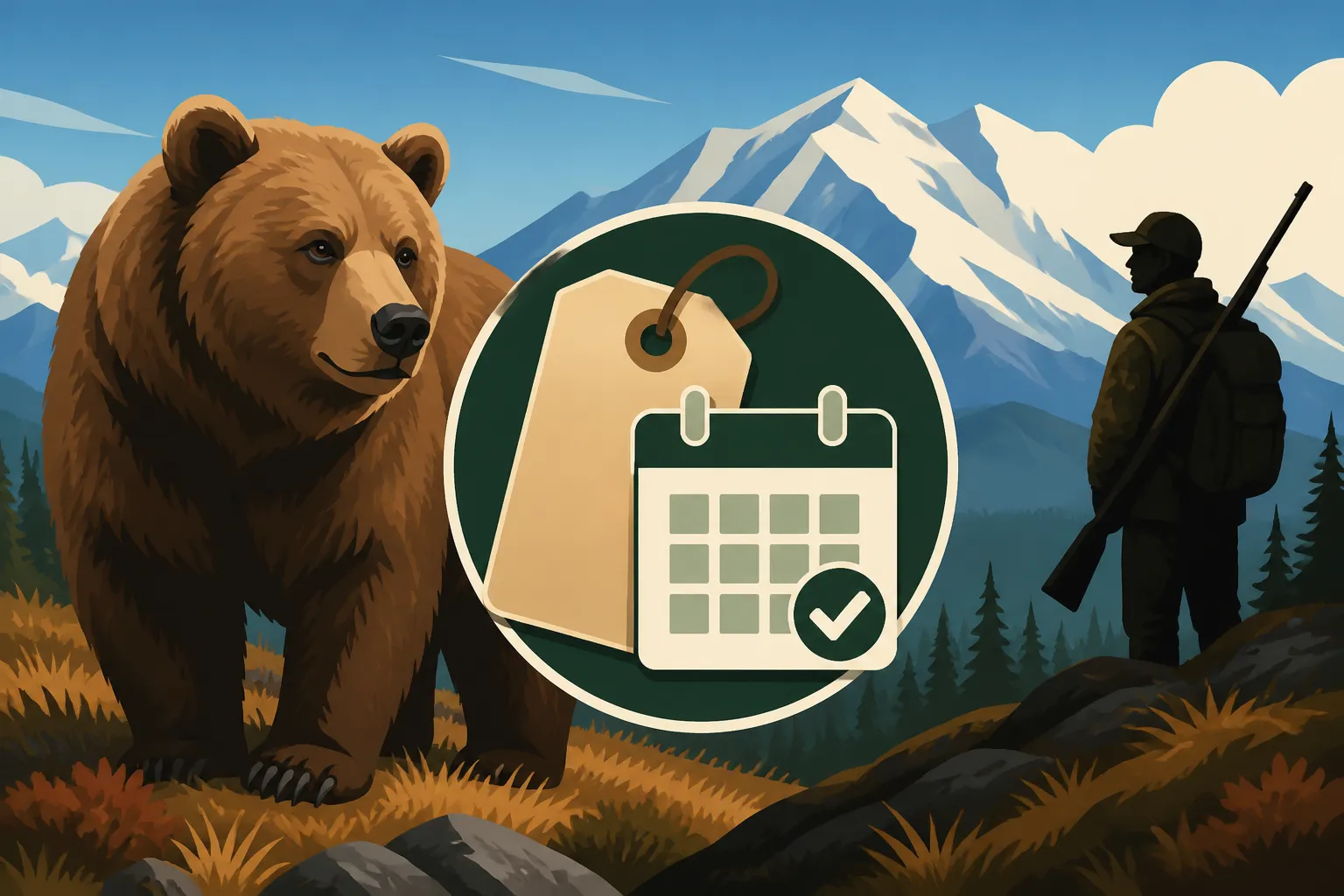
Generally speaking, an Alaska big game locking tag, including your brown bear tag, is valid for the calendar year in which it is purchased and used. What does that mean exactly? It means from January 1st through December 31st of the year for which it was issued. So, if you buy a brown bear tag for the 2024 hunting season, it is valid from January 1, 2024, to December 31, 2024, regardless of when you actually purchased it within that year. It does not carry over into the next calendar year.
This rule is pretty straightforward on the surface, but it can create headaches for hunters who are planning hunts that might stretch across seasons, or worse, across the end of one year and the beginning of another. Imagine you're eyeing a fall brown bear hunt that traditionally starts in mid-September and could potentially run into early October. Your 2024 tag is perfect for that. But what if you're planning a spring hunt that starts in late May and could extend into early June? Again, your 2024 tag covers it. The real complexity arises if you're hoping to use a tag you bought in, say, December of one year, for a hunt in January of the next year. That simply won't work. Each year is a clean slate for tag validity. This is an essential detail to track, especially when you're checking dates on resources like GoHunt, which often provides season data.
What Happens if Your Hunt Spans Two Years
This is the scenario that often catches hunters off guard and causes the most frustration. Let's say you've planned an epic brown bear hunt that, due to logistics, weather, or simply the nature of hunting, could extend from late fall of one year into early winter of the next. Or perhaps you're considering a unique opportunity that starts in December and spills over into January. If you've only purchased a tag for the first calendar year, that tag becomes invalid on December 31st, even if you are still actively hunting.
For example, if you purchase a 2024 brown bear tag and your hunt begins in mid-December 2024 but continues into January 2025, your 2024 tag is only valid until midnight on December 31, 2024. If you were to harvest a bear on January 1, 2025, you would need a 2025 tag. This scenario, while seemingly rare, does occur, especially with the later seasons for some species or when an extended float trip or remote fly-in hunt pushes the boundaries of the calendar. The consequences of harvesting an animal without a valid tag are severe, ranging from hefty fines to forfeiture of the trophy and even jail time. It’s a risk no one should ever take. Always ensure you have the correct tag for the calendar year in which you intend to make the kill.
Practical Implications and Planning Your Hunt
Understanding the validity period isn't just about following rules; it's about making smart decisions that safeguard your investment and your hunting experience. Proper planning, informed by these regulations, is the cornerstone of a successful Alaska brown bear hunt.
Planning Multi-Season Hunts with a Single Tag
The calendar year validity directly impacts hunters who might be considering combining different species hunts or hunting the same species across different seasons within the same year. For instance, if you're planning a spring brown bear hunt (which often occurs May-June) and then a fall brown bear hunt (typically August-October), a single 2024 brown bear tag could theoretically cover both hunts, as long as both take place within the 2024 calendar year and you only harvest one bear (if that's your bag limit). This is a common strategy for residents or non-residents pursuing multiple opportunities, provided they haven't already filled their bag limit for that species and unit.
However, it's crucial to remember that each specific hunt also has its own season dates and unit-specific regulations. You can't just hunt any time within the calendar year; you must adhere to the specific Alaska Brown Bear Spring and Fall Seasons for the Game Management Unit (GMU) you are in. So, while your tag is valid for the calendar year, the hunt itself is only valid within the open season dates. Always cross-reference your tag validity with the current year's hunting regulations for your chosen unit and species. Tools like GoHunt's filterable regulations can be extremely helpful for this kind of detailed planning, allowing you to quickly check open seasons and bag limits.
Avoiding Costly Mistakes with Tag Expiration
The most significant mistake a hunter can make is assuming their tag rolls over or is valid for a 365-day period from purchase. This assumption can lead to an invalid harvest, potentially ruining a hunt and incurring severe penalties. Always double-check the year printed on your tag against the calendar year you are hunting. If your hunt dates get shifted for any reason – weather, logistics, or even a personal emergency – and they push into the next calendar year, you must purchase a new tag for that subsequent year before you ever step foot in the field with the intent to hunt that species.
For non-residents especially, who already face significant costs with licenses, tags, and often guide fees, an invalidated tag is a particularly painful financial hit. Imagine spending thousands on your Nonresident Hunting License Costs in Alaska and guide fees, only to have your entire effort voided by an expired tag. It’s a nightmare scenario that can be entirely avoided with careful attention to detail. Before embarking on any hunt, make it a habit to check the current year’s regulations and confirm your tag validity. It's a small step that provides immense peace of mind and prevents a potentially devastating outcome.
| Tag Type | Validity Period | Key Considerations |
|---|---|---|
| Alaska Brown Bear Locking Tag | January 1st to December 31st of the issued calendar year | Does not roll over. Must be used within the specific calendar year for which it's purchased. |
| Hunting License (Annual) | January 1st to December 31st of the issued calendar year | Also tied to the calendar year. You need a valid license to purchase and use any tag. |
| Draw Permit (e.g., Bison, Muskox) | Specific dates outlined on the permit, usually within a single season | Highly specific; follow exact dates on your permit. These are often not calendar year long. |
| Harvest Ticket (e.g., Moose, Caribou) | Generally for the season issued, often within a calendar year | Specific to game management unit (GMU) and season; check regulations carefully. |
Ensuring Compliance and Avoiding Pitfalls
Beyond the basic validity period, there are other crucial aspects of compliance that every brown bear hunter needs to be aware of. The state of Alaska takes its wildlife management seriously, and adhering to all regulations is paramount for ethical hunting and for ensuring the continued health of the brown bear population.
Checking Current Regulations Annually
Alaska's hunting regulations, while generally stable, can and do change from year to year. Season dates, bag limits, and even specific tag requirements can be adjusted based on population surveys, habitat conditions, or public input. It is the hunter's absolute responsibility to know and understand the most current regulations for their chosen Game Management Unit and species. Relying on outdated information or assumptions is a recipe for disaster. Before every hunting season, make it a point to download and thoroughly review the current year's Alaska hunting regulations booklet, available through the ADF&G website.
Even if you've hunted the same unit for years, a quick review is always a good idea. Sometimes minor changes in unit boundaries or season structures can occur, and missing those details can be costly. Websites like GoHunt are excellent for this, as they often compile and simplify complex regulations, providing up-to-date information that is easy to navigate. Think of it as your pre-flight checklist before taking off on a bush plane – you wouldn't skip that, and you shouldn't skip checking the regs. These regulations dictate everything from when you can hunt, to how you can hunt, to specific requirements like Alaska's Same-Day-Airborne Rule and What It Bans.
The Importance of Accurate Harvest Reporting
The journey doesn't end when you tag your bear. Another critical piece of compliance is accurate and timely harvest reporting. In Alaska, for species like brown bears, this typically involves two main steps: the initial tagging of the animal, as we discussed, and then a more formal reporting or sealing process. For brown bears, mandatory sealing is a requirement, where you must present certain parts of the animal (usually the hide with evidence of sex, and skull) to an ADF&G representative or designated sealing agent within a specified timeframe. This is often outlined when discussing Alaska Harvest Report Deadline After the Hunt.
This sealing process is vital for wildlife management. It allows biologists to collect critical data on bear populations, including age, sex, and location of harvest. This data directly informs future season setting and management decisions. Failing to report or seal your bear properly can lead to significant penalties, just like an invalid tag. It's not just a bureaucratic hoop; it's a vital contribution to conservation. Always know the sealing requirements for your specific hunt and factor the time and logistics for this into your post-hunt plan. Having all your documentation in order, including your hunting license and valid brown bear tag, will make this process much smoother.
Hunting brown bears in Alaska is an incredible privilege and a demanding endeavor. By meticulously understanding the nuances of your brown bear tag's validity period, the specific requirements of the calendar year rule, and the importance of annual regulation checks and timely harvest reporting, you're not just avoiding legal trouble; you're becoming a more responsible, effective, and confident Alaskan hunter. This knowledge frees you up to focus on the truly wild and unforgettable aspects of your hunt, knowing that all your paperwork is squared away.
Disclaimer
Please remember that hunting regulations are subject to change. While every effort has been made to provide accurate and up-to-date information in this guide, it is ultimately the hunter's responsibility to consult the most current Alaska Department of Fish and Game (ADF&G) hunting regulations for the specific season and Game Management Unit (GMU) they intend to hunt. This article should be used as a general guide and not as a substitute for official regulatory documents.