Why Coastal Bears Outgrow Interior Grizzlies
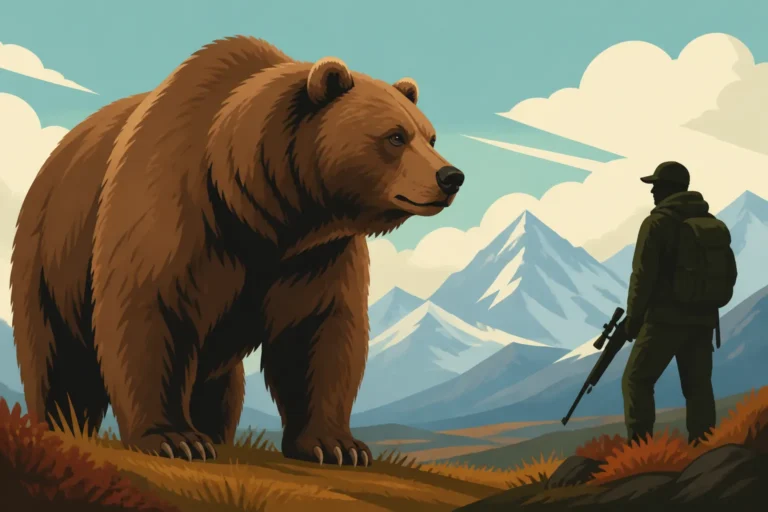
It’s a common question that pops up in conversations among hunters, anglers, and nature enthusiasts: why do those massive brown bears on Alaska’s coastlines seem so much bigger than the grizzlies prowling the interior? Many folks picture these two animals as entirely different beasts, but they're not. This guide is going to strip away the myths and get down to the real ecological factors, the dietary differences, and the environmental influences that contribute to the impressive size disparity between Alaska’s coastal brown bears and their interior grizzly cousins.
The Abundance of Coastal Calories: Salmon and Marine Resources
When you talk about the sheer bulk of coastal brown bears, you're really talking about food, and lots of it. These bears live in an environment that is, for significant portions of the year, an absolute buffet of high-calorie sustenance, far exceeding what's available further inland.
The Salmon Superhighway: A Seasonal Feast
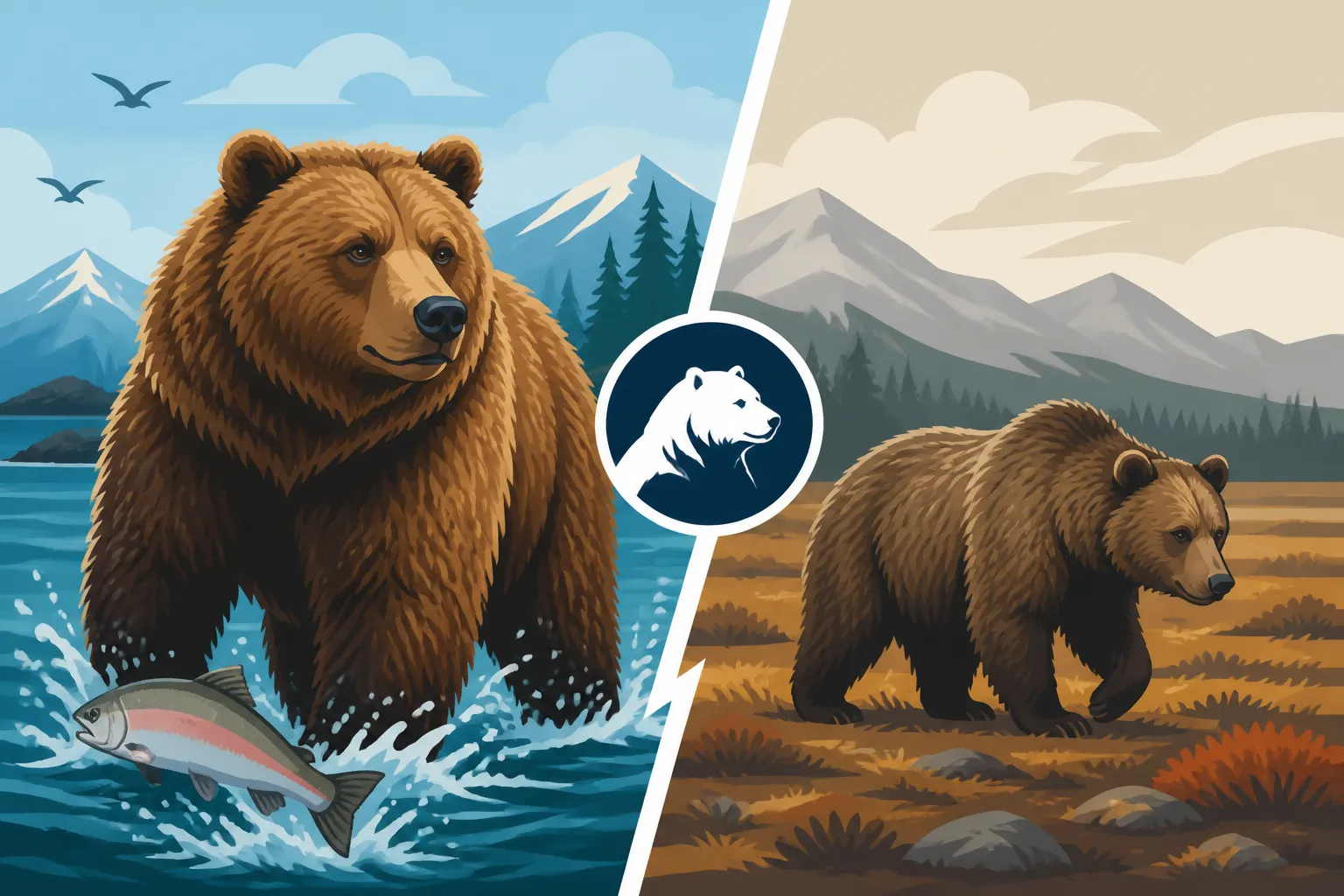
Picture this: countless rivers and streams along Alaska's coastline, from Southeast all the way up to the Alaska Peninsula, become teeming highways for millions of salmon returning to spawn. This isn't just a trickle; it's a torrent of protein and fat, available in incredible concentrations for weeks, sometimes months, on end. Different salmon species, like sockeye, chum, pink, and coho, run at various times throughout the summer and fall, essentially creating a staggered feast for the bears. A coastal brown bear can literally stand in a stream and gorge itself, consuming tens of thousands of calories in a single sitting.
This incredible caloric intake during the critical pre-hibernation period allows bears to pack on immense amounts of fat, which is directly correlated to their overall body size and condition. It's a key reason why you see some truly gigantic bears emerging from the den and, even more so, going into it. For a deeper dive into this phenomenon, explore our article on Salmon Runs and Alaska Coastal Bear Size. This consistent, easily accessible, and exceptionally rich food source is simply unparalleled in most terrestrial environments. Imagine trying to get that much protein and fat by chasing down individual berries or small rodents; it's just not comparable.
Beyond Salmon: Tides, Beaches, and Other Bounty
While salmon are the undisputed champions of the coastal bear diet, they are far from the only bounty. The dynamic intertidal zones along Alaska's vast coastline offer a smorgasbord that interior bears can only dream of. Bears regularly patrol beaches, flipping over rocks to feast on clams, mussels, and other invertebrates exposed at low tide. This takes a certain level of skill and learned behavior, but it's a predictable, low-energy food source.
Furthermore, coastal bears often scavenge marine mammal carcasses that wash ashore, such as seals, sea lions, and even whales. These immense packages of fat and protein can sustain multiple bears for days or even weeks. Combine this with lush coastal sedge grasses in the spring, which offer essential greens to kickstart their digestive systems after hibernation, and you have a diet that is not only rich but incredibly varied and consistent throughout much of their active season. They might eat the green shoots of skunk cabbage early in the spring, move to grass and sedges, then hit the berry patches, and finally gorge on salmon. This diverse and energy-dense menu fuels their growth in a way that interior environments simply cannot replicate.
Interior Struggles: Scarce and Dispersed Resources
Contrast that coastal abundance with the daily grind of an interior grizzly. While they are still apex predators and incredibly adaptable, the challenges they face in finding consistent, high-calorie food sources are far more demanding.
Berry Patches, Roots, and Scavenging: A Leaner Diet
Interior grizzlies largely subsist on a diet that requires significantly more effort to obtain and generally offers fewer calories per unit of energy expended. Their mainstays include a variety of berries (blueberries, cranberries, crowberries) during summer, which can be plentiful but are often scattered and require extensive travel and focused feeding. They dig for roots and tubers, which are also dispersed and demand considerable energy to excavate. Small mammals like ground squirrels, marmots, and voles provide protein, but hunting these can be time-consuming and successful captures are never guaranteed.
Occasionally, interior grizzlies will scavenge on winter-killed moose or caribou, or actively hunt calves in the spring. While a successful calf hunt is a significant caloric boost, it's not the daily, predictable protein bomb that salmon offer. This means interior bears are constantly working for their food, burning precious calories simply to survive, let alone put on enough fat for massive growth. The sheer volume of digestible energy just isn't there in the same concentrated form. This constant expenditure for a less calorically dense diet naturally leads to smaller body sizes compared to their coastal counterparts.
Predation and Competition in the Interior
Life in the interior often means more competition for those scarcer resources. Interior grizzlies frequently share their hunting grounds with wolf packs, another highly efficient predator that targets the same large game animals like moose and caribou. This can lead to direct competition over carcasses or a reduction in available prey for the bears. While coastal bears might occasionally interact with other predators, the sheer volume of salmon often means there's enough for everyone, reducing direct competition for food in a meaningful way during peak feeding times.
The energy budget for an interior grizzly is much tighter. They must patrol larger territories, often navigating rugged terrain, to find enough food to sustain themselves and, if they're sows, their cubs. This constant movement and the less calorically efficient diet mean that every calorie counts, and there's less leftover for packing on the extra pounds that lead to truly enormous stature. When thinking about their behavior, it's insightful to consider Interior Grizzly Behavior Versus Coastal Brown Bears to understand these nuanced differences.
Environmental Factors Shaping Bear Growth
Beyond diet, the very environment itself plays a crucial role in determining how large an individual bear, or a population of bears, can grow. Alaska's vast landscape presents dramatically different climates and habitats from the coast to the interior.
Climate and Growing Seasons
Alaska's coastal regions, particularly in the southcentral and Southeast, generally experience milder, wetter winters and longer, cooler summers compared to the interior. This longer, more temperate active season means coastal brown bears have more time to forage and feed before they need to den up for hibernation. More feeding time directly translates to more calories consumed, more fat stored, and ultimately, greater growth potential over their lifespan.
In contrast, interior Alaska experiences much harsher, colder, and longer winters. This forces grizzlies into their dens earlier and keeps them there longer. A shorter active season means fewer months to pack on the necessary weight to survive hibernation, let alone achieve exceptional size. The intense cold also requires more energy simply to maintain body temperature, further tightening their caloric budget. Understanding Where Alaska Brown Bears Enter Dens and Spring Emergence Timing for Coastal Bears helps illustrate these seasonal differences that impact a bear's annual energy balance.
Habitat Differences and Range Size
The sheer concentration of food sources along the coast also impacts bear behavior and energy expenditure. Because salmon streams and marine resources are often highly localized, coastal brown bears can thrive in relatively smaller home ranges. They don't have to travel as far or expend as much energy to find food, allowing them to dedicate more of their caloric intake to growth and reproduction. This is particularly true in areas like the Alaska Peninsula or Kodiak Island, where the bears are truly legendary. For example, What Makes Alaska Peninsula Bears So Large directly relates to these ideal conditions.
Interior grizzlies, however, must often cover enormous territories to locate scattered food sources. Their home ranges can be vast, sometimes hundreds or even thousands of square miles, especially in areas with lower food density. This constant traversing of rugged terrain, mountains, and dense forests requires significant energy output. Every mile walked is a calorie burned that could have gone towards increasing body mass. GoHunt users often pore over satellite imagery and topographic maps to understand these vast differences in habitat when planning hunts, recognizing that the sheer size of the country directly influences animal distribution and density.
Genetic Predisposition and Reproductive Success
While diet and environment are primary drivers, underlying genetic factors, reinforced by generations of successful adaptation to a rich food base, also contribute to the overall size difference.
The Cycle of Abundance: Bigger Bears, More Cubs
In environments of consistent and abundant food, like Alaska's coast, bears not only grow larger but also tend to have higher reproductive success. Sows are able to reach reproductive maturity earlier, produce larger litters of cubs, and have better cub survival rates due to their superior physical condition and ample milk production. This creates a positive feedback loop: healthier, larger sows produce more healthy, larger offspring. This generational advantage, sustained over centuries, can lead to populations with a greater genetic predisposition for large size.
The opposite can be true in leaner interior environments, where a sow might mature later, have smaller litters, and face greater challenges in raising cubs to adulthood. This is why when you see a massive bear, it's often a boar, but a large sow also indicates a robust, healthy ecosystem. The timing of Sow and Cub Family Breakup Timing can also be influenced by the availability of resources, with abundant food potentially allowing cubs to stay with their mother longer, learning critical survival skills.
Understanding the "Brown Bear" vs. "Grizzly" Distinction
It’s important to clarify a common point of confusion: taxonomically, the brown bear and the grizzly bear are the same species, Ursus arctos. The distinction is largely geographical and historical. "Grizzly bear" is the common name typically applied to inland, smaller individuals of the species, particularly those in North America. "Brown bear" often refers to the larger, coastal-dwelling individuals, particularly those that have access to nutrient-rich marine resources like salmon. Essentially, a grizzly is a brown bear, but not all brown bears are called grizzlies.
So, when we talk about a "brown bear" on the coast and a "grizzly" in the interior, we're talking about the same species, but individuals that have adapted to incredibly different ecological niches. The coastal bear, with its abundant, high-calorie diet and milder climate, represents the pinnacle of what Ursus arctos can achieve in terms of size and bulk. This difference, as explored in Brown Bear Versus Grizzly: The Same Animal, is why you'll hear hunters talking about squaring a large coastal brown bear hide in terms of feet, while an interior grizzly might be measured in much smaller dimensions. When considering your hunting gear, especially for these giants, checking out Rifle Calibers for Coastal Brown Bear is always a good idea. Hunters also need to be especially mindful of Bear Safety While Butchering a Kill in Alaska at a kill site, whether coastal or interior.
In summary, the staggering size difference isn't a genetic quirk between two separate species; it's a testament to the power of a bountiful, easily accessible food supply, coupled with environmental conditions that maximize the growing season and minimize energetic waste. Whether you call them brown bears or grizzlies, both are magnificent creatures, but the coastal titans truly are a product of their rich Alaskan environment.
Table: Coastal Brown Bear vs. Interior Grizzly Comparison
Here's a quick overview of some key differences that contribute to the size disparity:
| Feature | Coastal Brown Bear (e.g., Kodiak, Alaska Peninsula) | Interior Grizzly (e.g., Brooks Range, Interior Alaska) |
|---|---|---|
| Primary Diet | Abundant salmon, marine mammals, diverse vegetation, carrion | Varied berries, roots, small mammals, moose/caribou calves, carrion |
| Food Abundance | High, concentrated, seasonal spikes (salmon runs) | Moderate, dispersed, requires more searching |
| Average Adult Weight | Significantly larger (typically 800-1500+ lbs, some exceeding 2000 lbs) | Smaller (typically 300-800 lbs, rarely exceeding 1000 lbs) |
| Average Adult Height (standing) | Up to 10-12 feet | 6-8 feet |
| Lifespan | Potentially longer due to superior nutrition and less stress | Variable, can be shorter due to harsher conditions and higher energy output |
| Reproductive Rate | Higher cub survival rates, larger litter sizes | Lower cub survival rates, smaller litter sizes |
| Home Range Size | Smaller, especially near major food sources (salmon streams) | Larger, requiring extensive travel to find scattered food |
| Denning Period | Shorter due to milder coastal climates | Longer due to harsh, extended interior winters |
For those looking to understand the impressive size of these animals, it's worth noting How Heavy Alaska Peninsula Brown Bears Get. If you're planning a trip to encounter these magnificent animals, whether for photography or hunting, always check the specific regulations for the area. Remember that coastal brown bear spring and fall seasons can offer different experiences and access. And always keep in mind the crucial task of Bear Meat Salvage and Trichinosis Risk after a successful hunt.
Disclaimer
This article is for general informational purposes only and does not constitute professional advice. Laws, prices and regulations vary by location and change over time. Consult a qualified professional for guidance on your specific situation.