When Bull Caribou Shed Their Antlers
If you've spent any time at all chasing caribou in the vastness of Alaska, you've probably asked yourself a pretty common question: exactly when do those magnificent bulls shed their antlers? It’s not always as straightforward as it is with other deer species, and understanding this unique cycle can make a real difference in your hunting strategy, whether you're planning a late-season venture or just curious about their yearly rhythm. This guide will walk you through the fascinating antler shedding process of Alaska's bull caribou, breaking down the timing, the reasons, and what it all means for those of us who appreciate these incredible animals.
The Unique Antler Cycle of Alaska Caribou
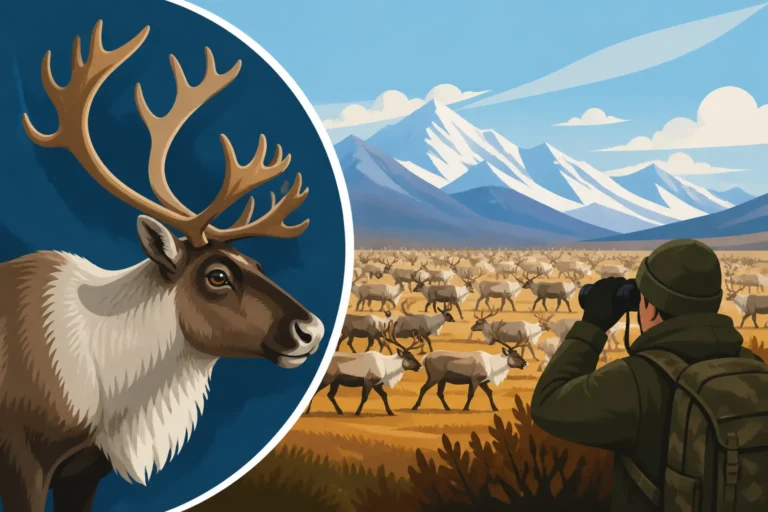
Caribou, or reindeer as they're known in other parts of the world, are truly exceptional among the deer family. While most cervids, like moose and various deer species, see only their males grow and shed antlers annually, caribou break the mold. Both male and female caribou can grow antlers, though the timing of their shedding varies dramatically between the sexes. This unique aspect is critical to grasp when you're thinking about hunting or simply observing these northern wanderers.
Why Caribou are Different from Moose and Deer
Imagine a bull moose, heavy-racked and formidable, or a whitetail buck, proud with its annual growth. For these animals, antler growth is almost exclusively a male trait, driven by testosterone, and shedding typically occurs in late winter or early spring after the rut. But caribou? They march to the beat of a different drummer. Their antler cycle is adapted to their harsh Arctic and sub-Arctic environments, and it plays a vital role in their survival.
The most significant difference is that while bull caribou shed their antlers after the intense breeding season, much like other cervids, cow caribou actually retain their antlers through the winter and often into the spring. This might seem counterintuitive, but it's a brilliant evolutionary adaptation that gives pregnant cows a distinct advantage when winter foraging gets tough. Unlike other cervids, which use antlers primarily for rutting battles and defense during a short window, caribou utilize them throughout a much longer period, reflecting their distinct ecological niche.
The Importance of Antlers in Caribou Society
Antlers aren't just for show or decoration; they're integral to the social structure and survival of caribou herds. For bull caribou, antlers are their primary tools during the rut. These impressive racks are used in dominance displays, sparring contests, and outright battles to secure breeding rights with cows. A larger, more robust set of antlers signals health, strength, and genetic fitness to both rivals and potential mates. During the peak of the rut, a bull with a formidable rack is a force to be reckoned with, capable of warding off younger, less dominant males. You can dive deeper into the specifics by reading about Caribou Antler Size on Bulls and Cows.
Beyond the rut, antlers also serve a defensive purpose, especially for cows. While not as heavily used for combat, a cow's antlers can be crucial for defending valuable winter forage from other caribou, or even fending off a curious predator if necessary. In the barren winter landscapes, having an "edge" to clear snow for lichen or to claim a prime feeding spot can be the difference between survival and starvation for a pregnant cow. So, from head-to-head combat to subtle social cues, antlers are central to the caribou's way of life.
When Alaska Bull Caribou Typically Shed Their Antlers
Now, let's get down to the brass tacks: when can you expect those big bull caribou to drop their magnificent headgear? Unlike other species that might shed their racks almost simultaneously across a region, caribou shedding can be a bit more staggered, influenced by several factors that define their individual circumstances.
The Peak Shedding Season for Mature Bulls
For most mature bull caribou in Alaska, the peak shedding season typically occurs shortly after the intense breeding rut has concluded. This usually means late October through early December. The rut is an incredibly exhausting period for bulls. They expend massive amounts of energy battling rivals and breeding, often eating very little during this time. This extreme physical drain, coupled with declining testosterone levels as the days shorten and winter deepens, triggers the physiological process of antler shedding.
Imagine a large bull, exhausted from weeks of chasing cows and fending off other males. His body is depleted, and the hormones that maintained his impressive rack begin to recede. You might spot a bull in early November still carrying a full set of antlers, but by mid-December, most of the mature bulls will have shed. You'll often find these sheds scattered in areas where caribou congregate after the rut, seeking to regain body condition before the deepest snows hit. Some hunters specifically target these areas in late fall, hoping to catch a bull before he drops his rack or to find some impressive sheds.
Factors Influencing Early or Late Shedding
While the general window is late October to early December, individual caribou can deviate from this, shedding either earlier or later. Several factors play a significant role:
- Age and Health: Younger bulls, or those in poorer physical condition, might shed their antlers earlier. They may not have invested as much energy in the rut, or their bodies might prioritize conserving resources for survival rather than maintaining a heavy rack. Conversely, exceptionally healthy, dominant bulls might hold onto their antlers a bit longer, though this is less common than with deer species.
- Rut Intensity: A particularly intense and prolonged rut season, where bulls spend more energy and sustain more injuries, can lead to earlier shedding as their bodies try to recover. If the rut was milder, some might hang on a little longer.
- Nutrition: The nutritional plane of a caribou throughout the year, especially leading up to and during the rut, can influence shedding. Bulls with access to richer forage may have the resources to sustain antler growth and retention slightly longer than those in nutrient-poor areas. This is something dedicated observers using tools like GoHunt might consider when analyzing herd health indicators.
- Weather Conditions: While not the primary driver, extremely harsh early winter conditions, such as sudden deep snow or prolonged severe cold, could potentially stress animals enough to hasten shedding. Their bodies are simply trying to reduce energy demands wherever possible.
These variations mean that while you can predict a general timeframe, finding a specific bull with antlers can be a game of chance as you move later into the season.
The Difference Between Bull and Cow Caribou Antler Shedding
One of the most striking distinctions in the world of caribou is the significant difference in antler retention between bulls and cows. This isn't just a minor detail; it's a survival strategy with profound implications for the individual and the herd.
Why Cow Caribou Retain Antlers Longer
This is where caribou truly stand apart from most other North American cervids. While bull caribou, much like deer and moose, shed their antlers shortly after the rut in late fall or early winter, cow caribou, particularly pregnant ones, hold onto their antlers for much longer. They typically retain their antlers throughout the entire winter, often not shedding until spring, sometimes as late as May or even early June, just before or after giving birth.
Why this remarkable difference? It's all about survival in the harsh Arctic environment. Imagine the unforgiving winter landscape: deep snow, scarce forage, and constant competition. For a pregnant cow, retaining antlers provides several crucial advantages:
- Dominance in Foraging: During winter, food sources like lichen are often buried under snow. A cow with antlers has a significant advantage over other antlerless caribou (including young bulls that have already shed) when it comes to asserting dominance at prime feeding craters. She can use her antlers to push aside smaller animals or secure access to valuable patches of forage dug up by others. This direct competitive edge is vital for ensuring she gets enough nutrition to carry her calf to term.
- Defense Against Predators: While caribou typically rely on herd numbers for defense against predators like wolves, having antlers can offer an additional layer of protection, particularly when resources are scarce and animals might be more spread out. It's a visible deterrent and a potential weapon if confronted.
- Calf Protection: Even after giving birth, retaining antlers can help a cow protect her vulnerable newborn calf from predators or aggressive herd members.
This unique adaptation ensures that pregnant cows are better equipped to navigate the toughest part of the year, maximizing their chances of survival and successful reproduction. If you're interested in this phenomenon, you might want to read about Why Cow Caribou Keep Antlers Longer.
Young Bulls and Their Shedding Patterns
Younger bull caribou, particularly yearlings or two-year-olds, often have a slightly different shedding pattern compared to mature, dominant bulls. They tend to shed their antlers earlier in the fall, sometimes even before the most intense part of the rut. Since they are generally excluded from breeding by the larger, older bulls, they don't expend as much energy in rutting activities. Their testosterone levels might drop sooner, signaling to their bodies that it's time to shed and conserve resources.
This earlier shedding helps them transition into winter with less physiological burden. A smaller rack is also less cumbersome when navigating dense willows or deep snow. As a hunter, this means that if you're out looking for a bull in late November or early December, you're less likely to encounter a young bull still carrying a full rack; they'll often be antlerless or sport small, newly emerging bumps. This can make Telling a Spike-Fork Bull From a Yearling after antler drop a real challenge!
Implications for Hunters and Wildlife Viewers
Understanding the antler shedding cycle of caribou isn't just an interesting biological fact; it has very real implications for anyone venturing into caribou country, whether you're carrying a rifle or just binoculars.
Field Judging Caribou After Antler Drop
One of the biggest challenges for hunters in late-season caribou hunts is field judging animals after the bulls have dropped their antlers. Many hunting regulations specify antler criteria (e.g., minimum number of points, size, or definition of a "legal bull"). When the rack is gone, identifying a legal animal becomes infinitely harder.
- Regulations: Always, always check the current Alaska hunting regulations for the specific Game Management Unit you're in. Some units might have "any bull" regulations for certain periods, while others maintain antler restrictions that become moot after shedding. If you're hunting an antler-restricted area and you encounter a bull without antlers, it's generally best to pass unless you are absolutely certain it meets the criteria based on other physical characteristics. This is a common issue that can lead to citations if misjudged.
- Body Characteristics: Without antlers, you'll need to rely on other indicators of age and sex. Mature bulls are generally larger, heavier-bodied, and have more developed musculature, especially in the neck and shoulders. They often show battle scars from the rut. Their face might appear broader or more squared off. Cows, even large ones, tend to have a more refined, slender build. However, in herds where nutrition is poor, or younger bulls are well-fed, these differences can be subtle.
- Behavior: Post-rut behavior can also offer clues. Mature bulls might be more solitary or form small bachelor groups as they try to recuperate. Cows will often be in larger groups, sometimes with calves from the previous spring.
Using good quality optics, like a high-powered spotting scope, is crucial for discerning these subtle differences from a distance. And remember, when in doubt, don't shoot.
Finding Shed Antlers and What They Tell Us
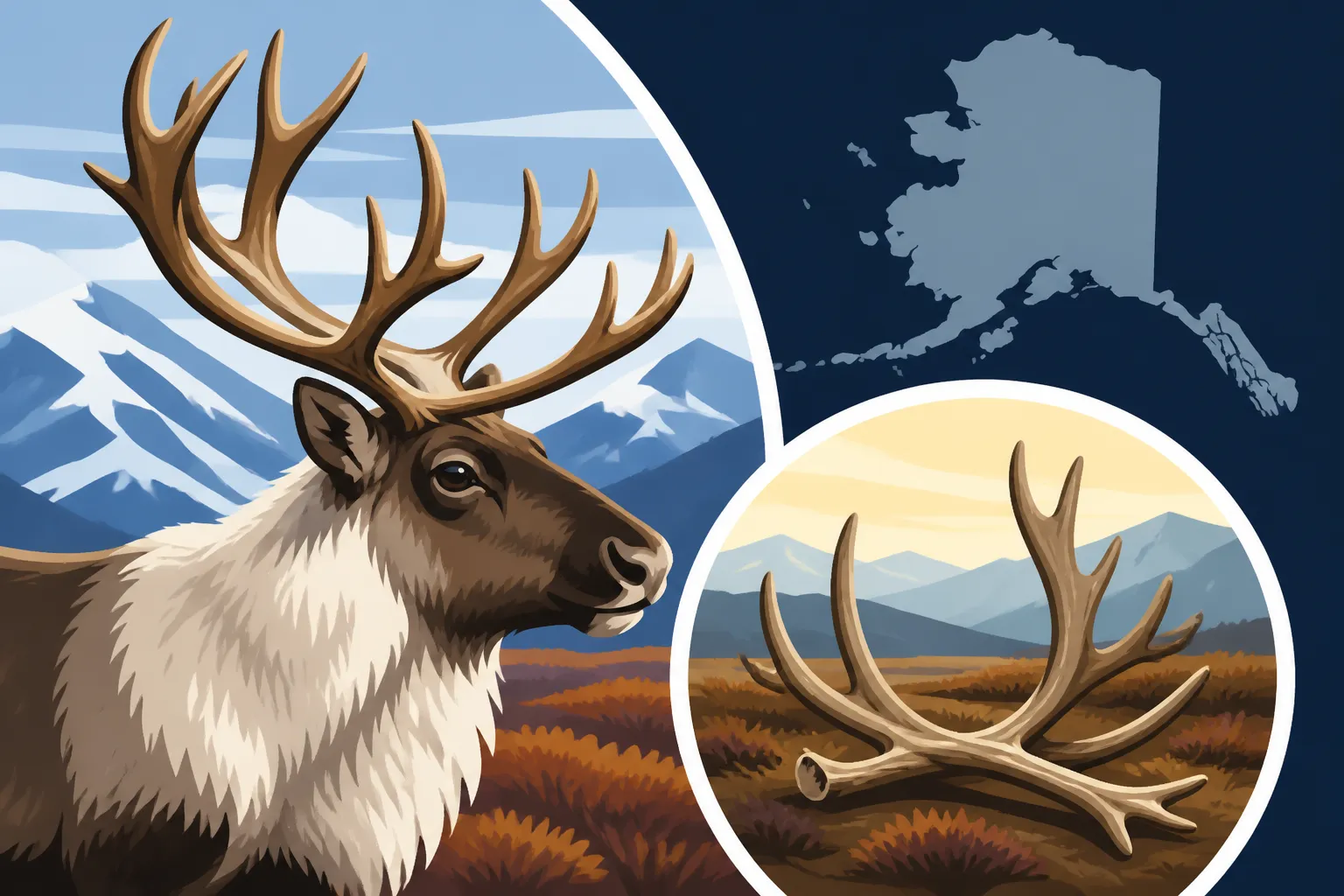
For many, finding shed antlers is a treasure hunt. Caribou sheds are unique and beautiful, and searching for them offers a wonderful excuse to explore the landscape in the off-season.
- Best Times and Places: The best time to look for bull caribou sheds is typically from late November through January, after the majority of bulls have dropped their antlers. Focus your search in areas where caribou are known to winter or areas where they congregated after the rut to feed and rest. These might include wind-blown ridges, areas of sparse timber, or river bottomlands where forage might be more accessible. Using a mapping tool like GoHunt to identify traditional winter ranges or known migration corridors can significantly increase your chances.
- What Sheds Reveal: Finding a shed antler can tell you a surprising amount about the animal and the herd:
- Individual Health: A large, robust shed often indicates a healthy, mature bull. Conversely, a smaller, thinner shed might suggest a younger animal or one that was in poor condition.
- Herd Movement: Patterns of sheds can reveal migration routes, preferred wintering grounds, and areas of high caribou density, which can be invaluable information for future hunting or viewing trips.
- Antler Growth Cycles: Collecting sheds over several years from the same general area can give you insight into the general health and antler development trends of a local sub-herd. You might see fluctuations in antler size based on environmental conditions and herd dynamics.
- Genetics: While less common, finding multiple distinctive sheds could hint at the presence of genetically predisposed bulls growing exceptional racks in a particular area.
Shed hunting is also a fantastic way to stretch your legs and stay connected to the landscape when hunting seasons are closed, offering a different kind of thrill and a tangible piece of Alaska's wildness to take home.
The Biology Behind Antler Growth and Shedding
The entire process of antler growth, hardening, and shedding is a marvel of natural engineering, finely tuned to the caribou's life cycle and environment. It's a complex interplay of hormones, nutrition, and genetics.
Hormonal Triggers for Antler Development and Drop
The antler cycle is primarily governed by the intricate dance of hormones within the caribou's body, especially testosterone and melatonin.
- Growth Phase (Spring/Summer): As spring arrives and daylight hours lengthen, the pituitary gland releases hormones that stimulate antler growth from bony protrusions on the skull called pedicles. During this phase, antlers are covered in a soft, vascular tissue known as "velvet." This velvet is rich in blood vessels and nerves, providing the necessary nutrients and oxygen for rapid bone growth. Levels of insulin-like growth factor (IGF-1) are high, promoting rapid development. This period can be intense, with antlers growing at an astonishing rate. For more on this, check out Velvet Timing on Alaska Caribou Bulls.
- Hardening Phase (Late Summer/Early Fall): As summer wanes and the rut approaches, testosterone levels in bull caribou begin to rise dramatically. This surge in testosterone signals the velvet to dry up and fall off, a process that can be itchy and uncomfortable for the bull, often leading them to rub their antlers against trees and shrubs. The antlers underneath are now fully mineralized, hardened bone, ready for the rigors of the rut.
- Shedding Phase (Late Fall/Early Winter): Once the rut concludes and daylight hours continue to shorten, testosterone levels in bulls plummet. This significant drop in testosterone is the primary trigger for antler shedding. At the base of the pedicle, a layer of cells called osteoclasts begins to break down the bone and connective tissue, forming an "abscission layer." This weakening connection eventually causes the antler to detach and fall off. It's a clean break, leaving a scar that will heal over and be the site for new antler growth the following spring.
The Annual Cycle: Velvet, Hard Bone, and Drop
Understanding the full annual cycle helps paint a complete picture of this amazing biological process:
- Spring (March-May): New antler growth begins in earnest. The pedicles, which have healed over since the last shedding, reactivate. The soft, furry velvet covering is highly vascular, fueling rapid bone growth. Bulls are generally docile during this period as their antlers are sensitive and prone to injury.
- Summer (June-August): Antlers continue to grow, reaching their full size. The velvet phase is at its peak. Caribou, especially bulls, are focused on feeding to build up body reserves.
- Early Fall (September): Testosterone levels rise, and the velvet begins to dry up and peel off. Bulls rub their antlers to remove the remaining velvet, revealing the hardened, polished bone underneath. They become more aggressive as the rut approaches.
- Late Fall (October-November): The rut is in full swing. Bulls use their hard antlers for sparring and fighting for dominance and breeding rights. This is a physically demanding time.
- Late Fall/Early Winter (November-December): Post-rut, testosterone levels decline rapidly in bulls. This hormonal shift triggers the formation of the abscission layer, leading to the shedding of antlers. Most mature bulls will have shed by mid-December.
- Winter (December-February): Bulls are typically antlerless and focused on survival and regaining lost body condition. Pregnant cows, however, continue to carry their antlers, using them for foraging advantages.
- Late Winter/Early Spring (March-May): Pregnant cows shed their antlers, usually just before or after calving. This allows them to focus all their energy on nursing and recovering from birth.
This continuous cycle ensures that caribou have the appropriate tools for each stage of their annual life, from attracting mates to surviving the brutal Alaskan winter.
Caribou Antler Shedding Schedule
To help clarify the differences we've discussed, here's a general overview of when different caribou typically shed their antlers in Alaska:
| Caribou Category | Typical Shedding Period | Key Reasons for Timing | Implications for Hunters/Viewers |
|---|---|---|---|
| Mature Bulls | Late October – Mid-December | Post-rut exhaustion, declining testosterone | Harder to field judge after shedding; prime time for shed hunting. |
| Young Bulls | Early October – November | Less involvement in rut, earlier testosterone drop | Usually antlerless earlier in the fall; rely on body size for identification. |
| Cows (Pregnant) | April – Early June | Advantage for winter foraging & calf protection, shed near calving | Retain antlers through winter; may be mistaken for young bulls from a distance. |
| Cows (Non-Pregnant) | December – March | Less nutritional demand than pregnant cows | Shed earlier than pregnant cows but still later than most bulls. |
Remember, these are general guidelines. Individual variations occur based on the specific herd, environmental conditions, and the individual caribou's health and age. Observing the unique strategies of various Caribou Herds of Alaska and How They Move throughout the year, whether it's the Fortymile Caribou Herd Range and Migration or The Nelchina Herd and Road-System Access, can reveal fascinating local nuances in their cycles.
Contextual Considerations for Hunters
For those of us who spend our time hunting in Alaska, whether it's for the thrill of the chase or the sustenance it provides, understanding these patterns is more than academic. It's practical knowledge that impacts our planning and success in the field.
Think about scouting trips. If you're using a planning tool like GoHunt, and you're interested in finding locations with high concentrations of shed antlers, you'll be looking at different historical data for specific times of year compared to if you're planning a late-season hunt for a bull still in velvet. The information provided by platforms like GoHunt can highlight past herd movements and traditional wintering grounds, increasing your odds in either scenario.
Furthermore, being aware of the distinct shedding timelines for bulls and cows is crucial for compliance with hunting regulations. Misidentifying an antlerless caribou as a cow when it's actually a bull that has already shed its antlers, especially in an antler-restricted area, can lead to serious legal consequences. Conversely, if you're on a late-season general hunt that permits cows, you'll know that many of them will still be sporting antlers, which can aid in identification.
The timing of antler drop also ties into meat quality. While not directly related to shedding, the rigorous rut significantly impacts a bull's body condition and fat reserves. Bulls hunted immediately post-rut, when shedding is imminent, might have tougher meat and less fat than those taken earlier in the season. You can explore this further by reading about Caribou Meat Quality After the Rut.
Ultimately, whether you're planning an unguided hunt or just observing, the more you understand about the biology and behavior of Alaska's caribou, the more successful and responsible you'll be in the field. This deep knowledge is part of what makes the Alaskan wilderness so endlessly fascinating and rewarding for all who venture into it.
Disclaimer
This article is for general informational purposes only and does not constitute professional advice. Laws, prices and regulations vary by location and change over time. Consult a qualified professional for guidance on your specific situation.