Why the Fortymile Herd Has a Bull-Only Limit
It can be incredibly frustrating to plan an Alaska hunting trip, only to discover that the specific caribou herd you’ve been dreaming of chasing has a seemingly restrictive "bull-only" limit. You might wonder why such a rule exists, especially when other areas allow for general harvest. This guide is here to unravel the biological and management reasons behind the bull-only limit for the Fortymile Caribou Herd, helping you understand the "why" so you can plan your hunt effectively and ethically.
Understanding the Fortymile Caribou Herd's Health and Management Goals
The Fortymile Caribou Herd is one of Alaska's iconic big game populations, with a long and storied history that deeply intertwines with the lives of Interior Alaska residents and hunters from afar. Its health is paramount, not just for recreational hunting, but for subsistence users who depend on it. When management agencies, in collaboration with the public, set hunting regulations, they're always aiming for a delicate balance: ensuring sustainable harvest opportunities while promoting the long-term health and growth of the herd. This involves a lot of science, monitoring, and adapting to changes in caribou numbers, habitat, and environmental conditions.
The Dynamics of Caribou Population Management
Caribou populations are inherently cyclical, experiencing periods of growth and decline influenced by a myriad of factors including weather, predation, habitat availability, and human harvest. The Fortymile Caribou Herd, like many others, has seen its share of these fluctuations over the decades. Management strategies are designed to buffer these natural swings and ensure the herd remains robust enough to withstand lean years. This means looking at the overall population size, the number of calves being born and surviving, and the age and sex structure of the herd. A healthy herd isn't just about having a lot of animals; it's about having the right mix of animals to sustain future generations.
Sometimes, when a herd is below its desired population objective, or if calf survival has been low for several years, managers need to implement more conservative harvest rules. This is where specific restrictions, like a bull-only limit, come into play. It's not about punishing hunters; it's about making strategic choices to allow the herd to rebound or continue growing. Many hunters use resources like GoHunt to track this kind of herd data, looking at population trends and calf ratios to better understand the decisions made by biologists.
Population Objectives and Sustainable Harvest
Every major caribou herd in Alaska has a set of population objectives – target ranges that managers strive to maintain. For the Fortymile Caribou Herd, these objectives are crucial for determining harvest quotas and regulations. If the herd is within or above its objective, more liberal hunting opportunities might be available. If it dips below, or if managers predict a decline, then more conservative measures are necessary. A bull-only limit is often a direct response to concerns about the reproductive potential of the herd. By protecting cows, managers aim to ensure that the core breeding stock is preserved, allowing for maximum calf production in subsequent years.
It’s a sophisticated equation that takes into account not just the total number of caribou, but also the health and productivity of the female segment of the population. Understanding these objectives can help hunters appreciate why regulations like the bull-only limit are put in place, especially when discussing the Fortymile Caribou Quota for the Season. It's a proactive measure to safeguard the future of the herd, rather than a punitive one.
The Biological Rationale Behind Bull-Only Limits
The primary reason for a bull-only limit on caribou, particularly for a herd like the Fortymile, comes down to fundamental caribou biology and reproduction. It's not just an arbitrary rule; it's deeply rooted in how caribou herds grow and sustain themselves. When managers decide on a bull-only regulation, they are making a calculated move to prioritize the reproductive capacity of the female segment of the herd.
Protecting Reproductive Capacity: The Role of Cows
In any ungulate population, the females are the engine of population growth. Each cow represents the potential for new calves. If too many cows are harvested, the herd's ability to produce calves in the future is directly diminished. Caribou cows typically become reproductively active around two to three years of age and can continue to produce calves for many years. Protecting these productive females is the most direct way to ensure the herd maintains or increases its numbers.
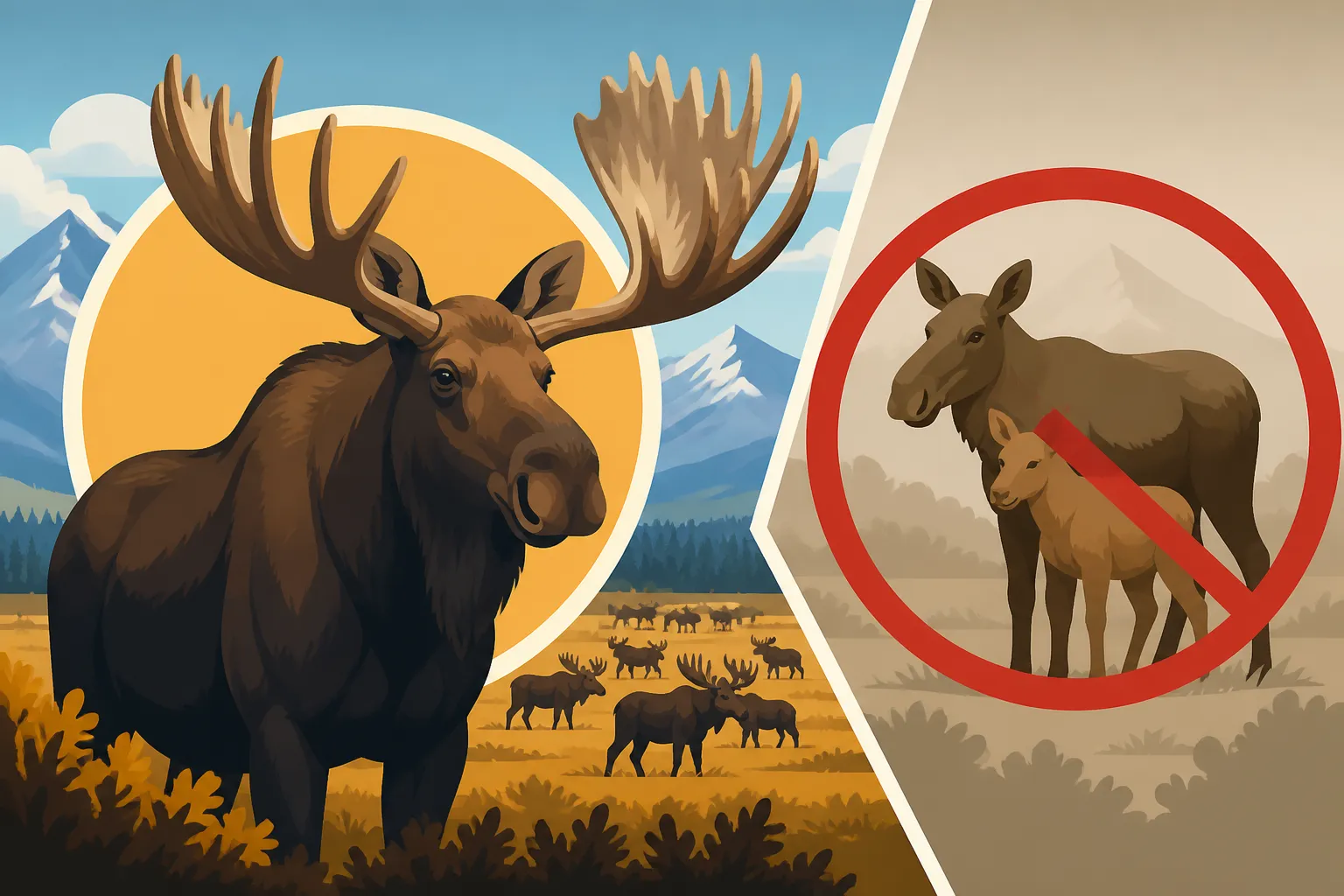
A bull-only regulation explicitly removes harvest pressure from the cows, allowing them to survive and contribute to the next generation of calves. This strategy is particularly vital during periods when the herd's population might be recovering from a decline, or when other factors (like severe winters or increased predation) are already impacting calf survival. It's a fundamental principle of wildlife management: protect the breeding stock to ensure the future of the species.
Bull-to-Cow Ratios and Breeding Success
While cows are the reproductive engine, bulls play a critical role in successful breeding. However, unlike cows, a single bull can breed multiple cows. This means that a healthy caribou population can sustain a relatively low bull-to-cow ratio without negatively impacting breeding success. In simpler terms, you don't need an equal number of bulls and cows for all the cows to get bred. This biological reality allows managers to permit the harvest of bulls without significantly harming the herd's ability to reproduce.
When a bull-only limit is in place, it acknowledges this ratio. Hunters can selectively harvest bulls, which are often prized for their antlers and meat, without taking away from the crucial reproductive potential of the cows. The population still has enough bulls to ensure successful breeding, while the cows are allowed to continue their vital role in calf production. This balance is key to understanding why such regulations exist for herds like the Fortymile. Keeping a close eye on the Caribou Antler Size on Bulls and Cows can also help hunters in the field make the right identification, ensuring they comply with the bull-only rule.
Hunter Impact and Management Strategies
The decisions made regarding hunting regulations, especially for herds as significant as the Fortymile, are rarely simple. They involve a complex interplay of scientific data, public input, and the practicalities of managing hunter access and ensuring compliance. A bull-only limit is one tool in a larger toolkit designed to achieve specific conservation and harvest objectives.
How Regulations Are Set and Communicated
Hunting regulations in Alaska are established through a process that involves biological assessments by the Alaska Department of Fish and Game (ADF&G) and public input through the Alaska Board of Game. This board, comprised of appointed citizens, holds public meetings where proposals for regulation changes are debated, often drawing passionate testimony from subsistence users, sport hunters, and conservationists. The goal is to set seasons and bag limits that are biologically sound and reflect public values.
Once regulations are established, they are communicated through the annual hunting regulations booklet, emergency orders, and online resources. It's incumbent upon every hunter to meticulously review these regulations before heading into the field. Resources like GoHunt often provide consolidated information and tools to help hunters stay current on regulations, but nothing replaces reading the official ADF&G booklet for the specific GMU and season you plan to hunt. Understanding the context of rules like the Alaska Hunting Seasons and Tag Rules Explained is vital.
Balancing Hunter Opportunity and Conservation
The bull-only limit for the Fortymile Caribou Herd is a prime example of balancing hunter opportunity with critical conservation needs. It allows for continued hunting opportunity for a popular species while actively supporting the herd's recovery or sustained health. Hunters still have the chance to pursue caribou, but with the understanding that their harvest contributes to a larger management strategy aimed at safeguarding the herd for future generations.
This approach acknowledges the economic and cultural importance of caribou hunting in Alaska. Rather than imposing a full closure, which can have significant impacts on local communities and hunting outfitters, a bull-only limit offers a middle ground. It's a testament to adaptive wildlife management, responding to current herd conditions while striving to maintain traditional hunting access. This careful stewardship also involves regular updates, so keeping an eye on Fortymile Zone Openings and Delays is crucial, as conditions can change.
Practical Implications for Hunters on a Bull-Only Hunt
Encountering a bull-only limit on a Fortymile caribou hunt brings specific challenges and responsibilities to the hunter. It means extra diligence in the field, a solid understanding of caribou identification, and the need to be prepared for scenarios where legal animals might be scarce. This isn't just about reading the regulations; it's about practical application when you're out there on the vast Alaskan tundra.
Field Judging Caribou: Bulls vs. Cows
The most immediate practical implication is the absolute necessity of accurate field judging. You need to be able to confidently distinguish a bull from a cow, often at a distance, and sometimes in less-than-ideal light or weather conditions. This requires good optics—a quality binocular and potentially a spotting scope—and patience.
Here are some key differences to look for:
- Antlers: While both male and female caribou can grow antlers, bull antlers are typically much larger, heavier, and more complex, featuring broad paddles, numerous points, and significant brow tines. Cows usually have smaller, more delicate antlers, often with fewer points and less palmation. Remember, bulls shed their antlers earlier than cows, typically in late fall or early winter, while cows often retain theirs until spring. This means in early season hunts, all caribou might have antlers, but the size and structure will still differentiate them. You can learn more about this by researching When Bull Caribou Shed Their Antlers.
- Body Size: Bulls are generally larger and more robust than cows, with a heavier neck and shoulder musculature, especially as they get closer to the rut.
- Behavior: During the rut, bulls can be seen actively herding cows and displaying dominant behaviors. However, outside of the rut, mixed groups are common, so behavior alone isn't always a definitive identifier.
Practice is key. Before your hunt, spend time looking at photos and videos of caribou, specifically focusing on the differences between bulls and cows. Use your optics to "practice" judging animals at various distances. Many hunters find that resources like GoHunt offer excellent scouting tools, allowing you to study potential caribou habitat from satellite imagery, which helps you visualize the terrain you'll be glassing.
Avoiding Mistake Kills and Citations
The consequences of mistakenly killing a cow caribou in a bull-only area can be severe, ranging from a citation and fines to permit revocation and confiscation of the animal. Beyond the legal ramifications, there's the ethical responsibility to ensure you are harvesting legally and contributing to responsible wildlife management.
To minimize the risk of a mistake kill:
- Positive Identification: Never take a shot unless you are 100% positive it's a legal bull. If there's any doubt, pass on the animal.
- Good Lighting and Clear Sight: Wait for good light and a clear, unobstructed view of the animal. Don't rush a shot.
- Consider the Angle: Sometimes, the angle of an animal can obscure key identification features. Be patient and wait for the animal to present itself clearly.
- Verify with Hunting Partners: If hunting with a partner, always verify identification with each other before taking a shot. Two sets of eyes are better than one.
- Know Your Unit: Be intimately familiar with the specific regulations for your hunting unit, as rules can vary between areas. Alaska Harvest Tickets, Registration Permits and Draw Permits are unit-specific and outline these details.
By prioritizing accurate identification and exercising patience and caution, hunters can successfully navigate a bull-only season, contributing to the conservation goals for the Fortymile Caribou Herd while still enjoying a rewarding hunting experience. When you're Scouting a Unit From Satellite Imagery Before You Fly, pay attention to common caribou habitat features that might influence how you approach groups of animals.
Planning Your Fortymile Bull Hunt
A bull-only regulation adds another layer of planning to an already complex endeavor like an Alaska caribou hunt. It means being strategic about when and where you hunt, and how you approach the animals once you’ve found them. Understanding the herd’s movement patterns and the timing of certain biological events can greatly increase your chances of success.
Timing Your Hunt for Antler Development
If antler size is a priority, timing your hunt becomes even more critical. Caribou antlers are typically in velvet through much of the summer and early fall, hardening and shedding velvet around late August to early September. By mid-September, bulls will have hard antlers, often polished from rubbing. This is a popular time for hunting as bulls are in peak condition, though the rut will be approaching.
As the season progresses into late fall and early winter, bulls begin to shed their antlers. This process can start as early as October for some bulls, but many will retain their antlers through November or even into December. However, a bull-only limit means you'll need antlers for identification, so hunting too late in the season increases the chances of encountering antlerless bulls, making identification difficult or impossible.
Consider when the Federal Fortymile Winter Hunt Opening Date occurs, as this later season might bring different challenges for antler identification. For more general information on caribou and antler development, you might want to look into Caribou Antler Shedding and Bull Identification.
Leveraging GoHunt and Other Scouting Resources
Modern hunting is greatly enhanced by technology, and services like GoHunt offer invaluable tools for researching and planning your Fortymile hunt. You can use their mapping features to study terrain, identify potential staging areas or migration corridors, and overlay various land ownership layers. This is especially helpful for understanding the vast Fortymile Caribou Herd Range and Migration.
Beyond maps, many platforms aggregate historical harvest data, weather patterns, and even insights into caribou behavior in specific areas. This can help you anticipate where bulls might be concentrated during different phases of the season. Combining this digital scouting with traditional knowledge and current reports can give you a significant advantage in locating legal animals. Remember to always double-check any information against official ADF&G regulations and emergency orders, as herd movements and regulations can change rapidly.
The Fortymile Caribou Herd and Its Future
The Fortymile Caribou Herd is a testament to resilient wildlife and dedicated management. While bull-only limits might seem restrictive, they are a vital component of a comprehensive strategy to ensure this magnificent herd thrives for generations to come. By understanding the biological reasons and the management goals behind these regulations, hunters become more informed participants in the conservation process. Each hunter who carefully identifies their target and complies with the rules contributes directly to the long-term health of the Fortymile Caribou Herd, ensuring its future for those who cherish Alaska's wild bounty.
| Feature | Bull Caribou | Cow Caribou |
|---|---|---|
| Antler Size/Shape | Typically large, heavy, complex; often wide paddles, numerous points, large brow tines. Sheds antlers typically Oct-Dec. | Smaller, more slender, simpler; fewer points, less palmation. Often retains antlers until spring. |
| Body Size | Larger, heavier build; especially noticeable heavy neck and shoulders during rut. | Smaller, more slender body. |
| Behavior (Rut) | Dominant, herding cows, active calling/bugling, sparring. | Typically in groups with calves, may be herded by bulls. |
| Primary Role | Breeding. | Reproduction (calving). |
| Harvest Impact | Selective harvest has less impact on overall herd growth due to polygynous breeding. | Harvest directly reduces reproductive potential and future calf crops. |
Disclaimer
This article is for general informational purposes only and does not constitute professional advice. Laws, prices and regulations vary by location and change over time. Consult a qualified professional for guidance on your specific situation.