Booking Through a Hunt Consultant
Planning an Alaska hunt often feels like staring at a map of endless wilderness, knowing your dream animal is out there, but having absolutely no idea where to even begin finding the right guide or outfitter to make it a reality. The sheer volume of options, the varying regulations, and the critical need to trust your investment can be incredibly overwhelming. This guide is here to shed light on a valuable resource often overlooked by hunters: the hunt consultant, explaining how they can navigate the complexities of booking your next great Alaskan adventure.
What Exactly is a Hunt Consultant and Why Use One?
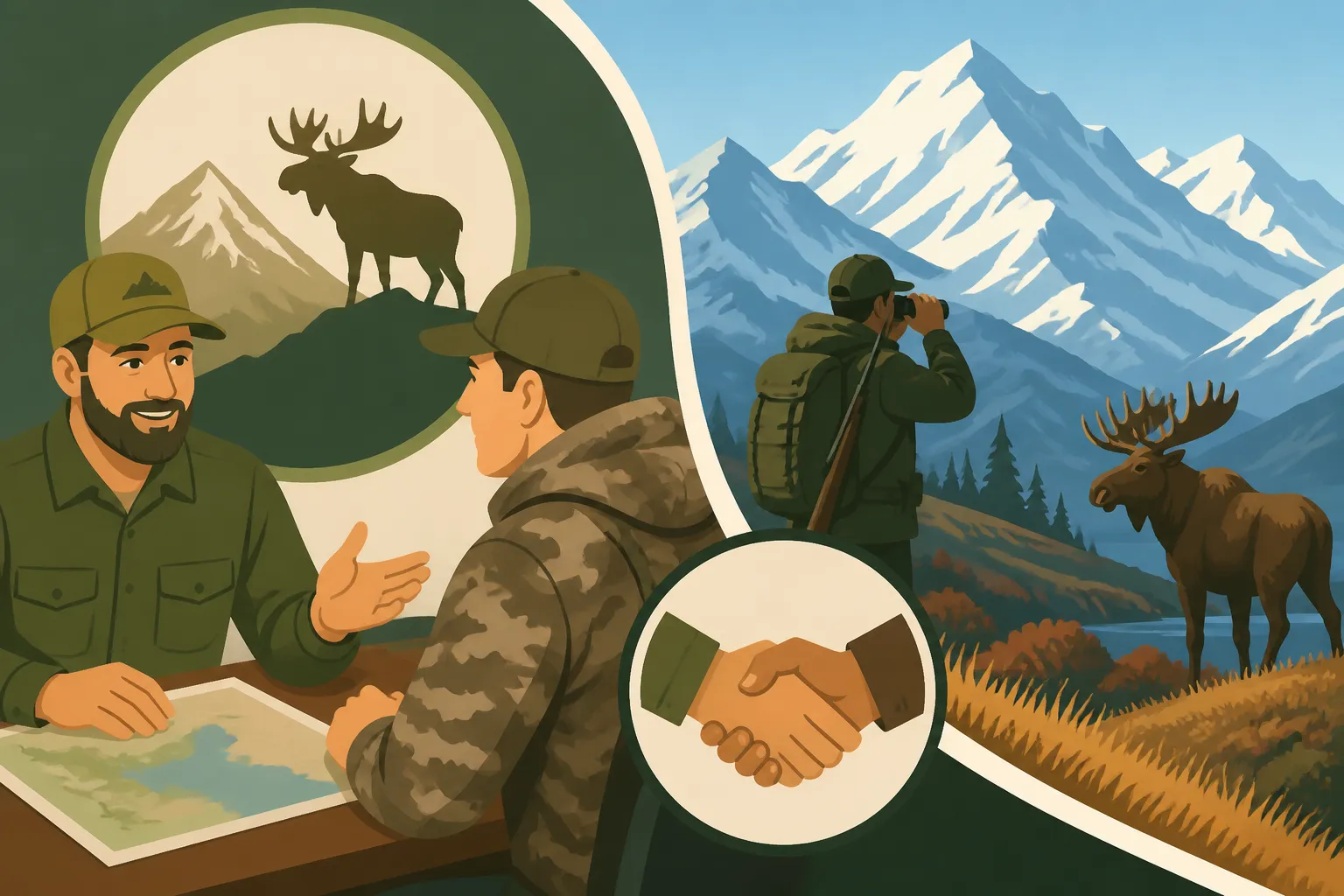
Imagine you’re planning the biggest, most important trip of your life – maybe a once-in-a-lifetime expedition to the far reaches of the Alaska Range for Dall sheep, or a coastal brown bear hunt that has been on your bucket list for decades. The stakes are high, the cost significant, and the consequences of choosing the wrong outfitter could mean a disappointing, expensive failure. That's precisely where a hunt consultant steps in. They are essentially specialized travel agents for hunters, but with a deep, personal understanding of the hunting industry, specific regions like Alaska, and the nuances of various big game species.
Bridging the Gap Between Hunter and Outfitter
A good hunt consultant acts as a crucial intermediary, bridging the vast gap between your aspirations as a hunter and the myriad of outfitters and guides operating in places like Alaska. They speak the language of hunting, understanding everything from Alaska Moose Antler Restriction Areas to Full-Curl Judging From Below the Ram. They know the difference between a float hunt in Interior Alaska versus a skiff-based deer hunt in Southeast, and they can articulate these differences in a way that truly matches your expectations and abilities.
Think about it: you, the hunter, have a vision. You want a certain species, a particular style of hunt (archery or rifle, backpack or lodge-based), a specific budget, and perhaps even a general region in mind. On the other side, there are hundreds of licensed Hiring an Alaska Registered Guide-Outfitter with varying specialties, availability, success rates, and operating procedures. It’s an enormous puzzle. A consultant's job is to take your puzzle pieces and expertly fit them with the right outfitter's offering, ensuring a much higher likelihood of a successful and satisfying experience. They're doing the legwork that would take you weeks or months of phone calls, emails, and cross-referencing.
The Hidden Value of Expert Knowledge
The true value of a hunt consultant often lies in their insider knowledge – connections and insights that the average hunter simply doesn't have. They've often personally visited many of the camps, met the guides, and talked to past clients. They know who consistently delivers, who might be overbooked, or who specializes in a particular type of hunt, like bowhunting versus rifle hunting.
For instance, you might be dreaming of a trophy bull moose from Unit 20A, but a consultant might know that a lesser-known outfitter in Unit 19 has fantastic success rates due to less pressure and prime habitat, even if their marketing isn't as flashy. This kind of nuanced understanding, gained from years of industry relationships and firsthand experience, is invaluable. They know not just what an outfitter offers, but how they deliver it, the quality of their camps, the temperament of their staff, and their adherence to ethical hunting practices. They also keep tabs on things like Alaska Emergency Orders That Close a Season Early or Alaska Harvest Report Deadline After the Hunt, which can impact hunt planning.
How Hunt Consultants Operate and What to Expect
Understanding how a hunt consultant works is key to making the most of their services. It’s not just about finding a name; it’s about engaging in a process that refines your hunting goals and connects you with the best possible options.
The Initial Consultation and Needs Assessment
Every successful consultant relationship begins with a thorough initial consultation. This isn't a quick chat; it's a deep dive into your hunting desires, capabilities, and expectations. Be prepared to discuss:
- Species of Interest: Are you dead set on a brown bear, or open to a moose/caribou combo?
- Geographic Preference: Do you dream of the Alaska Peninsula, the Brooks Range, or Southeast Alaska's islands?
- Desired Hunt Style: Are you a backpack hunter who wants to spike out for ten days, or do you prefer a comfortable lodge with daily excursions?
- Physical Conditioning: Be honest about your fitness level. A Dall sheep hunt in steep terrain requires a different physical output than a float hunt for moose.
- Budget: What is your realistic financial commitment for the entire trip, including licenses, tags, travel, and the hunt itself?
- Timing and Availability: What months or years work best for your schedule?
- Trophy Expectations: Are you looking for a record book animal, or just a quality hunting experience?
- Prior Hunting Experience: Have you hunted Alaska before? Are you comfortable in remote wilderness?
The more open and honest you are during this phase, the better equipped your consultant will be to match you with the perfect hunt. They are looking to build a long-term relationship, not just make a quick booking.
Navigating Options and Presenting Recommendations
Once they have a clear understanding of your needs, the consultant goes to work. They tap into their network of trusted outfitters, check availability against your desired dates, and often leverage their established relationships to secure prime openings or even better terms than you might find on your own. Many reputable consultants maintain robust databases of outfitters, continually updating information on success rates, camp conditions, and guide quality.
They'll typically present you with a curated selection of 2-3 outfitters that perfectly align with your criteria. This isn't a dump of dozens of options; it's a carefully vetted list. They’ll provide detailed information, often including brochures, past client references, and even specific details like Camp Food and Dietary Needs or Rifle Calibers for Coastal Brown Bear that might be appropriate.
You might even see them reference publicly available data from platforms like GoHunt, which can provide insights into draw odds, harvest statistics for various units, and season dates. While GoHunt is primarily a DIY resource for research, a good consultant might use its data to validate an outfitter’s claims or to support their recommendation for a particular hunt unit. For instance, if they recommend a caribou hunt in a specific GMU, they might show you GoHunt's data on recent herd movements or harvest success in that area. Similarly, platforms like BookYourHunt can provide a broad overview of guides and hunts, but a consultant dives deeper, adding their personal vetting process to narrow down the choices presented on such a site.
Here's a simplified comparison of booking methods:
| Feature | Direct Booking (DIY) | Through a Hunt Consultant |
|---|---|---|
| Research Time | High – Extensive searching, vetting, and contacting | Low – Consultant handles research and vetting |
| Industry Knowledge | Limited – Relies on public info, reviews | High – Insider insights, personal connections, experiences |
| Negotiation | Difficult – Limited leverage with individual outfitters | Possible – Consultants often have established relationships |
| Problem Resolution | Hunter must resolve issues directly with outfitter | Consultant can act as an advocate on your behalf |
| Cost to Hunter | Outfitter's advertised price | Outfitter's advertised price (usually, no extra fee) |
| Availability Access | Only what's publicly listed or directly communicated | Access to unadvertised openings, last-minute spots |
| Risk Mitigation | Hunter's responsibility to vet and trust | Consultant's vetting reduces risk of poor outfitter |
Understanding Their Compensation Structure
One of the most common questions hunters have is, "How much does a hunt consultant cost?" The good news is that for the vast majority of reputable consultants, their services are free to the hunter. They are compensated by the outfitter through a pre-arranged commission on the booking. This means you typically pay the exact same price (or sometimes even less, due to their relationships) as if you booked directly with the outfitter, but you gain all the benefits of the consultant's expertise, time, and advocacy.
It's crucial to understand this model. Because they get paid by the outfitter, a good consultant is incentivized to ensure you have a positive experience and book again, either with the same outfitter or a different one through their services. Their reputation hinges on client satisfaction, not just pushing a particular outfitter. Always clarify the compensation structure upfront, but rest assured, paying a consultant directly is typically not part of the deal.
Pros and Cons of Booking Through a Consultant
Like any service, using a hunt consultant comes with its own set of advantages and potential drawbacks. Knowing both sides helps you make an informed decision for your Guided Versus Unguided Hunting in Alaska adventure.
The Advantages: Time, Expertise, and Troubleshooting
The benefits of using a hunt consultant are significant, especially for complex or high-stakes hunts like those in Alaska.
- Massive Time Savings: Planning an Alaska hunt can be a second full-time job. Consultants shoulder this burden, handling research, phone calls, vetting, and itinerary coordination. Imagine how much time you'd save not having to comb through countless websites or make dozens of calls to check How Far Ahead Alaska Sheep Guides Book or Booking Lead Time for Brown Bear.
- Unparalleled Expertise: They bring years of accumulated knowledge about outfitters, species, regulations, and logistics. This insight is invaluable for non-resident hunters who might not be familiar with Alaska's unique hunting environment. They understand the nuances of Alaska Hunter Education and Orientation Requirements or the ins and outs of Alaska's Same-Day-Airborne Rule and What It Bans.
- Risk Reduction: A reputable consultant has vetted their outfitters. They know their track record, their facilities, their staff, and their ethics. This significantly reduces your risk of booking with a disreputable outfitter or experiencing a disappointing hunt due to poor planning or misleading information. They've already done the Checking an Alaska Guide's Licence Status and called References From Past Clients.
- Access to Prime Opportunities: Consultants often have early access to prime dates and sometimes even exclusive hunts that aren't advertised to the general public. They can often secure cancellations or last-minute openings that would otherwise be impossible to find.
- Advocacy and Support: Should any issues arise before, during, or after your hunt, your consultant can act as an advocate on your behalf. Whether it's a dispute over services, a logistical hiccup, or questions about Meat Processing and Freight From Bush Alaska, they can leverage their relationship with the outfitter to help resolve problems. This is a huge peace of mind, especially when you're thousands of miles from home.
- Logistical Assistance: Beyond the hunt itself, consultants often help with other travel logistics, like recommending hotels, ground transportation, or even advising on Airline Rules for Frozen Game Meat or Firearms Transport Through Anchorage.
Potential Drawbacks and What to Watch For
While the advantages are clear, it's also important to be aware of potential downsides and how to mitigate them.
- Potential for Bias: Since consultants are paid by outfitters, there's always a theoretical risk that they might push certain outfitters over others, perhaps those who offer higher commissions. A truly ethical and professional consultant will prioritize client satisfaction above all else, ensuring they match you with the best hunt, not just the most profitable one for them. It's why Questions to Ask an Alaska Guide Before Booking also apply to consultants.
- Reduced Direct Communication: Sometimes, especially during the initial stages, communication flows through the consultant. While efficient, some hunters prefer direct contact with their outfitter from day one. You should always have the opportunity to speak directly with your guide or outfitter before committing to a hunt.
- Lack of Control (Perceived): Handing over the booking process might feel like losing some control. However, a good consultant empowers you by presenting vetted choices and giving you the final say. You're still making the decisions, just with expert guidance.
- Consultant Quality Varies: Just like outfitters, not all consultants are created equal. Some are incredibly knowledgeable and ethical, while others might be less experienced or primarily driven by sales. It's crucial to vet your consultant just as thoroughly as you would an outfitter.
Choosing the Right Consultant for Your Alaska Dream Hunt
Selecting the right hunt consultant is almost as important as choosing the right outfitter. A good consultant can be a game-changer; a bad one can add unnecessary frustration.
Key Questions to Ask Before Committing
Before you sign on with any consultant, have a candid conversation and ask probing questions. This isn't just about their services; it's about building trust.
- What is your experience hunting in Alaska? Do they have firsthand knowledge of the state, its terrain, and its species? Have they personally hunted the areas they recommend?
- How do you vet your outfitters? Ask about their due diligence process. Do they visit camps? Do they require specific insurance or licensing from their outfitters? How often do they re-evaluate their roster?
- Can you provide references from past clients who hunted similar species in Alaska? A reputable consultant will happily provide contacts for hunters they've successfully placed. Speak to these references about their overall experience, especially regarding consultant support.
- What happens if there's a problem or I need to cancel? Understand their role in Hunt Insurance for Cancellations or dealing with unforeseen circumstances. What support do they offer if an outfitter doesn't deliver as promised? How do they handle situations like Weather Days and Who Pays for Them?
- How transparent are you about pricing? Confirm that you won't pay extra for their services and that the prices quoted are the same as booking directly.
- Do you specialize in certain species or regions? Some consultants are generalists, while others focus purely on, say, sheep or bear hunts in specific parts of Alaska. Ensure their expertise aligns with your goals.
- What is your process once I choose an outfitter? Will they handle all the paperwork? Will you receive a clear contract? Will they assist with pre-trip logistics?
Red Flags and Trust Signals
Knowing what to look for, both good and bad, can save you a lot of grief.
Red Flags:
- High-Pressure Sales: If a consultant tries to rush you into a booking, claims limited-time offers are about to expire, or pushes one outfitter without presenting alternatives, be wary.
- Lack of Transparency: Vague answers about pricing, outfitter vetting, or references are a major red flag.
- No Personal Experience: If they have never hunted the species or region you're interested in, their "expertise" might be limited to website browsing.
- Poor Communication: If they're slow to respond or don't seem to listen to your specific needs, it's a sign they might not be the right fit.
- Unrealistic Promises: Beware of anyone guaranteeing a trophy animal or a 100% success rate. Hunting is hunting; there are no guarantees.
Trust Signals:
- Genuine Enthusiasm and Listening: A good consultant is genuinely excited about helping you plan your hunt and listens carefully to your desires.
- Deep Knowledge: They can speak in detail about specific outfitters, regions, and hunting conditions. They can explain complex topics like Alaska's Brown Bear, Sheep and Goat Guide Requirement with ease.
- Professionalism: Clear communication, organized materials, and transparent processes are all indicators of a professional operation.
- Positive References: Past clients rave about their help and the quality of the hunt they booked.
- Advocacy: They clearly explain how they will support you if something goes wrong.
Leveraging Technology and Platforms
While a consultant provides personalized service, modern tools can still play a role. Websites like BookYourHunt, for example, aggregate listings from various outfitters, allowing you to browse options and compare offerings. A good consultant might even use such platforms as a starting point for their own research, though they’ll always add their layer of personal vetting and connections. These platforms provide a wide view, and a consultant offers the telescopic focus.
Similarly, resources like GoHunt, while often used by DIY hunters for draw applications and unit data, can also be invaluable for consultants. They might use GoHunt's data on Alaska Draw Application Opening Date or Alaska Caribou Bag Limits by Unit to inform their advice, ensuring that the hunt they recommend aligns not only with your desires but also with current regulations and opportunities. A consultant combines the analytical power of these platforms with their human experience, providing a truly comprehensive service for planning your Alaska hunting adventure.
In the end, choosing to work with a hunt consultant for your Alaska hunt is an investment in peace of mind, time savings, and increased chances of a successful and fulfilling experience. They demystify a complex process, allowing you to focus on the exciting anticipation of your upcoming adventure in the Last Frontier.
Disclaimer
This article is for general informational purposes only and does not constitute professional advice. Laws, prices and regulations vary by location and change over time. Consult a qualified professional for guidance on your specific situation.